Anki session
Japanese 2
日本語
- New
- 20
- Learn
- 0
- Review
- 103
Session: 20 new remaining of the 20/day cap · 0 learning waiting · 103 reviews due.
Click Japanese::Level2, not Level1. Level1 is review-only now. No learning queue today, so new cards mix into the 103 reviews.
This is a second sheet for today (HSK is 2026-09-22.md). Do not mix the decks in one Anki session.
Session plan
- One hundred and three reviews. Clear those as they come; the new twenty mix in.
- Forest pair with HSK: 森 thick woods vs HSK 树林 the grove from this afternoon.
- Weather pair: 雨 is falling, 風 is strong — and 風 is not 風邪 the cold.
- Sports pair: 蹴る the keeper kicks, ラケット you bought for tennis.
- Sense traps: 背景 in this sentence is “what was behind the incident,” not a photo backdrop; 確か is “for certain” (promotion), not たしか “if I remember”; 丁寧 is careful work, not 丁寧語 grammar; 看護婦 is the dated female nurse (now 看護師); 速さ is the noun, not 速い; ビニール is the vinyl bag, not プラスチック in general.
- Life cluster: 生まれる baby boy, 歌 I didn’t know that song, 髪 cut yesterday, 人形 her dolls.
- City / work: 階段 run up at the station, 工業 industrial city, 注目 that company, 火事 call 119.
1. 蹴る(ける)
kick · menendang
Example: ゴールキーパーがボールを蹴った。 — The goalkeeper kicked the ball.
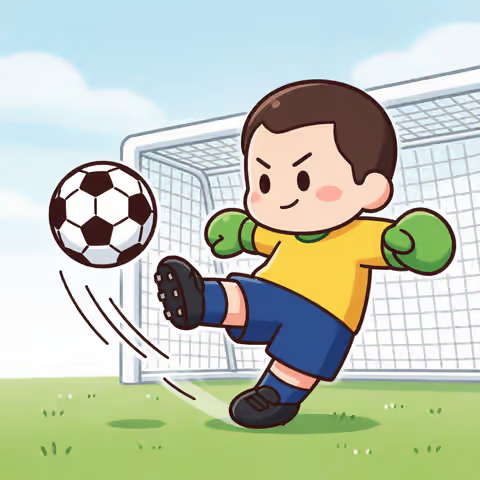
- CJK: 蹴 = 蹴. Mandarin 踢. Canto 踢 tek3. Same 足 radical as 踏む (step), different verb. Pair ラケット later — tennis, not football.
- Fun fact: キーパーがボールを蹴った. Goal kick / clearance, not 打つ. 蹴る also covers “kick a person” — today’s ball is safer.
- Memorize: Keeper, ball off the boot: ゴールキーパーがボールを蹴った.
- Study tip: 蹴る. Reading ける. Don’t answer 打つ. Pair ラケット.
2. 火事(かじ)
fire · kebakaran
Example: 火事です。119番に電話してください。 — There's a fire. Please call 119.
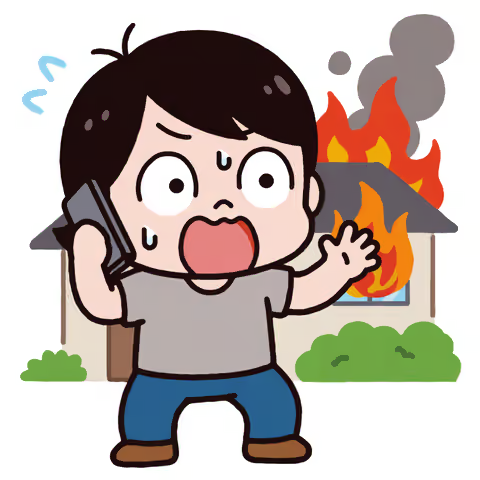
- CJK: 火 = 火. 事 = 事. Mandarin 火灾. Canto 火燭 fo2 zuk1 / 火災. Japan 119 is fire/ambulance (110 is police). Not 火 the campfire. 火事だ is the shout.
- Fun fact: 火事です。119番. Same 119 as HK fire/ambulance. If you flash 火 alone, you miss the emergency.
- Memorize: Flames, phone, 119: 火事です。119番に電話してください。
- Study tip: 火事. Don’t answer 火. Japan 119, not 911.
3. 背景(はいけい)
background, scenery, setting · latar belakang
Example: 事件の背景に何があったのだろう。 — I wonder what was behind the incident.
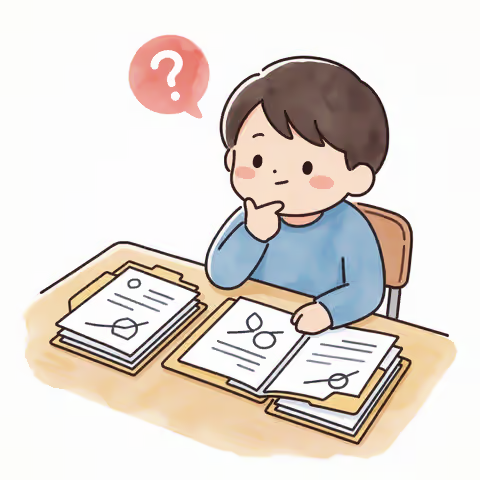
- CJK: 背 = 背. 景 = 景. Mandarin 背景. Canto 背景 bui3 ging2. Same 景 as HSK 美景 / 景区 today — those cards are pretty views; this sentence is the motive behind an incident. Photo 背景 is in the dictionary; not today.
- Fun fact: 事件の背景に何が. News-analysis 背景. If you picture a studio backdrop, you missed 事件.
- Memorize: Incident file, question mark behind it: 事件の背景に何があったのだろう。
- Study tip: 背景. Today is “behind the incident.” Don’t answer 景色. HSK 美景 is the view.
4. 生まれる(うまれる)
be born, come into existence · lahir
Example: 姉夫婦に男の子が生まれました。 — My sister and her husband had a baby boy.

- CJK: 生 = 生. Mandarin 出生. Canto 出世 ceot1 sai3. Intransitive; parents 生む, baby 生まれる. Not 生きる (to live). Pair HSK 失去 — that card loses contact; this one arrives.
- Fun fact: 男の子が生まれました. Birth announcement. 生まれ is also hometown (大阪生まれ) — not this sentence.
- Memorize: Sister, husband, baby boy: 姉夫婦に男の子が生まれました。
- Study tip: 生まれる. Reading うまれる. Don’t conjugate 生む on this card.
5. 雨(あめ)
rain · hujan
Example: 雨が降っています。 — It's raining.
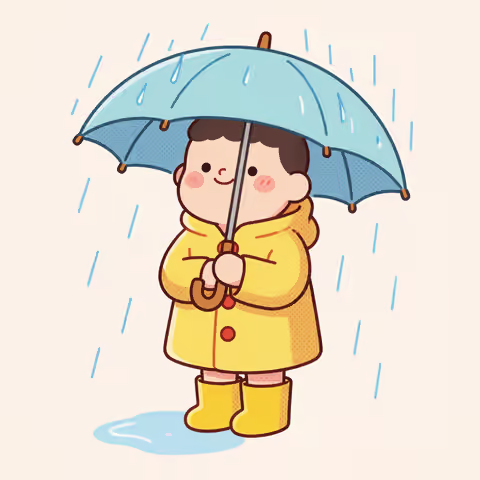
- CJK: 雨 = 雨. Mandarin 雨. Canto 雨 jyu5. Verb is 降る, not 雨する. Pair 風 later. 雨音, 大雨, 雨宿り.
- Fun fact: 雨が降っています. The default weather line. 雨が降る uses 降る (fall), same 降 as yesterday 降りる the train — different word.
- Memorize: Umbrella, drops: 雨が降っています。
- Study tip: 雨. Reading あめ, not あめ vs あま compounds (雨宿り あまやどり). Pair 風.
6. 歌(うた)
song · lagu
Example: 私はその歌を知らなかった。 — I didn't know that song.

- CJK: 歌 = 歌. Mandarin 歌. Canto 歌 go1. Noun; verb 歌う. 曲 is the musical piece; 歌 is what you sing. Pair HSK 听众 if you imagine a hall of listeners.
- Fun fact: その歌を知らなかった. Title you can’t hum. 唱歌 is the Chinese verb; Japanese splits 歌 / 歌う.
- Memorize: Headphones, blank face, unknown track: その歌を知らなかった。
- Study tip: 歌. Don’t answer 歌う unless printed. Reading うた.
7. 傾向(けいこう)
tendency, disposition · kecenderungan
Example: 最近の若者は難しい本を読まない傾向がある。 — Young people these days tend not to read difficult books.
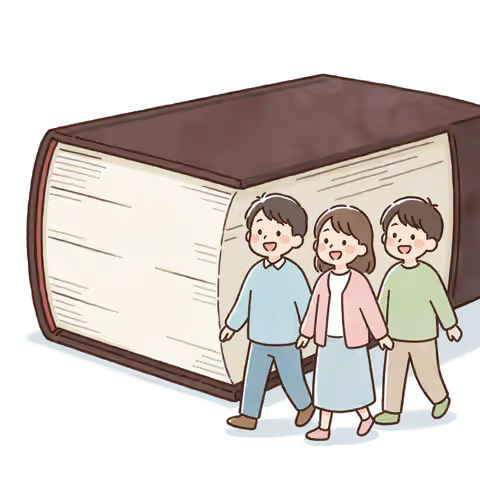
- CJK: 傾 = 倾. 向 = 向. Mandarin 倾向. Canto 傾向 king1 hoeng3. Traditional 傾向. Pattern 〜する傾向がある. 傾く is “tilt”; 傾向 is the statistic.
- Fun fact: 読まない傾向がある. Survey headline, not one lazy kid. 好きではない is a preference; 傾向 is the trend.
- Memorize: Chart of young people vs hard books, arrow down: 読まない傾向がある。
- Study tip: 傾向. Reading けいこう. Don’t answer 好き. Pattern 傾向がある.
8. ビニール(ビニール)
plastic bag · vinil, plastik
Example: ゴミはそのビニール袋に入れてください。 — Please put trash in that plastic bag.
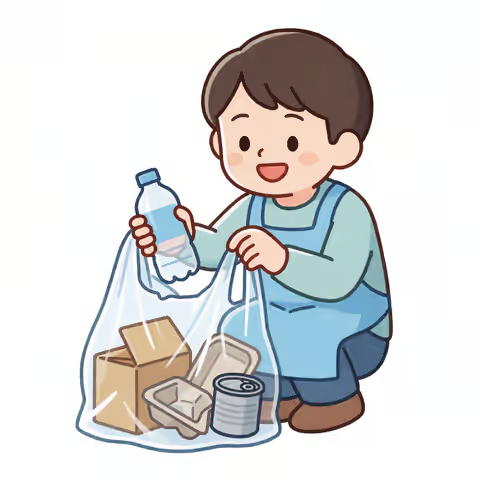
- CJK: Loan from English vinyl. Mandarin 塑料袋. Canto 膠袋 gaau1 doi2. Japanese ビニール袋 is the supermarket bag. プラスチック is the material; ビニール is the thin vinyl sheet/bag.
- Fun fact: ゴミはビニール袋に. Trash sorting, the bag in the picture. Not a 袋 of cloth.
- Memorize: Clear vinyl trash bag, rubbish in: ビニール袋に入れてください。
- Study tip: ビニール. Don’t answer プラスチック. Usually ビニール袋.
9. 速さ(はやさ)
speed · kecepatan
Example: 新幹線の速さはどれ位ですか。 — How fast is the bullet train?
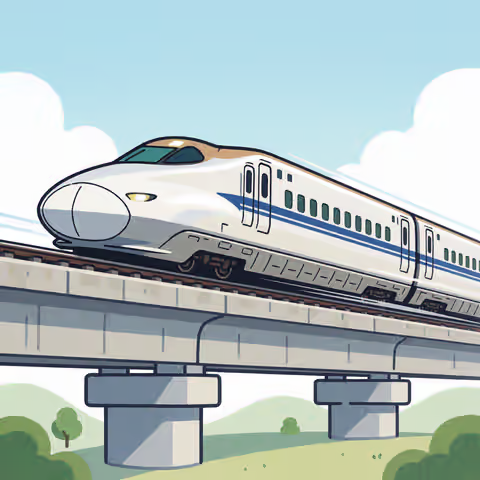
- CJK: 速 = 速. Mandarin 速度. Canto 速度 cuk1 dou6. 〜さ turns 速い into a noun. 速度 is Sino-Japanese “velocity”; 速さ is the everyday noun. 位 here is どれくらい.
- Fun fact: 新幹線の速さはどれ位. Speed-check, not 速いですか (adjective). どれ位 = どれくらい.
- Memorize: Shinkansen, speed question: 新幹線の速さはどれ位ですか。
- Study tip: 速さ. Don’t answer 速い or 速度 unless printed. Reading はやさ.
10. 階段(かいだん)
steps, flight of stairs · tangga
Example: 私たちは駅の階段をかけ上がった。 — We ran up the station steps.
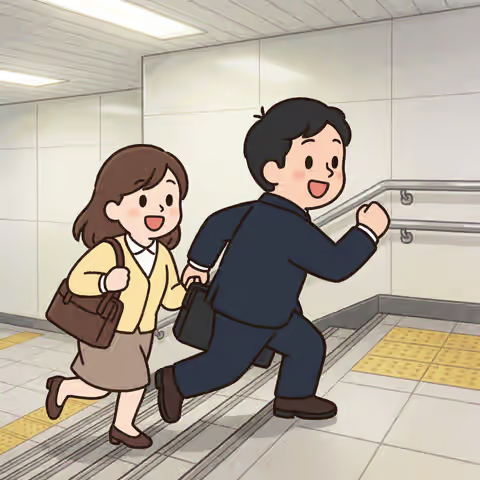
- CJK: 階 = 阶. 段 = 段. Mandarin 楼梯. Canto 樓梯 lau4 tai1. Traditional 階段. Not 段階 (stage of a process). 駆け上がる = run up. Station stairs, not an escalator エスカレーター.
- Fun fact: 駅の階段をかけ上がった. Catch the train, take the steps two at a time. 階 is also “floor.”
- Memorize: Station, sprint up the steps: 駅の階段をかけ上がった。
- Study tip: 階段. Don’t answer エレベーター. Reading かいだん.
11. 工業(こうぎょう)
industry, manufacturing · industri
Example: そこは工業都市だ。 — That's an industrial city.

- CJK: 工 = 工. 業 = 业. Mandarin 工业. Canto 工業 gung1 jip6. Yesterday Canto 業 was bound in 科技業; today the full 工業. 産業 is broader “industry”; 工業 is factories.
- Fun fact: 工業都市. Smokestacks / industrial park, not 会社. 工業 vs 農業 vs 商業 is the school trio.
- Memorize: Factory skyline: そこは工業都市だ。
- Study tip: 工業. Don’t answer 産業. Reading こうぎょう.
12. 確か(たしか)
for sure, for certain · pasti, yakin
Example: 彼の昇進は確かだ。 — He's sure to get a promotion.

- CJK: 確 = 确. Mandarin 确实 / 肯定. Canto 確實. たしかだ = it’s certain. Spoken たしか also means “if I remember correctly” (たしか彼は…); today is the promotion, for certain.
- Fun fact: 昇進は確かだ. Already in the bag. If you flash “I think it was…,” you hit the other たしか.
- Memorize: Promotion letter, stamp 確か: 彼の昇進は確かだ。
- Study tip: 確か. Today is “for certain.” Don’t answer たぶん. Reading たしか.
13. 森(もり)
thick woods, forest · hutan
Example: 私は森を歩くのが好きです。 — I like to walk in the forest.

- CJK: 森 = 森. Mandarin 森林. Canto 森林 sam1 lam4. Three 木. Pair HSK 树林 (two 木 = 林, the grove). 森 is denser than 林. Same-day HSK walked 树林 this afternoon; you walk 森.
- Fun fact: 森を歩くのが好き. Forest bath, not a city park 公園. 林 is the lighter woods.
- Memorize: Deep trees, walking path: 森を歩くのが好きです。
- Study tip: 森. Reading もり. Don’t answer 林 or 公園. Pair HSK 树林.
14. 丁寧(ていねい)
polite, courteous, careful · sopan, teliti
Example: 彼女はいつも丁寧に仕事をします。 — She always works carefully.

- CJK: 丁 = 丁. 寧 = 宁. Mandarin 仔细 / 礼貌. Canto 仔細 / 有禮貌. Yesterday HSK 仔细 was look both ways at the kerb; 丁寧に仕事 is careful work. Also 丁寧語 (polite language) — not this sentence.
- Fun fact: 丁寧に仕事をする. Neat desk, no shortcuts. 丁寧な言葉 is the grammar term; today is the adverb of working.
- Memorize: Neat stack of finished work: 丁寧に仕事をします。
- Study tip: 丁寧. Today is careful work. Don’t answer 丁寧語. Reading ていねい.
15. 注目(ちゅうもく)
attention, notice · perhatian; sorotan
Example: 私たちはその会社に注目している。 — We have our eyes on that company.
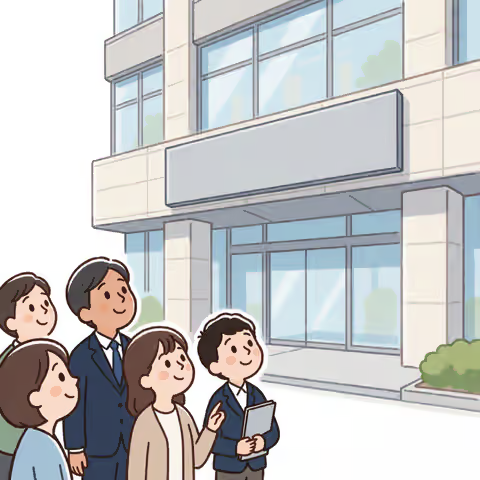
- CJK: 注 = 注. 目 = 目. Mandarin 注目. Canto 注目 zyu3 muk6. 注ぐ is pour; 注目 is “pour the eyes.” Pattern 〜に注目する. 注意 is “watch out / caution.”
- Fun fact: 会社に注目している. Investors watching a firm, not 見てる a movie. Same 目 as 目.
- Memorize: Logo under a spotlight: その会社に注目している。
- Study tip: 注目. Don’t answer 注意. Reading ちゅうもく. Pattern に注目する.
16. 看護婦(かんごふ)
female nurse · perawat wanita
Example: 母は看護婦です。 — My mother's a nurse.
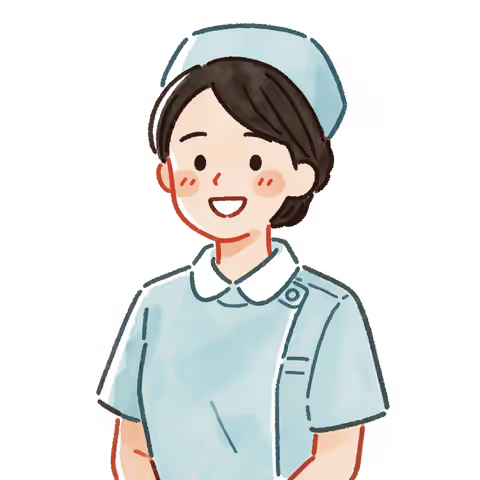
- CJK: 看 = 看. 護 = 护. 婦 = 妇. Mandarin 护士. Canto 護士 wu6 si6. Traditional 看護婦. 婦 marks female. Modern Japanese prefers 看護師 for all genders; textbooks still print 看護婦. 看護 is the care; 婦 is the woman.
- Fun fact: 母は看護婦です. Mum in a nurse cap. If the card wanted 医者, it would say so. Don’t “correct” it to 看護師 on the answer.
- Memorize: Mum, nurse uniform: 母は看護婦です。
- Study tip: 看護婦. Dated female form. Don’t answer 看護師 unless printed. Reading かんごふ.
17. ラケット(ラケット)
racket · raket
Example: テニスのラケットを買いました。 — I bought a tennis racket.
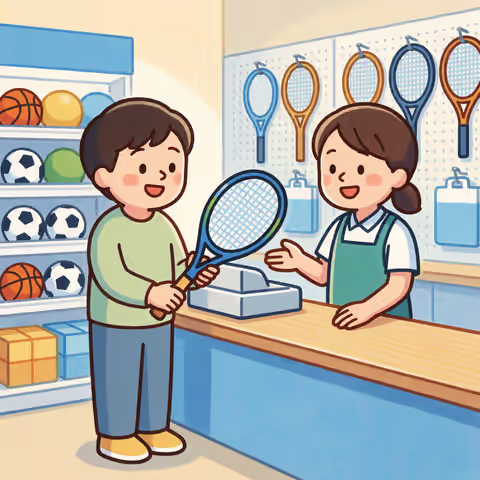
- CJK: Loan racket. Mandarin 球拍. Canto 球拍 kau4 paak3. Tennis, not 卓球 (table tennis uses a paddle ラケット too in Japanese — today is tennis). Pair 蹴る the football kick.
- Fun fact: テニスのラケットを買った. Shop bag, tennis, not サッカー. バット is baseball.
- Memorize: New tennis racket in a bag: テニスのラケットを買いました。
- Study tip: ラケット. Don’t answer ボール. Pair 蹴る (different sport).
18. 髪(かみ)
hair, hairstyle · rambut
Example: 昨日、髪を切りました。 — I had my hair cut yesterday.
- CJK: 髪 = 发. Mandarin 头发. Canto 頭髮 tau4 faat3. Shinjitai 髪. Homophone trap: 紙 かみ paper, 神 かみ god. 髪を切る = get a haircut (often at the salon).
- Fun fact: 昨日、髪を切りました. Fresh cut. 切る here is the salon, not 切る a carrot.
- Memorize: Salon chair, yesterday’s cut: 昨日、髪を切りました。
- Study tip: 髪. Reading かみ. Don’t answer 紙. Kanji 髪.
19. 風(かぜ)
wind · angin
Example: 今日は風が強いです。 — The wind is strong today.
- CJK: 風 = 风. Mandarin 风. Canto 風 fung1. Pair 雨. Homophone trap: 風邪 かぜ = a cold (illness). 風が強い is weather; 風邪をひく is the tissue box.
- Fun fact: 風が強いです. Trees bending, not a sneeze. Same かぜ as 風邪 — different kanji.
- Memorize: Hair/trees sideways, strong wind: 今日は風が強いです。
- Study tip: 風. Don’t answer 風邪. Pair 雨. Reading かぜ.
20. 人形(にんぎょう)
doll · boneka
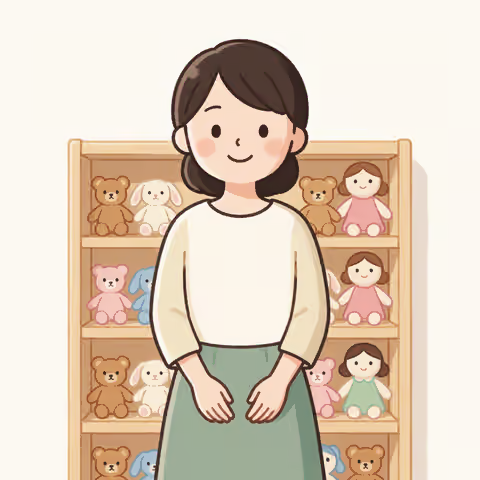
Example: 彼女は人形をたくさん持っています。 — She has a lot of dolls.
- CJK: 人 = 人. 形 = 形. Mandarin 人偶 / 娃娃. Canto 公仔 gung1 zai2. Literally “human shape.” 人形劇 is puppet theatre. Not 人の形 as a phrase you invent.
- Fun fact: 人形をたくさん持っている. Shelf of dolls, not 子供. 日本人形 is the kimono doll.
- Memorize: Shelf packed with dolls: 人形をたくさん持っています。
- Study tip: 人形. Reading にんぎょう. Don’t answer 人. Not ひとがた.