Anki session
Cantonese 2
廣東話
- New
- 20
- Learn
- 0
- Review
- 87
Session: 20 new remaining of the 20/day cap · 0 learning waiting · 87 reviews due.
Click Cantonese::Level2, not Level1. Level1 is review-only now. No learning queue today, so new cards mix into the 87 reviews.
This is a third sheet for today (HSK is 2026-09-22.md, Japanese is 2026-09-22-japanese-level2.md).
Session plan
- Eighty-seven reviews. Clear those as they come; the new twenty mix in.
- Lookalike pair: 方面 (in terms of tech) vs 方法 (the right method) — same 方, different second character.
- 唔- pair: 唔夠 not careful enough with fireworks, 唔畀 landlord won’t allow a dog.
- Same-day HSK: 孝 how you treat parents vs HSK 亲戚 who visits at 春节. 放工 leaving work vs HSK 将要 a meeting about to start. 遠 vs HSK 景区.
- Sense traps: 舊 is old for cities/things, not 老 for people; book is the English verb “reserve,” not 書; 一點 in this sentence is eleven o’clock (十一點), not “a little”; 馬 today is a triad 馬仔, not the HSK animal; 間房 here is the dark room, not “partition” or per-head charge; 分別 is “what’s the difference,” not 分手; 死人 is the haunted-house noun, also an expletive you should not fire at the card; 易 is ji6 easy, not jik6 trade.
- Work / try: 放工, 試過 cook yourself, 成功 the revolution, 拖 don’t delay homework, 易 this homework is easy.
1. 舊(gau6)
old; aged · tua; lama
Example: Bedford 唔係好舊嘅城市,歷史建築冇幾多。 — Bedford isn't a very old city; there are few historic buildings.

- CJK: 舊 = 旧. Mandarin 旧 (objects / cities). JP 古い. Traditional 舊. 老 is old for people; 舊 is old for things, places, 舊衫. Antonym 新.
- Fun fact: Bedford 唔係好舊. City age, not 佢好老. 舊年 is “last year”; 舊 is the adjective here.
- Memorize: Town with almost no historic buildings: Bedford 唔係好舊嘅城市.
- Study tip: 舊. Don’t answer 老. Reading gau6.
2. book(buk1)
to reserve, to book · memesan, booking
Example: 我已經 book 咗飛。 — I booked a ticket.
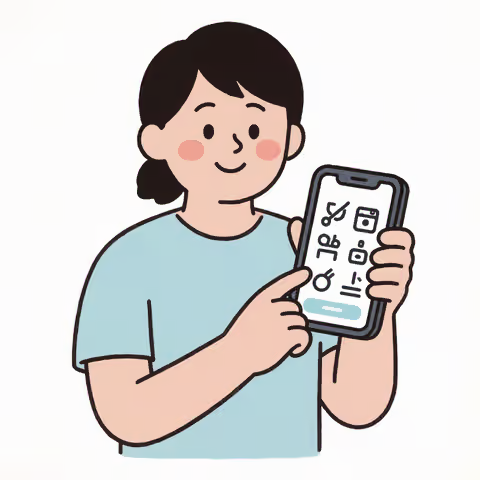
- CJK: English loan book. Mandarin 预订. JP 予約する. Canto speech uses book for tickets, restaurants, hotels. Chinese verb 訂. 飛 = air ticket (from 飛機票). Not 書 a book.
- Fun fact: book 咗飛. Code-switch at the counter. 訂飛 is the Chinese twin; the card prints English book.
- Memorize: Phone, ticket confirmation: 我已經 book 咗飛.
- Study tip: book. Don’t answer 書 or 訂 unless printed. Reading buk1.
3. 放工(fong3 gung1)
to finish work; to come off work · pulang kerja
Example: 你平時幾點放工? — What time do you usually finish work?

- CJK: 放 = 放. 工 = 工. Mandarin 下班. JP 仕事が終わる. 放 = release; 工 = work. 放假 is a holiday. Pair HSK 将要 — that meeting is about to start; this is when you leave.
- Fun fact: 幾點放工. Clock-out question. 放工之後食飯 is the next collocation. Not 收工 only (also used, slightly different flavour).
- Memorize: Office clock, “what time do you 放工?”: 你平時幾點放工?
- Study tip: 放工. Don’t answer 放假 or 下班. Reading fong3 gung1.
4. 試過(si3 gwo3)
have tried; have experienced · pernah mencoba; pernah mengalami
Example: 你試過自己煮嘢食未? — Have you ever tried cooking by yourself?

- CJK: 試 = 试. 過 = 过. Mandarin 试过. JP 試したことがある. Experiential 過. Question particle 未. 試 is try; 試過 = have you ever.
- Fun fact: 試過自己煮嘢食未. “Ever cooked,” not 試下 (give it a go now). 未 at the end marks the yes/no.
- Memorize: Kitchen, ever cooked solo?: 你試過自己煮嘢食未?
- Study tip: 試過. Don’t answer 試. Reading si3 gwo3. Pattern 試過…未.
5. 孝(haau3)
filial piety · bakti kepada orang tua
Example: 細個媽媽教我要孝父母。 — Since I was little, my mom taught me to be filial to my parents.
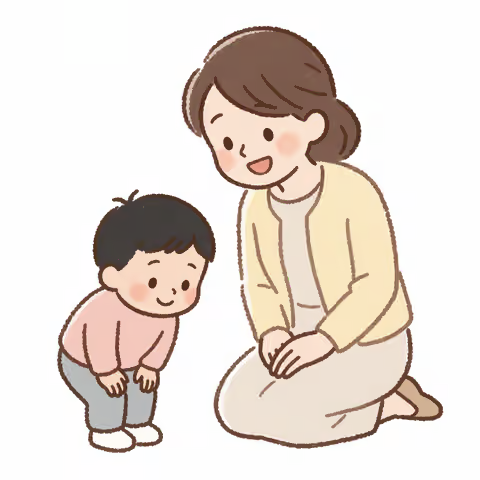
- CJK: 孝 = 孝. Mandarin 孝. JP 孝行. Bound in speech; everyday verb is 孝順. Pair HSK 亲戚 — they visit at 春节; 孝 is how you treat the parents. 不孝 is the opposite.
- Fun fact: 教我要孝父母. Mum’s lesson, not a philosophy class. If the card wanted 孝順, it would print two characters; here the root is 孝.
- Memorize: Child, mum pointing at parents: 細個媽媽教我要孝父母.
- Study tip: 孝. Don’t answer 孝順 unless printed. Reading haau3. Bound.
6. 一點(jat1 dim2)
a little; one o’clock · sedikit; jam satu
Example: 而家十一點,Aliyah 做緊嘢。 — It's eleven o'clock now. Aliyah is at work.

- CJK: 一 = 一. 點 = 点. Mandarin 一点. JP 少し / 一時. 一點 = a bit or 1 o’clock. Today’s sentence is 十一點 (eleven). Clock 點 vs “wait 一點.”
- Fun fact: 而家十一點. The 點 is o’clock; Aliyah is still at work (pair 放工). If you flash “a little sugar,” you missed 十一.
- Memorize: Clock at 11, Aliyah still working: 而家十一點,Aliyah 做緊嘢。
- Study tip: 一點. Today is the clock (十一點). Don’t answer 少少 unless the sentence is “a bit.”
7. 成功(sing4 gung1)
success · berhasil; kesuksesan
Example: 革命要成功,要好多人一齊做。 — For the revolution to succeed, many people must work together.

- CJK: 成 = 成. 功 = 功. Mandarin 成功. JP 成功(せいこう). Same two characters as HSK. Verb or noun. Antonym 失敗.
- Fun fact: 革命要成功. Rally line, not 考試成功. 一齊做 is the teamwork clause.
- Memorize: Crowd, same direction, succeed: 革命要成功,要好多人一齊做。
- Study tip: 成功. Don’t answer 勝利. Reading sing4 gung1.
8. 唔夠(m4 gau3)
not enough; insufficient · tidak cukup
Example: 如果唔夠小心,放煙花好危險。 — If you're not careful enough, setting off fireworks is very dangerous.
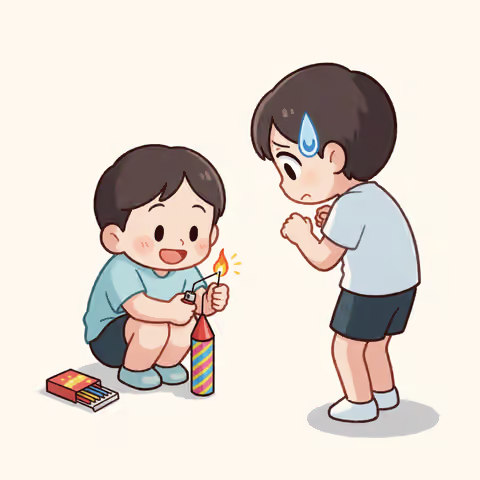
- CJK: 唔 = Canto not (m4). 夠 = 够. Mandarin 不够. JP 足りない. 唔夠小心 = not careful enough. Pair 唔畀. 夠 is enough; 唔夠 prefixes the adjective.
- Fun fact: 唔夠小心,放煙花. Fireworks warning, not “not enough money” (唔夠錢). 小心 is yesterday’s HSK cousin 仔细.
- Memorize: Fireworks, extra caution: 如果唔夠小心,放煙花好危險。
- Study tip: 唔夠. Don’t answer 唔. Pair 唔畀. Reading m4 gau3.
9. 同一個(tung4 jat1 go3)
the same · yang sama
Example: 我哋用緊同一個帳戶。 — We're using the same account.

- CJK: 同 = 同. 一 = 一. 個 = 个. Mandarin 同一个. JP 同じ. 同一個 X = the same X. 帳戶 = account. Not 一樣 (alike) which compares quality.
- Fun fact: 用緊同一個帳戶. Shared login. 同 is “same”; 一個 is the classifier bundle.
- Memorize: Two people, one login screen: 我哋用緊同一個帳戶。
- Study tip: 同一個. Don’t answer 一樣. Reading tung4 jat1 go3.
10. 死人(sei2 jan4)
dead person · orang mati
Example: 呢間屋好邪,每晚都聽到死人聲。 — This house is haunted, hear dead people's voices every night.

- CJK: 死 = 死. 人 = 人. Mandarin 死人. JP 死人(しにん). Literal corpse / ghost-voice. Also a common Canto expletive — today is the haunted house, not the swear.
- Fun fact: 聽到死人聲. Ghost story, 邪 house. Don’t practise the insult reading on this card.
- Memorize: Dark house, voices at night: 每晚都聽到死人聲。
- Study tip: 死人. Today is the noun in a ghost story. Reading sei2 jan4.
11. 方面(fong1 min6)
aspect; area · segi; bidang
Example: 喺科技方面,香港要追落後。 — In terms of technology, Hong Kong needs to catch up.

- CJK: 方 = 方. 面 = 面. Mandarin 方面. JP 方面(ほうめん). Pattern 喺 X 方面. Pair 方法 — same 方, 面 vs 法. 追落後 = catch up on being behind.
- Fun fact: 喺科技方面. Sector talk, not 方法 how-to. If you flash “method,” you hit the next-but-one card.
- Memorize: Tech sector, HK catching up: 喺科技方面,香港要追落後。
- Study tip: 方面. Don’t answer 方法. Pair 方法. Reading fong1 min6.
12. 馬(maa5)
horse; gang follower · kuda; anak buah geng
Example: 佢做咗黑社會嘅馬。 — He's a low-ranking member of a triad.
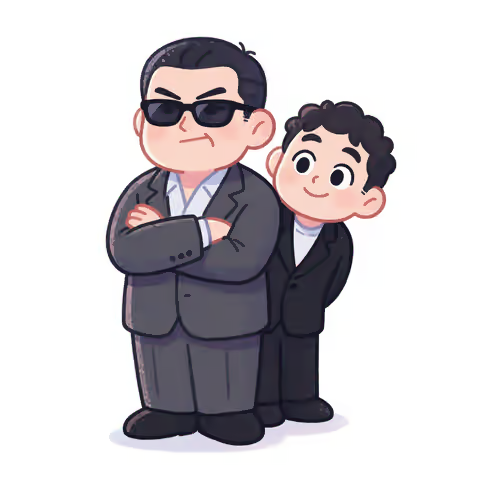
- CJK: 馬 = 马. Mandarin 马. JP 馬(うま). Animal is in every HSK list; today’s sentence is 馬仔 — a triad foot soldier. Dictionary “junior employee; gang follower.”
- Fun fact: 黑社會嘅馬. Not a paddock. 馬仔 is the usual two-character form; the card is the root 馬.
- Memorize: Low-rank triad, not a horse: 佢做咗黑社會嘅馬。
- Study tip: 馬. Today is the gang sense. Don’t answer 馬 the animal unless the sentence has 騎.
13. 唔畀(m4 bei2)
do not allow · tidak mengizinkan
Example: 業主唔畀我哋養狗。 — The landlord does not allow us to keep a dog.
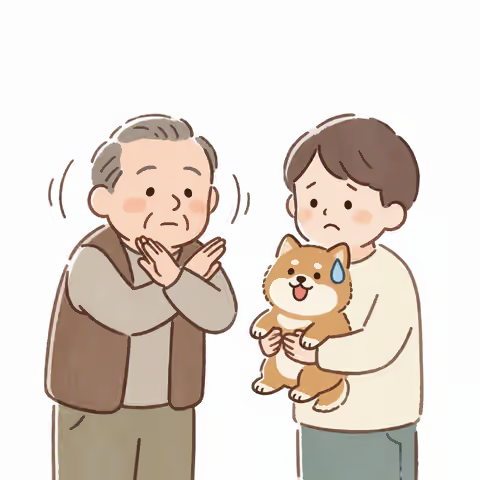
- CJK: 唔 = not. 畀 = Canto bei2 give / let. Mandarin 不给 / 不准. JP させてくれない. 畀 is the give-allow verb (Mandarin 给). Pair 唔夠. 業主 = landlord.
- Fun fact: 業主唔畀養狗. No-pets clause. 唔准 is “forbidden”; 唔畀 is “won’t let us.”
- Memorize: Landlord, dog, shake head: 業主唔畀我哋養狗。
- Study tip: 唔畀. Don’t answer 唔准 unless printed. Pair 唔夠. Reading m4 bei2.
14. 方法(fong1 faat3)
method · cara; metode
Example: 解決問題要用啱嘅方法。 — Solving problems requires the right method.

- CJK: 方 = 方. 法 = 法. Mandarin 方法. JP 方法(ほうほう). Pair 方面. 啱 = the right one. 辦法 is close; HSK/Canto both love 方法.
- Fun fact: 要用啱嘅方法. Toolkit, not 方面 “in terms of.” Same 方 as #11.
- Memorize: Problem, pick the right tool: 解決問題要用啱嘅方法。
- Study tip: 方法. Don’t answer 方面. Reading fong1 faat3.
15. 分別(fan1 bit6)
difference · perbedaan
Example: 呢種選舉同人大選舉有咩分別? — What's the difference between this kind of election and NPC elections?
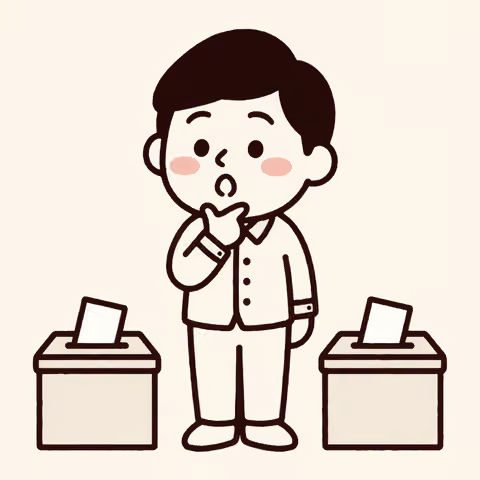
- CJK: 分 = 分. 別 = 别. Mandarin 分别 / 区别. JP 区別. 有咩分別 = what’s the difference. Also “to part ways” (分別) — today is the comparison, not a goodbye.
- Fun fact: 有咩分別. Two ballot types. 分手 is the breakup; don’t flash that.
- Memorize: Two ballots, question mark: 有咩分別?
- Study tip: 分別. Today is “difference.” Don’t answer 分手. Reading fan1 bit6.
16. 介意(gaai3 ji3)
to mind; to care (about) · keberatan; peduli
Example: 我開窗你介意唔介意? — Do you mind if I open the window?
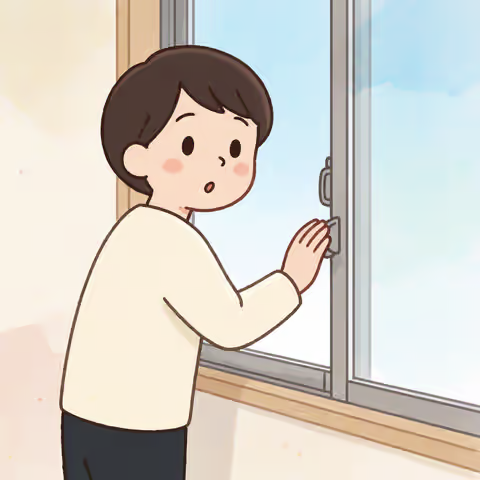
- CJK: 介 = 介. 意 = 意. Mandarin 介意. JP 気にする. Almost always in questions / negatives. 介意唔介意 is the A-not-A. 唔介意 = I don’t mind.
- Fun fact: 開窗你介意唔介意. Polite window check. Positive 我介意 is possible but marked; textbooks drill the question.
- Memorize: Hand on window latch: 我開窗你介意唔介意?
- Study tip: 介意. Pattern 介意唔介意 / 唔介意. Reading gaai3 ji3.
17. 遠(jyun5)
distant; far; remote · jauh; terpencil
Example: 咁遠我唔去,而家仲落緊雨。 — I won't go that far, especially since it's raining now.

- CJK: 遠 = 远. Mandarin 远. JP 遠い. Traditional 遠. Pair HSK 景区 (the crowd is there; you may not go 咁遠). Pair JP 雨 — rain in both sentences.
- Fun fact: 咁遠我唔去,仲落緊雨. Distance plus rain as the excuse. 遠 is the adjective; 遠處 is “the distance.”
- Memorize: Map pin far away, rain: 咁遠我唔去,而家仲落緊雨。
- Study tip: 遠. Don’t answer 近. Reading jyun5. Pair JP 雨.
18. 間房(gaan1 fong2)
a room · kamar
Example: 呢間房黑猛猛,光線透唔入。 — This room is pitch dark, no light gets through.

- CJK: 間 = classifier gaan1 / verb gaan3 partition. 房 = 房. Mandarin 房间. JP 部屋. Dictionary also “divide a room; charge per person.” Today is the dark room (classifier 間 + 房). 黑猛猛 = pitch dark.
- Fun fact: 呢間房黑猛猛. No window, no light. If you flash “split the flat into cubicles,” you hit the other 間 (gaan3).
- Memorize: Windowless room, black: 呢間房黑猛猛,光線透唔入。
- Study tip: 間房. Today is “this room.” Reading gaan1 fong2, not gaan3.
19. 拖(to1)
drag; delay · menyeret; menunda
Example: 唔好再拖功課,快啲做完。 — Don't keep delaying your homework, finish it quickly.

- CJK: 拖 = 拖. Mandarin 拖. JP 引き延ばす. Physical drag or procrastinate. Today is delay homework. 拖拖拉拉 is the reduplicated stall. Pair 易 — once you stop 拖, the work is 易.
- Fun fact: 唔好再拖功課. Deadline nag, not dragging a suitcase (also 拖). 快啲做完 is the fix.
- Memorize: Homework pile, stop stalling: 唔好再拖功課,快啲做完。
- Study tip: 拖. Today is delay. Don’t answer 慢. Reading to1.
20. 易(ji6)
easy · mudah
Example: 呢份功課好易。 — This homework is very easy.
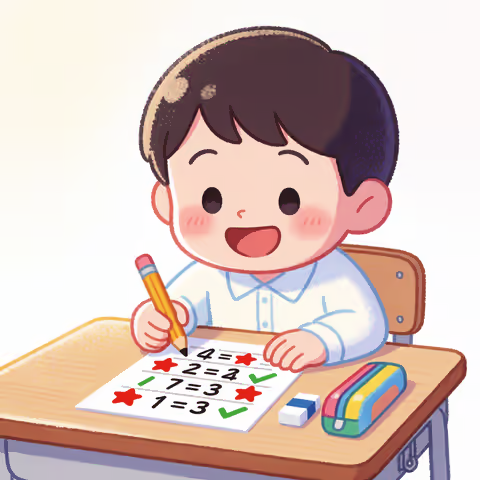
- CJK: 易 = 易. Mandarin 容易. JP 易しい(やさしい). Canto ji6 easy vs jik6 in 交易 / 貿易. Pair 拖 the same 功課. Antonym 難. Standalone 易 is fine; 容易 is also used.
- Fun fact: 呢份功課好易. After you stop 拖. If you flash 易經 or 貿易, wrong tone/reading.
- Memorize: Homework sheet, stamp 易: 呢份功課好易。
- Study tip: 易. Reading ji6, not jik6. Don’t answer 容易 unless printed. Pair 拖.