Korean
Hangul in one sitting
한국어
Hangul is the part of Korean that does not need a free month. Sejong's court published Hunminjeongeum in 1446. Modern spelling uses 14 basic consonants and 10 basic vowels. You assemble them into square blocks, one block per syllable.
Romanization below is Revised Romanization. It is a spelling of the Korean sound, not an English pronunciation. Initial ㄱ is a dry unaspirated k, and between vowels it goes soft, so RR writes g either way. Say the Hangul, then check the RR.
The block
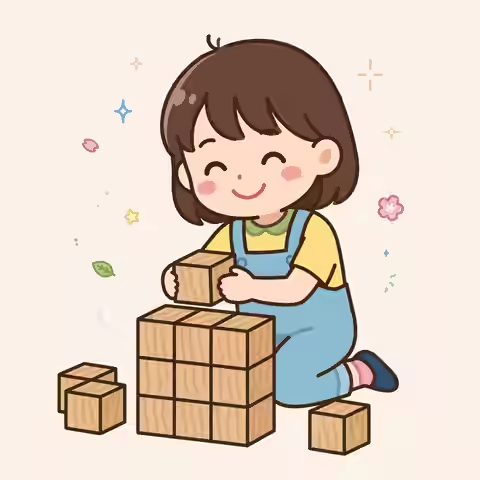
A syllable is one square:
- consonant + vowel: 가, 고
- consonant + vowel + final consonant (받침 batchim): 한, 국
- a silent ㅇ holds the left or top seat when the syllable starts with a vowel: 아 is just a, 안 is an
Vertical vowels sit to the right of the consonant. Horizontal vowels sit under it.
| Shape | Examples | Why |
|---|---|---|
| Right | 가 나 다 아 | ㅏ ㅓ ㅣ and their y-forms are vertical |
| Under | 고 노 두 오 | ㅗ ㅜ ㅡ and their y-forms are horizontal |
| Both | 와 위 의 | a compound vowel needs the second stroke too |
| Tail | 한 국 물 | batchim hangs at the bottom |
Spaces separate words, not syllables. 한국 is one word, two blocks.
Consonants
Five shapes do the work. An extra stroke is a puff of air. Doubling the letter makes it tight, with no puff.
| Base | +stroke | Tense | Sound |
|---|---|---|---|
| ㄱ | ㅋ | ㄲ | g/k, then aspirated k, then tight kk |
| ㄴ | ㄷ, and ㄷ→ㅌ | ㄸ | n, then d/t, then aspirated t, then tight tt |
| ㅁ | ㅂ, and ㅂ→ㅍ | ㅃ | m, then b/p, then aspirated p, then tight pp |
| ㅅ | ㅈ, and ㅈ→ㅊ | ㅆ ㅉ | s, then j, then aspirated ch, then tight ss / jj |
| ㅇ | ㅎ | silent at the start of a block, ng as batchim; ㅎ is h |
Read the basic fourteen as a row: ㄱ ㄴ ㄷ ㄹ ㅁ ㅂ ㅅ ㅇ ㅈ ㅊ ㅋ ㅌ ㅍ ㅎ.
ㄹ is the odd one. Between vowels it is a quick flap, like the tt in British butter. As batchim it is a clear l. 사람 saram, 물 mul.
The five tense letters are ㄲ ㄸ ㅃ ㅆ ㅉ. Say 가 then 까. The second one is the same place in the mouth, pressed, no breath.
Skip the four letters Sejong's alphabet later dropped (ㆍ ㅿ ㆁ ㆆ). You will not meet them in a menu.
Vowels
A short stroke is the whole system. The old dot sat beside a line; today the dot is that short stroke.
| Stroke | Letter | RR | Add a second stroke |
|---|---|---|---|
| right | ㅏ | a | ㅑ ya |
| left | ㅓ | eo | ㅕ yeo |
| above | ㅗ | o | ㅛ yo |
| below | ㅜ | u | ㅠ yu |
| the line itself | ㅣ | i | |
| the flat line | ㅡ | eu |
eo is the vowel in "son" if you drop the n, not the ee in "see". eu is the vowel you get saying "book" with your lips flat, not rounded. ㅡ and ㅜ are the pair people swap. Lips round for ㅜ.
Compounds are sums:
| Sum | Letter | RR | Sum | Letter | RR |
|---|---|---|---|---|---|
| ㅗ+ㅏ | ㅘ | wa | ㅜ+ㅓ | ㅝ | wo |
| ㅗ+ㅐ | ㅙ | wae | ㅜ+ㅔ | ㅞ | we |
| ㅗ+ㅣ | ㅚ | oe | ㅜ+ㅣ | ㅟ | wi |
| ㅏ+ㅣ | ㅐ | ae | ㅓ+ㅣ | ㅔ | e |
| ㅡ+ㅣ | ㅢ | ui |
In Seoul, ㅐ and ㅔ have collapsed into the same vowel. Spell them apart anyway. 외 is often said like we. 의 at the start of a word is ui; the possessive 의 is usually just e.
Batchim
At the end of a word, most consonants are unreleased. You close the mouth and don't pop the sound. Seven endings cover the singles you need today:
| You write | You end on |
|---|---|
| ㄱ ㅋ ㄲ | k |
| ㄴ | n |
| ㄷ ㅅ ㅆ ㅈ ㅊ ㅌ ㅎ | t |
| ㄹ | l |
| ㅁ | m |
| ㅂ ㅍ | p |
| ㅇ | ng |
So 낮, 낯, 낱 all end in the same unreleased t. The spelling still matters, because the letter wakes up when a vowel follows.
That is the one linking rule worth keeping. If the next block starts with ㅇ, the batchim jumps into that empty seat.
- 한국 han-guk — the ㄱ stays a tail, because 국 starts with ㄱ
- 한국어 han-gu-geo — 국어's ㄱ jumps onto 어
- 먹어요 meo-geo-yo — 먹's ㄱ jumps onto 어
Two consonants in one tail (닭, 값) exist. Leave them for the second sitting. They pick one of the seven sounds above, and the other letter waits for a vowel.
Read these

| Hangul | RR | Hangul | RR | |
|---|---|---|---|---|
| 가 | ga | 나 | na | |
| 고 | go | 우유 | uyu (milk) | |
| 사람 | saram (person) | 물 | mul (water) | |
| 한국 | hanguk (Korea) | 한국어 | hangugeo (Korean) | |
| 커피 | keopi (coffee) | 서울 | seoul | |
| 안녕 | annyeong | 네 | ne (yes) | |
| 아니요 | aniyo (no) | 안녕하세요 | annyeonghaseyo |
안녕하세요 is four blocks: 안 녕 하 세 요. ㄴ at the end of 안 meets ㄴ at the start of 녕, so you hear one long n: annyeong.
Half an hour
- Ten minutes on the consonant row, including the five tense doubles. Cover the RR and say the letter.
- Ten minutes on the stroke vowels. Right, left, above, below, then the y-form with a second stroke.
- Ten minutes reading the table out loud. When you hit 한국어, move the ㄱ.
After that, sound out shop signs one block at a time. Meaning can wait. The alphabet was the part that kept getting postponed, and it is the part that is finished once the blocks come apart.