Anki session
Japanese 2
日本語
- New
- 20
- Learn
- 0
- Review
- 131
Session: 20 new remaining of the 20/day cap · 0 learning waiting · 131 reviews due.
Click Japanese::Level2, not Level1. Level1 is review-only now. No learning queue today, so new cards mix into the 131 reviews.
This is a second sheet for today (HSK is 2026-09-24.md). Do not mix the decks in one Anki session.
Session plan
- One hundred and thirty-one reviews. When a new one pops, match it to the number below.
- Katakana pile: ポケット the wallet, チケット the park, テスト start now, プラスチック the cup, ナイフ the cut, おもちゃ the toy car.
- Verb cluster: 捨てる the trash, 磨く the shoes, 吸う a deep breath.
- Time pair: 日 summer days are long (ひ), 今朝 the headache started this morning (けさ).
- Formal stack: 状況 can’t depart, 規模 Japan’s biggest zoo, 改革 the administration, 教師 the high-school job (not 先生).
- Same-day mail: JP 受け取る the email vs HSK 转 forward it. Same inbox.
- Same-day tea: JP お茶を入れる vs HSK 提供 free tea.
- Sense traps: 日 is ひ daylight, not にち; 今朝 is けさ, not こんちょう; 何か is なにか; 畳 is たたみ, not じょう; 教師 is the occupation; 受け取る is not もらう; 真っ直ぐ today is the road, not “honest.”
1. 状況(じょうきょう)
state of affairs, conditions · situasi, keadaan
Example: この状況では出発は難しいです。 — It will be difficult to depart in these conditions.
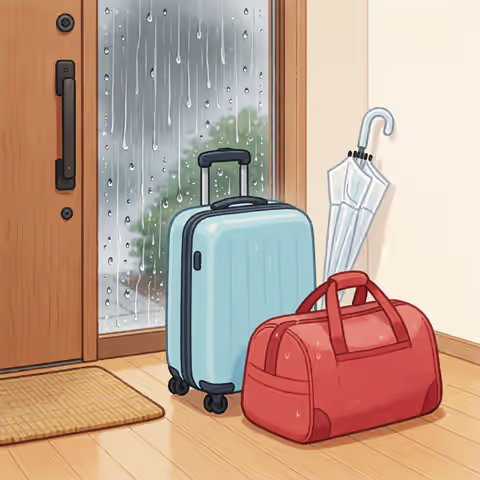
- CJK: 状 = 状. 況 = 况. Mandarin 状况 zhuàngkuàng. Canto 狀況 zong6 fong3. JP 状況 (news / briefing). 情況 exists but this deck prints 状況.
- Fun fact: 出発は難しい. Weather, strike, or paperwork — you don’t leave. 状況説明 is a status brief.
- Memorize: Packed bags, storm, “can’t go”: この状況では出発は難しいです。
- Study tip: 状況. Reading じょうきょう. Don’t answer 場合.
2. ポケット(ポケット)
pocket · saku
Example: 財布をポケットにしまった。 — I put my wallet in my pocket.
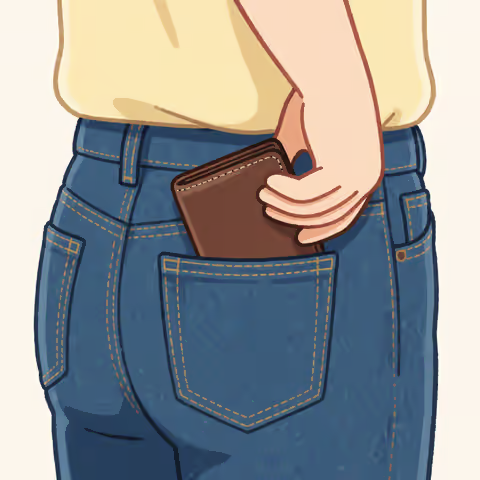
- CJK: Katakana pocket. Mandarin 口袋. Canto 袋仔. にしまう = tuck away. Not バッグ.
- Fun fact: 財布をポケットに. Hip pocket, wallet gone from the table. ポケットマネー is pocket money — HSK yesterday 零花钱.
- Memorize: Wallet sliding into a jeans pocket: 財布をポケットにしまった。
- Study tip: ポケット. Don’t answer 袋.
3. 受け取る(うけとる)
receive, understand · menerima
Example: 彼からメールを受け取りました。 — I got an email from him.

- CJK: 受 = 受. 取 = 取. Mandarin 收到 / 接收. Canto 收到. Same 受 as Canto 接受 today — that card is “accept an interview”; this is “receive mail.” Pair HSK 转.
- Fun fact: メールを受け取りました. Inbox ping. もらう is casual “get”; 受け取る is the verb on forms and mail.
- Memorize: Phone, new-mail banner: 彼からメールを受け取りました。
- Study tip: 受け取る. Don’t answer もらう. を受け取る.
4. 規模(きぼ)
scale, scope · skala, lingkup
Example: この動物園は日本一の規模です。 — This is the largest zoo in Japan.
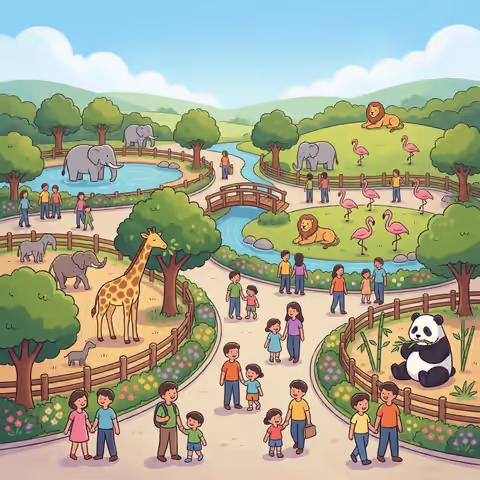
- CJK: 規 = 规. 模 = 模. Mandarin 规模. Canto 規模 kwai1 mou4. Same compound as HSK 规模. 日本一 = number one in Japan.
- Fun fact: 日本一の規模. Biggest zoo, not 一番好き. 大規模 / 小規模 are the usual adjectives.
- Memorize: Huge zoo map, “Japan’s biggest”: この動物園は日本一の規模です。
- Study tip: 規模. Reading きぼ. Don’t answer 大きさ.
5. チケット(チケット)
ticket · tiket
Example: この遊園地のチケットは3000円です。 — The tickets for this amusement park are 3000 yen.
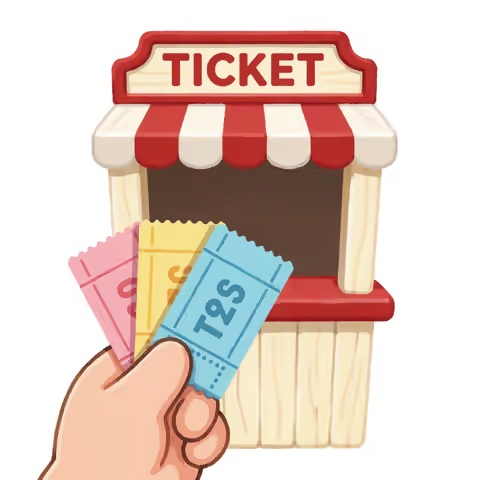
- CJK: Katakana ticket. Mandarin 票. Canto 飛 / 票. 切符 is the train stub; チケット is the amusement-park / event one.
- Fun fact: 遊園地のチケットは3000円. Gate price, not 入場料 as a word. Pair 規模 — both “a big outing.”
- Memorize: Theme-park ticket, ¥3000: この遊園地のチケットは3000円です。
- Study tip: チケット. Don’t answer 切符 unless it’s a train.
6. 教師(きょうし)
teacher, instructor · guru, pengajar
Example: 彼は高校教師だ。 — He's a high school teacher.

- CJK: 教 = 教. 師 = 师. Mandarin 教师. Canto 教師 gaau3 si1. Same compound. Everyday address is 先生; 教師 is the job title (高校教師).
- Fun fact: 高校教師だ. Occupation on a form, not “sensei!” in the hallway. Pair HSK 考生 — they sit; the 教師 writes the test.
- Memorize: Staff ID, 高校教師: 彼は高校教師だ。
- Study tip: 教師. Don’t answer 先生. Reading きょうし.
7. 畳(たたみ)
tatami, mat · tatami
Example: そのホテルには畳の部屋がある。 — That hotel has tatami rooms.
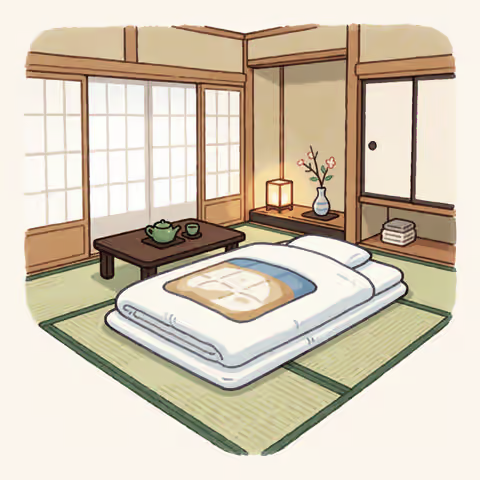
- CJK: 畳 is Japanese-only as this mat; Mandarin 榻榻米; Canto 榻榻米. Character 畳 ≈ 叠 “fold,” but read たたみ, never じょう here.
- Fun fact: 畳の部屋. Washitsu at the hotel, not a gym mat. Count with 畳 (じょう) as a counter for room size — different reading from this noun.
- Memorize: Hotel washitsu, rush mats: そのホテルには畳の部屋がある。
- Study tip: 畳. Reading たたみ. Don’t answer じょう.
8. 何か(なにか)
something, some · sesuatu
Example: 道に何か落ちています。 — Something has fallen on the road.
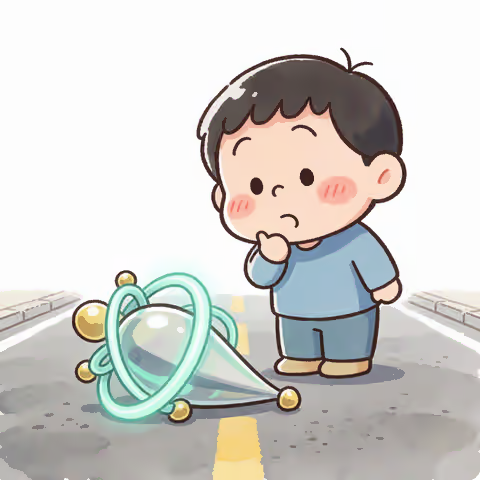
- CJK: 何 = 何. Mandarin 什么. Canto 啲嘢. Reading なにか, not なんか (casual) and not なん.
- Fun fact: 道に何か落ちています. Unidentified object in the road. 何も is the negative “nothing.”
- Memorize: Street, mystery blob: 道に何か落ちています。
- Study tip: 何か. Read なにか. Don’t answer 何.
9. 日(ひ)
sun, sunlight, day · matahari, hari
Example: 夏は日が長い。 — The days are long in summer.

- CJK: 日 = 日. Mandarin 日 / 太阳. Canto 日 jat6. This card is ひ daylight, not にち the calendar day and not か in 三日.
- Fun fact: 夏は日が長い. Long sun, not “many dates.” 日が沈む is sunset; 日差し is the rays.
- Memorize: Summer evening, still light: 夏は日が長い。
- Study tip: 日. Reading ひ. Don’t answer にち. Pair 今朝.
10. 今朝(けさ)
this morning · pagi ini
Example: 今朝から頭が痛い。 — I've had a headache since this morning.

- CJK: 今 = 今. 朝 = 朝. Mandarin 今天早上. Canto 今朝 gam1 ziu1. Japanese reading is irregular けさ, never こんちょう.
- Fun fact: 今朝から頭が痛い. Started this morning, still going. 今朝 is the block of time; 朝 is mornings in general.
- Memorize: Alarm, hand on forehead: 今朝から頭が痛い。
- Study tip: 今朝. Reading けさ. Don’t answer きょうのあさ. Pair 日.
11. テスト(テスト)
test, exam · tes, ujian
Example: テストを始めてください。 — Please start the test.
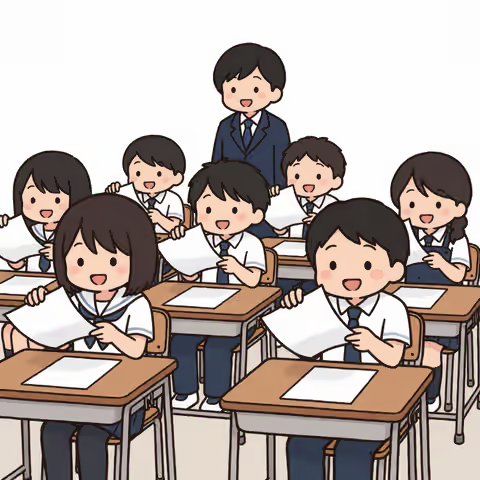
- CJK: Katakana test. Mandarin 测验 / 考试. Canto 測驗. 試験 is the more formal exam; テスト is the classroom one. Pair HSK 考生.
- Fun fact: テストを始めてください. Proctor line. テストする can also mean “try out a machine.”
- Memorize: “Begin,” papers flip: テストを始めてください。
- Study tip: テスト. Don’t answer 試験 unless printed.
12. プラスチック(プラスチック)
plastic · plastik
Example: このカップはプラスチックです。 — This cup is plastic.
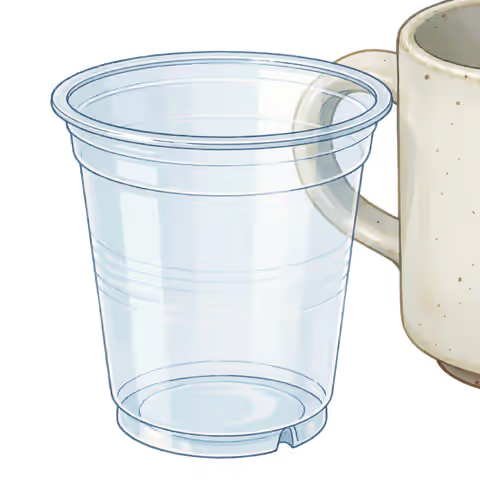
- CJK: Katakana plastic. Mandarin 塑料. Canto 塑膠. ビニール is vinyl / soft wrap; プラスチック is the hard cup.
- Fun fact: カップはプラスチック. Not ガラス. Recycle bin プラ.
- Memorize: Light cup, recycling mark: このカップはプラスチックです。
- Study tip: プラスチック. Don’t answer ビニール.
13. 捨てる(すてる)
discard, abandon · membuang, meninggalkan
Example: ゴミを捨ててください。 — Please throw away the garbage.
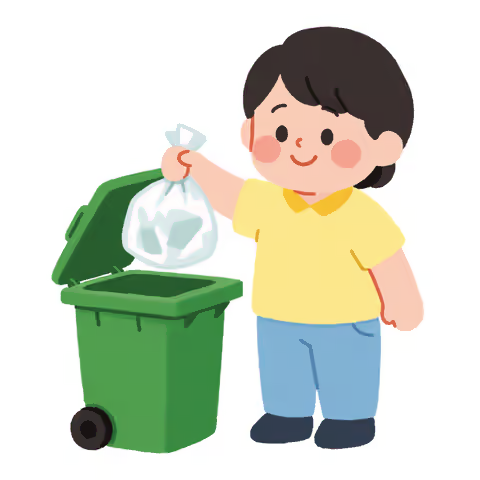
- CJK: 捨 = 舍. Mandarin 扔 / 丢掉. Canto 掉 / 執走. Today is trash. 人を捨てる is abandon a person — not this sentence.
- Fun fact: ゴミを捨てて. Kitchen bin, not 置く on the floor. ゴミ箱 is the can.
- Memorize: Bag of ゴミ into the bin: ゴミを捨ててください。
- Study tip: 捨てる. Reading すてる. Don’t answer 捨てます as the dictionary form.
14. ナイフ(ナイフ)
knife · pisau
Example: ナイフで手を切った。 — I cut my hand with a knife.
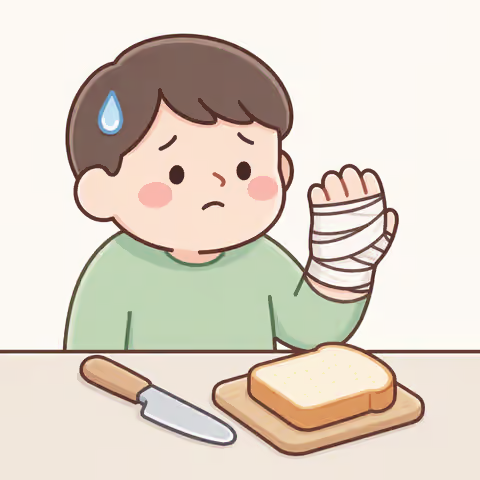
- CJK: Katakana knife. Mandarin 刀. Canto 刀. 包丁 is the kitchen chef’s knife; ナイフ is the Western / table one. Pair HSK 血 — same injury picture.
- Fun fact: 手を切った. Accident, not cooking skill. 切る takes で for the tool.
- Memorize: Bandage, table knife: ナイフで手を切った。
- Study tip: ナイフ. Don’t answer 包丁.
15. 磨く(みがく)
polish, grind · memoles, menggosok
Example: 靴を磨いてください。 — Please polish your shoes.
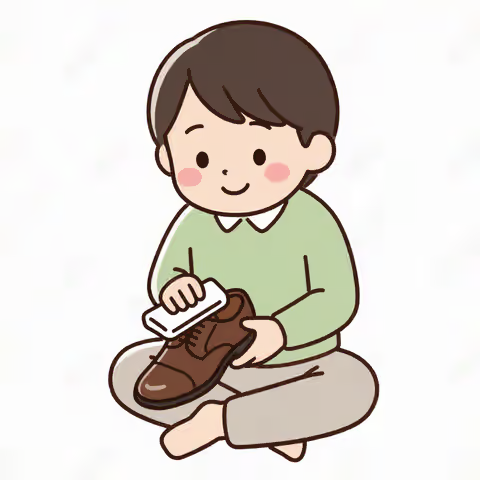
- CJK: 磨 = 磨. Mandarin 擦 / 磨. Canto 擦. Famous compound 歯を磨く; this card is 靴. Same verb, different object.
- Fun fact: 靴を磨いて. Shoe-shine, not toothpaste. 腕を磨く is “hone a skill.”
- Memorize: Cloth, shiny shoes: 靴を磨いてください。
- Study tip: 磨く. Reading みがく. Object is shoes today, not teeth.
16. 吸う(すう)
inhale, suck · menghirup, mengisap
Example: 彼は大きく息を吸った。 — He took a deep breath.

- CJK: 吸 = 吸. Mandarin 吸. Canto 吸 kap1. 息を吸う = inhale; タバコを吸う = smoke. This sentence is breath.
- Fun fact: 大きく息を吸った. Before diving / before speaking. 吐く is the exhale.
- Memorize: Chest up, deep breath: 彼は大きく息を吸った。
- Study tip: 吸う. Reading すう. Today is breath, not cigarettes.
17. 真っ直ぐ(まっすぐ)
dead straight, honestly · lurus, jujur
Example: この道を真っ直ぐ行ってください。 — Please go straight along this road.
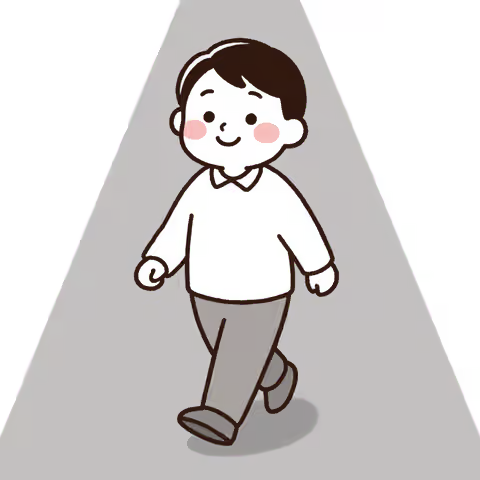
- CJK: 真 = 真. 直 = 直. Mandarin 一直走. Canto 直行. Two senses: geometry (this card) and “frank.” Directions take を真っ直ぐ行く.
- Fun fact: 真っ直ぐ行って. No turn. まっすぐな人 is an honest person — not today’s picture.
- Memorize: Arrow straight down the road: この道を真っ直ぐ行ってください。
- Study tip: 真っ直ぐ. Reading まっすぐ. Today is the road.
18. おもちゃ(おもちゃ)
toy, plaything · mainan
Example: 赤ちゃんが自動車のおもちゃで遊んでいる。 — The baby's playing with the toy car.
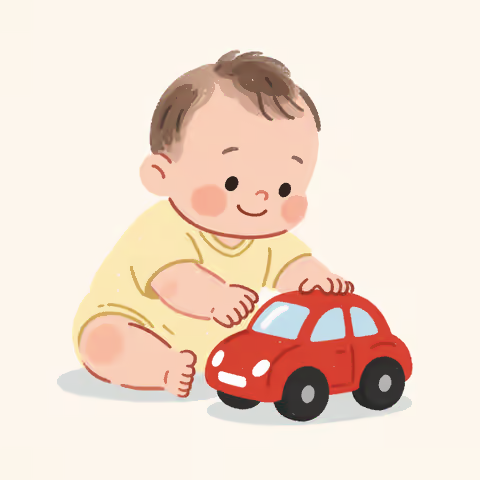
- CJK: Usually hiragana; kanji 玩具. Mandarin 玩具. Canto 玩具. で遊ぶ = play with.
- Fun fact: 自動車のおもちゃ. Toy car, not a real 自動車. おもちゃ箱 is the chest.
- Memorize: Baby, toy car on the floor: 赤ちゃんが自動車のおもちゃで遊んでいる。
- Study tip: おもちゃ. Don’t answer ゲーム.
19. 改革(かいかく)
reform · reformasi
Example: 彼は行政を改革したいと思っている。 — He wants to reform the administration.
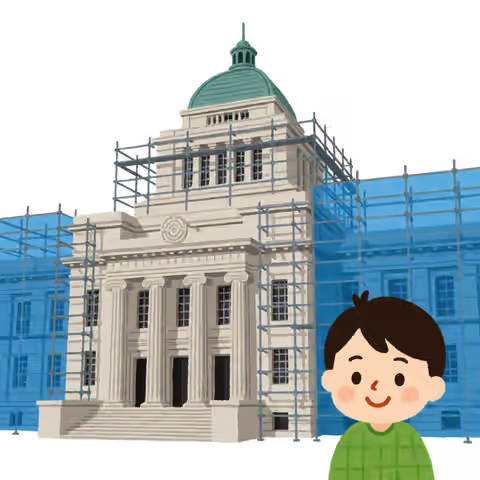
- CJK: 改 = 改. 革 = 革. Mandarin 改革. Canto 改革 goi2 gaak3. Same compound as HSK. 行政 = public administration.
- Fun fact: 行政を改革したい. Policy, not 変える your haircut. 改革派 is a reformist.
- Memorize: Government building, “reform” banner: 彼は行政を改革したいと思っている。
- Study tip: 改革. Reading かいかく. Don’t answer 変更.
20. お茶(おちゃ)
tea (polite) · teh (sopan)
Example: お茶を入れましょうか。 — Shall I make tea?
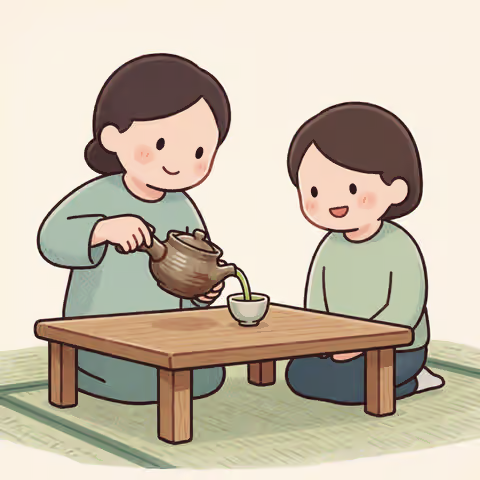
- CJK: 茶 = 茶. Mandarin 茶. Canto 茶 caa4. お is the polite prefix. お茶を入れる = brew / pour tea, not 作る. Pair HSK 提供 — they provide it; you 入れる it.
- Fun fact: お茶を入れましょうか. Guest-host line. お茶する is “grab tea / a light outing.”
- Memorize: Kyusu, “shall I pour?”: お茶を入れましょうか。
- Study tip: お茶. Verb is 入れる. Don’t answer 茶 alone unless printed.