Anki session
HSK 4
汉语
- New
- 20
- Learn
- 0
- Review
- 145
Session: 20 new remaining of the 20/day cap · 0 learning waiting · 145 reviews due.
Click HSK::Level 4, not the parent HSK. No learning queue, so new cards mix into the 145 reviews.
Session plan
- One hundred and forty-five reviews. When a new one pops, match it to the number below.
- Music pair: 拉 the violin, 歌声 the singing voice — same concert, two cards.
- Fee pair: 收费 the verb at the bridge, 费 the noun you pay online.
- Time pair: 之后 eat after the meeting vs 提前 leave an hour early. Opposite directions on the clock.
- Give pair: 提供 free tea at the restaurant vs 交 friends at the new school.
- Digital pair: 转 forward the email to Manager Wang, 视频 already watched three times.
- Sense traps: 拉 today is the violin, not 拉手 and not 拉肚子; 连 is three wins in a row, not 连…都 “even”; 血 is colloquial xiě in this wound story, not dictionary xuè; 转 is zhuǎn forward, not zhuàn spin; 交 is 交朋友, not 交作业; 留下 is stay tonight, not leave a bag behind.
- Leftovers: 有趣 the kids’ story, 考生 nervous at the hall, 许多 homework, 馒头 breakfast, 毛巾 the towel, 错误 one mistake, 父女 the lookalike pair.
1. 有趣(yǒuqù)
interesting; fascinating; amusing · menarik; lucu
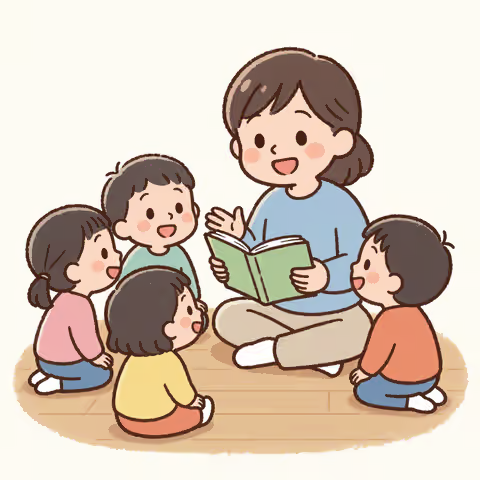
Example: 这个故事很有趣,孩子们都爱听。 — This story is very interesting; the kids all love listening to it.
- CJK: 有 = 有. 趣 = 趣. JP 面白い. Canto 有趣 jau5 ceoi3. 有意思 is “meaningful / worth thinking about”; 有趣 is the fun one kids stay for.
- Fun fact: 孩子们都爱听. Bedtime story, not a research paper. 有趣的人 is a fun person; 兴趣 is the interest you have in a subject.
- Memorize: Kids leaning in for a story: 这个故事很有趣,孩子们都爱听.
- Study tip: 有趣. Don’t answer 有意思 unless printed.
2. 留下(liúxia)
to leave behind; to stay behind · tinggal; meninggalkan
Example: 你今晚留下吧。 — Stay here tonight.

- CJK: 留 = 留. 下 = 下. JP 残る / 残す. Canto 留低 lau4 dai1. Two directions: stay (person) vs leave behind (object). Tonight’s sentence is stay.
- Fun fact: 你今晚留下吧. Guest-room offer, not “leave your bag.” 留下来 is the same stay; 留下电话 is “leave a number.”
- Memorize: Night, spare futon, “stay”: 你今晚留下吧.
- Study tip: 留下. Reading liúxia (neutral xia). Today is stay, not abandon.
3. 考生(kǎoshēng)
exam candidate · peserta ujian
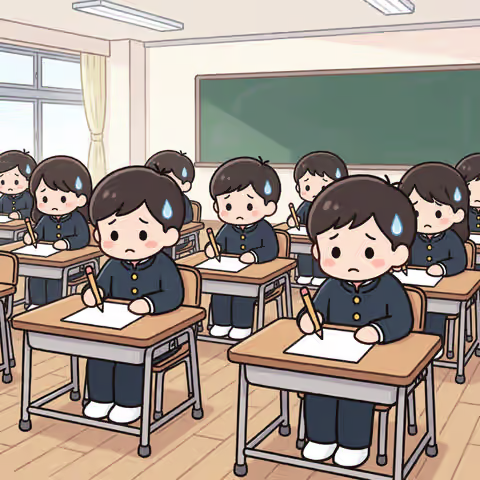
Example: 考生们都很紧张。 — The exam candidates are all very nervous.
- CJK: 考 = 考. 生 = 生. JP 受験生. Canto 考生 haau2 saang1. Not 学生. The 生 is “person in this role,” like 医生.
- Fun fact: 考生们都很紧张. Exam-hall row, pencils out. 报考 is “register for the exam”; the card is the person sitting it.
- Memorize: Silent hall, everyone tense: 考生们都很紧张.
- Study tip: 考生. Don’t answer 学生. Pair JP テスト later today.
4. 许多(xǔduō)
many; a lot of; much · banyak
Example: 这两天我有许多作业,所以没时间出去。 — I've got a lot of homework these two days, so I don't have time to go out.

- CJK: 许 = 許. 多 = 多. JP たくさん. Canto 許多 heoi2 do1. A notch more written than 很多; HSK still wants 许多.
- Fun fact: 有许多作业. Homework pile, two days, no outing. 许多 is the quantity; 好久 is the time.
- Memorize: Desk buried in worksheets: 这两天我有许多作业,所以没时间出去.
- Study tip: 许多. Don’t answer 很多 unless printed. 许 is xǔ (3rd).
5. 拉(lā)
to pull; to play (a bowed instrument) · menarik; menggesek (biola)
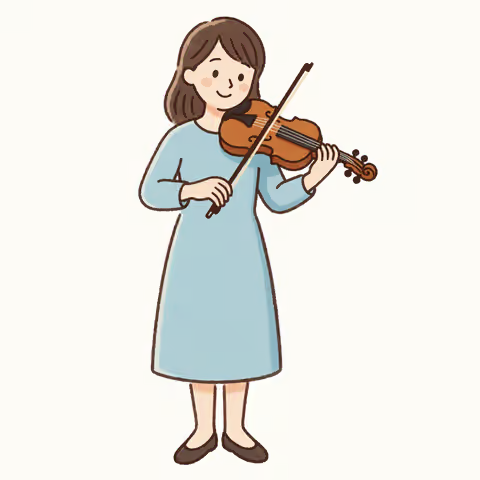
Example: 她会拉小提琴。 — She can play the violin.
- CJK: 拉 = 拉. JP 弾く for violin (not 引く). Canto 拉 laai1. Same character, different verb: Mandarin 拉小提琴, Japanese バイオリンを弾く (yesterday’s バイオリン).
- Fun fact: 拉小提琴. Bowed instruments take 拉; piano is 弹. 拉手 is pull a hand; 拉肚子 is the slang you do not put on this card.
- Memorize: Bow on a violin: 她会拉小提琴.
- Study tip: 拉. Today is the violin. Don’t answer 弹. Pair 歌声.
6. 连(lián)
to link; continuously; even · berturut-turut; bahkan
Example: 他连赢了三场比赛。 — He won three games in a row.

- CJK: 连 = 連. JP 連続 / さえ. Canto 連 lin4. Two HSK uses: consecutive 连赢, and 连…都 “even.” This sentence is the streak.
- Fun fact: 连赢了三场. Three in a row, not “he even won.” 连接 is “connect cables.”
- Memorize: Scoreboard 1–2–3 wins: 他连赢了三场比赛.
- Study tip: 连. Today is “in a row.” Don’t jump to 连…都 unless the sentence has 都/也.
7. 歌声(gēshēng)
singing voice · suara nyanyian
Example: 她的歌声很美。 — Her singing voice is really lovely.

- CJK: 歌 = 歌. 声 = 聲. JP 歌声(うたごえ). Canto 歌聲 go1 seng1. The voice, not 歌曲 the song track. Pair 拉 — she bows, she sings.
- Fun fact: 歌声很美. You hear the person, not the MP3. 歌星 is a pop star; the card is the sound.
- Memorize: One person singing, beautiful tone: 她的歌声很美.
- Study tip: 歌声. Don’t answer 歌. Pair 拉.
8. 馒头(mántou)
steamed bun · roti kukus
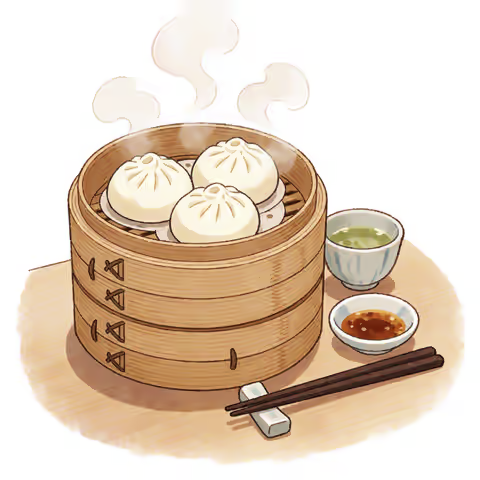
Example: 我早上吃馒头。 — I eat steamed buns in the morning.
- CJK: 馒 = 饅. 头 = 頭. JP マントウ. Canto 饅頭 maan4 tau4. No filling — 包子 is the stuffed one. Classifier 个.
- Fun fact: 早上吃馒头. Northern breakfast, plain white bun. If you picture char siu bao, you answered 包子.
- Memorize: Bamboo steamer, white buns, morning: 我早上吃馒头.
- Study tip: 馒头. Reading mántou (neutral tou). Don’t answer 包子.
9. 血(xiě)
blood · darah
Example: 他打球的时候受伤了,流了好多血。 — He got hurt while playing ball and bled a lot.

- CJK: 血 = 血. JP 血(ち). Canto 血 hyut3. Two Mandarin readings: colloquial xiě (this wound), dictionary/medical xuè (血压, 血型). The card prints xiě.
- Fun fact: 流了好多血. Playground cut, not a lab report. 出血 is the verb-object; 血 is the noun.
- Memorize: Soccer, scraped knee, red: 他打球的时候受伤了,流了好多血.
- Study tip: 血. Read xiě on this card. Don’t answer xuè unless it’s 血压.
10. 之后(zhīhòu)
after; afterwards · setelah
Example: 会议结束之后,咱们一起吃饭吧。 — After the meeting ends, let's go eat together.
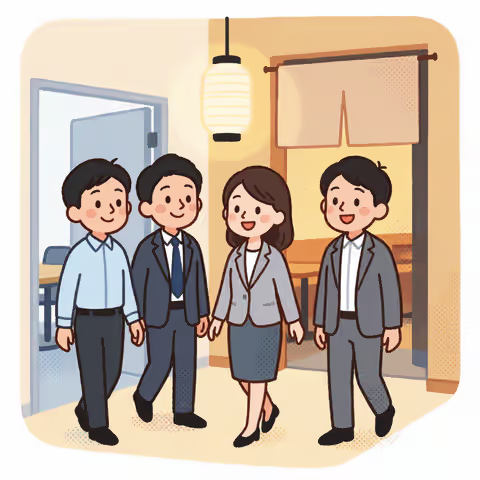
- CJK: 之 = 之. 后 = 後. JP の後. Canto 之後 zi1 hau6. Cousin of 以后; a bit more “after that point.” Pair 提前 — after vs ahead of.
- Fun fact: 会议结束之后. Calendar: meeting, then lunch. 之前 is the mirror.
- Memorize: Meeting adjourns, restaurant: 会议结束之后,咱们一起吃饭吧.
- Study tip: 之后. Don’t answer 以后 unless printed. Pair 提前.
11. 收费(shōufèi)
to charge a fee · memungut biaya
Example: 过桥要收费,你们带钱了吗? — There's a fee to cross the bridge—did you bring money?
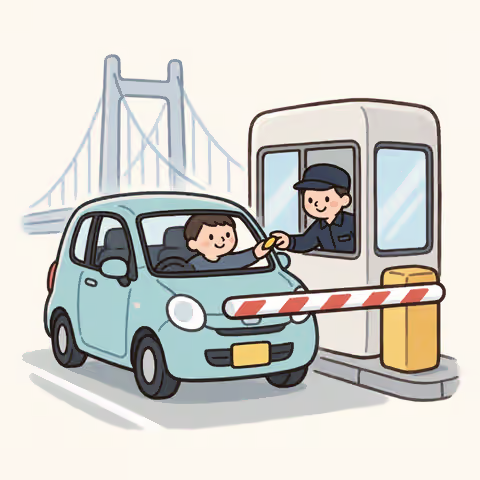
- CJK: 收 = 收. 费 = 費. JP 料金を取る. Canto 收費 sau1 fai3. Verb “to charge.” Pair 费 later — that card is the noun.
- Fun fact: 过桥要收费. Toll booth, not 免费. 收费站 is the plaza; 收费员 takes the money.
- Memorize: Bridge toll, “did you bring cash?”: 过桥要收费,你们带钱了吗?
- Study tip: 收费. Verb. Don’t answer 钱. Pair 费.
12. 毛巾(máojīn)
towel · handuk
Example: 请把那条毛巾给我。 — Please give me the towel.
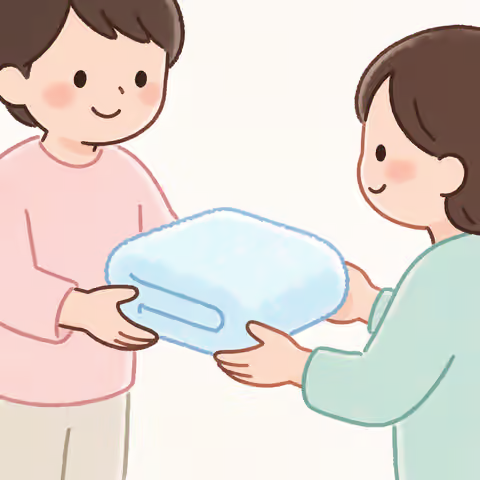
- CJK: 毛 = 毛. 巾 = 巾. JP タオル. Canto 毛巾 mou4 gan1. Classifier 条. Japanese 手紙 is a letter — do not map 巾 to that.
- Fun fact: 那条毛巾. Bath / gym towel. 纸巾 is tissue; 浴巾 is the bath sheet.
- Memorize: Handing over a folded towel: 请把那条毛巾给我.
- Study tip: 毛巾. Classifier 条. Don’t answer 布.
13. 转(zhuǎn)
to turn; to forward (mail) · meneruskan; berputar
Example: 请帮我把这封邮件转给王经理。 — Please help me forward this email to Manager Wang.

- CJK: 转 = 轉. JP 転送する. Canto 轉 zyun2. Two readings: zhuǎn change direction / forward (this card), zhuàn revolve (转圈, rpm). Pair JP 受け取る — someone has to receive the mail you 转.
- Fun fact: 转给王经理. Forward, not “spin the chair.” 转发 is the internet share; 转车 is change trains.
- Memorize: Inbox, forward to 王经理: 请帮我把这封邮件转给王经理.
- Study tip: 转. Read zhuǎn. Don’t answer zhuàn. Pair 视频.
14. 视频(shìpín)
video · video
Example: 这个视频我已经看了三遍了,还想再看。 — I've already watched this video three times, and I still want to watch it again.

- CJK: 视 = 視. 频 = 頻. JP ビデオ. Canto 影片 / 視頻. Mainland 视频; Taiwan often 影片. Classifier 个 / 条.
- Fun fact: 看了三遍了,还想再看. Loop, not 电影 the cinema film. 视频通话 is a video call.
- Memorize: Replay button, third watch: 这个视频我已经看了三遍了,还想再看.
- Study tip: 视频. Don’t answer 电影. Pair 转.
15. 提供(tígōng)
to offer; to supply; to provide · menyediakan
Example: 这家餐厅可以为客人提供免费的茶。 — This restaurant can provide free tea for customers.
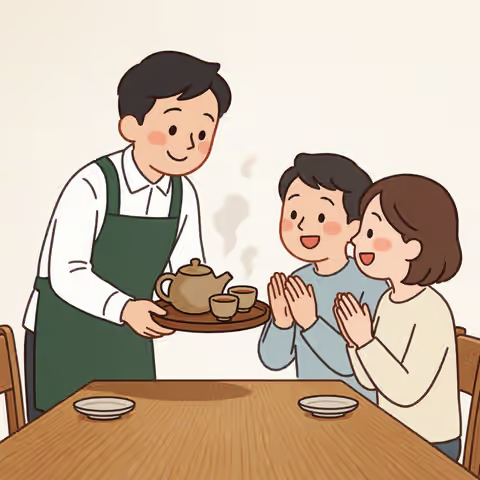
- CJK: 提 = 提. 供 = 供. JP 提供(ていきょう). Canto 提供 tai4 gung1. Same two characters as Japanese. Pair JP お茶 later — they make tea; this restaurant provides it free.
- Fun fact: 提供免费的茶. Complimentary, not 卖茶. 供 is gōng here, not gòng 上供.
- Memorize: Waiter, free teapot: 这家餐厅可以为客人提供免费的茶.
- Study tip: 提供. Reading tígōng. Don’t answer 给. Same 提 as 提前.
16. 交(jiāo)
to hand over; to make friends · berteman; menyerahkan
Example: 到了新学校以后,他交了很多朋友。 — After coming to the new school, he made a lot of friends.
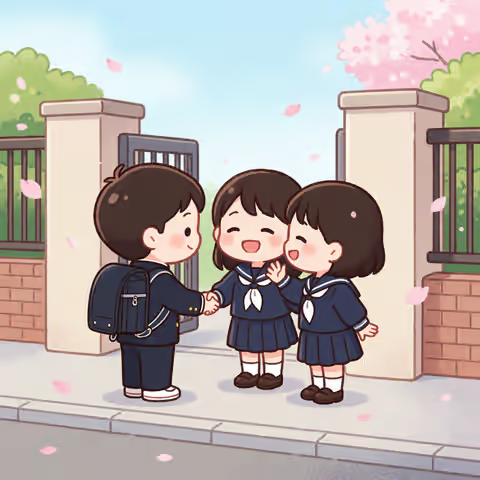
- CJK: 交 = 交. JP 友達を作る / 渡す. Canto 交 gaau1. Today is 交朋友, not 交作业 and not 交通.
- Fun fact: 交了很多朋友. New-school week. 交流 is exchange; 交易 is a deal.
- Memorize: Campus, new classmates, handshake: 到了新学校以后,他交了很多朋友.
- Study tip: 交. Today is friends. Don’t answer 交作业.
17. 错误(cuòwù)
mistake; error; wrong · kesalahan
Example: 我发现了一个错误。 — I found a mistake.
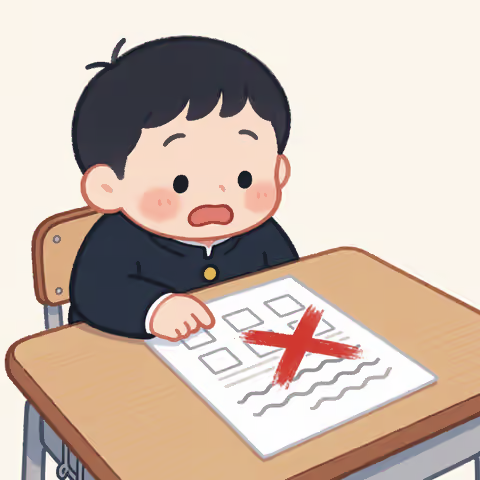
- CJK: 错 = 錯. 误 = 誤. JP 間違い / 誤り. Canto 錯誤 co3 ng6. A bit formal; spoken often just 错. Classifier 个.
- Fun fact: 发现了一个错误. Proofreading, not 错了 as a one-word oops. 错误的答案 is a wrong answer.
- Memorize: Red circle on a worksheet: 我发现了一个错误.
- Study tip: 错误. Don’t answer 错 unless that’s all that’s printed.
18. 提前(tíqián)
ahead of time; in advance · lebih awal
Example: 明天我们得提前一个小时出发。 — Tomorrow we need to leave an hour ahead of time.
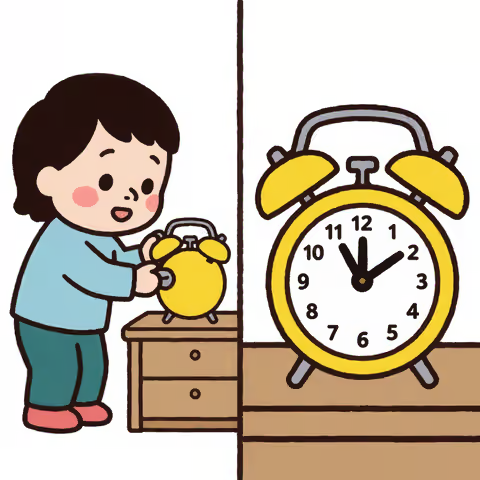
- CJK: 提 = 提. 前 = 前. JP 前倒しにする. Canto 提前 tai4 cin4. Shift earlier. Opposite 推迟. Pair 之后 — early vs after.
- Fun fact: 提前一个小时出发. Alarm moved up, not 准时. Same 提 as 提供.
- Memorize: Clock pulled back one hour: 明天我们得提前一个小时出发.
- Study tip: 提前. Don’t answer 早. Pair 之后.
19. 费(fèi)
fee; to cost; expenses · biaya
Example: 这些费用你都可以通过网上支付。 — You can pay all these fees online.

- CJK: 费 = 費. JP 費 / 料金. Canto 費 fai3. Noun (学费, 网费) and verb “cost / waste.” Pair 收费 — that card charges you; this card is the bill.
- Fun fact: 这些费用…网上支付. Online bill pay. 费时间 is “it takes time”; 浪费 is waste.
- Memorize: Phone, pay-all-fees button: 这些费用你都可以通过网上支付.
- Study tip: 费. Noun on this card. Pair 收费.
20. 父女(fùnǚ)
father and daughter · ayah dan anak perempuan
Example: 这对父女长得很像。 — This father and daughter look very alike.
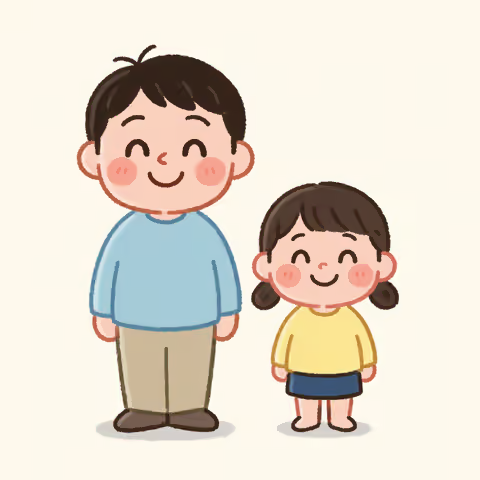
- CJK: 父 = 父. 女 = 女. JP 父娘. Canto 父女 fu6 neoi5. The pair as a unit, not 女儿 alone. 母女 / 父子 are the other pairs.
- Fun fact: 长得很像. Same face, two generations. Classifier 对.
- Memorize: Two similar faces, dad and daughter: 这对父女长得很像.
- Study tip: 父女. Don’t answer 女儿. Reading fùnǚ (nǚ, ü).