Anki session
Cantonese 2
廣東話
- New
- 20
- Learn
- 0
- Review
- 77
Session: 20 new remaining of the 20/day cap · 0 learning waiting · 77 reviews due.
Click Cantonese::Level2, not Level1. Level1 is review-only now. No learning queue today, so new cards mix into the 77 reviews.
This is a third sheet for today (HSK is 2026-09-24.md, Japanese is 2026-09-24-japanese-level2.md).
Session plan
- Seventy-seven reviews. Clear those as they come; the new twenty mix in.
- Ignore pair: 剩係 he only talks big, 理 don’t bother with him — same loud guy, two cards.
- Tech pair: 電腦 write a program, 科技 the stocks.
- Problem pair: 存在 the issue is still there, 解決 fix it fast.
- Hands: 推 the table, 掛 hang it up, 執 tidy the room.
- People: 大佬 dude, 阿嫂 sister-in-law.
- Body: 喊 the baby cries, 唔舒服 stay in.
- Same-day JP 受け取る the email vs Canto 接受 the interview — 受 is “take in,” different objects.
- Sense traps: 喊 is Canto cry, Mandarin 喊 is shout; 多數 today is “usually,” not a vote majority; 眼前 is “right now” the task; 靠 is rely on parents; 敬 is respect (the card’s English dump doesn’t contain it).
1. 推(teoi1)
to push; to promote · mendorong; mempromosikan
Example: 可唔可以幫我推張枱呀? — Can you help me push the table?
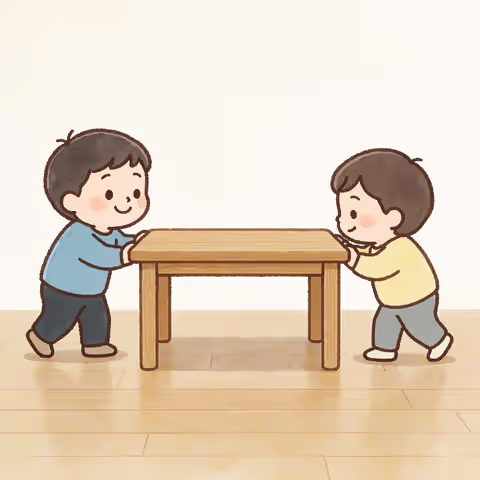
- CJK: 推 = 推. Mandarin 推 tuī. JP 押す. Opposite of 拉. Canto also 推廣 “promote”; this sentence is furniture.
- Fun fact: 推張枱. Slide the table, not 拉. 推薦 is recommend; the card is the shove.
- Memorize: Two people sliding a table: 可唔可以幫我推張枱呀?
- Study tip: 推. Reading teoi1. Don’t answer 拉. Pair 掛 / 執.
2. 剩係(zing6 hai6)
only; merely · hanya; cuma
Example: 嗰個人剩係講大話,唔使理佢。 — That guy only talks big; no need to pay attention to him.

- CJK: 剩 = 剩. 係 = 是. Mandarin 只是. JP ただ〜だけ. Canto-only glue 剩係. Pair 理 in the same sentence.
- Fun fact: 剩係講大話. All talk. 淨係 is the same “only”; the deck prints 剩係.
- Memorize: Loud guy, everyone ignoring him: 嗰個人剩係講大話,唔使理佢.
- Study tip: 剩係. Don’t answer 淨係 unless printed. Pair 理.
3. 喊(haam3)
to cry; to shout; to call · menangis; berteriak
Example: 個bb喊得好大聲。 — The baby is crying very loudly.

- CJK: 喊 = 喊. Mandarin 喊 is shout; Canto 喊 in this sentence is cry (Mandarin 哭). JP 泣く. This is the classic Canto trap.
- Fun fact: bb喊得好大聲. Tears, not a protest chant. 喊驚 is “cry from fright.”
- Memorize: Red-faced baby, wailing: 個bb喊得好大聲.
- Study tip: 喊. Canto cry ≠ Mandarin shout. Don’t answer 哭 unless printed.
4. 理(lei5)
reason; to care about · alasan; peduli
Example: 唔使理佢講咩,佢成日都係咁。 — No need to care what he says, he's always like that.
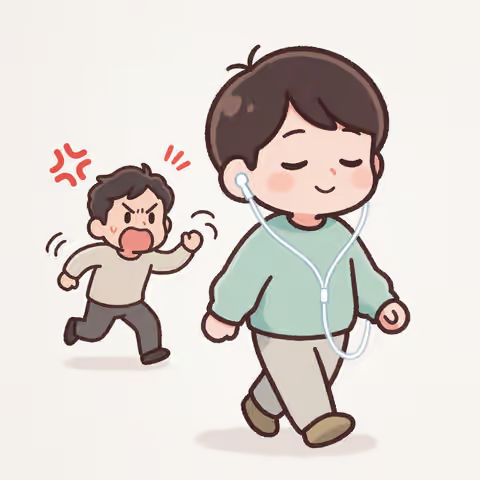
- CJK: 理 = 理. Mandarin 理 / 理会. JP 構う. 唔使理 = don’t engage. Pair 剩係 — same blowhard.
- Fun fact: 唔使理佢. Walk away. 冇道理 is “makes no sense”; today’s 理 is the verb “heed.”
- Memorize: Earphones in, ignoring the rant: 唔使理佢講咩,佢成日都係咁.
- Study tip: 理. Pattern 唔使理. Pair 剩係.
5. 掛(gwaa3)
to hang; to put up · menggantung
Example: 個麵包舖老闆以為我係傷殘人士,就幫我掛上去。 — The bakery owner thought I was disabled and helped me hang it up.

- CJK: 掛 = 挂. Mandarin 挂. JP 掛ける. Hang a bag / coat / sign. Not 掛住 “thinking of.”
- Fun fact: 幫我掛上去. Hook on the wall. Odd bakery sentence — still the verb 掛.
- Memorize: Coat hook, someone hanging it for you: 幫我掛上去.
- Study tip: 掛. Reading gwaa3. Don’t answer 吊. Pair 推 / 執.
6. 執(zap1)
to pick up; to tidy · mengambil; merapikan
Example: 去執好間房啦,好亂。 — Go tidy up your room, it's messy.
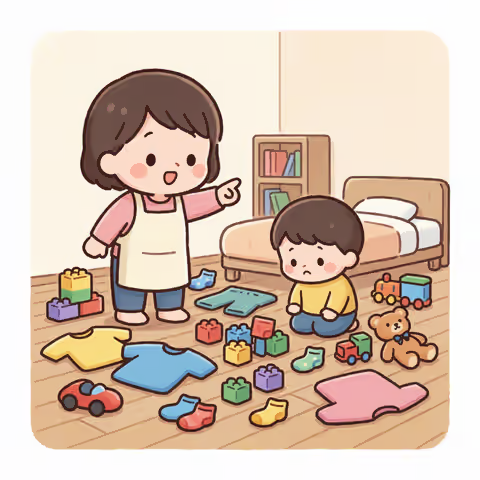
- CJK: 執 = 执. Mandarin 收拾 / 捡. JP 片付ける. Canto 執 = tidy / pick up, not 執法 the law.
- Fun fact: 執好間房. Mum line. 執藥 is pick up a prescription; 執笠 is a shop closing — different 執.
- Memorize: Messy bedroom, “tidy it”: 去執好間房啦,好亂.
- Study tip: 執. Today is tidy. Don’t answer 收拾.
7. 電腦(din6 nou5)
computer · komputer
Example: 你唔使自己改。我可以寫個電腦程式幫你。 — You don't need to do it yourself. I can write a computer program to help you.

- CJK: 電 = 电. 腦 = 脑. Mandarin 电脑. JP コンピューター. 電腦程式 = program. Pair 科技.
- Fun fact: 寫個電腦程式. Code, not the laptop chassis. 手提電腦 is the notebook.
- Memorize: Laptop, terminal window: 我可以寫個電腦程式幫你.
- Study tip: 電腦. Don’t answer 計算機 (that’s a calculator in Canto). Pair 科技.
8. 多數(do1 sou3)
most; mostly; usually · kebanyakan; biasanya
Example: 週末我哋多數瞓得好夜。 — We usually sleep very late on weekends.

- CJK: 多 = 多. 數 = 数. Mandarin 大多 / 通常. JP たいてい. On this card 多數 = usually, not a parliament majority.
- Fun fact: 多數瞓得好夜. Weekend habit. 大多數人 is “most people” — different shape.
- Memorize: Saturday 3 a.m., still awake: 週末我哋多數瞓得好夜.
- Study tip: 多數. Today is “usually.” Don’t answer 通常.
9. 唔舒服(m4 syu1 fuk6)
uncomfortable; feeling unwell · tidak nyaman; tidak enak badan
Example: 今日我有啲唔舒服,唔想出街。 — I'm feeling a bit unwell today, don't want to go out.

- CJK: 唔 = 不. 舒服 = 舒服. Mandarin 不舒服. JP 気分が悪い. Body, not a lumpy sofa (unless the sentence is the sofa).
- Fun fact: 有啲唔舒服,唔想出街. Cancel the outing. Pair 喊 — baby cries; you stay in.
- Memorize: Couch, tissues, stay home: 今日我有啲唔舒服,唔想出街.
- Study tip: 唔舒服. Don’t answer 病 unless printed.
10. 眼前(ngaan5 cin4)
now; present; before one’s eyes · saat ini; di depan mata
Example: 眼前最重要係專心做好手頭嘅工作。 — Right now, the most important thing is to focus on the task at hand.
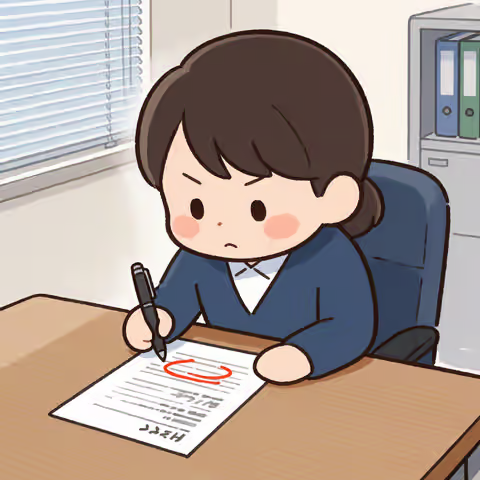
- CJK: 眼 = 眼. 前 = 前. Mandarin 眼前 / 当前. JP 目の前. Literal “in front of the eyes,” here = right now.
- Fun fact: 眼前最重要. This task, not next quarter. 手頭嘅工作 is the work already in hand.
- Memorize: Desk, one task circled “now”: 眼前最重要係專心做好手頭嘅工作.
- Study tip: 眼前. Today is “right now,” not scenery.
11. 英文(jing1 man4*2)
English language · bahasa Inggris
Example: 我英文考得好差。 — I did very badly in my English exam.

- CJK: 英 = 英. 文 = 文. Mandarin 英文 / 英语. JP 英語. Canto 英文 for the school subject. Changed tone often man2 in speech.
- Fun fact: 英文考得好差. Score, not “I can’t speak.” Pair HSK 考生 / JP テスト.
- Memorize: Red-ink English paper: 我英文考得好差.
- Study tip: 英文. Don’t answer 英語 unless printed.
12. 未必(mei6 bit1)
not necessarily; maybe not · belum tentu; tidak selalu
Example: 呢啲人未必即刻支持。 — These people may not necessarily support it right away.

- CJK: 未 = 未. 必 = 必. Mandarin 未必. JP 必ずしも〜ない. Written-ish hedge. Spoken often 唔一定.
- Fun fact: 未必即刻支持. Delay, not a hard no. 未必 is the polite hedge; 一定係 is the opposite.
- Memorize: Shrug, “not necessarily yet”: 呢啲人未必即刻支持.
- Study tip: 未必. Don’t answer 唔係. Pattern 未必 + verb.
13. 敬(ging3)
respect; honour; revere · hormat; menghormati
Example: 我哋應該尊敬長輩。 — We should respect our elders.
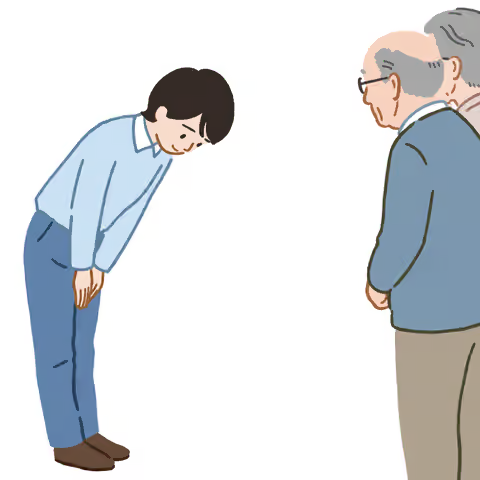
- CJK: 敬 = 敬. Mandarin 敬. JP 敬う. 尊敬 / 敬禮 / 敬酒. The card’s English dump is unrelated — study the printed 敬.
- Fun fact: 尊敬長輩. Bow to elders. 敬 is the bound morpheme; spoken often 尊敬.
- Memorize: Younger person nodding to elders: 我哋應該尊敬長輩.
- Study tip: 敬. Don’t answer 尊重 unless that’s what’s printed.
14. 接受(zip3 sau6)
to accept; to receive · menerima
Example: 林榮基接受咗新加坡媒體嘅訪問。 — Lam Wing-kei accepted an interview with Singaporean media.

- CJK: 接 = 接. 受 = 受. Mandarin 接受. JP 受け入れる. Same 受 as JP 受け取る today — mail vs interview.
- Fun fact: 接受訪問. Sit down for the interview, not 收到 a parcel. 接受挑戰 is accept a challenge.
- Memorize: Mic, interview: 接受咗媒體嘅訪問.
- Study tip: 接受. Don’t answer 收. Pair JP 受け取る.
15. 大佬(daai6 lou2)
boss; dude (slang) · bos; kawan (slang)
Example: 大佬,你咁樣做會出事㗎。 — Dude, your way of doing things will cause trouble.
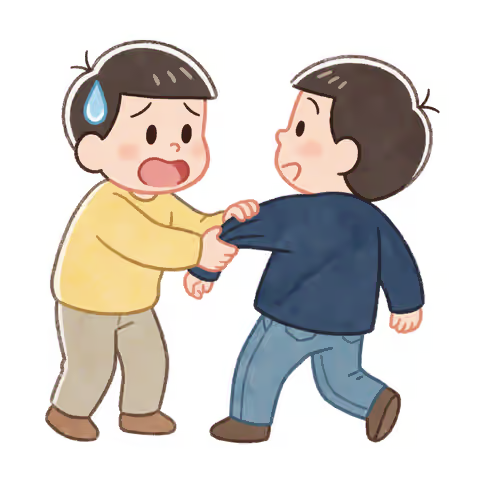
- CJK: 大 = 大. 佬 = guy suffix. Mandarin 大哥. JP 兄貴. Vocative 大佬 = dude / mate; also triad “boss” in crime dramas — this sentence is the friend warning.
- Fun fact: 大佬,你咁樣做會出事. Street advice, not a boardroom. Pair 阿嫂.
- Memorize: Friend grabbing a sleeve, “dude”: 大佬,你咁樣做會出事㗎.
- Study tip: 大佬. Don’t answer 老闆 unless it’s actually the boss.
16. 科技(fo1 gei6)
technology · teknologi
Example: 如果科技股面對呢個情況,點算? — What if tech stocks face this situation?

- CJK: 科 = 科. 技 = 技. Mandarin 科技. JP 科学技術. 科技股 = tech stocks. Pair 電腦.
- Fun fact: 科技股. Finance news, not a science-fair 科技. 高科技 is high-tech.
- Memorize: Stock ticker, tech names dropping: 如果科技股面對呢個情況,點算?
- Study tip: 科技. Don’t answer 科學. Pair 電腦.
17. 解決(gaai2 kyut3)
to settle; to resolve; to solve · menyelesaikan; memecahkan
Example: 呢個問題要盡快解決。 — The problem needs to be solved quickly.

- CJK: 解 = 解. 決 = 决. Mandarin 解决. JP 解決(かいけつ). Same compound. Pair 存在 — it exists, now 解決 it.
- Fun fact: 盡快解決. Deadline energy. 解決方法 is the method.
- Memorize: Checklist, last item “solve it”: 呢個問題要盡快解決.
- Study tip: 解決. Don’t answer 搞掂 unless printed. Pair 存在.
18. 存在(cyun4 zoi6)
existence; to exist · keberadaan; ada
Example: 呢個問題仍然存在。 — This issue still exists.

- CJK: 存 = 存. 在 = 在. Mandarin 存在. JP 存在(そんざい). Same compound. The problem hasn’t gone.
- Fun fact: 仍然存在. Still there. Pair 解決 — existence vs the fix. 存在感 is “presence.”
- Memorize: Unfixed bug still on the board: 呢個問題仍然存在.
- Study tip: 存在. Don’t answer 有. Pair 解決.
19. 阿嫂(aa3 sou2)
elder brother’s wife; term of address · istri kakak laki-laki; sapaan untuk istri orang
Example: 阿嫂今日煮嘅餸好好食。 — My sister-in-law cooked delicious dishes today.
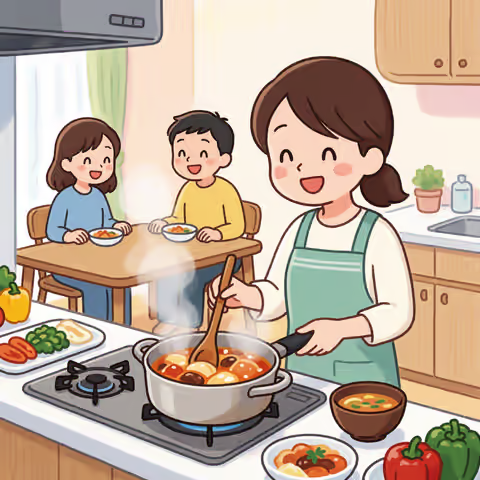
- CJK: 阿 = 阿. 嫂 = 嫂. Mandarin 嫂子. JP 兄の妻 / お義姉さん. Address for brother’s wife, or a friend’s wife, or a woman of that generation.
- Fun fact: 阿嫂煮嘅餸. Kitchen praise. Pair 大佬 — two family/street address terms.
- Memorize: Home dinner, “阿嫂’s cooking”: 阿嫂今日煮嘅餸好好食.
- Study tip: 阿嫂. Don’t answer 姐姐.
20. 靠(kaau3)
lean against; rely on · bersandar; mengandalkan
Example: 唔好成日靠父母。 — Don't always rely on your parents.
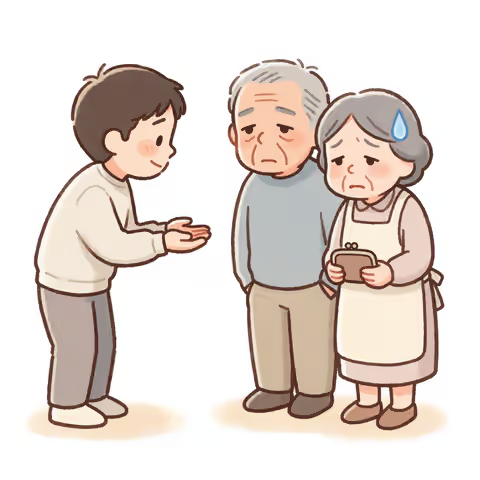
- CJK: 靠 = 靠. Mandarin 靠. JP 頼る / 寄りかかる. Two senses: lean on a wall, rely on people. This sentence is rely.
- Fun fact: 唔好成日靠父母. Independence lecture. 靠牆 is the lean-on-the-wall picture if the card ever shows it.
- Memorize: Adult still holding out a hand to mum and dad: 唔好成日靠父母.
- Study tip: 靠. Today is rely, not the wall.