Anki session
Japanese 2
日本語
- New
- 20
- Learn
- 41
- Review
- 84
Session: 20 new remaining of the 20/day cap · 41 learning waiting · 84 reviews due.
Click Japanese::Level2, not Level1. Level1 is review-only now. Clear the 41 learning cards first — Anki shows those before new. Then new mix into the 84 reviews.
This is a second sheet for today (HSK is 2026-09-23.md). Do not mix the decks in one Anki session.
Session plan
- Forty-one learning cards. Burn those down before the new twenty hitch a ride on reviews.
- Emergency pair with Cantonese today: 遭う the traffic accident, 救急車 you shout for — Canto 撞到 is the same crash. Yesterday 火事 already taught 119; ambulance is 119 too.
- Outdoor pair: キャンプ with a friend, ドライブ as far as Gunma.
- School pair: 歴史 you like, 数学 your brother’s job.
- 特- pair: 特徴 the car’s curves vs 特に “no questions in particular.”
- Sense traps: 遭う is misfortune に遭う, not 会う a person (same あう); 届ける is transitive (you deliver), 届く is the package arriving; 断る is ことわる refuse, not たつ cut; 間違える is the transitive miss, 間違う is “be wrong”; 上着 is the jacket, not 下着; 光る is the waves shining, not 輝く a star; 吹く is the wind (also a flute); ドライブ is a leisure drive, not 運転 the skill.
- Pay / people: 参加 the marathon, 給料 the raise, 目立つ the huge hat, 恐ろしい the nightmare, バイオリン she’s learning, 毛布 the warm one.
1. 参加(さんか)
participation · partisipasi, ikut serta
Example: 明日は市民マラソンに参加します。 — I'll participate in the citizens' marathon tomorrow.
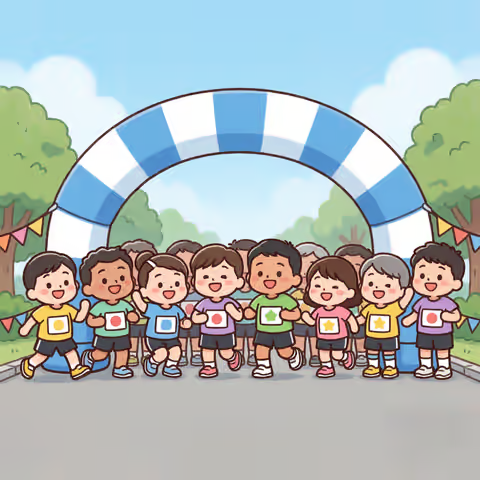
- CJK: 参 = 参 (JP) / 參. 加 = 加. Mandarin 参加 cānjiā. Canto 參加 caam1 gaa1. Same compound as HSK 参加. に参加する.
- Fun fact: 市民マラソンに参加します. You join the race, not 見る from the sidewalk. 参加費 is the fee.
- Memorize: Start line, citizens’ marathon: 明日は市民マラソンに参加します。
- Study tip: 参加. Particle に. Don’t answer 行く.
2. 給料(きゅうりょう)
salary, pay · gaji
Example: 来年から給料が上がります。 — I'm getting a pay raise as of next year.

- CJK: 給 = 给. 料 = 料. Mandarin 工资 / 薪水. Canto 人工 / 薪水. JP 給料, not 給与 (more formal). 上がる = the pay rises (intransitive).
- Fun fact: 給料が上がります. Raise next year. HSK yesterday 零花钱 was mum’s coins; this is the job.
- Memorize: Pay slip, arrow up, next year: 来年から給料が上がります。
- Study tip: 給料. Reading きゅうりょう. Don’t answer お金. 給料が上がる, not 上げる on this card.
3. キャンプ(キャンプ)
camping, camp · kemah, berkemah
Example: 友達とキャンプに行った。 — I went camping with a friend.
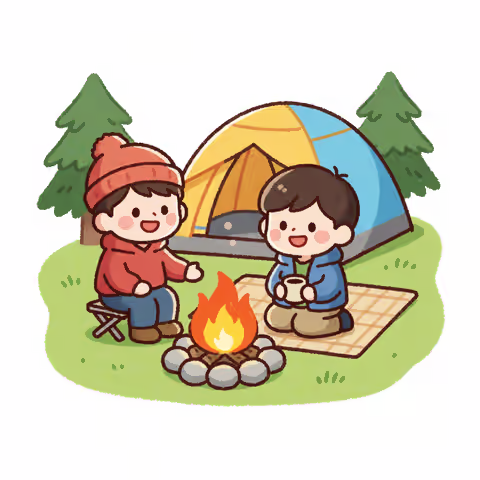
- CJK: Katakana camp. Mandarin 露营. Canto 露營 / 露營. Pair ドライブ later — both outdoor, different vehicle.
- Fun fact: 友達とキャンプに行った. Tent, not ホテル. キャンプ場 is the site.
- Memorize: Tent with a friend: 友達とキャンプに行った。
- Study tip: キャンプ. Don’t answer 旅行. Pair ドライブ.
4. 光る(ひかる)
shine, emit light · bersinar, berkilau
Example: 波がきらきら光っていました。 — The waves sparkled brilliantly.

- CJK: 光 = 光. Mandarin 发光 / 闪. Canto 光 gwong1 / 閃. 光る = emit light; 輝く is “radiate / excel.” Today is water, きらきら.
- Fun fact: 波がきらきら光って. Sparkle on the sea, not 太陽が輝く. Same 光 as 光 (hikari) the noun.
- Memorize: Sparkling waves: 波がきらきら光っていました。
- Study tip: 光る. Reading ひかる. Don’t answer 輝く unless printed.
5. 恐ろしい(おそろしい)
terrible, awful · mengerikan
Example: 昨夜恐ろしい夢を見た。 — I had a terrible dream last night.
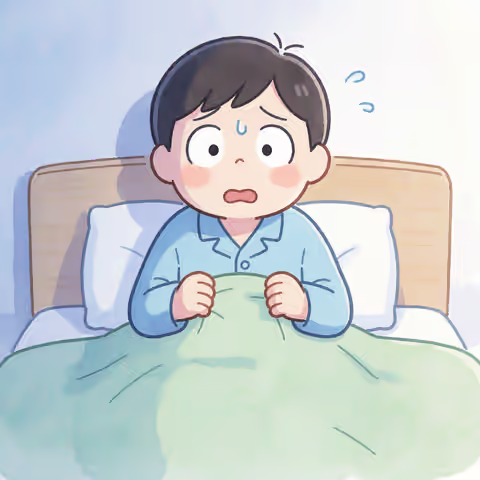
- CJK: 恐 = 恐. Mandarin 可怕. Canto 恐怖 hung2 bou3 / 怕. i-adjective. 怖い is everyday “scared”; 恐ろしい is stronger / literary — nightmares, disasters.
- Fun fact: 恐ろしい夢を見た. Night terror, not 怖い映画 lightly. 恐れ is the noun.
- Memorize: Sitting up in bed from a bad dream: 昨夜恐ろしい夢を見た。
- Study tip: 恐ろしい. Reading おそろしい. Don’t answer 怖い unless printed.
6. 目立つ(めだつ)
stand out, be conspicuous · mencolok, menonjol
Example: 彼女の大きな帽子はとても目立つ。 — Her big hat really stands out.

- CJK: 目 = 目. 立 = 立. Mandarin 显眼. Canto 顯眼 hin2 ngaan5. 目 + 立つ = the eye stands up. Not 有名.
- Fun fact: 大きな帽子はとても目立つ. You see the hat first. 目立ちたい is “want to be noticed.”
- Memorize: Huge hat on the street: 彼女の大きな帽子はとても目立つ。
- Study tip: 目立つ. Reading めだつ. Don’t answer 有名.
7. 届ける(とどける)
deliver, give notice · mengantarkan, menyampaikan
Example: これを彼に届けてください。 — Please send this to him.

- CJK: 届 = 届. Mandarin 送到 / 递. Canto 送到 sung3 dou3. Transitive. Intransitive 届く = it arrives. 届け出 is a notification to city hall — not this sentence.
- Fun fact: これを彼に届けて. Hand the parcel over. If you conjugate 届く, the package walks itself.
- Memorize: Parcel into his hands: これを彼に届けてください。
- Study tip: 届ける. Reading とどける. Don’t answer 届く.
8. 上着(うわぎ)
coat, jacket · jaket, baju luar
Example: 暑いので上着を脱ぎました。 — I took my jacket off because it was hot.

- CJK: 上 = 上. 着 = 着 (JP “garment”) / 著. Mandarin 外套 / 上衣. Canto 外套 ngoi6 tou3. 上 = outer; 下着 is underwear — do not flash that. 脱ぐ, not 外す.
- Fun fact: 上着を脱ぎました. Heat, jacket off. Same-day HSK isn’t clothes; keep the picture as a jacket, not 干 jerky.
- Memorize: Hot day, jacket coming off: 暑いので上着を脱ぎました。
- Study tip: 上着. Reading うわぎ. Don’t answer 服 or 下着.
9. 救急車(きゅうきゅうしゃ)
ambulance · ambulans
Example: 誰か救急車を呼んでください。 — Someone please call an ambulance.
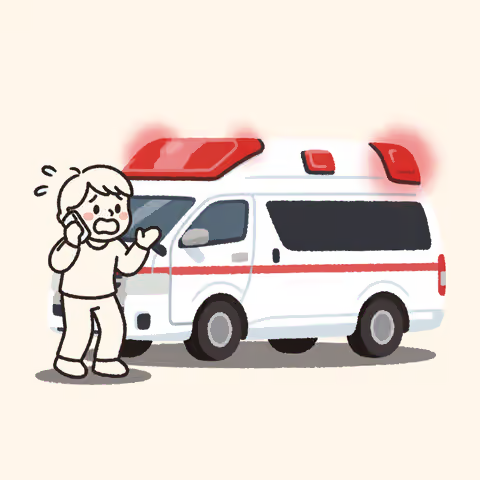
- CJK: 救 = 救. 急 = 急. 車 = 车. Mandarin 救护车. Canto 救護車 gau3 wu6 ce1. Japan 119 (same number as yesterday’s 火事). Pair 遭う — that crash is why you shout. Pair Canto 撞到 today.
- Fun fact: 救急車を呼んで. 呼ぶ, not 電話する only. White van with the red stripe.
- Memorize: Someone yelling for an ambulance: 誰か救急車を呼んでください。
- Study tip: 救急車. Reading きゅうきゅうしゃ. 119, not 911. Pair 遭う.
10. 遭う(あう)
meet with, encounter (misfortune) · mengalami, menemui (musibah)
Example: 彼は交通事故に遭った。 — He had a traffic accident.
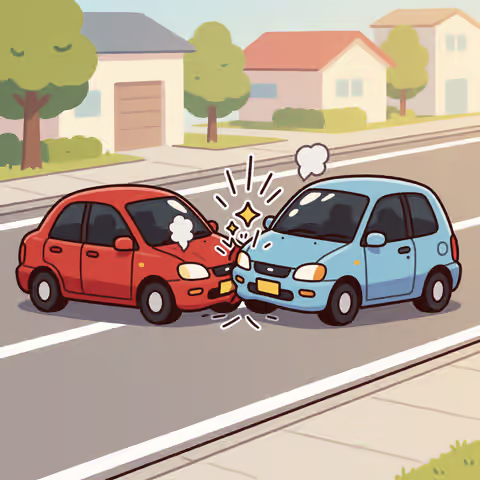
- CJK: 遭 = 遭. Mandarin 遭遇 / 遇到 (灾). Canto 遇到 jyu6 dou3 / 撞到. Reading あう, same as 会う — 会う is people; 遭う is disasters. Particle に遭う. Pair 救急車 and Canto 撞到.
- Fun fact: 交通事故に遭った. The 遭 kanji is the tell. If you write 会った, he met the accident for coffee.
- Memorize: Crash, に遭った: 彼は交通事故に遭った。
- Study tip: 遭う. Don’t answer 会う. Pattern ~に遭う.
11. 吹く(ふく)
blow; play a wind instrument · bertiup, meniup
Example: 今日は北風が吹いている。 — The north wind is blowing today.

- CJK: 吹 = 吹. Mandarin 吹. Canto 吹 ceoi1. Wind が吹く; you を吹く a flute. Pair バイオリン later — that’s strings, not 吹く.
- Fun fact: 北風が吹いている. North wind, winter feel. 息を吹く is a puff; the card is weather.
- Memorize: Coat in a north wind: 今日は北風が吹いている。
- Study tip: 吹く. Reading ふく. Subject 風が. Don’t answer 流れる.
12. 特徴(とくちょう)
distinctive feature, characteristic · ciri khas
Example: この曲線がこの車の特徴です。 — These curves are a unique feature of this car.
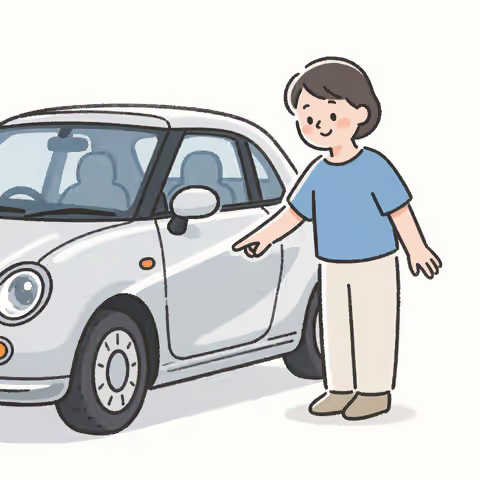
- CJK: 特 = 特. 徴 = 徵 / simplified 征. Mandarin 特征 tèzhēng. Canto 特徵 dak6 zing1. JP keeps 徴. Pair 特に — same 特, different word.
- Fun fact: この曲線がこの車の特徴. Design line, not 性格. 特徴がある.
- Memorize: Finger on the car’s curve: この曲線がこの車の特徴です。
- Study tip: 特徴. Reading とくちょう. Don’t answer 特に. 徴, not 徵 on the JP card.
13. 歴史(れきし)
history · sejarah
Example: 私は歴史に興味があります。 — I'm interested in history.

- CJK: 歴 = 历 (歷). 史 = 史. Mandarin 历史 lìshǐ. Canto 歷史 lik6 si2. JP 歴 is the Japanese simplify. に興味がある.
- Fun fact: 歴史に興味があります. Subject you like, not 物語 a story. Pair 数学 — brother’s job.
- Memorize: History book, interested: 私は歴史に興味があります。
- Study tip: 歴史. Reading れきし. Don’t answer 過去. Pair 数学.
14. 数学(すうがく)
mathematics · matematika
Example: 兄は数学の先生です。 — My big brother's a math teacher.
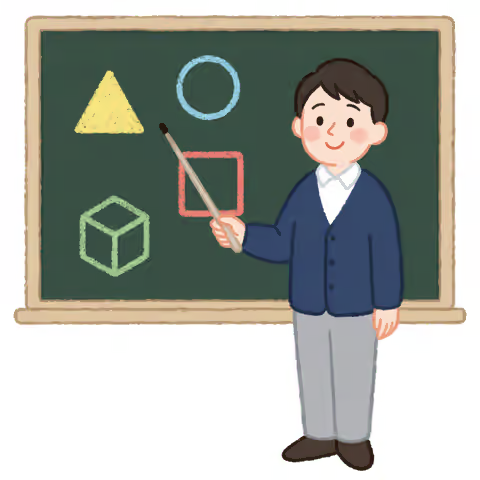
- CJK: 数 = 数 (數). 学 = 学 (學). Mandarin 数学 shùxué. Canto 數學 sou3 hok6. Same compound. 算数 is grade-school arithmetic; 数学 is the subject.
- Fun fact: 兄は数学の先生. His job, not your homework. Pair 歴史 — you like that one.
- Memorize: Brother at the math blackboard: 兄は数学の先生です。
- Study tip: 数学. Reading すうがく. Don’t answer 算数.
15. 断る(ことわる)
refuse, turn down · menolak
Example: 私は彼のプロポーズを断った。 — I turned down his marriage proposal.
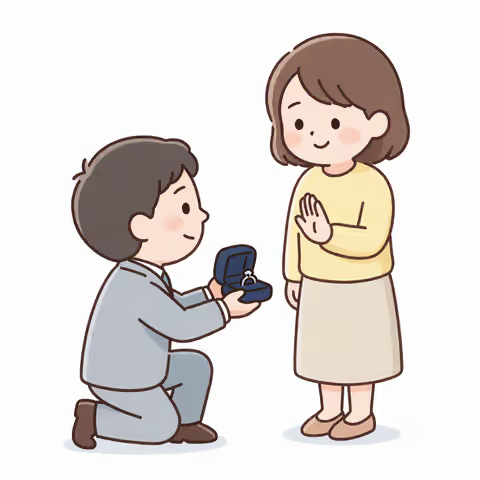
- CJK: 断 = 断 (斷). Mandarin 拒绝. Canto 拒絕 keoi5 zyut6. Reading ことわる, not たつ (断つ = cut off) and not だん as in 中断.
- Fun fact: プロポーズを断った. No to the ring. 断り is the noun; 断ってください is “say no for me.”
- Memorize: Ring offered, shake head: 私は彼のプロポーズを断った。
- Study tip: 断る. Reading ことわる. Don’t answer 断つ or 拒否.
16. 特に(とくに)
specially, particularly · khususnya, secara khusus
Example: 特に質問はありません。 — I don't particularly have any questions.

- CJK: 特 = 特. Mandarin 特别. Canto 特別 dak6 bit6. Adverb. Pair 特徴 — that was the car; this is “not especially.” 特に〜ない is the common pattern.
- Fun fact: 特に質問はありません. End-of-meeting empty. Not 特別な質問 (a special question).
- Memorize: Meeting, no questions in particular: 特に質問はありません。
- Study tip: 特に. Don’t answer 特徴 or 特別. Pattern 特に〜ない.
17. 間違える(まちがえる)
mistake, confuse (transitive) · keliru; salah
Example: 電話番号を間違えました。 — I called the wrong number.

- CJK: 間 = 间. 違 = 违. Mandarin 搞错. Canto 搞錯 gaau2 co3. Transitive を間違える. Intransitive 間違う = be mistaken. 間違える includes 間.
- Fun fact: 電話番号を間違えました. Wrong digits. If you say 間違った, the number was wrong by itself; here you misdialed.
- Memorize: Phone, wrong number: 電話番号を間違えました。
- Study tip: 間違える. Reading まちがえる. Don’t answer 間違う. Particle を.
18. バイオリン(バイオリン)
violin · biola
Example: 彼女はバイオリンを習っています。 — She's learning the violin.
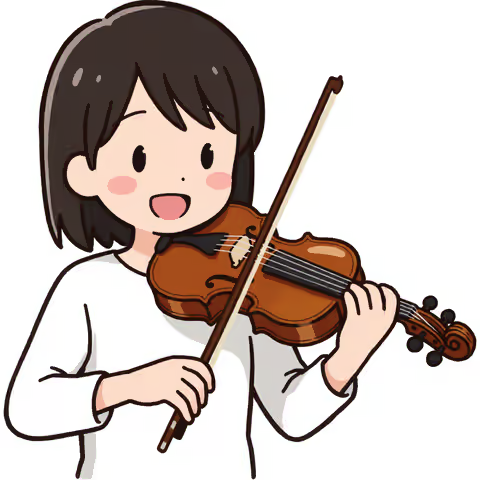
- CJK: Katakana violin. Mandarin 小提琴. Canto 小提琴 siu2 tai4 kam4. を習う. Pair 吹く — that card is wind, not strings.
- Fun fact: バイオリンを習っています. Lessons, not a concert. ヴィオラ / チェロ are the siblings; the card is violin.
- Memorize: She’s practising violin: 彼女はバイオリンを習っています。
- Study tip: バイオリン. Don’t answer ピアノ. 習う, not 吹く.
19. 毛布(もうふ)
blanket · selimut
Example: この毛布は暖かい。 — This blanket is warm.

- CJK: 毛 = 毛. 布 = 布. Mandarin 毯子 / 毛毯. Canto 毛毯 mou4 taan2. 毛 = wool/hair; 布 = cloth. Not 布団 (futon set) and not タオル.
- Fun fact: この毛布は暖かい. One blanket, い-adjective 暖かい. 毛布を掛ける.
- Memorize: Wrapping a warm blanket: この毛布は暖かい。
- Study tip: 毛布. Reading もうふ. Don’t answer 布団.
20. ドライブ(ドライブ)
drive (for pleasure) · jalan-jalan naik mobil
Example: 今日は群馬までドライブしました。 — I drove to Gunma today.
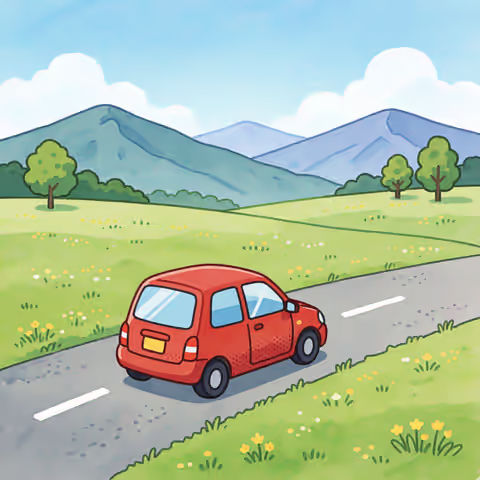
- CJK: Katakana drive. Mandarin 兜风 / 自驾. Canto 開車去玩. Leisure. 運転 is the skill of driving; ドライブ is the outing. Pair キャンプ.
- Fun fact: 群馬までドライブしました. Day trip, not 運転しています on the test. ドライブに行く.
- Memorize: Car toward Gunma hills: 今日は群馬までドライブしました。
- Study tip: ドライブ. Don’t answer 運転. Pair キャンプ.