Anki session
Cantonese 2
廣東話
- New
- 20
- Learn
- 0
- Review
- 102
Session: 20 new remaining of the 20/day cap · 0 learning waiting · 102 reviews due.
Click Cantonese::Level2, not Level1. Level1 is review-only now. No learning queue today, so new cards mix into the 102 reviews.
This is a third sheet for today (HSK is 2026-09-23.md, Japanese is 2026-09-23-japanese-level2.md).
Session plan
- One hundred and two reviews. Clear those as they come; the new twenty mix in.
- Crash pair with Japanese: 撞到 the pedestrian vs JP 遭う / 救急車. Same street, three cards.
- Heat pair: 熱 today is hot vs 更 even hotter than yesterday.
- Food cluster: 餐 three meals a day, 一份 each contributing a share, 重有 still plenty of dishes — eat slowly.
- 唔- pair: 唔算 the small house isn’t counted as uncomfortable vs 唔係好 I don’t really like bars.
- Sense traps: 相機 is the camera, not 相 the photo; 搭 today is putting up scaffolding, not 搭巴士; 白 in this sentence is fair skin, not a white shirt; 更 is gang3 “more,” not gang1 the night watch; 先係 is “only then is,” not 先 “you first”; 一份 here is a share of effort, not 一份叉燒飯; 認為 is the written-ish verb, spoken often 覺得.
- Looks / talk: 美 the garden, 字 how do you write it, 值得 worth it, 結果 they cancelled the trip, 有時 ignore the neurotic spell, 服務 a bus every ten minutes.
1. 餐(caan1)
meal; eat · hidangan; makan
Example: 日日煮三餐好嘥時間。 — Cooking three full meals a day wastes quite a bit of time.

- CJK: 餐 = 餐. Mandarin 餐 / 顿. JP 食事. Classifier for meals. 早餐 / 午餐 / 晚餐. HSK 午餐 was a recent card; this is the generic 餐.
- Fun fact: 煮三餐. Three cooking shifts, time gone. 一餐 is one sitting; 餐牌 is the menu.
- Memorize: Three plates, exhausted cook: 日日煮三餐好嘥時間.
- Study tip: 餐. Don’t answer 飯 unless printed. Reading caan1.
2. 一份(jat1 fan6)
a portion; one share · satu bagian; satu porsi
Example: 我哋每人出一份力。 — Each of us contributes a part.

- CJK: 一 = 一. 份 = 份. Mandarin 一份. JP 一份 / 一人分. Today is 一份力, a share of effort — not 一份叉燒飯 the food portion (also real).
- Fun fact: 每人出一份力. Everyone throws in labour. If you picture takeaway, you missed 力.
- Memorize: Several people each carrying a share: 我哋每人出一份力.
- Study tip: 一份. Don’t answer 一個. Today is a share, not a lunch box.
3. 熱(jit6)
heat; hot; fervent · panas; memanaskan; bersemangat
Example: 今日好熱。 — It's very hot today.

- CJK: 熱 = 热. Mandarin 热 rè. JP 熱い(あつい). Traditional 熱. Pair 更 later — 更熱. 熱 can be fever (發熱); this sentence is weather.
- Fun fact: 今日好熱. Sweat, not 溫暖. Canto adjective takes 好, not 很.
- Memorize: Blazing sun, sweating: 今日好熱.
- Study tip: 熱. Reading jit6. Don’t answer 暖. Pair 更.
4. 字(zi6)
character; letter; word · aksara; huruf; kata
Example: 呢個字點寫呀? — How do you write this character?

- CJK: 字 = 字. Mandarin 字. JP 字(じ). 漢字. Not 詞 the spoken word. 寫字 / 識字.
- Fun fact: 呢個字點寫呀. Stroke-order question. 名字 is a name; the card is the character on the page.
- Memorize: Brush, “how do you write this?”: 呢個字點寫呀?
- Study tip: 字. Don’t answer 詞. Reading zi6.
5. 唔算(m4 syun3)
not count as; not considered · tidak dianggap sebagai
Example: 間屋細,但唔算唔舒服。 — The house is small, but not uncomfortable.

- CJK: 唔 = 不. 算 = 算. Mandarin 不算. JP 〜とは言えない. Double negative 唔算唔舒服 = not counted as uncomfortable. Pair 唔係好.
- Fun fact: 唔算唔舒服. Small but fine. 算 is “count as,” not 計算 math.
- Memorize: Tiny house, still cozy: 間屋細,但唔算唔舒服.
- Study tip: 唔算. Don’t answer 唔係. Pattern 唔算 + adjective.
6. 相機(soeng3 gei1)
camera · kamera
Example: 唔好阻住人用相機影相。 — Don't block people from taking photos with their camera.

- CJK: 相 = 相. 機 = 机. Mandarin 相机. JP カメラ / カメラ. 相 soeng3 = photo; 相機 the device. 影相 = take a picture. Not 相 the mutual soeng1.
- Fun fact: 用相機影相. Don’t stand in the shot. 手機 is the phone camera; the card prints 相機.
- Memorize: Tourist blocked mid-photo: 唔好阻住人用相機影相.
- Study tip: 相機. Reading soeng3 gei1. Don’t answer 相.
7. 重有(zung6 jau5)
still have; furthermore · masih ada; selain itu
Example: 唔好咁貪心,重有好多餸;慢慢食! — Don't be so greedy, there's still plenty of food; eat slowly!
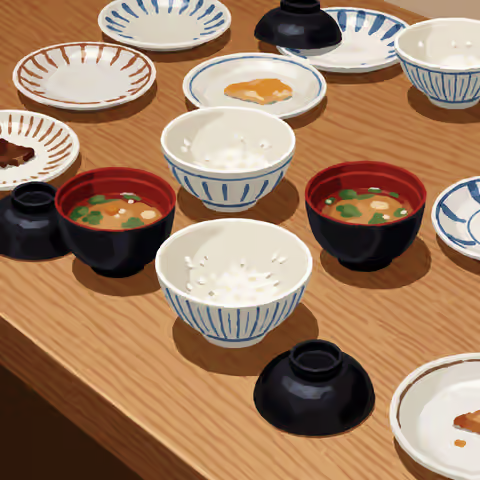
- CJK: 重 = 重 (here 还). 有 = 有. Mandarin 还有. JP まだある. Reading zung6 “still / even,” not cung4 “heavy.” Pair 餐 / 一份 — table still full.
- Fun fact: 重有好多餸. More dishes coming. Spoken cousin of HSK 此外, but this is leftover food, not a meeting question.
- Memorize: Packed lazy Susan, eat slowly: 重有好多餸;慢慢食!
- Study tip: 重有. Reading zung6 jau5. Don’t answer 重 (cung4).
8. 值得(zik6 dak1)
worthwhile; worthy · sepadan; layak
Example: 全部都值得。 — Everything is worthwhile.

- CJK: 值 = 值. 得 = 得. Mandarin 值得. JP 値打ちがある. Same compound as HSK 值得. 值得 + verb (值得去).
- Fun fact: 全部都值得. After the effort, it paid off. 值 is “value”; 唔值得 is the opposite.
- Memorize: Finished work, worth it: 全部都值得.
- Study tip: 值得. Reading zik6 dak1. Don’t answer 抵 (also “worth it,” more colloquial).
9. 撞到(zong6 dou2)
bump into; get hit by · menabrak; tertabrak
Example: 有人過馬路俾車撞到,要送去醫院。 — Someone got hit by a car while crossing the road and had to be sent to hospital.

- CJK: 撞 = 撞. 到 = 到. Mandarin 撞到. JP ぶつかる. Passive 俾車撞到. Pair JP 遭う / 救急車 today. 撞也可以 “run into someone” socially — this sentence is the crash.
- Fun fact: 過馬路俾車撞到. Crossing, then hospital. Resultative 到.
- Memorize: Crossing, car, hospital: 有人過馬路俾車撞到.
- Study tip: 撞到. Don’t answer 碰到 (lighter). Pair JP 遭う.
10. 迫(bik1)
to force; to squeeze; crowded · memaksa; berdesakan
Example: 人人迫喺地鐵入面。 — Everyone was squeezed inside the subway.
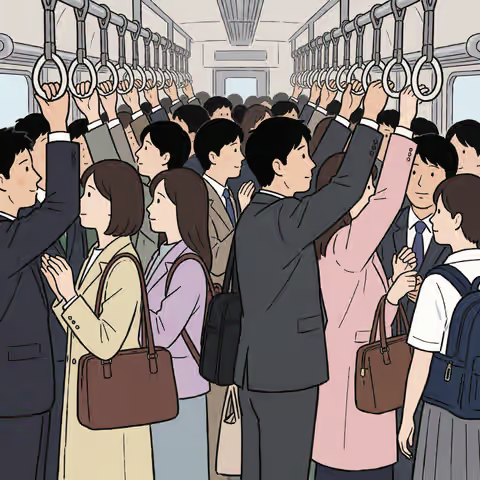
- CJK: 迫 = 迫. Mandarin 迫 / 挤. JP 迫る / 混む. Here “jammed,” not 強迫 force someone. 逼 is the cousin for “force.”
- Fun fact: 迫喺地鐵入面. MTR rush hour. 迫都可以 “urgent” (迫不及待 in Mandarin); today is bodies packed.
- Memorize: Packed subway car: 人人迫喺地鐵入面.
- Study tip: 迫. Reading bik1. Don’t answer 逼 unless printed.
11. 美(mei5)
pretty; beautiful · cantik; indah
Example: 呢個花園好美。 — This garden is very beautiful.

- CJK: 美 = 美. Mandarin 美. JP 美しい. Spoken Canto often 靚 leng3; 美 is a bit more written / scenic. HSK yesterday 美景; this is the garden itself.
- Fun fact: 花園好美. Park view. 美國 is America — not this card.
- Memorize: Garden, blooming: 呢個花園好美.
- Study tip: 美. Don’t answer 靚 unless printed. Reading mei5.
12. 結果(git3 gwo2)
result; in the end · hasil; akhirnya
Example: 結果佢哋決定唔去旅行。 — In the end, they decided not to go on the trip.

- CJK: 結 = 结. 果 = 果. Mandarin 结果. JP 結果(けっか). Discourse 結果 = “and then / as it turned out.” Also “bear fruit.”
- Fun fact: 結果佢哋決定唔去. Plot twist, trip cancelled. Not 後果 (consequence, often bad).
- Memorize: Packed bags staying home: 結果佢哋決定唔去旅行.
- Study tip: 結果. Reading git3 gwo2. Don’t answer 所以.
13. 唔係好(m4 hai6 hou2)
not very; not really · tidak terlalu; tidak begitu
Example: 我唔係好鍾意成日去酒吧。 — I don't really like going to bars often.

- CJK: 唔係 = 不是. 好 = 很 / 好. Mandarin 不是很 / 不太. Softener. Pair 唔算 — that one is “not counted as”; this is “not really.”
- Fun fact: 唔係好鍾意. Polite dislike, not 唔鍾意 a hard no. 成日 = always.
- Memorize: Shaking head at the bar invite: 我唔係好鍾意成日去酒吧.
- Study tip: 唔係好. Don’t answer 唔. Pattern 唔係好 + verb/adj.
14. 搭(daap3)
to put up; to build; to hang · memasang; membangun
Example: 工人而家搭緊棚架。 — The workers are putting up scaffolding now.

- CJK: 搭 = 搭. Mandarin 搭. JP 組む / 乗せる. Today is scaffolding. The other everyday 搭 is 搭車 / 搭巴士 — do not answer that unless printed.
- Fun fact: 搭緊棚架. Bamboo / metal going up. Progressive 緊.
- Memorize: Workers raising scaffold: 工人而家搭緊棚架.
- Study tip: 搭. Reading daap3. Don’t answer 搭車. Today is “put up.”
15. 先係(sin1 hai6)
only then is; that’s when it really is · barulah; itulah
Example: 到咗呢一步先係真正開始。 — Only by reaching this point does it truly begin.

- CJK: 先 = 先. 係 = 是. Mandarin 才是. JP 〜てこそ. 先 alone is “first / you go ahead”; 先係 marks the real start after the grind.
- Fun fact: 到咗呢一步先係真正開始. Threshold. Not 先食 (eat first).
- Memorize: Long path, now the real start: 到咗呢一步先係真正開始.
- Study tip: 先係. Don’t answer 先. Reading sin1 hai6.
16. 更(gang3)
more, even more · lebih, semakin
Example: 今日比尋日更熱。 — Today is hotter than yesterday.

- CJK: 更 = 更. Mandarin 更 gèng. JP さらに / もっと. Reading gang3 “more.” gang1 is the night watch / 更正 “correct.” Pair 熱.
- Fun fact: 比尋日更熱. Comparison. HSK 更 is the same character; Canto still wants gang3 here.
- Memorize: Yesterday vs today, more sweat: 今日比尋日更熱.
- Study tip: 更. Reading gang3. Don’t answer 仲 (also “even more,” spoken). Pair 熱.
17. 有時(jau5 si4)
sometimes · kadang-kadang
Example: 有時佢好神經質,唔好理佢。 — Sometimes he gets really neurotic, just ignore him.
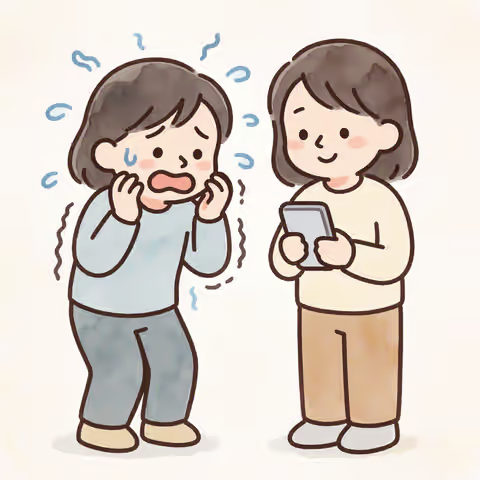
- CJK: 有 = 有. 時 = 时. Mandarin 有时 / 有时候. JP 時々. Same as HSK 有时. 神經質 = neurotic.
- Fun fact: 有時佢好神經質. Occasional spell, 唔好理. 成日 would be “always.”
- Memorize: One person ranting, the other ignoring: 有時佢好神經質,唔好理佢.
- Study tip: 有時. Don’t answer 成日. Reading jau5 si4.
18. 服務(fuk6 mou6)
service; to serve · layanan; melayani
Example: 巴士服務好好。每十分鐘就有一班。 — The bus service is excellent. There's a bus every ten minutes.
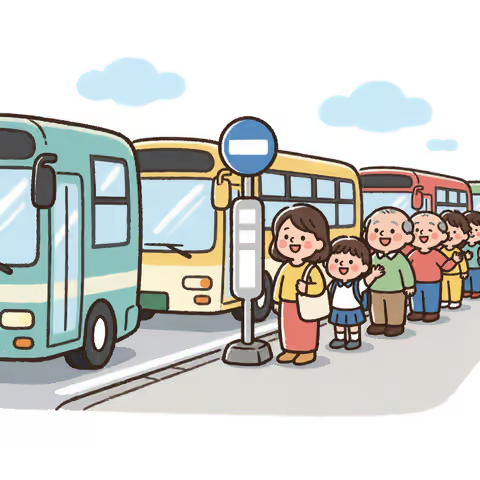
- CJK: 服 = 服. 務 = 务. Mandarin 服务. JP サービス / 服務(ほうむ). Traditional 服務. Here public transport service, not a waiter.
- Fun fact: 巴士服務好好. Frequency is the proof — every ten minutes. 服務員 is the staff noun.
- Memorize: Bus after bus at the stop: 巴士服務好好。每十分鐘就有一班.
- Study tip: 服務. Reading fuk6 mou6. Don’t answer 服務員 unless printed.
19. 白(baak6)
white; fair (skin) · putih; cerah
Example: 黑色好襯你,令到皮膚睇落好白,又易襯衫。 — Black really suits you, makes your skin look fair, and matches clothes easily.

- CJK: 白 = 白. Mandarin 白. JP 白い. Today is fair skin, 睇落好白 — not a white T-shirt. 襯 = match / suit.
- Fun fact: 皮膚睇落好白. Black clothes as a foil. 白也可以 “free / in vain” (白做); not this sentence.
- Memorize: Black outfit, skin looks fair: 黑色好襯你,皮膚睇落好白.
- Study tip: 白. Don’t answer 白色. Today is complexion.
20. 認為(jing6 wai4)
to believe; to think; to consider · berpendapat; menganggap
Example: 我認為呢個決定唔明智。 — I think this decision is unwise.
- CJK: 認 = 认. 為 = 为. Mandarin 认为. JP 思う / 考える. Formal-ish. Spoken Canto often 覺得. Pair HSK 目的 — that card asked why you came; this one judges a decision.
- Fun fact: 我認為呢個決定唔明智. Opinion verb + clause. 唔明智 = unwise, not 唔好.
- Memorize: Head shake at a bad plan: 我認為呢個決定唔明智.
- Study tip: 認為. Reading jing6 wai4. Don’t answer 覺得 unless printed.