Anki session
HSK 4
汉语
- New
- 20
- Learn
- 0
- Review
- 244
Session: 20 new remaining of the 20/day cap · 0 learning waiting · 244 reviews due.
Click HSK::Level 4, not the parent HSK. No learning queue, so new cards mix into the 244 reviews.
Session plan
- Two hundred and forty-four reviews. When a new one pops, match it to the number below.
- Sports pair: 排球 after school, then 取消 the afternoon game because of rain — same court, two cards.
- Late pair: 加快 “speed up, we’re late” vs 否则 “hurry, otherwise you’ll be late.” Same clock, different grammar.
- Taste traps, not one picture: 味道 today is the charm of a class, not soup; 盐 is too much in the pot; 干 is beef jerky (gān, dried); 零食 is the snack pile.
- Form leftover: yesterday 表格 was the paper; today 填写 is the verb on a web form.
- Sense traps: 回复 is weather back to normal, not 回复邮件 and not 恢复; 片 is 一片白 after snow, not a 片子; 轻 is “don’t take the exam lightly,” not a light bag; 干 is gān jerky, not gàn 干什么; 女性 is the demographic, not 女人 at the dinner table.
- Abstract stack: 责任 the environment, 目的 why you came, 永远 never forget the help, 生命 the doctor, 此外 one more question, 预习 tonight’s textbook, 出租 the house.
1. 排球(páiqiú)
volleyball · bola voli
Example: 今天下午放学后,同学们都去操场打排球了。 — After school this afternoon, the classmates all went to the playground to play volleyball.
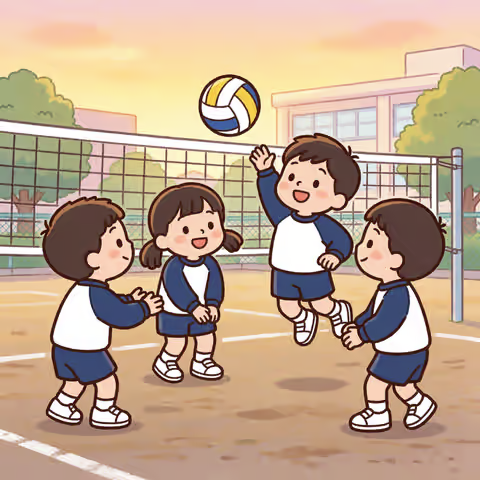
- CJK: 排 = 排. 球 = 球. JP バレーボール. Canto 排球 paai4 kau4. 排 = lined up; the players stand in a row. Classifier 个. Pair 取消 later — rain kills that same afternoon game.
- Fun fact: 放学后打排球. School-yard spike, not 篮球. 排球队 is the club; the card is the sport.
- Memorize: After-school court, ball over the net: 同学们都去操场打排球了.
- Study tip: 排球. Don’t answer 球. Pair 取消.
2. 责任(zérèn)
responsibility; duty · tanggung jawab
Example: 保护环境是我们每个人的责任。 — Protecting the environment is every one of our responsibilities.
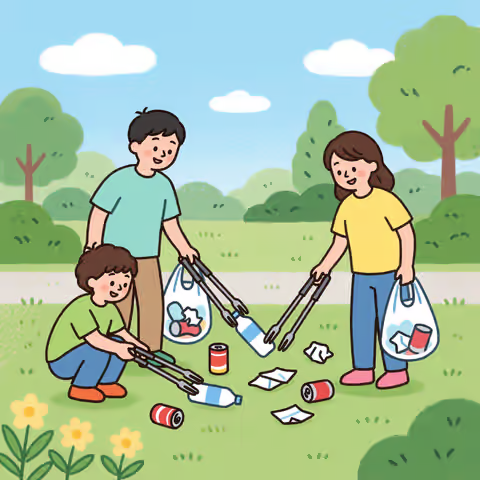
- CJK: 责 = 責. 任 = 任. JP 責任(せきにん). Canto 責任 zaak3 jam6. Traditional 責任. 负责 is the verb “be in charge”; 责任 is the noun you carry.
- Fun fact: 保护环境是我们每个人的责任. Civic duty, not “it’s my 任务 at work.” 责任心 is the attitude.
- Memorize: Park, everyone picking up trash: 保护环境是我们每个人的责任.
- Study tip: 责任. Don’t answer 任务. Reading zé rèn (rèn, 4th).
3. 目的(mùdì)
purpose; aim; goal · tujuan
Example: 你来这里的目的是什么? — What's your purpose in coming here?
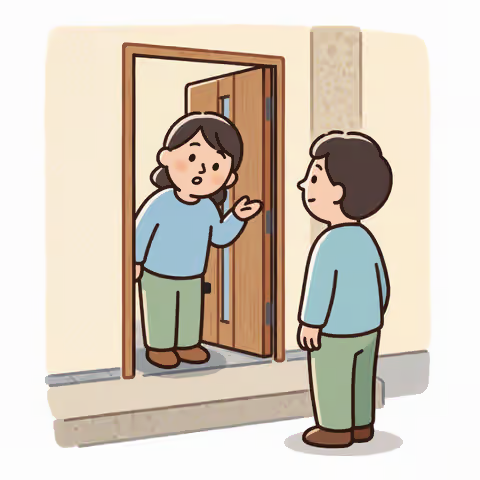
- CJK: 目 = 目. 的 = 的. JP 目的(もくてき). Canto 目的 muk6 dik1. Same two characters as Japanese. 的 here is dì (target), not de. 目标 is a concrete target; 目的 is why you came.
- Fun fact: 你来这里的目的是什么. Immigration / teacher question. Not 意思 (“what do you mean”).
- Memorize: Doorway, “why are you here?”: 你来这里的目的是什么?
- Study tip: 目的. Reading mùdì (dì). Don’t answer 目标 unless printed.
4. 加快(jiākuài)
to accelerate; to speed up · percepat
Example: 请加快速度,我们要迟到了。 — Please speed up; we're going to be late.
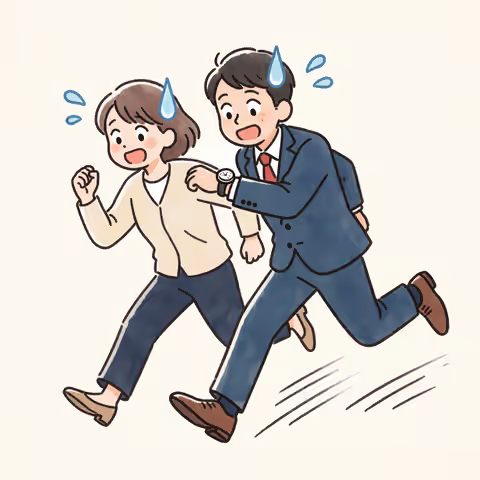
- CJK: 加 = 加. 快 = 快. JP 加速する. Canto 加快 gaa1 faai3. 加 = add; 快 = fast. Pair 否则 later — same lateness, 否则 is the threat.
- Fun fact: 请加快速度. Walk / type / drive faster. 加速 is more “accelerate (physics / economy)”; HSK wants 加快.
- Memorize: Clock, two people speeding up: 请加快速度,我们要迟到了.
- Study tip: 加快. Don’t answer 快 or 加速. Pair 否则.
5. 味道(wèidào)
flavor; (fig.) charm; feeling · rasa; pesona
Example: 他上课很有味道,学生们都爱听。 — His classes have a special charm; the students all love listening.
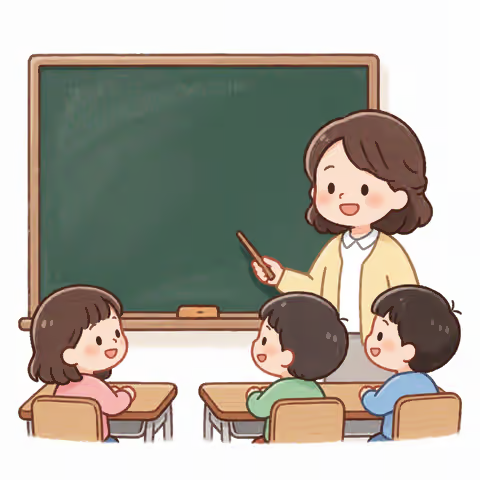
- CJK: 味 = 味. 道 = 道. JP 味(あじ) / 味わい. Canto 味道 mei6 dou6. Food 味道 is in the dictionary; today’s sentence is teaching style. Pair 盐 / 干 / 零食 — those three are actually food.
- Fun fact: 上课很有味道. Charm, not soup. If you picture a kitchen, you missed 上课.
- Memorize: Teacher, spellbound class: 他上课很有味道,学生们都爱听.
- Study tip: 味道. Today is figurative. Don’t answer 味 or 有意思.
6. 干(gān)
dry; dried food · kering; dendeng
Example: 他喜欢吃牛肉干。 — He likes eating beef jerky.

- CJK: 干 = 乾 (dry) in this sentence. JP 干し肉 / ジャーキー. Canto 牛肉乾 ngau4 juk6 gon1. Simplified 干 also writes 幹 (gàn, do) and 干 the stem — this card is gān, jerky. Not 干什么.
- Fun fact: 牛肉干. Dried strips, not 干活. 干燥 is “dry (weather / skin)”; the snack is 干 after the meat.
- Memorize: Handful of beef jerky: 他喜欢吃牛肉干.
- Study tip: 干. Reading gān. Don’t answer 做 or gàn.
7. 此外(cǐwài)
besides; in addition; moreover · selain itu
Example: 此外,我还有问题。 — Besides that, I still have questions.
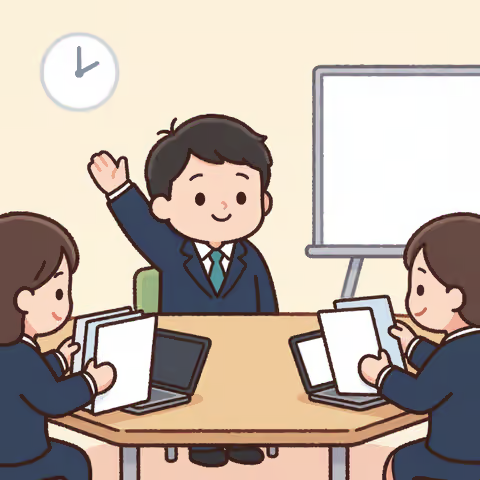
- CJK: 此 = 此. 外 = 外. JP このほか. Canto 此外 ci2 ngoi6. Written linker. Spoken is 另外 / 还有. 此 = this; 外 = outside that.
- Fun fact: 此外,我还有问题. After a list, one more hand. Yesterday 加上 was “add one more item”; this is “furthermore.”
- Memorize: Raised hand after the briefing: 此外,我还有问题.
- Study tip: 此外. Don’t answer 另外 unless printed. Formal.
8. 回复(huífù)
to return to (a former state); to recover · kembali; pulih
Example: 天气已经回复正常了。 — The weather is back to normal.

- CJK: 回 = 回. 复 = 復. JP 回復(かいふく) / 元に戻る. Canto 回復 wui4 fuk6. Traditional 回復. Today is 回复正常, not 回复邮件 (also common) and not 恢复 the usual “recover.”
- Fun fact: 天气已经回复正常了. Sky after the storm. If you type 回复微信, you studied the wrong sense.
- Memorize: Umbrella closing, sun back: 天气已经回复正常了.
- Study tip: 回复. Don’t answer 恢复 or 回答. Today is “back to normal.”
9. 永远(yǒngyuǎn)
forever; eternal · selamanya
Example: 我永远不会忘记你给我的帮助。 — I will never forget the help you gave me.

- CJK: 永 = 永. 远 = 遠. JP 永遠(えいえん). Canto 永遠 wing5 jyun5. Traditional 永遠. Same 远 as 远/近. 总是 is “always (habit)”; 永远 is “for all time.”
- Fun fact: 永远不会忘记. Thank-you that doesn’t expire. 永远爱你 is the pop-song twin; this card is help remembered.
- Memorize: Help received, never-forget: 我永远不会忘记你给我的帮助.
- Study tip: 永远. Don’t answer 总是. Reading yǒngyuǎn.
10. 预习(yùxí)
to preview a lesson · pratinjau pelajaran
Example: 今天晚上我先预习一下明天的新课文。 — Tonight I'll preview tomorrow's new text first.

- CJK: 预 = 預. 习 = 習. JP 予習(よしゅう). Canto 預習 jyu6 zaap6. Traditional 預習. 预 = in advance; 习 = study. Opposite of 复习. Same 习 as 学习.
- Fun fact: 预习一下明天的新课文. Night desk, not 复习 last week. JP learners already have 予習 — same compound.
- Memorize: Lamp, tomorrow’s textbook open: 今天晚上我先预习一下明天的新课文.
- Study tip: 预习. Don’t answer 复习 or 学习.
11. 生命(shēngmìng)
life (of a living being) · nyawa; kehidupan
Example: 医生说每个人都要保护自己的生命。 — The doctor said everyone must protect their own life.

- CJK: 生 = 生. 命 = 命. JP 生命(せいめい). Canto 生命 sang1 ming6. 生活 is daily life; 生命 is the biological / precious one. Classifier 条 for 一条生命.
- Fun fact: 保护自己的生命. Doctor, not “my 生活 is busy.” 生命危险 = life in danger.
- Memorize: Doctor, protect your life: 每个人都要保护自己的生命.
- Study tip: 生命. Don’t answer 生活 or 人生.
12. 女性(nǚxìng)
woman; the female sex · perempuan
Example: 很多女性在工作。 — Many women are working.

- CJK: 女 = 女. 性 = 性. JP 女性(じょせい). Canto 女性 neoi5 sing3. Same two characters as Japanese. Register: stats / news. Spoken “woman” is 女人 / 女士. 男性 is the pair.
- Fun fact: 很多女性在工作. Workforce sentence, not 女朋友. 女性 is the category.
- Memorize: Office, many women at desks: 很多女性在工作.
- Study tip: 女性. Don’t answer 女人 unless printed.
13. 盐(yán)
salt · garam
Example: 妈妈做饭的时候盐放得太多了。 — Mom put in way too much salt when she was cooking.
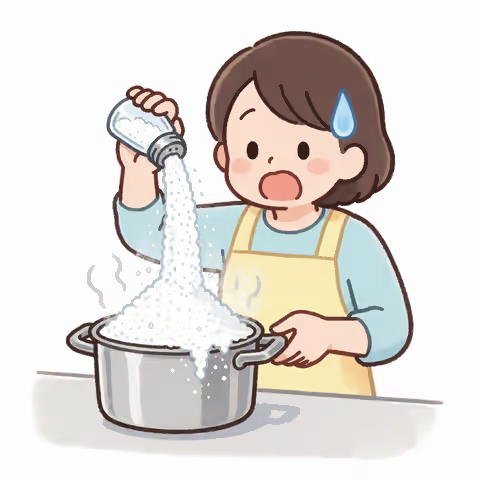
- CJK: 盐 = 鹽. JP 塩(しお). Canto 鹽 jim4. Traditional 鹽. JP 塩 is the Japanese simplify. Classifier 粒 / 勺. Pair 味道 — that card is not the kitchen.
- Fun fact: 盐放得太多了. Over-salted pot. 咸 is the taste; 盐 is the stuff you poured.
- Memorize: Mum, salt shaker dumping: 盐放得太多了.
- Study tip: 盐. Don’t answer 咸. Pair 干 / 零食.
14. 取消(qǔxiāo)
to cancel; to call off · membatalkan
Example: 因为下雨,学校取消了今天下午的比赛。 — Because of the rain, the school called off this afternoon's game.

- CJK: 取 = 取. 消 = 消. JP 取り消す. Canto 取消 ceoi2 siu1. 取 = take back; 消 = erase. Pair 排球 — that afternoon game. Not 删除 a file.
- Fun fact: 学校取消了今天下午的比赛. Rain-out. 取消会议 / 取消订单 are the office twins.
- Memorize: Wet court, game called off: 因为下雨,学校取消了比赛.
- Study tip: 取消. Don’t answer 关 or 删除. Pair 排球.
15. 填写(tiánxiě)
to fill in (a form) · mengisi
Example: 你刚才在网上填写的信息不对。 — The information you just filled in online is incorrect.

- CJK: 填 = 填. 写 = 寫. JP 記入する. Canto 填寫 tin4 se2. Traditional 填寫. Yesterday 表格 was the sheet; 填写 is the verb. 填空 is fill-in-the-blank.
- Fun fact: 网上填写的信息不对. Web form, red error. 填表 is the short twin; the card prints 填写.
- Memorize: Laptop form, wrong fields: 你刚才在网上填写的信息不对.
- Study tip: 填写. Don’t answer 写. Yesterday’s noun was 表格.
16. 出租(chūzū)
to rent out · menyewakan
Example: 这所房子出租。 — This house is for rent.

- CJK: 出 = 出. 租 = 租. JP 賃貸に出す. Canto 出租 ceot1 zou1. 出 = put out; 租 = rent. 出租 = I let it; 租 = I take it. 出租车 is the taxi (HK 的士).
- Fun fact: 这所房子出租. Sign on the gate. 租房子 is the tenant’s verb; the card is the landlord’s.
- Memorize: House, for-rent board: 这所房子出租.
- Study tip: 出租. Don’t answer 租. Not 出租车 unless printed.
17. 零食(língshí)
snack; nibbles · camilan
Example: 不要吃太多零食。 — Don't eat too many snacks.

- CJK: 零 = 零. 食 = 食. JP おやつ / 間食. Canto 零食 ling4 sik6. 零 = odd bits (same 零 as yesterday 零花钱); 食 = food. Not 正餐.
- Fun fact: 不要吃太多零食. Junk between meals. 小吃 is street food; 零食 is the bag at the desk.
- Memorize: Too many snack bags: 不要吃太多零食.
- Study tip: 零食. Don’t answer 食物. Yesterday 零花钱; today 零食.
18. 片(piàn)
slice; sheet; (classifier) stretch of · lembaran; hamparan
Example: 雪停了以后,外面一片白。 — After the snow stopped, it was a stretch of white outside.

- CJK: 片 = 片. JP 一片 / 枚. Canto 片 pin3. Classifier for slices, tablets, CDs, films — today is 一片 + atmosphere. 片子 is a movie; not this sentence.
- Fun fact: 外面一片白. Snowfield, one sheet of white. 一片好心 / 一片安静 use the same classifier.
- Memorize: Window, everything white after snow: 雪停了以后,外面一片白.
- Study tip: 片. Don’t answer 电影. Pattern 一片 + colour / mood.
19. 轻(qīng)
light; easy; (fig.) take lightly · ringan; enteng
Example: 这次考试你别看得太轻,还得好好准备。 — Don't take this exam too lightly; you still need to prepare well.

- CJK: 轻 = 輕. JP 軽い(かるい). Canto 輕 heng1 / hing1. Traditional 輕. JP 軽. Antonym 重. Today is figurative — 看得太轻, not a light suitcase.
- Fun fact: 别看得太轻. Don’t coast. 轻松 is “relaxed”; the card prints 轻.
- Memorize: Slack student, exam coming: 这次考试你别看得太轻.
- Study tip: 轻. Don’t answer 轻松 or 容易. Today is “take lightly.”
20. 否则(fǒuzé)
otherwise; if not; or else · kalau tidak
Example: 快走,否则你要迟到了。 — Hurry up, otherwise you'll be late.
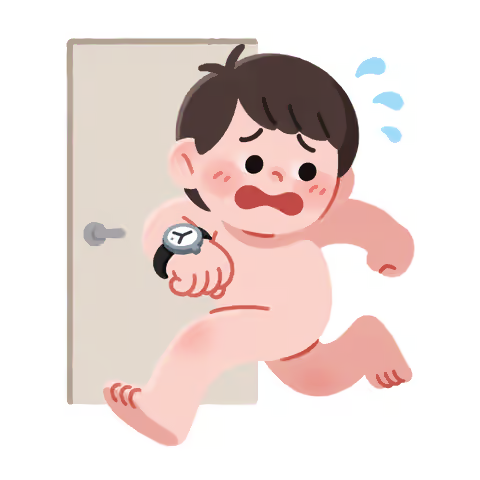
- CJK: 否 = 否. 则 = 則. JP さもなければ. Canto 否則 fau2 zak1. Traditional 否則. Written. Spoken is 要不然 / 不然. Pair 加快 — that card begged for speed; this one threatens the result.
- Fun fact: 快走,否则你要迟到了. Same lateness as 加快, new linker. 否 = if not; 则 = then.
- Memorize: Door, clock, or-else: 快走,否则你要迟到了.
- Study tip: 否则. Don’t answer 但是 or 不然 unless printed. Pair 加快.