Anki session
Japanese 2
日本語
- New
- 20
- Learn
- 27
- Review
- 160
Session: 20 new remaining of the 20/day cap · 27 learning waiting · 160 reviews due.
Click Japanese::Level2, not Level1. Level1 is review-only now. Learning comes first (27 cards), then new mix into the 160 reviews.
This is a second sheet for today (HSK is 2026-09-21.md). Do not mix the decks in one Anki session.
Session plan
- Twenty-seven learning cards are already waiting — clear those first. New cards will interleave with the 160 reviews after.
- Station pair with HSK: 降りる next stop vs HSK 已 the train is already in.
- Homophone: 設ける (set up a slot) is not 儲ける (make money) — same もうける.
- False friend: コート is the tennis court, not a coat.
- 取れる the button came off by itself; don’t conjugate 取る.
- 評価 is the same sentence as yesterday’s #20 — still in the new pile if it wasn’t rated.
- Same-day Canto: 意見 here is “I want your opinion”; Canto 對方 is the other party’s 意見. Yesterday JP 借りる vs Canto 借 today.
- Office cluster: 設ける review time, 対立 two firms, 意見, 検討 by end of day, コピー at the meeting, 評価.
- Calendar / effort: 何度 that shop, 世紀, 新年, 一生懸命, つまらない his talk.
1. 降りる(おりる)
get off, land · turun, mendarat
Example: 次の駅で降ります。 — I get off at the next station.
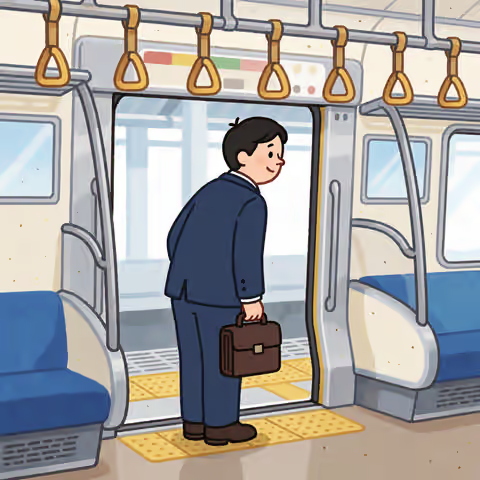
- CJK: 降 = 降 jiàng. Mandarin 下(车). Canto 落 lok6 / 落車. Same 降 as HSK 下降 today (temperature). Intransitive; transitive 降ろす. Not 下りる (come down a slope) on this card.
- Fun fact: 次の駅で降ります. Train door, not a plane landing (that 降りる is in the dictionary too). Pair HSK 已到站…下车: that train is already here; yours is the next stop.
- Memorize: Next-station chime, stand up: 次の駅で降ります.
- Study tip: 降りる. Reading おりる. Don’t answer 乗る. Pair HSK 已.
2. 設ける(もうける)
set up, establish · menyediakan, mengadakan
Example: 授業の終わりに復習の時間を設けた。 — I set up a review time at the end of class.
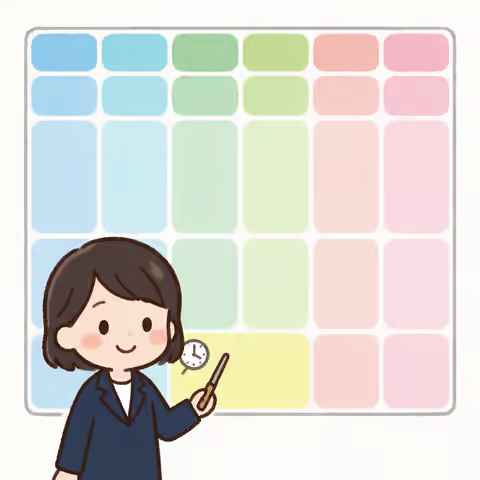
- CJK: 設 = 设 shè. Mandarin 设立 / 安排. Canto 設 sit3. Traditional 設. 儲ける is the money homophone (もうける). 施設 is the noun “facility.”
- Fun fact: 復習の時間を設けた = carved out a slot. If you flash “profit,” you hit 儲ける.
- Memorize: Clock block labelled 復習 at the end of class: 時間を設けた.
- Study tip: 設ける. Don’t answer 儲ける. Same reading, different kanji.
3. 対立(たいりつ)
opposition, antagonism · pertentangan, perselisihan
Example: その2社は対立しています。 — The two companies are against each other.
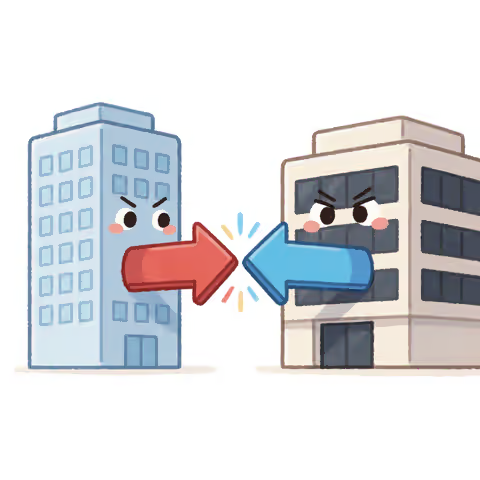
- CJK: 対 = 对 duì. 立 = 立. Mandarin 对立. Canto 對立 deoi3 laap6. Traditional 對立. Suru-noun. Same 対 as 反対 / 対する. Not 戦争.
- Fun fact: 2社は対立している. Two logos facing off, not a street fight. Same-day Canto 對方 is the other party in a discussion — cooler than 対立.
- Memorize: Two company buildings, arrows inward: 2社は対立しています.
- Study tip: 対立. Don’t answer 戦争. Reading たいりつ. Canto 對方 is milder.
4. 頼む(たのむ)
ask, request · minta, pesan
Example: 私はハンバーガーを頼みました。 — I ordered a hamburger.

- CJK: 頼 = 赖 / 頼. Mandarin 拜托 / 点(餐). Canto 靠 / 叫. Shinjitai 頼. Restaurant 頼む = order; also “please do X.” 頼る is “rely on.”
- Fun fact: ハンバーガーを頼んだ. Counter-order, not 食べる. Dictionary “ask a favour”; today is the food order.
- Memorize: Counter, burger ticket: ハンバーガーを頼みました.
- Study tip: 頼む. Today is “order.” Don’t answer 食べる or 頼る. Reading たのむ.
5. 意見(いけん)
opinion · pendapat
Example: あなたの意見が聞きたいです。 — I want to hear your opinion.

- CJK: 意 = 意. 見 = 见 / 見. Mandarin 意见. Canto 意見 ji3 gin3. Same 意 as 意味; 見 as 見る. Suru-noun 意見する is “to advise / object.” Same-day Canto 對方嘅意見.
- Fun fact: 意見が聞きたい. A meeting prompt, not 意味. Canto sheet 對方: respect the other side’s 意見 — same compound.
- Memorize: Notebook, “your view?”: あなたの意見が聞きたいです.
- Study tip: 意見. Don’t answer 意味. Reading いけん. Canto 對方.
6. 土地(とち)
land · tanah
Example: ここは父の土地です。 — This is my father's land.
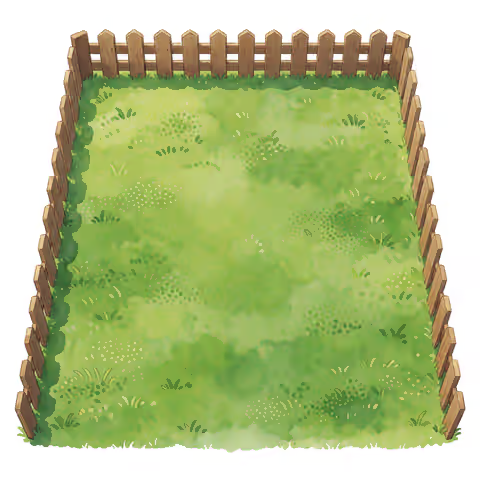
- CJK: 土 = 土. 地 = 地. Mandarin 土地. Canto 土地 tou2 dei6. Reading とち, not どち. Plot / property, not 土 the dirt in your hand. 地面 is the ground underfoot.
- Fun fact: 父の土地. A deed, not a handful of soil. Same 地 as 地球; 土 as 土曜日.
- Memorize: Fence, nameplate, father’s plot: ここは父の土地です.
- Study tip: 土地. Reading とち. Don’t answer 土.
7. 取れる(とれる)
come off, be removed · copot, terlepas
Example: シャツのボタンが取れた。 — My shirt button came off.
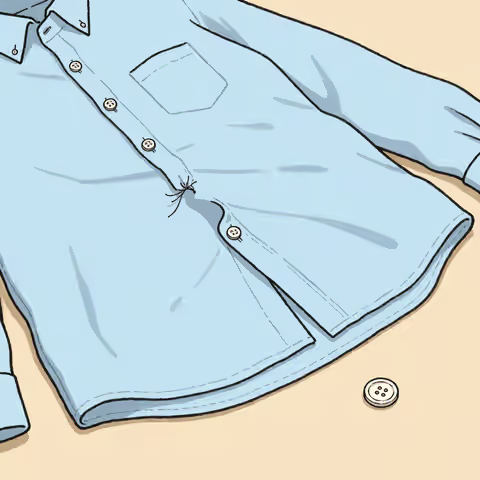
- CJK: 取 = 取. Mandarin 掉了 / 取下. Canto 甩 / 除. Intransitive / potential of 取る. The button が取れた by itself; you 取る it on purpose.
- Fun fact: ボタンが取れた. Accident. 取る is the transitive twin (yesterday-style trap like 並ぶ / 並べる).
- Memorize: Shirt, thread, button on the floor: ボタンが取れた.
- Study tip: 取れる. Don’t answer 取る. Reading とれる.
8. 何度(なんど)
how many times; how many degrees · berapa kali, berapa derajat
Example: あの店には何度も行きました。 — I've been to that shop many times.

- CJK: 何 = 何. 度 = 度 dù. Mandarin 多少次 / 几度. Canto 幾次 / 幾度. 何度も = many times. Bare 何度ですか can be temperature. Same 度 as 温度 / 一度.
- Fun fact: 何度も行った. Repeat visits, not a thermometer. 何度 = how many °C is the other reading — not this sentence.
- Memorize: Same shop door, many footprints: 何度も行きました.
- Study tip: 何度. Today is “many times” (何度も). Don’t answer 何回 unless printed.
9. 愛(あい)
love · cinta, kasih
Example: 彼女は愛をこめて手紙を書いた。 — She wrote a loving letter.

- CJK: 愛 = 爱 ài. Mandarin 爱. Canto 愛 oi3 (Sep 19 Canto sheet). Traditional 愛. Noun on this card; verb is 愛する. 恋 is crush / romance-in-progress.
- Fun fact: 愛をこめて手紙を書いた. Packed into the letter, not 好きです at the door. Canto 愛 three days ago was the same character.
- Memorize: Envelope, heart in the ink: 愛をこめて手紙を書いた.
- Study tip: 愛. Don’t answer 恋 or 好き. Noun; verb 愛する.
10. 世紀(せいき)
century · abad
Example: 新しい世紀の始まりです。 — It's the start of a new century.

- CJK: 世 = 世. 紀 = 纪 / 紀. Mandarin 世纪. Canto 世紀 sai3 gei2. Traditional 世紀. Same 世 as 世界; 紀 as 紀元. 21世紀 = 21st century.
- Fun fact: 新しい世紀の始まり. Calendar rollover, not 世界. 世 is “age / world”; 紀 is the era-count.
- Memorize: 00:00 on a century clock: 新しい世紀の始まりです.
- Study tip: 世紀. Don’t answer 世界. Reading せいき.
11. 検討(けんとう)
consideration, inspection · pengkajian, pertimbangan
Example: 今日中にこの問題を検討してください。 — Please consider this problem by the end of the day.

- CJK: 検 = 检 / 検. 討 = 讨 / 討. Mandarin 探讨 / 研究. Canto 檢討 gim2 tou2 — in Canto/Mandarin 检讨 is often self-criticism; JP 検討 is “look into / consider.” Shinjitai 検.
- Fun fact: 今日中に検討して. Office homework, not a confession. Don’t import 检讨的 tone.
- Memorize: Deadline stamp 今日中, open file: 問題を検討してください.
- Study tip: 検討. JP ≠ Mandarin 检讨. Reading けんとう.
12. コピー(コピー)
copy, photocopy · salinan, fotokopi
Example: 会議で書類のコピーを配った。 — I handed out copies of the document at the meeting.

- CJK: Katakana from English copy. Mandarin 复印件. Canto 影印 / copy. Not 写す (hand-copy) and not 模倣 (imitate).
- Fun fact: 書類のコピーを配った. Stack from the photocopier. コピー機 is the machine. Advertising コピー (copywriting) is a later reading.
- Memorize: Warm stack, pass around the table: コピーを配った.
- Study tip: コピー. Don’t answer 写す.
13. 真ん中(まんなか)
center, middle · tengah; bagian tengah
Example: 道の真ん中に人が立っている。 — Someone is standing in the middle of the road.
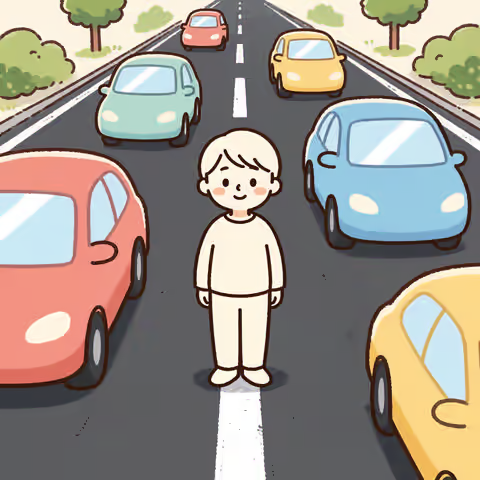
- CJK: 真 = 真. 中 = 中. Mandarin 中间. Canto 中間 / 正中央. Reading まんなか, never しんちゅう. 中 is bound; 真ん中 is the everyday noun. 中央 is more formal / geographic.
- Fun fact: 道の真ん中に人が立っている. Hazard, not 心. 真ん中の人 = the middle one in a photo.
- Memorize: Person planted on the white line: 道の真ん中に人が立っている.
- Study tip: 真ん中. Reading まんなか. Don’t answer 中 or 中央.
14. 禁煙(きんえん)
no smoking; giving up smoking · dilarang merokok, berhenti merokok
Example: 彼は今、禁煙しています。 — He's stopped smoking now.
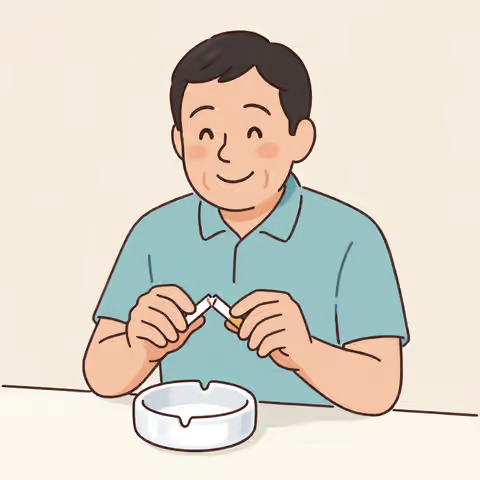
- CJK: 禁 = 禁. 煙 = 烟 / 煙. Mandarin 禁烟 / 戒烟. Canto 禁煙 gam3 jin1. Traditional 禁煙. Sign 禁煙 = no smoking; 禁煙する = quit. Same 煙 as 煙い.
- Fun fact: 禁煙しています = he’s quitting / off cigarettes. The wall sign is the other reading — this sentence is the person.
- Memorize: Broken cigarette, empty ashtray: 今、禁煙しています.
- Study tip: 禁煙. Today is “quit smoking.” Don’t answer タバコ.
15. 新年(しんねん)
New Year · tahun baru
Example: 新年明けましておめでとうございます。 — Happy new year.
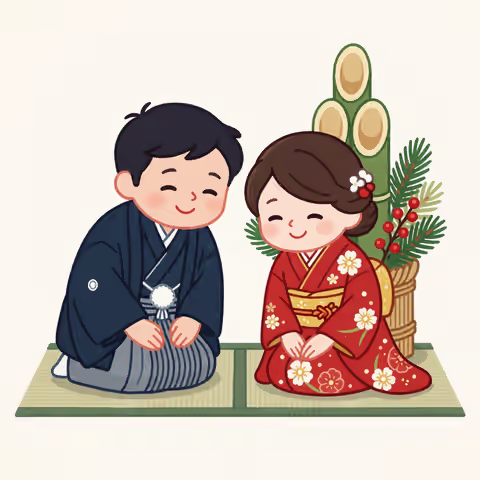
- CJK: 新 = 新. 年 = 年. Mandarin 新年. Canto 新年 san1 nin4. The set greeting 新年明けましておめでとうございます (often shortened 明けまして…). 正月 is the New Year period; 元日 is Jan 1.
- Fun fact: Full polite greeting. 年 is the same 年 as 今年; 明けまして = the year has dawned.
- Memorize: Kadomatsu, bow, greeting: 新年明けましておめでとうございます.
- Study tip: 新年. Don’t answer 正月 unless printed. Reading しんねん.
16. 一生懸命(いっしょうけんめい)
with all one's might · sekuat tenaga, bersungguh-sungguh
Example: 彼は毎日一生懸命働いている。 — He works hard every day.

- CJK: 一 = 一. 生 = 生. 懸 = 悬 / 懸. 命 = 命. Mandarin 拼命 / 努力. Canto 拼命 / 盡力. Historical 一所懸命 (one fief = one’s life). Adverb; no する required.
- Fun fact: 毎日一生懸命働いている. Sweat, not a one-off 頑張って. Four kanji, one adverb.
- Memorize: Same desk, every day, full effort: 一生懸命働いている.
- Study tip: 一生懸命. Reading いっしょうけんめい. Don’t answer 頑張る unless printed.
17. 輸入(ゆにゅう)
import · impor
Example: これはイタリアから輸入した服です。 — These clothes are imported from Italy.

- CJK: 輸 = 输 / 輸. 入 = 入. Mandarin 进口. Canto 入口 jap6 hau2 (trade). Traditional 輸入. Reading ゆにゅう, not しゅにゅう. Antonym 輸出. Same 入 as HSK 入 yesterday (join the class) and JP 入学.
- Fun fact: イタリアから輸入した服. Tag says imported. 輸出 is the opposite arrow. 入 here is “bring in,” not 入学.
- Memorize: Italian flag on a clothing tag: イタリアから輸入した服.
- Study tip: 輸入. Reading ゆにゅう. Pair 輸出. Don’t answer 入口.
18. つまらない(つまらない)
boring, dull · membosankan
Example: 彼の話はつまらないですね。 — What he's talking about is boring.

- CJK: Adjective, kana on this card. Mandarin 无聊. Canto 悶 / 無謂. Also “trivial / not worth it” (つまらないものですが). Today is boring talk.
- Fun fact: 話はつまらない. Yawn, not 面白い. 詰まらない etymology (not piling up) is a later hook.
- Memorize: Listener checking the clock: 彼の話はつまらないですね.
- Study tip: つまらない. Don’t answer 面白い. Today is “boring.”
19. コート(コート)
court · lapangan
Example: 新しいコートでテニスをしました。 — I played tennis on the new court.
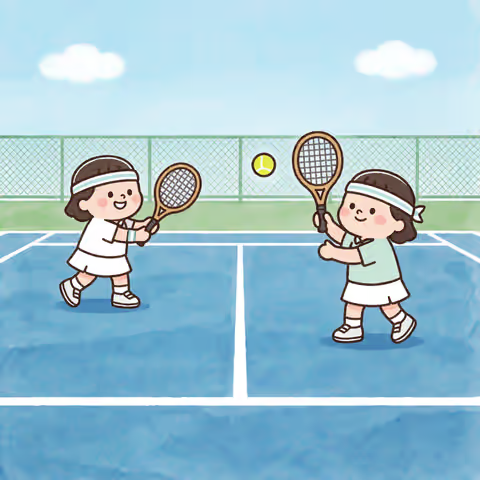
- CJK: Katakana from English court. Mandarin 球场. Canto 球場. False friend: コート also means coat (the garment) on other cards. This example is テニス.
- Fun fact: 新しいコートでテニス. Painted lines, not a winter コート. Yesterday ホーム was platform-not-home; today court-not-coat.
- Memorize: Fresh tennis lines, racket: 新しいコートでテニスをしました.
- Study tip: コート. Today is court. Don’t gloss as coat.
20. 評価(ひょうか)
evaluation, appraisal · penilaian, evaluasi
Example: 最近、彼の評価が上がった。 — He's been receiving more recognition lately.

- CJK: 評 = 评 píng. 価 = 价 / 價. Mandarin 评价. Canto 評價 ping4 gaa3. Traditional 評價. 価 is the JP simplify of 價 (価/権/広 family). Same sentence as yesterday’s #20 — leftover new if it wasn’t rated.
- Fun fact: 評価が上がった = standing went up, not 成績. 高い評価 = high praise. 価 ≠ 値.
- Memorize: Thumbs-up chart next to him: 彼の評価が上がった.
- Study tip: 評価. 価 = 价/價. Don’t answer 値段. Reading ひょうか.