Anki session
HSK 4
汉语
- New
- 20
- Learn
- 0
- Review
- 112
Session: 20 new remaining of the 20/day cap · 0 learning waiting · 112 reviews due.
Click HSK::Level 4, not the parent HSK. No learning queue, so new cards mix into the 112 reviews.
Session plan
- Nothing in learning. When a new one pops, match it to the number below.
- Station pair with Japanese today: 已 the train is already in — get off fast vs JP 降りる at the next station.
- Yesterday 平常 was ordinary clothes; today 普通 is an ordinary restaurant. Keep the pictures apart.
- Same-day Canto 皮 is a banana peel; here 皮鞋 is the leather pair for work.
- Sense traps: 已 is the bound “already,” not spoken 已经; 量 is liáng measure height, not liàng amount; 单位 is the centimeter, not the 工作单位; 各个 is one-by-one, not 每个; 感谢 is the speech, not 谢谢; 午餐 not 午饭; 烦 is bother him, not 麻烦; 厕所 not 洗手间; 结账 not 买单; 获得 first place, not 得到; 之前 not 以前; 倍 is 两倍, not 两次.
- Street / body: 仔细 both sides of the road, 下降 temperature, 受不了 broken AC.
- Food / show: 午餐 at twelve, 京剧, 精彩 this program.
1. 已(yǐ)
already; to stop; then · sudah; kemudian
Example: 火车已到站,我们快下车吧。 — The train has already arrived at the station; let's get off quickly.
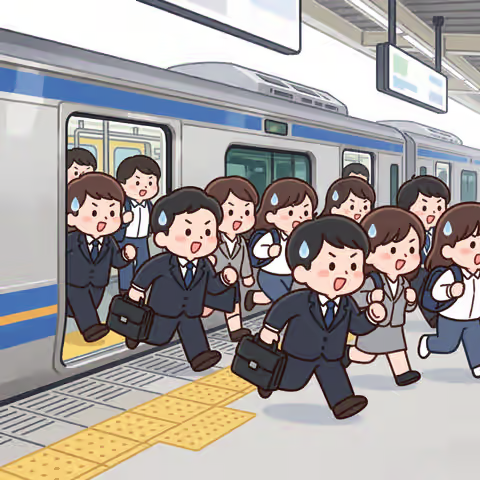
- CJK: 已 = 已. JP 已(すで)に / 既に. Canto 已經 / 經已 jing1 ji5. Same 已 as 已经 / 而已. Bound; spoken “already” is 已经.
- Fun fact: 火车已到站 → 快下车. Literary 已, same meaning as 已经. Pair with JP 降りる today: that card is the next station; this one is already here.
- Memorize: Doors open, hurry off: 火车已到站,快下车.
- Study tip: 已. Don’t answer 已经 unless printed. Pair with JP 降りる.
2. 仔细(zǐxì)
careful; attentive · teliti; hati-hati
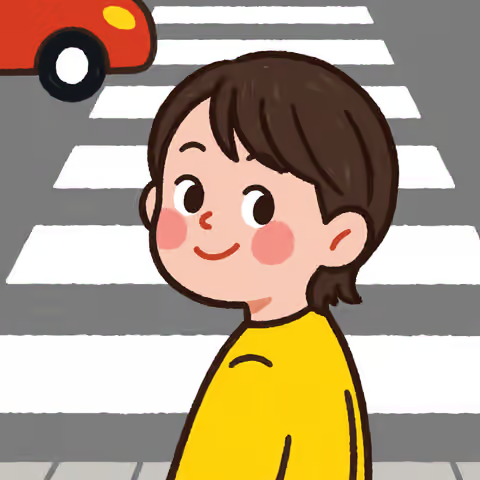
Example: 过马路的时候,你得仔细看两边的车。 — When you cross the street, you must look carefully at the cars on both sides.
- CJK: 仔 = 仔. 细 = 細. JP 詳しく / 注意して. Canto 仔細 zi2 sai3. Traditional 仔細. Same 细 as 细心. Not 小心 alone (that’s “watch out”).
- Fun fact: 仔细看两边的车 = inspect both directions. 小心过马路 is the warning; 仔细 is how you look. Dialect “thrifty” is not this sentence.
- Memorize: Kerbside, head left then right: 仔细看两边的车.
- Study tip: 仔细. Don’t answer 小心. Reading zǐxì.
3. 单位(dānwèi)
unit (of measure); work unit · satuan; unit kerja
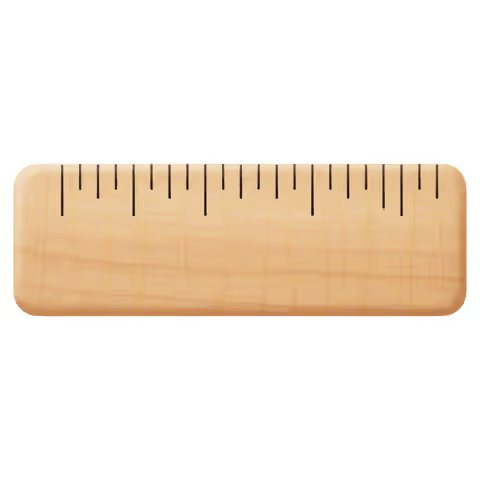
Example: 厘米是长度单位。 — The centimeter is a unit of length.
- CJK: 单 = 單. 位 = 位. JP 単位(たんい). Canto 單位 daan1 wai2. Traditional 單位. Same 单 as 简单; 位 as 位置. Dictionary lists PRC 工作单位; today is the centimetre.
- Fun fact: 厘米是长度单位. School-science 单位. 工作单位 is the old “where you work”; don’t flash 公司.
- Memorize: Ruler marked cm: 厘米是长度单位.
- Study tip: 单位. Today is a measure unit. Don’t answer 公司.
4. 皮鞋(píxié)
leather shoes · sepatu kulit
Example: 今天他穿着那双新皮鞋去上班。 — He wore that pair of new leather shoes to work today.

- CJK: 皮 = 皮. 鞋 = 鞋. JP 革靴(かわぐつ). Canto 皮鞋 pei4 haai4. Classifier 双. Same 皮 as Canto 皮 today (banana peel!) and HSK 皮肤 (Sep 16). 运动鞋 is sneakers.
- Fun fact: 那双新皮鞋去上班. Office leather, not 拖鞋. Canto 皮 on the other sheet is the peel you throw away — same 皮, different noun.
- Memorize: Shiny pair at the office door: 穿着那双新皮鞋去上班.
- Study tip: 皮鞋. Classifier 双. Don’t answer 鞋 or 运动鞋. Canto sheet is 皮.
5. 各个(gègè)
every; one by one · masing-masing; satu per satu
Example: 我们各个检查一下。 — Let's check them one by one.

- CJK: 各 = 各. 个 = 個. JP 各々 / 一つ一つ. Canto 各個 gok3 go3. Traditional 各個. Same 各 as yesterday 各种. Reduplicated 个 = one at a time.
- Fun fact: 各个检查 = inspect separately, not “every kind.” Yesterday 各种书 was types on a shelf. 每个 is “each one” with a noun.
- Memorize: Checklist, tick one then the next: 我们各个检查一下.
- Study tip: 各个. Don’t answer 每个 or 各种. Pair with yesterday 各种.
6. 感谢(gǎnxiè)
thanks; grateful · berterima kasih; rasa terima kasih
Example: 这学期老师帮了我们,我非常感谢。 — I'm really grateful to the teacher for helping us this semester.

- CJK: 感 = 感. 谢 = 謝. JP 感謝(かんしゃ). Canto 感謝 gam2 ze6. Traditional 感謝. Same 谢 as 谢谢. 感谢 is the formal verb/noun; 谢谢 is the spoken thanks.
- Fun fact: 非常感谢老师. A speech, not a cashier 谢谢. 感恩 is a later, heavier word.
- Memorize: End-of-term bow to the teacher: 我非常感谢.
- Study tip: 感谢. Don’t answer 谢谢 unless printed.
7. 下降(xiàjiàng)
to drop; to decline · turun; menurun
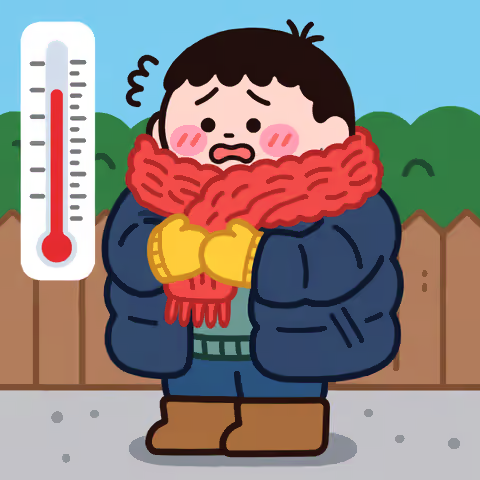
Example: 最近气温下降得很快,出门要多穿衣服。 — The temperature has dropped quickly lately, so put on more clothes when you go out.
- CJK: 下 = 下. 降 = 降. JP 下降(かこう) / 下がる. Canto 下降 haa6 gong3. Same 下 as 下午; 降 as 降落. Antonym 上升. 降低 is a close verb; this card prints 下降.
- Fun fact: 气温下降得很快. Weather graph, then extra layers. 下车 is a different 下.
- Memorize: Thermometer falling, extra coat: 气温下降得很快.
- Study tip: 下降. Don’t answer 降低 or 下. Pair 上升.
8. 午餐(wǔcān)
lunch · makan siang
Example: 下午有会,我们十二点先吃午餐。 — There is a meeting this afternoon, so let's have lunch at twelve first.
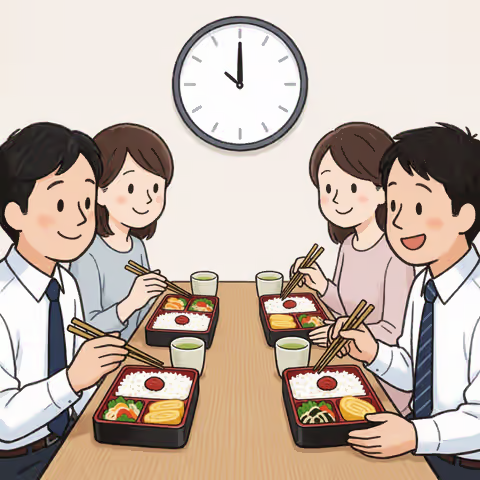
- CJK: 午 = 午. 餐 = 餐. JP 昼食(ちゅうしょく) / ランチ. Canto 午餐 ng5 caan1. Same 午 as 中午 / 下午; 餐 as 餐厅. Spoken 午饭; HSK 4 still wants 午餐. Classifier 份 / 顿.
- Fun fact: 十二点先吃午餐,下午有会. Formal 餐. 早饭 / 晚饭 are the other meals; 中饭 is regional.
- Memorize: Clock at 12, tray, then a meeting: 十二点先吃午餐.
- Study tip: 午餐. Don’t answer 午饭 unless printed.
9. 量(liáng)
to measure · mengukur
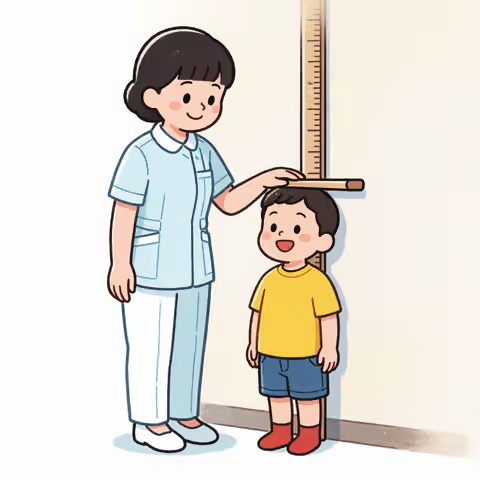
Example: 请量一下身高。 — Please measure your height.
- CJK: 量 = 量. JP 量る(はかる). Canto 量 loeng4. Reading on this card is liáng (2nd, verb). Noun liàng (quantity / 量词) is a different tone. Same character as 数量.
- Fun fact: 量身高 = height stick, not “a large 量 of.” If you flash 数量 or read liàng, you missed the verb.
- Memorize: Height rod against the wall: 请量一下身高.
- Study tip: 量. Tone liáng. Don’t answer 数量. Not liàng today.
10. 普通(pǔtōng)
ordinary; common · biasa; umum
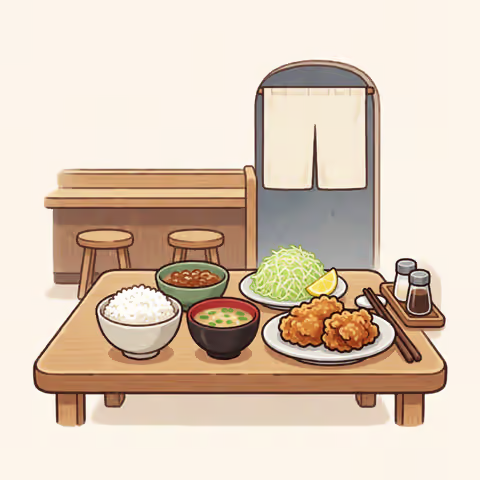
Example: 这是一家很普通的餐厅,不过菜还不错。 — This is a very ordinary restaurant, but the food is pretty good.
- CJK: 普 = 普. 通 = 通. JP 普通(ふつう). Canto 普通 pou2 tung1. Same 通 as 通过. Yesterday 平常 was plain clothes; today is a plain shop. 普通话 is the language name — not this sentence.
- Fun fact: 很普通的餐厅,菜还不错. Nothing fancy, food ok. Don’t import yesterday’s hanger picture.
- Memorize: Unmarked storefront, decent plates: 很普通的餐厅.
- Study tip: 普通. Don’t answer 平常. Yesterday was clothes.
11. 京剧(jīngjù)
Beijing opera · opera Beijing
Example: 我喜欢看京剧。 — I like watching Beijing opera.

- CJK: 京 = 京. 剧 = 劇. JP 京劇(きょうげき). Canto 京劇 ging1 kek6. Traditional 京劇. 京 = Beijing; 剧 = drama. Not 话剧 (spoken play) or 歌剧 (Western opera). Classifier 场 / 出.
- Fun fact: 看京剧. Face paint and jinghu, not a TV 电视剧. 京 here is the city, same 京 as 北京.
- Memorize: Painted face, stage: 我喜欢看京剧.
- Study tip: 京剧. Don’t answer 话剧 or 电影.
12. 烦(fán)
vexed; to bother · kesal; mengganggu
Example: 有问题来问我,别老烦他。 — If you have questions, come ask me; don't keep bothering him.

- CJK: 烦 = 煩. JP 煩わしい / 邪魔. Canto 煩 faan4. Traditional 煩. Same 烦 as 麻烦. Verb “bother someone”; also “I’m 烦.”
- Fun fact: 别老烦他 = stop pestering. 麻烦你 is a polite “could I trouble you”; this 烦 is the annoyance. 烦恼 is the noun “worries.”
- Memorize: Wave them toward you, not him: 别老烦他.
- Study tip: 烦. Don’t answer 麻烦. Today is “bother.”
13. 厕所(cèsuǒ)
toilet · toilet; WC
Example: 请问,厕所在哪里? — Excuse me, where is the toilet?

- CJK: 厕 = 廁. 所 = 所. JP トイレ / 便所. Canto 廁所 ci3 so2. Traditional 廁所. Same 所 as 所以 / 场所. Spoken 洗手间 / 卫生间; this card prints 厕所. Classifier 间.
- Fun fact: 厕所在哪里 is the traveller question. 茅房 is dated; 洗手间 is the polite office word.
- Memorize: Corridor sign, ask: 厕所在哪里?
- Study tip: 厕所. Don’t answer 洗手间 unless printed.
14. 结账(jiézhàng)
to settle the bill · bayar tagihan; minta bill
Example: 我们现在去结账吧。 — Let's go pay the bill now.

- CJK: 结 = 結. 账 = 帳 / 賬. JP 会計(かいけい). Canto 結帳 git3 zoeng3. Traditional 結帳. Same 结 as 结束 / 结婚; 账 as 账户. Mainland restaurant 买单; HSK wants 结账.
- Fun fact: 现在去结账. End of the meal, not 结束 the party. 账 is the account.
- Memorize: Wave for the bill at the till: 我们现在去结账吧.
- Study tip: 结账. Don’t answer 买单 or 付钱.
15. 精彩(jīngcǎi)
wonderful; brilliant · bagus sekali; cemerlang
Example: 这个节目很精彩。 — This show is wonderful.

- CJK: 精 = 精. 彩 = 彩. JP 素晴らしい / 精彩. Canto 精彩 zing1 coi2. Same 精 as 精神; 彩 as 彩色. Not 好看 (looks good) or 有意思.
- Fun fact: 节目很精彩 = the show landed. 精彩纷呈 is the stretched idiom. Pair with 京剧 if both pop: opera can be 精彩 too.
- Memorize: Audience clap, bright stage: 这个节目很精彩.
- Study tip: 精彩. Don’t answer 好看.
16. 获得(huòdé)
to obtain; to get · meraih; mendapat
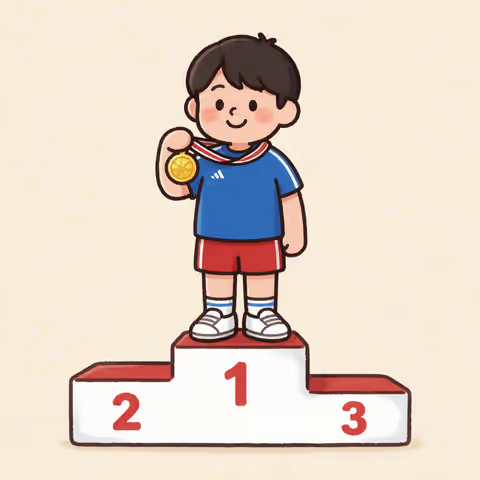
Example: 他获得了第一名。 — He got first place.
- CJK: 获 = 獲. 得 = 得. JP 獲得(かくとく). Canto 獲得 wok6 dak1. Traditional 獲得. Same 得 as 得到. Formal “be awarded”; 得到 / 拿到 are spoken.
- Fun fact: 获得第一名 = podium, not 买到 a ticket. 获奖 is “win a prize.” Don’t flash 得到.
- Memorize: Gold medal, first place: 他获得了第一名.
- Study tip: 获得. Don’t answer 得到. Formal verb.
17. 距离(jùlí)
distance; to be apart from · jarak; berjarak
Example: 银行距离这里不远。 — The bank is not far from here.
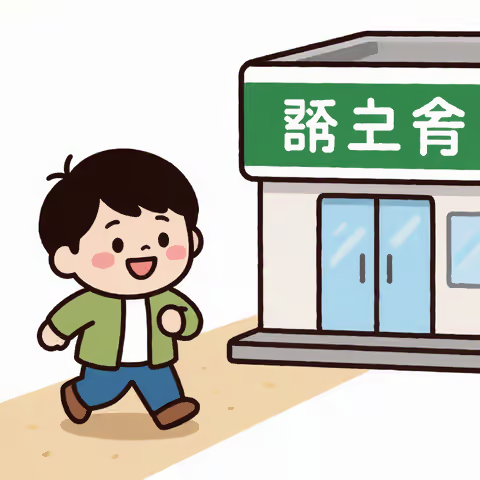
- CJK: 距 = 距. 离 = 離. JP 距離(きょり). Canto 距離 keoi5 lei4. Traditional 距離. Same 离 as 离开 / 离这儿. Spoken often 离这里不远; the card prints 距离.
- Fun fact: 距离这里不远. A span, not 离开 the bank. 距 is bound; 离 is the everyday verb.
- Memorize: Map pin, short walk to the bank: 银行距离这里不远.
- Study tip: 距离. Don’t answer 离 unless printed.
18. 之前(zhīqián)
before; prior to · sebelum; sebelumnya
Example: 来中国之前,我在家学过一点儿中文。 — Before I came to China, I studied a little Chinese at home.

- CJK: 之 = 之. 前 = 前. JP ~の前に. Canto 之前 zi1 cin4. Same 前 as 以前 / 前面. Pattern V 之前. 以前 is a looser “in the past.”
- Fun fact: 来中国之前…在家学过. Anchored to the arrival. 以前我学中文 doesn’t need a reference event.
- Memorize: Suitcase, then the plane: 来中国之前,在家学过中文.
- Study tip: 之前. Don’t answer 以前. Needs a reference event.
19. 受不了(shòubuliǎo)
unbearable; can't stand · tidak tahan
Example: 空调坏了,这么热我真受不了。 — The air conditioner is broken; it's so hot I really can't stand it.

- CJK: 受 = 受. 不 = 不. 了 = 了. JP 耐えられない. Canto 頂唔順 / 受唔了. Potential complement: 受 + 不了. Opposite 受得了. Same 受 as 接受.
- Fun fact: 这么热我真受不了. Heat, not “I can’t receive it.” 受不了 + noun also “can’t stand that person.”
- Memorize: Sweat, dead AC: 这么热我真受不了.
- Study tip: 受不了. Don’t answer 不能. Pair 受得了.
20. 倍(bèi)
-fold; times (multiplier) · kali lipat
Example: 他的工资是我的两倍。 — His salary is twice mine.

- CJK: 倍 = 倍. JP 倍(ばい). Canto 倍 pui5. Pattern N 倍: 两倍 = ×2, 三倍 = ×3. Same 倍 as 加倍. Not 次 (times as in occurrences).
- Fun fact: 工资是我的两倍 = twice as much, not “he got paid twice.” 双倍 is a twin; HSK prints 倍.
- Memorize: Two pay envelopes next to one: 工资是我的两倍.
- Study tip: 倍. Don’t answer 次. 两倍 = twice as much.