Anki session
Cantonese 2
廣東話
- New
- 20
- Learn
- 0
- Review
- 73
Session: 20 new remaining of the 20/day cap · 0 learning waiting · 73 reviews due.
Click Cantonese::Level2, not Level1. Level1 is review-only now. No learning queue today, so new cards mix into the 73 reviews.
This is a third sheet for today (HSK is 2026-09-20.md, Japanese is 2026-09-20-japanese-level2.md).
Session plan
- Seventy-three reviews. Clear those as they come; the new twenty mix in.
- Same-day Japanese: 自由 here is liberty in the city; JP 自由 is free time. Keep the sentences apart.
- Sense traps: 渣 is “lousy” (the sharpener), not tea dregs in the cup; 言 is the root in 語言, not a verb you conjugate; 行埋 in this sentence is the bedroom euphemism, not “walk closer”; 係咩 is the shock tag, not 係咪; 次 is this sitting of the exam.
- Glue: 噉就 don’t go, 都可以 eat anything, 唔理 how small the room, 就真 sorry, 兩句 let me speak, 陣間 the conclusion in a bit, 我哋嘅 right to speak.
- Police cluster: 報警 we may have to, 搶 they snatched the bag — same day, same call.
- Everyday: 電視 sports, 相當 grades, 一張 not one photo, 十五 Form 3, 支持 activists.
1. 電視(din6 si6)
television; TV · televisi; TV
Example: 我鍾意喺電視睇好多運動節目。 — I like watching lots of sports programs on TV.

- CJK: 電 = 电 diàn. 視 = 视. Mandarin 电视. JP テレビ. Traditional 電視. Same 電 as 電話. Verb is 睇電視, not 看電視 in Canto.
- Fun fact: 喺電視睇運動節目. The box / the channel. 電視城 is a studio; today is the set at home. JP uses the loan テレビ.
- Memorize: Sofa, sports on the screen: 喺電視睇好多運動節目.
- Study tip: 電視. Verb 睇. Don’t answer 電視城. Reading din6 si6.
2. 係咩(hai6 me1)
really? is that true? · benarkah?; memang?
Example: 你真係唔去?係咩? — You're really not going? Really?

- CJK: 係 = 系 / 是. 咩 = sentence particle me1. Mandarin 是吗 / 真的吗. JP 本当に?. Not 係咪 hai6 mai6 (A-not-A “is it?”).
- Fun fact: 係咩 is the surprise check after 真係唔去. 咩 as “what” is me1 / me5 in other sentences; here it’s the tag. Don’t flash 係咪.
- Memorize: Raised eyebrows: 你真係唔去?係咩?
- Study tip: 係咩. Don’t answer 係咪. Reading hai6 me1.
3. 渣(zaa1)
dregs; lousy · ampas; payah
Example: 呢個筆刨好渣,刨幾吓支筆就斷。 — This pencil sharpener is terrible, breaks pencils after a few turns.
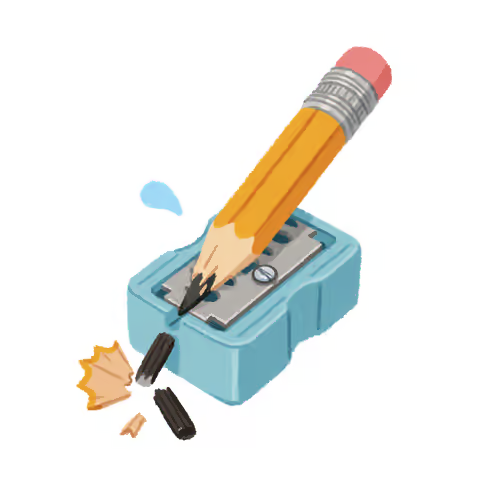
- CJK: 渣 = 渣 zhā. Mandarin 渣 (dregs) / 烂. JP かす / ひどい. Dictionary “dregs”; today is HK slang: rubbish, useless. 筆刨 = sharpener.
- Fun fact: 好渣 = it sucks. Tea 茶渣 is actual dregs — not this card. 渣男 is a later insult. The pencil snaps; that’s the picture.
- Memorize: Broken lead, cheap sharpener: 呢個筆刨好渣.
- Study tip: 渣. Don’t answer 爛 unless printed. Today is “lousy.” Reading zaa1.
4. 言(jin4)
to speak; speech (bound) · berbicara; bahasa (akar kata)
Example: 因為識講五種語言,Olga入到職。 — Olga got the job because she can speak five languages.

- CJK: 言 = 言 yán. Mandarin 言 / 语言. JP 言(げん). Bound in 語言 jyu5 jin4. Same 言 as JP yesterday 発言. You don’t say 言五種 as a verb.
- Fun fact: Five 語言 got her the job. 講 is the spoken verb; 言 is the morpheme. Don’t conjugate 言 like Mandarin 言.
- Memorize: Five language badges, hired: 識講五種語言.
- Study tip: 言. Don’t answer 講. The compound is 語言. Reading jin4.
5. 噉就(gam2 zau6)
then; in that case · kalau begitu; maka
Example: 噉就唔好去啦! — Then don't go!

- CJK: 噉 = Canto gam2 (这样). 就 = 就. Mandarin 那就. JP それなら. Spoken glue: given that, then…. Not 咁做 (do it that way) alone.
- Fun fact: 噉就唔好去 = if that’s the case, cancel. 噉 is Canto “thus”; 就 pushes the next action. Same-day 都可以 is the easy-going twin.
- Memorize: Hand wave, stay home: 噉就唔好去啦!
- Study tip: 噉就. Don’t answer 咁. Reading gam2 zau6.
6. 次(ci3)
time; this sitting; next · kali; berikutnya
Example: 呢次考試我一定要合格。 — I must pass this exam.

- CJK: 次 = 次 cì. Mandarin 次 / 这次. JP 次(じ) / 回. Classifier for attempts. 呢次 = this time (this exam sitting). Not 下次 only.
- Fun fact: 呢次考試…合格. One sitting. 第一次 was HSK yesterday’s 参赛 flavour; here 次 is the counter itself. 次次 = every time.
- Memorize: Exam paper, this round: 呢次考試我一定要合格.
- Study tip: 次. Don’t answer 回. Reading ci3. 呢次 = this time.
7. 陣間(zan6 gaan1)
soon; in a while · sebentar lagi; nanti
Example: 陣間我嘅結論會快啲。 — My conclusion will be a bit quicker soon.

- CJK: 陣 = 阵 zhèn. 間 = 间. Mandarin 一会儿. JP しばらくしたら. HK 陣間 = in a moment (same meeting / same afternoon). Not 呢陣 (right now).
- Fun fact: 陣間…結論會快啲. Speaker still talking; the end is coming. 一陣間 is the same idea. Don’t flash 而家.
- Memorize: Clock, wrap-up soon: 陣間結論會快啲.
- Study tip: 陣間. Don’t answer 而家. Reading zan6 gaan1.
8. 我哋嘅(ngo5 dei6 ge3)
our; ours · milik kita; kita punya
Example: 我哋要爭取我哋嘅發言權。 — We need to fight for our right to speak.

- CJK: 我 = 我. 哋 = plural. 嘅 = 的. Mandarin 我们的. JP 私たちの. Possessive 我哋嘅. Same 發言 as JP yesterday 発言.
- Fun fact: 我哋嘅發言權 = our right to speak. 我嘅 is mine; 我哋嘅 is the group. 嘅 is the linker, not a verb.
- Memorize: Group, megaphone: 爭取我哋嘅發言權.
- Study tip: 我哋嘅. Don’t answer 我嘅. Reading ngo5 dei6 ge3.
9. 報警(bou3 ging2)
to report to the police; to sound an alarm · lapor polisi
Example: 好可能我哋要報警。 — It's quite possible we'll have to call the police.

- CJK: 報 = 报 bào. 警 = 警. Mandarin 报警. JP 通報する / 警察に電話. Traditional 報警. Same-day 搶 is why you call. 警察 is the noun.
- Fun fact: 要報警 = make the call. 報警電話 is 999 in HK. Not 警告 (warn someone). Pair with 搶 later.
- Memorize: Phone to 999: 好可能我哋要報警.
- Study tip: 報警. Don’t answer 警察. Reading bou3 ging2.
10. 就真(zau6 zan1)
really; indeed · benar-benar; sungguh
Example: 就真對唔住。 — I'm really sorry.

- CJK: 就 = 就. 真 = 真. Mandarin 真的 / 实在. JP 本当に. Softener + “truly.” Not the tag 係咩.
- Fun fact: 就真對唔住 = sorry, I mean it. 真係 is the everyday twin; this card prints 就真. Don’t mix with 係咩’s surprise.
- Memorize: Head down, apology: 就真對唔住.
- Study tip: 就真. Don’t answer 係咩. Reading zau6 zan1.
11. 支持(zi1 ci4)
support; sustain · mendukung; menopang
Example: 有幾個社運人士出嚟支持我哋,但最後被拉咗。 — Several activists came out to support us but ended up arrested.
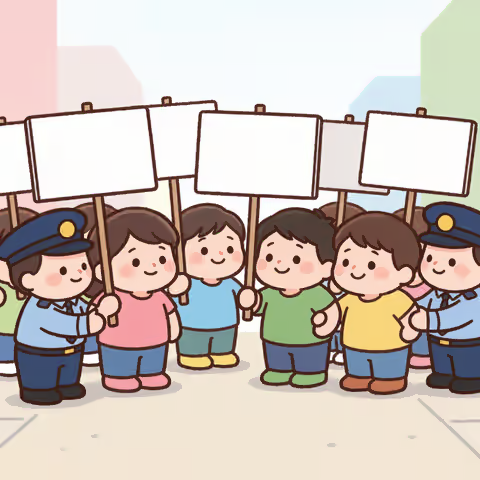
- CJK: 支 = 支. 持 = 持. Mandarin 支持. JP 支持(しじ). Same word across CJK. Verb: 支持我哋. 拉 = arrest in Canto.
- Fun fact: 出嚟支持…被拉咗. Political backing, then the van. 精神支持 is moral support; today they showed up. Not 撐 (slang) unless printed.
- Memorize: Placards, then cuffs: 出嚟支持我哋,被拉咗.
- Study tip: 支持. Don’t answer 撐 unless printed. Reading zi1 ci4.
12. 自由(zi6 jau4)
free; freedom; liberty · bebas; kebebasan
Example: 喺呢個城市,人人都渴望自由。 — In this city, everyone longs for freedom.

- CJK: 自 = 自. 由 = 由. Mandarin 自由. JP 自由(じゆう) — same characters on the Japanese sheet, but that sentence is 自由な時間. Here it is civic liberty.
- Fun fact: 人人都渴望自由. City-wide longing. Don’t import JP “free time today.” 自由行 is visa-free travel — not this card.
- Memorize: City skyline, open sky: 人人都渴望自由.
- Study tip: 自由. Today is liberty. JP sheet is free time. Reading zi6 jau4.
13. 唔理(m4 lei5)
to ignore; to not care · tidak peduli; mengabaikan
Example: 我唔理間房幾細,有張床就得。 — I don't care how small the room is, as long as there's a bed.

- CJK: 唔 = not. 理 = 理 lǐ (pay attention). Mandarin 不管 / 不理. JP 構わない. Pattern 唔理 A,B 就得. 理人 = pay someone mind.
- Fun fact: 唔理間房幾細 = size is irrelevant; bed is the condition. 唔理 can be rude “I’m ignoring you”; here it’s “I don’t mind.”
- Memorize: Tiny room, one bed, shrug: 唔理間房幾細,有張床就得.
- Study tip: 唔理. Don’t answer 不管 unless that’s printed. Reading m4 lei5.
14. 兩句(loeng5 geoi3)
a few words · beberapa patah kata
Example: 等我講兩句。 — Let me say a few words.

- CJK: 兩 = 两 liǎng. 句 = 句. Mandarin 两句 / 说两句. JP 一言. Not literally only two sentences — a short remark. Classifier 句 for utterances.
- Fun fact: 講兩句 = grab the mic for a moment. Same-day 言 is the bound root; this is the spoken chunk. 三言兩語 is the idiom cousin.
- Memorize: Stand up, short remark: 等我講兩句.
- Study tip: 兩句. Don’t answer 一句 unless printed. Reading loeng5 geoi3.
15. 相當(soeng1 dong1)
quite; fairly; equivalent · cukup; setara
Example: 佢成績相當好。 — His grades are quite good.

- CJK: 相 = 相. 當 = 当. Mandarin 相当. JP 相当(そうとう). Traditional 相當. Degree adverb 相當好. Also “equivalent to” in other sentences.
- Fun fact: 成績相當好 = pretty good, not 非常. Dictionary lists “equivalent”; today is the degree reading. 好相當 would be wrong order.
- Memorize: Report card, quite high: 佢成績相當好.
- Study tip: 相當. Don’t answer 非常. Today is “quite.” Reading soeng1 dong1.
16. 一張(jat1 zoeng1)
one (flat-object classifier) · satu (penggolong benda datar)
Example: 我以為男朋友係攝影師,佢一定會幫我影好多靚相,點知佢從來冇幫我影過一張相。 — I thought having a photographer as a boyfriend meant he'd take lots of nice photos of me, but he never took a single one.

- CJK: 一 = 一. 張 = 张 zhāng. Mandarin 一张. JP 一枚 / 一枚の写真. Classifier for photos, paper, tickets, tables, faces. 一張相.
- Fun fact: 冇…一張相 = not even one print. The punchline is the zero. 張 is the measure; 相 is the photo. Same-day 唔理 also used 張床.
- Memorize: Empty photo album: 從來冇影過一張相.
- Study tip: 一張. Classifier. Don’t answer 一個 for a photo. Reading jat1 zoeng1.
17. 十五(sap6 ng5)
fifteen; 15 · lima belas; 15
Example: 我十五歲嗰陣已經讀中三。 — I was in Form 3 when I was fifteen.

- CJK: 十 = 十. 五 = 五. Mandarin 十五. JP 十五(じゅうご). HK 中三 = Form 3 (roughly grade 9). 歲 for age.
- Fun fact: 十五歲…讀中三. Local school clock, not 九年级. 十五 also the 15th of the month in other sentences; today is age.
- Memorize: Birthday 15, Form 3 uniform: 十五歲嗰陣讀中三.
- Study tip: 十五. Don’t answer 中三. Reading sap6 ng5.
18. 行埋(haang4 maai4)
sleep together (euphemism) · tidur bersama (eufemisme)
Example: 佢哋拍拖冇幾耐已經行埋一齊。 — They've been dating for a short time but already slept together.

- CJK: 行 = 行. 埋 = Canto maai4 (closer / together). Mandarin 发生关系 / 同居. JP 一緒になる(婉曲). Literal “walk closer”; this card is 行埋一齊 = became physically intimate.
- Fun fact: 拍拖冇幾耐已經行埋一齊. Short dating, already that step. 行埋嚟 is “come over here” — different. 行街 is the outing. Keep it as a set phrase, not a walk.
- Memorize: Two toothbrushes too soon: 拍拖冇幾耐已經行埋一齊.
- Study tip: 行埋. Don’t answer 行街 or 行埋嚟. Today is the euphemism. Reading haang4 maai4.
19. 都可以(dou1 ho2 ji5)
all right; anything’s fine · boleh saja; tidak apa-apa
Example: 食咩都可以,我唔計較。 — Anything is fine, I don’t mind what we eat.

- CJK: 都 = 都. 可以 = 可以. Mandarin 都可以 / 随便. JP 何でもいい. Easy-going 食咩都可以. Same-day 噉就 was the sharp “then don’t.”
- Fun fact: 食咩都可以 = no preference. 可以 alone is “may”; 都可以 after a question word = any option works. 唔計較 = I’m not fussy.
- Memorize: Menu, shrug, anything: 食咩都可以,我唔計較.
- Study tip: 都可以. Don’t answer 可以 alone. Reading dou1 ho2 ji5.
20. 搶(coeng2)
to take by force; snatch · merampas
Example: 啲賊搶咗我個袋;快啲報警! — The thieves snatched my bag; call the police quickly!

- CJK: 搶 = 抢 qiǎng. Mandarin 抢. JP 奪う / 抢. Traditional 搶. Tone coeng2. Same-day 報警 is the next line of this story.
- Fun fact: 搶咗我個袋. Street snatch, not 偷 (stealth). JP yesterday 盗む was the quiet steal; this is the yank. Then 快啲報警.
- Memorize: Bag yanked, shout 報警: 賊搶咗我個袋;快啲報警!
- Study tip: 搶. Don’t answer 偷. Pair with 報警. Reading coeng2.