Anki session
HSK 4
汉语
- New
- 20
- Learn
- 0
- Review
- 158
Session: 20 new remaining of the 20/day cap · 0 learning waiting · 158 reviews due.
Click HSK::Level 4, not the parent HSK. No learning queue, so new cards mix into the 158 reviews.
Session plan
- Nothing in learning. When a new one pops, match it to the number below.
- Door pair with Japanese today: 入 last year into the class vs JP 入学 US college in September.
- Sense traps: 证 is the work pass at the gate, not 证明; 平常 is “ordinary clothes,” not 平时; 就是 is 就是下雨也… even-if, not “that is”; 由 is “from the school gate,” not 由于; 经历 is the episode, not 经验; 此 is 此处 on the form, not spoken 这里.
- School paper: 功课 done yet, 文章 spring essay, 失败 redo the plan, 钢琴 since she was little.
- Time / need: 今后 work harder, 来得及 still enough time, 本来 your own business, 不必 afternoon is fine.
- People / things: 护士 with the patient, 刀 be careful, 各种 books in the shop, 风景 here is beautiful, 坏处 of eating too much.
1. 今后(jīnhòu)
hereafter; from now on · mulai sekarang; selanjutnya
Example: 今后我会更加努力。 — From now on I'll work harder.

- CJK: 今 = 今. 后 = 後. JP 今後(こんご). Canto 今後 gam1 hau6. Traditional 今後. Same 今 as 今天; same 后 as 以后. Written 今后, not spoken 以后 casually.
- Fun fact: 今后我会更加努力 is a resolution from this point forward. 以后 is “later / afterwards”; 将来 is a farther future. 今后 is the policy line.
- Memorize: Calendar, today onward, extra effort: 今后我会更加努力.
- Study tip: 今后. Don’t answer 以后 or 将来 unless printed.
2. 证(zhèng)
certificate; proof; pass · kartu; surat; bukti
Example: 进公司的时候你得带工作证。 — You need to bring your work pass when you enter the company.
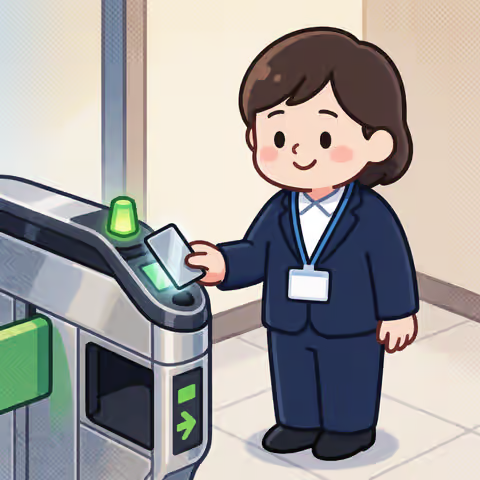
- CJK: 证 = 證. JP 証 / 証明書. Canto 證 zing3. Traditional 證. Bound form: 工作证, 学生证, 身份证. Same 证 as 证明, but today’s sentence is the badge.
- Fun fact: 带工作证 at the office door. Dictionary lists “to prove”; today is the pass. 证明 is the verb/noun “prove / certificate of proof.”
- Memorize: Swipe the work badge: 进公司得带工作证.
- Study tip: 证. Don’t answer 证明. The picture is 工作证.
3. 入(rù)
to enter; to join · masuk
Example: 去年他入了我们班,很快就和大家熟悉了。 — He joined our class last year and quickly got to know everyone.
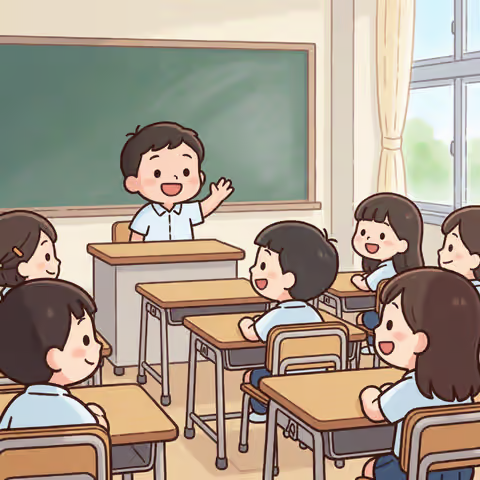
- CJK: 入 = 入. JP 入(い)る / 入学. Canto 入 jap6. Same 入 as Japanese today 入学. Often bound: 入学, 入口, 加入. Spoken “go in” is usually 进.
- Fun fact: 入了我们班 = joined the class roster, not walked through a door. HSK 入口 was yesterday; this 入 is the join reading. Japanese 入学 is the school-enrolment compound.
- Memorize: New classmate last year, already friends: 去年他入了我们班.
- Study tip: 入. Don’t answer 进 unless printed. Pair with JP 入学.
4. 功课(gōngkè)
homework; assignment · PR; pekerjaan rumah
Example: 你功课做完了吗? — Have you done your homework?
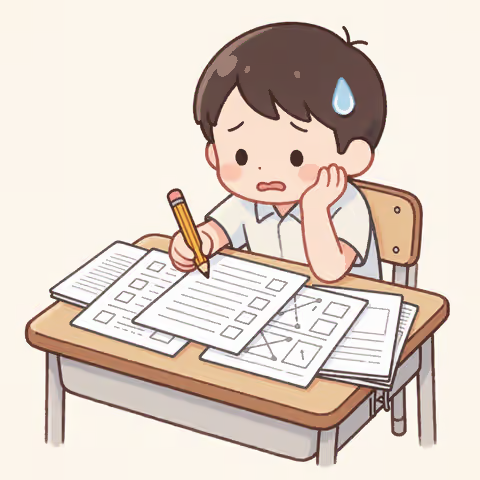
- CJK: 功 = 功. 课 = 課. JP 宿題(しゅくだい). Canto 功課 gung1 fo3. Traditional 功課. Same 课 as 上课 / 课程. Not 工作.
- Fun fact: 功课做完了吗 is the parent question. 作业 is mainland homework too; HSK 4 still wants 功课 on this card. 课 alone is a class period.
- Memorize: Desk, unfinished sheets: 你功课做完了吗?
- Study tip: 功课. Don’t answer 作业 or 课 unless printed.
5. 文章(wénzhāng)
article; essay · karangan; artikel
Example: 老师让我们每人写一篇关于春天的文章。 — The teacher asked each of us to write an essay about spring.

- CJK: 文 = 文. 章 = 章. JP 文章(ぶんしょう). Canto 文章 man4 zoeng1. Classifier 篇. Same 文 as Canto yesterday 文 man4 (that one was “dollars” — different word).
- Fun fact: 写一篇…文章 about 春天. 作文 is school composition; 文章 is the piece of writing. Hidden-meaning 文章 (ulterior motive) is not today’s sentence.
- Memorize: Spring essay, one 篇 each: 写一篇关于春天的文章.
- Study tip: 文章. Don’t answer 作文. Classifier 篇.
6. 平常(píngcháng)
ordinary; usually · biasa; biasanya
Example: 这件衣服很平常,没什么特别的。 — This piece of clothing is quite ordinary; there’s nothing special about it.

- CJK: 平 = 平. 常 = 常. JP 普通(ふつう) / 普段. Canto 平常 ping4 soeng4. Same 平 as 平常心; 常 as 经常. Dictionary lists “usually”; today is “ordinary.”
- Fun fact: 很平常,没什么特别的 = plain clothes, not 平时我… (usually I…). 普通 is the close synonym; 平时 is the time adverb.
- Memorize: Plain shirt on a hanger: 这件衣服很平常.
- Study tip: 平常. Don’t answer 平时. Today is “nothing special.”
7. 刀(dāo)
knife; blade · pisau
Example: 用刀的时候你要小心。 — You must be careful when you use a knife.
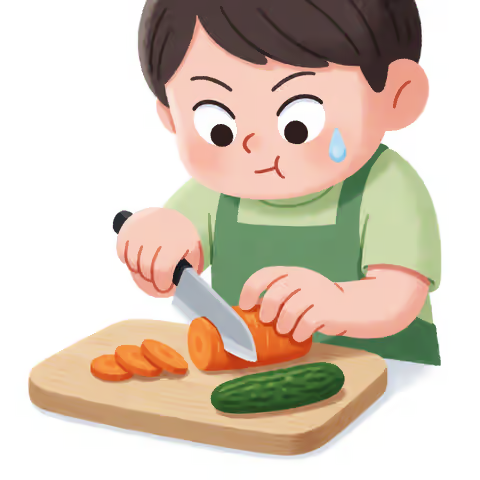
- CJK: 刀 = 刀. JP 刀(かたな / ほうちょう). Canto 刀 dou1. Classifier 把. Kitchen 菜刀, not the slang “dollar” reading on the card dump.
- Fun fact: 用刀…要小心. A tool with an edge. 刀子 is the spoken noun; HSK lists 刀. 剑 is two-edged.
- Memorize: Kitchen knife, careful hands: 用刀的时候你要小心.
- Study tip: 刀. Don’t answer 剑. Classifier 把.
8. 各种(gèzhǒng)
every kind of; various · segala macam; berbagai
Example: 商店里有各种书。 — The shop has all kinds of books.

- CJK: 各 = 各. 种 = 種. JP 各種(かくしゅ). Canto 各種 gok3 zung2. Traditional 各種. Same 种 as 一种 / 品种. 各 = each, 种 = kind.
- Fun fact: 各种书 = every type on the shelves, not “each book.” 各种各样 is the stretched idiom. 每个 is “each one.”
- Memorize: Bookshop, mixed spines: 商店里有各种书.
- Study tip: 各种. Don’t answer 每个 or 所有.
9. 此(cǐ)
this; these · ini; di sini
Example: 请在此处写上你的名字。 — Please write your name here.
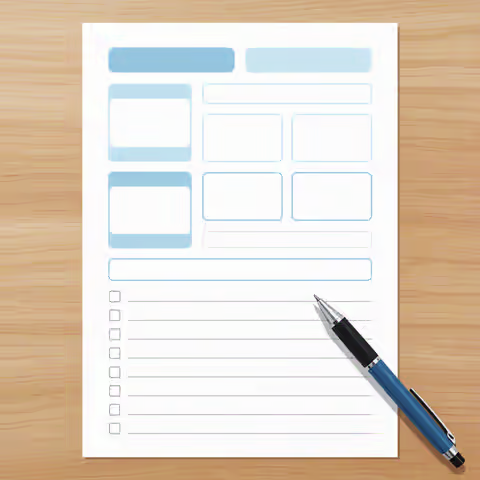
- CJK: 此 = 此. JP 此(これ) in writing. Canto 此 ci2. Spoken Mandarin is 这里 / 这. 此 is the form/sign word: 此处, 因此, 此外.
- Fun fact: 在此处写名字 = the blank on the paper. Don’t flash 这里. 此时 is “at this time”; today is place.
- Memorize: Form, arrow, write name: 请在此处写上你的名字.
- Study tip: 此. Don’t answer 这 or 这里. The compound is 此处.
10. 就是(jiùshì)
even if; exactly; just · meskipun; justru
Example: 就是下雨,我们也得去学校上课。 — Even if it rains, we still have to go to school for class.

- CJK: 就 = 就. 是 = 是. JP たとえ…ても. Canto 就算 / 就係. Pattern 就是…也… = even if. Not the “that’s it / namely” reading.
- Fun fact: 就是下雨也得去上课. Rain is not an excuse. 即使 / 就算 are cousins; this card prints 就是. Don’t gloss as “exactly is.”
- Memorize: Umbrella + school gate anyway: 就是下雨,也得去上课.
- Study tip: 就是. Today is even-if. Don’t answer 即使 unless printed.
11. 护士(hùshi)
nurse · perawat
Example: 那个护士正在照顾病人。 — The nurse is taking care of the patient.

- CJK: 护 = 護. 士 = 士. JP 看護師(かんごし). Canto 護士 wu6 si6. Traditional 護士. Reading hùshi (neutral shi), not hùshì. 医生 is the doctor.
- Fun fact: 护士照顾病人. 护 = protect; 士 = professional. Male or female — not “girl in white” only. 护工 is a care worker, different job.
- Memorize: Bedside, taking pulse: 护士正在照顾病人.
- Study tip: 护士. Don’t answer 医生. Reading hùshi.
12. 来得及(láidejí)
to have enough time; can still make it · masih sempat
Example: 现在还来得及。 — There's still enough time.

- CJK: 来 = 來. 得 = 得. 及 = 及. JP 間に合う(まにあう). Canto 嚟得切 / 趕得切. Traditional 來得及. Antonym 来不及. Same 及 as 及时.
- Fun fact: 还来得及 = the window is still open. 来不及 is the panic. 来得及 does not mean “come and obtain.”
- Memorize: Clock, still a gap: 现在还来得及.
- Study tip: 来得及. Pair with 来不及. Don’t answer 准时.
13. 本来(běnlái)
originally; to begin with · memang; dari awal
Example: 这本来就是你自己的事,别人帮不了你。 — This is your own business to begin with; others can’t help you.
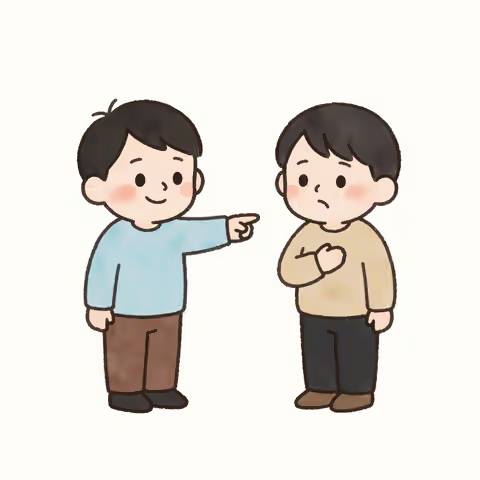
- CJK: 本 = 本. 来 = 來. JP 本来(ほんらい). Canto 本來 bun2 loi4. Traditional 本來. Same 本 as 本人; 来 as 从来. Not 原来 (turns out).
- Fun fact: 本来就是你自己的事 = it was always yours. 原来 is “oh, so that’s how it was.” 本来 can also mean “originally planned”; today is “in the first place.”
- Memorize: Point at the listener: 这本来就是你自己的事.
- Study tip: 本来. Don’t answer 原来. Today is “to begin with.”
14. 坏处(huàichù)
harm; downside · dampak buruk; kerugian
Example: 吃太多有坏处。 — Eating too much has downsides.

- CJK: 坏 = 壞. 处 = 處. JP 害 / デメリット. Canto 壞處 waai6 cyu3. Traditional 壞處. Pair 好处. Same 坏 as 坏人; 处 as 好处 / 到处.
- Fun fact: 有坏处 = there are downsides, not “a bad place.” 处 here is “aspect,” same slot as 好处. 缺点 is a flaw in a thing; 坏处 is the harm of doing X.
- Memorize: Pile of food, warning: 吃太多有坏处.
- Study tip: 坏处. Pair with 好处. Don’t answer 缺点.
15. 风景(fēngjǐng)
scenery; landscape · pemandangan
Example: 这儿的风景真美。 — The scenery here is really beautiful.

- CJK: 风 = 風. 景 = 景. JP 風景(ふうけい). Canto 風景 fung1 ging2. Traditional 風景. Same 风 as 刮风; 景 as 景色. 景色 is a close cousin; this card is 风景.
- Fun fact: 这儿的风景真美 = the view in front of you. 风景画 is a landscape painting. Not 风光 (more “scene / situation”).
- Memorize: Lookout, wide view: 这儿的风景真美.
- Study tip: 风景. Don’t answer 景色 unless printed.
16. 由(yóu)
from; by; via · dari; oleh
Example: 每天我们从学校门口一起坐公交车回家。 — Every day we take the bus home together from the school gate.
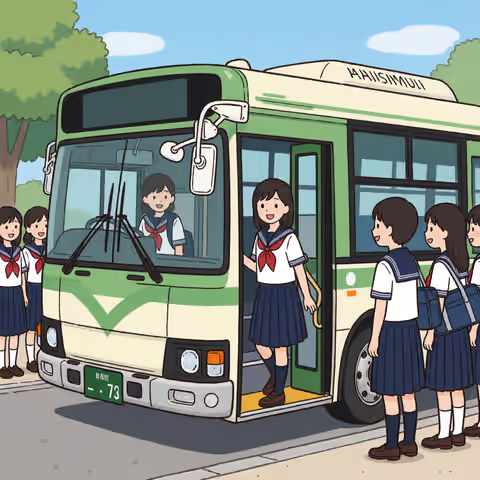
- CJK: 由 = 由. JP ~から / ~によって. Canto 由 jau4. The English is “from the school gate”; spoken often 从. 由 also marks the agent: 由老师决定. Not 由于 (because).
- Fun fact: Starting point of the trip home. Card meaning includes “by / due to”; this sentence is the from-place reading. Don’t flash 因为.
- Memorize: School gate, same bus: 从学校门口一起坐公交车回家.
- Study tip: 由. Don’t answer 由于. Today is “from.”
17. 经历(jīnglì)
to experience; experience (episode) · pengalaman; menjalani
Example: 这是一次很好的经历。 — This is a good experience.

- CJK: 经 = 經. 历 = 歷. JP 経験(けいけん) / 経歴. Canto 經歷 ging1 lik6. Traditional 經歷. Classifier 次 / 段. 经验 is know-how; 经历 is what you went through.
- Fun fact: 一次很好的经历 = one episode, not “I have experience in X.” 经验丰富 is the CV line. Same 经 as 经常 / 已经.
- Memorize: One finished adventure: 这是一次很好的经历.
- Study tip: 经历. Don’t answer 经验. Classifier 次.
18. 失败(shībài)
to fail; failure · gagal; kegagalan
Example: 他们的计划很失败,所以又重新做了。 — Their plan was a real failure, so they did it over.

- CJK: 失 = 失. 败 = 敗. JP 失敗(しっぱい). Canto 失敗 sat1 baai6. Traditional 失敗. Antonym 成功. Same 失 as 失望; 败 as 打败.
- Fun fact: 计划很失败 → 重新做. Adjective-like 很失败, not only the verb 失败了. 输 is lose a match; 失败 is the plan/experiment collapsing.
- Memorize: Scrapped blueprint, start over: 计划很失败,又重新做了.
- Study tip: 失败. Don’t answer 输. Pair with 成功.
19. 不必(búbì)
need not; does not have to · tidak perlu
Example: 你现在不必来,下午也行。 — You don't have to come now; this afternoon is fine too.
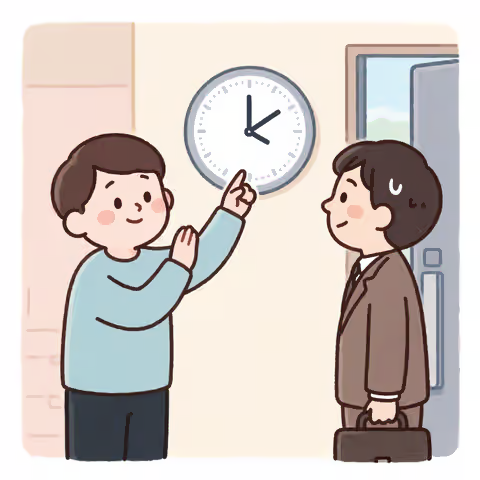
- CJK: 不 = 不. 必 = 必. JP 不必 / する必要はない. Canto 唔使 / 不必 bat1 bit1. Same 必 as 必须. Tone sandhi búbì. Antonym 必须.
- Fun fact: 现在不必来 = skip the rush; 下午也行. 不用 is the spoken twin; 不必 is a bit stiffer. Not “not necessarily” 不一定.
- Memorize: Wave off the morning visit: 现在不必来,下午也行.
- Study tip: 不必. Don’t answer 不用 or 必须. Reading búbì.
20. 钢琴(gāngqín)
piano · piano
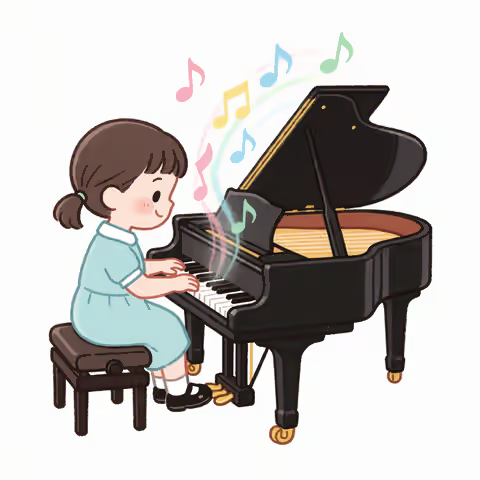
Example: 她从小就学钢琴,现在弹得很好。 — She's been learning piano since she was little, and now she plays very well.
- CJK: 钢 = 鋼. 琴 = 琴. JP ピアノ. Canto 鋼琴 gong3 kam4. Traditional 鋼琴. 钢 = steel; 琴 = instrument. Verb 弹 (tán), not 拉 (strings) or 吹 (wind). Classifier 架 / 台.
- Fun fact: 学钢琴…弹得很好. Western piano, not 古筝. 从小 is the time span. Japanese just uses the loan ピアノ.
- Memorize: Kid at a piano, now fluent: 从小就学钢琴,弹得很好.
- Study tip: 钢琴. Verb 弹. Don’t answer 琴 or 吉他.