Anki session
Japanese 2
日本語
- New
- 20
- Learn
- 0
- Review
- 53
Session: 20 new remaining of the 20/day cap · 0 learning waiting · 53 reviews due.
Click Japanese::Level2, not Level1. Level1 is review-only now. Yesterday’s new cards are in the 53 reviews; today’s twenty still mix in.
This is a second sheet for today (HSK is 2026-09-19.md). Do not mix the decks in one Anki session.
Session plan
- Fifty-three reviews already — clear those as they come, then the new pile.
- Door pair with HSK: 出口 over there vs HSK 入口 supermarket left.
- Verb traps: 盗む the bag (not 取る); 分かれる opinions split (not わかる / 別れる); 訪ねる visit NY (not 尋ねる ask); 繰り返す the same mistake.
- Places: 動物園 yesterday with the kids, 教室 3F, 屋根 crow, 駅員 ask them, レストラン Indian food.
- Time / paper: 期間 test 10–15, 発言 everyone at the meeting, 記録 marathon WR, 出発 in 15 minutes, 長さ 1 m cable.
- People / feel: 特別 you’re special to me, 苦手 cooking, 右手 write with it, 桜 March/April, 商品 selling well. HSK 专门 is the specialist; 特别 is the feeling.
1. 発言(はつげん)
utterance, speech · ucapan, berbicara
Example: 会議で全員が発言した。 — Everyone spoke at the conference.
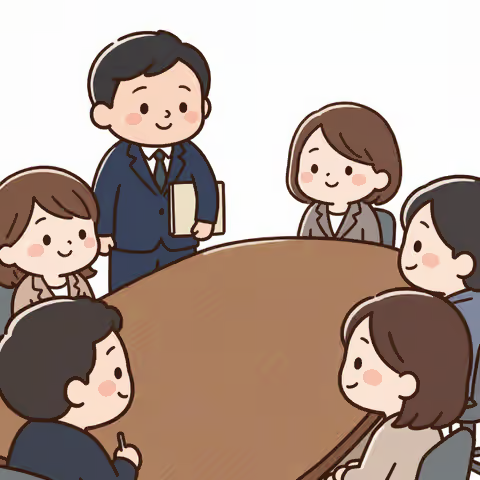
- CJK: 発 = 发 fā. 言 = 言. Mandarin 发言. Canto 發言 faat3 jin4. Same 発 as 出発 later today. Suru-noun: 発言する.
- Fun fact: 全員が発言した = every person took a turn, not a press 発言 as in politics only. 話す is casual talk; 発言 is taking the floor.
- Memorize: Round table, each person a line: 会議で全員が発言した.
- Study tip: 発言. Don’t answer 話す. Reading はつげん.
2. 期間(きかん)
term, period · jangka waktu, periode
Example: テスト期間は10日から15日までだ。 — The test period is from the 10th to the 15th.
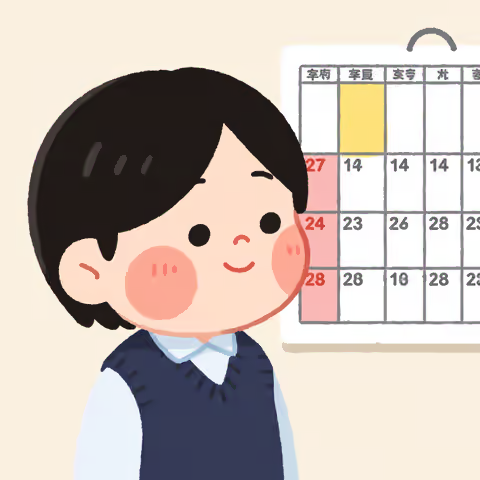
- CJK: 期 = 期 qī. 間 = 间. Mandarin 期间. Canto 期間 kei4 gaan1. Same 期 as HSK 学期 / 星期. Reading きかん, not きけん (危険).
- Fun fact: テスト期間は10日から15日まで. A bounded stretch. 時間 is clock time; 期間 is the span. の間 is “while.”
- Memorize: Calendar boxed 10–15: テスト期間は10日から15日までだ.
- Study tip: 期間. Don’t answer 時間. Reading きかん.
3. 盗む(ぬすむ)
steal, rob · mencuri
Example: 誰かが私のカバンを盗みました。 — Someone stole my bag.
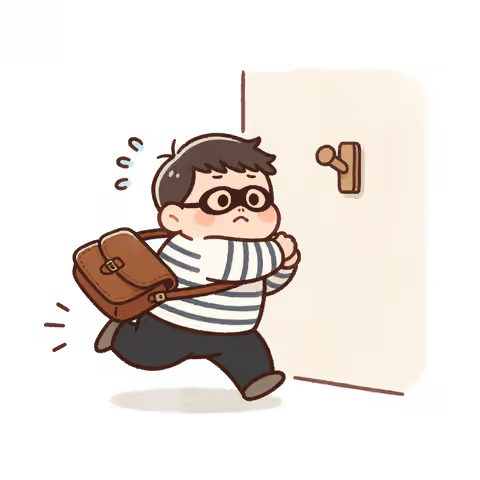
- CJK: 盗 = 盗 dào. Mandarin 偷 / 盗窃. Canto 偷 tau1 / 盜 dou6. Reading ぬすむ, not とう (盗難). Object を.
- Fun fact: カバンを盗む. The bag is gone. 取る is pick up; 盗む is theft. 泥棒 is the thief.
- Memorize: Empty hook, bag gone: 誰かが私のカバンを盗みました.
- Study tip: 盗む. Don’t answer 取る. Reading ぬすむ.
4. 駅員(えきいん)
station employee · petugas stasiun
Example: 駅員に聞きましょう。 — Let's ask the station employee.
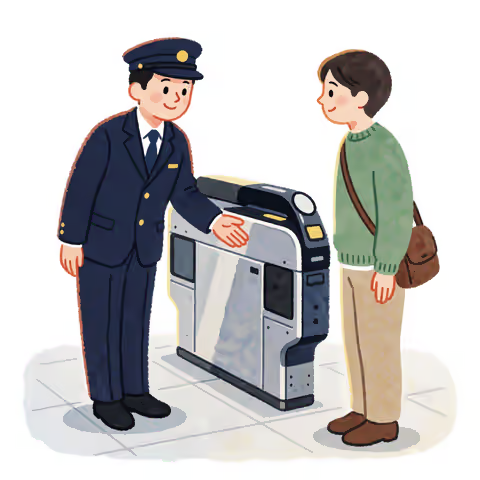
- CJK: 駅 = 驿 yì (JP station; Mandarin train stop is 站 zhàn). 員 = 员. Mandarin 车站工作人员. Canto 職員. Same 員 as 会員. 駅 is shinjitai of 驛.
- Fun fact: 駅員に聞く at the gate, not 運転手. に marks the person you ask.
- Memorize: Uniform, ticket gate: 駅員に聞きましょう.
- Study tip: 駅員. Don’t answer 運転手. Reading えきいん.
5. 動物園(どうぶつえん)
zoo · kebun binatang
Example: 昨日子供たちと動物園に行きました。 — I went to the zoo with my kids yesterday.
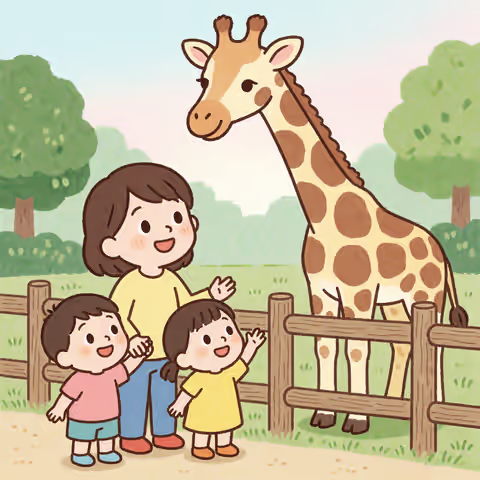
- CJK: 動 = 动. 物 = 物. 園 = 园. Mandarin 动物园. Canto 動物園 dung6 mat6 jyun4. Same 物 as HSK 购物; 園 as 公園. Three kanji, one place.
- Fun fact: 子供たちと動物園に. Outing, not a biology class. 動物 is the animals; 園 makes the park.
- Memorize: Kids, gate with a giraffe: 子供たちと動物園に行きました.
- Study tip: 動物園. Don’t answer 公園 or 動物.
6. 特別(とくべつ)
special, extraordinary · khusus, istimewa
Example: あなたは私にとって特別な人です。 — You're special to me.

- CJK: 特 = 特 tè. 別 = 别. Mandarin 特别. Canto 特別 dak6 bit6. HSK today 专门 is “dedicated to a field”; this is “special to me.” な-adjective.
- Fun fact: にとって特別な人. Feeling, not 特別席 a reserved seat. 独特 is “unique”; 特別 is the warmth.
- Memorize: Two people, that line: あなたは私にとって特別な人です.
- Study tip: 特別. Don’t answer 专门 or 好き. な after 特別.
7. 出口(でぐち)
exit, exit ramp · pintu keluar
Example: 出口はあそこです。 — The exit's over there.
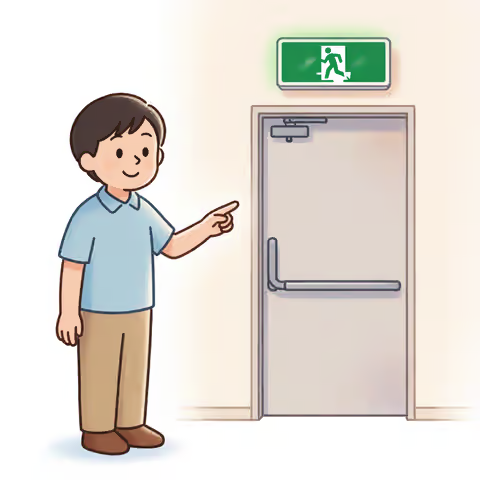
- CJK: 出 = 出. 口 = 口. Mandarin 出口. Canto 出口 ceot1 hau2. HSK today 入口 is the way in. Reading でぐち, not しゅつこう.
- Fun fact: 出口はあそこ. Station/building way out. 出る is the verb; 出口 is the labeled door. Don’t mix 入り口.
- Memorize: Sign pointing away: 出口はあそこです.
- Study tip: 出口. Don’t answer 入口. Reading でぐち.
8. 分かれる(わかれる)
be divided, disperse, branch off · terbagi, berpisah
Example: グループの中で意見が分かれました。 — Opinion was divided within the group.
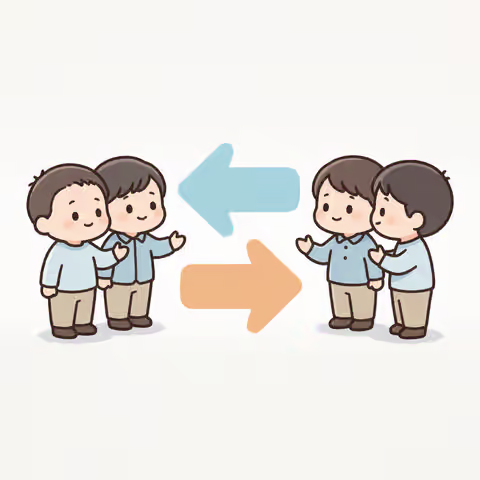
- CJK: 分 = 分 fēn. Mandarin 分成 / 意见分歧. Canto 分開. Reading わかれる. 別れる (no dakuten on か in writing — different word) is a romantic split; this card is 分かれる.
- Fun fact: 意見が分かれた = the group split on the idea, not わかる “understand.” Intransitive. Roads 分かれる too.
- Memorize: Two arrows from one table: 意見が分かれました.
- Study tip: 分かれる. Don’t answer わかる or 別れる. が on 意見.
9. 記録(きろく)
record, documentation · rekor, catatan
Example: マラソンで世界記録が出た。 — There was a new world record in the marathon.

- CJK: 記 = 记. 録 = 录. Mandarin 记录 / 纪录. Canto 紀錄 gei3 luk6. Traditional 記錄. Today’s sentence is the sports 記録, not filing papers. Suru-noun also exists.
- Fun fact: 世界記録が出た = a WR was set. 出る on the record. 記憶 is memory; 記録 is the mark.
- Memorize: Tape, new WR: マラソンで世界記録が出た.
- Study tip: 記録. Don’t answer 記憶. Reading きろく.
10. 訪ねる(たずねる)
visit, call on · mengunjungi
Example: 彼はニューヨークの友達を訪ねた。 — He visited his friend in New York.

- CJK: 訪 = 访 fǎng. Mandarin 拜访. Canto 探訪. Reading たずねる. 尋ねる (same kana, 尋) is “ask”; 訪ねる (訪) is “visit.” Object を.
- Fun fact: 友達を訪ねた. People, not 観光 the city. 訪問する is the suru twin.
- Memorize: NY door, friend: ニューヨークの友達を訪ねた.
- Study tip: 訪ねる. Don’t answer 尋ねる. Kanji 訪.
11. 長さ(ながさ)
length · panjang
Example: このケーブルの長さは1メートルです。 — The length of this cable is one meter.
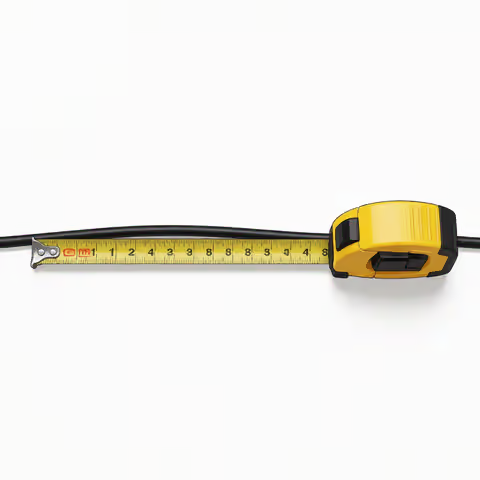
- CJK: 長 = 长 cháng. Mandarin 长度. Canto 長度 coeng4 dou6. さ nominalizer on 長い. Reading ながさ, not ちょうさ (調査).
- Fun fact: ケーブルの長さは1メートル. A measured span. 長い is the adjective; 長さ is the noun. 高さ / 大きさ are the same pattern.
- Memorize: Cable, tape at 1 m: 長さは1メートルです.
- Study tip: 長さ. Don’t answer 長い or 調査. Reading ながさ.
12. 商品(しょうひん)
goods, commodities · barang, produk
Example: この商品はよく売れている。 — This product is selling well.
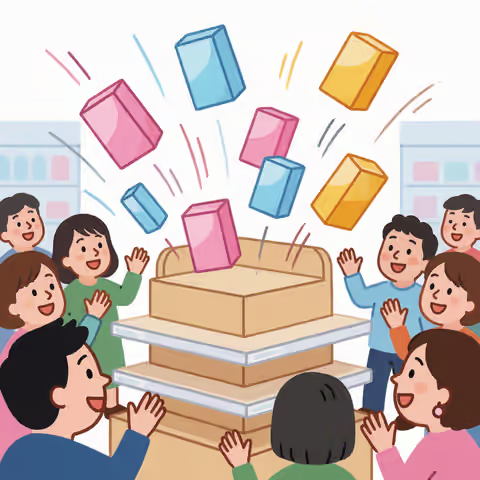
- CJK: 商 = 商 shāng. 品 = 品. Mandarin 商品. Canto 商品 soeng1 ban2. HSK today 购物 is the shopping trip; this is the SKU. Same 品 as 食品.
- Fun fact: よく売れている. The item moves. 製品 is manufactured goods; 商品 is for sale. 売る vs 売れる.
- Memorize: Shelf, flying off: この商品はよく売れている.
- Study tip: 商品. Don’t answer 買い物 or 製品. 売れている intransitive.
13. 右手(みぎて)
right hand · tangan kanan
Example: 私は右手で字を書きます。 — I write right-handed.
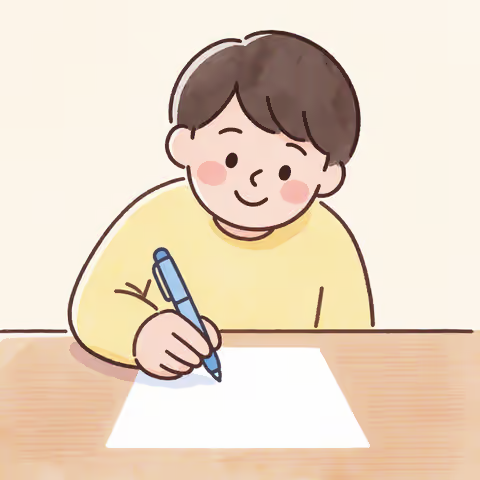
- CJK: 右 = 右 yòu. 手 = 手. Mandarin 右手. Canto 右手 jau6 sau2. HSK today 胳膊 is the arm. Particle で = with. Opposite 左手.
- Fun fact: 右手で字を書く. The writing hand. 右側 is the right side; 右手 is the hand.
- Memorize: Pen in the right hand: 右手で字を書きます.
- Study tip: 右手. Don’t answer 右 or 胳膊. Reading みぎて.
14. 屋根(やね)
roof · atap
Example: 屋根にカラスが止まっています。 — There's a crow on the roof.
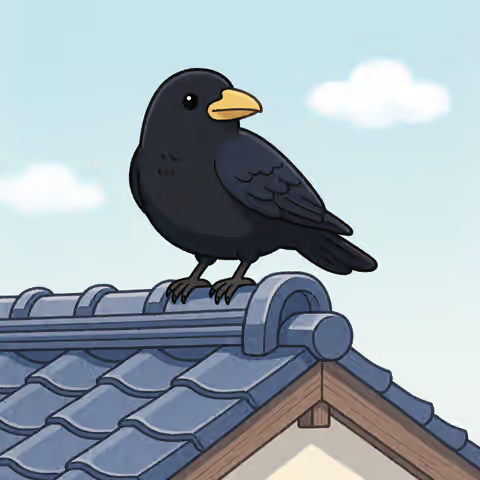
- CJK: 屋 = 屋 wū. 根 = 根. Mandarin 屋顶. Canto 屋頂 uk1 deng2. Reading やね, not おくね. HSK 院子 is the yard under this roof. 止まる = perch.
- Fun fact: 屋根にカラス. The covering of the house. 屋上 is rooftop-as-floor; 屋根 is the slope/cover.
- Memorize: Crow on the tiles: 屋根にカラスが止まっています.
- Study tip: 屋根. Don’t answer 家 or 屋上. Reading やね.
15. 苦手(にがて)
person that is hard to deal with, weak point · tidak pandai, kelemahan
Example: 私は料理が苦手です。 — I'm not good at cooking.

- CJK: 苦 = 苦 kǔ. 手 = 手. Mandarin 不擅长 / 苦手. Canto 唔擅長. Reading にがて. な-adjective. 苦 is “bitter”; a bitter hand = a weak skill.
- Fun fact: 料理が苦手. が marks the weak item. 嫌い is dislike; 苦手 is “I mess it up.” Also used of people you can’t handle.
- Memorize: Burnt pan, shrug: 料理が苦手です.
- Study tip: 苦手. Don’t answer 嫌い. が, not を.
16. 出発(しゅっぱつ)
departure, starting · keberangkatan
Example: あと15分で出発です。 — Departure will be in fifteen minutes.
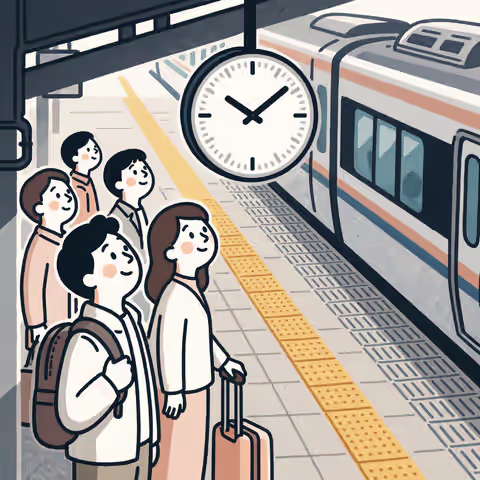
- CJK: 出 = 出. 発 = 发. Mandarin 出发. Canto 出發 ceot1 faat3. Same 発 as 発言. Small っ: しゅっぱつ, not しゅはつ. Suru-noun.
- Fun fact: あと15分で出発. Bus/tour clock. 出る is just “leave”; 出発 is the scheduled start. Opposite 到着.
- Memorize: Platform clock, 15 minutes: あと15分で出発です.
- Study tip: 出発. Don’t answer 出る. Reading しゅっぱつ.
17. 桜(さくら)
cherry tree, cherry blossom · pohon sakura, bunga sakura
Example: 桜は三月か四月に咲きます。 — Cherry blossoms bloom in March or April.

- CJK: 桜 = 樱 yīng. Mandarin 樱花. Canto 櫻花 jing1 faa1. Shinjitai 桜 vs 櫻. One kanji, the whole season. 咲く = bloom.
- Fun fact: 三月か四月に咲く. Honshu timing. 花見 is the picnic; the card is 桜. Not 梅 (Feb).
- Memorize: Pink trees, March/April: 桜は三月か四月に咲きます.
- Study tip: 桜. Don’t answer 花 or 梅. Reading さくら.
18. 教室(きょうしつ)
classroom, class · ruang kelas
Example: 私の教室は3階にあります。 — My classroom is on the third floor.
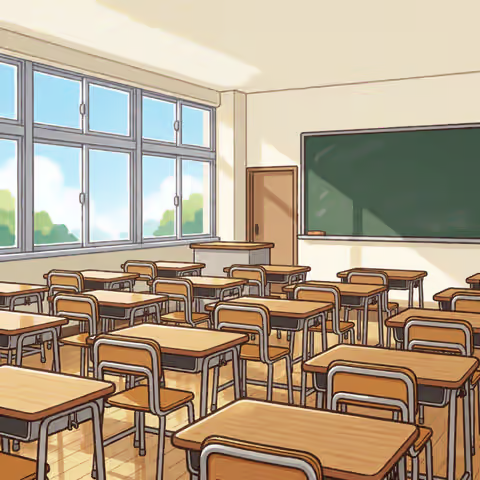
- CJK: 教 = 教. 室 = 室. Mandarin 教室. Canto 教室 gaau3 sat1. Same 教 as 教师; 室 as 部屋’s cousin. Sep 18 HSK 课堂 was the session; this is the room.
- Fun fact: 教室は3階. The place. 授業 is the lesson; 教室 is the box it happens in.
- Memorize: Door 3F: 教室は3階にあります.
- Study tip: 教室. Don’t answer 授業 or 课堂. Reading きょうしつ.
19. レストラン(レストラン)
restaurant · restoran
Example: レストランでインド料理を食べました。 — I ate Indian food at the restaurant.
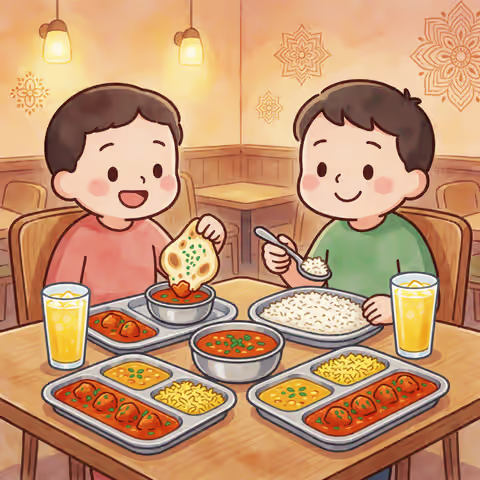
- CJK: Katakana from French restaurant. Mandarin 餐厅. Canto 餐廳. で marks the place. Pairs with 苦手 料理 — here you ate out.
- Fun fact: インド料理 at a レストラン. Not 食堂 (canteen) or 料理屋. Full-service dining.
- Memorize: Curry, table service: レストランでインド料理を食べました.
- Study tip: レストラン. Don’t answer 食堂.
20. 繰り返す(くりかえす)
repeat · mengulang, mengulangi
Example: 彼女は同じ間違いを繰り返した。 — She repeated the same mistake.
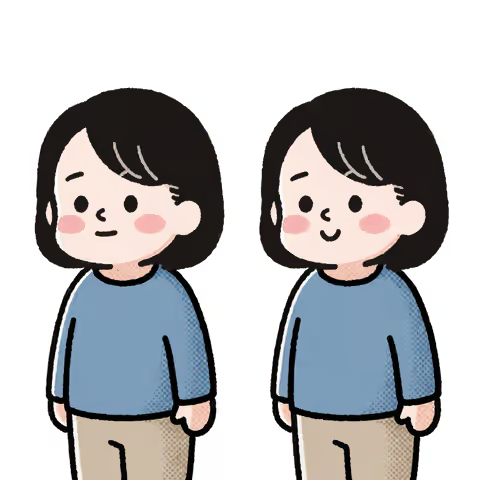
- CJK: 繰 = 缲 (JP 繰). 返 = 返. Mandarin 重复. Canto 重複. Reading くりかえす. Transitive を. Same-mistake collocation is the textbook picture.
- Fun fact: 同じ間違いを繰り返す. Do it again — usually a warning. また is “again”; 繰り返す is the verb “loop it.”
- Memorize: Same error, second stamp: 同じ間違いを繰り返した.
- Study tip: 繰り返す. Don’t answer また. Reading くりかえす.