Anki session
HSK 4
汉语
- New
- 20
- Learn
- 0
- Review
- 110
Session: 20 new remaining of the 20/day cap · 0 learning waiting · 110 reviews due.
Click HSK::Level 4, not the parent HSK. No learning queue, so new cards mix into the 110 reviews.
Session plan
- Nothing in learning. When a new one pops, match it to the number below.
- Door pair with Japanese today: 入口 supermarket left vs JP 出口 over there.
- Sense traps: 所有 is “belongs to the family,” not “all”; 空 is 有空 tomorrow (kòng), not empty sky; 轻松 is “this exam is not easy”; 博士 is a PhD, not 医生.
- Body / people: 胳膊 hurts, 姑娘 classmate, 青年 basketball in the park.
- Errands: 购物 this weekend, 停车场 behind the hospital, 市区 meal then movie, 院子 kids playing.
- Feel / paper: 无聊 left the film, 心情 skip dinner, 羡慕 her trips, 小说 already twice, 参赛 first time, 取得 good results, 缺少 materials, 专门 Chinese teacher.
1. 无聊(wúliáo)
bored; boring; senseless · bosan; membosankan
Example: 这部电影太无聊了,我看了一半就走了。 — This movie is so boring that I left halfway through.
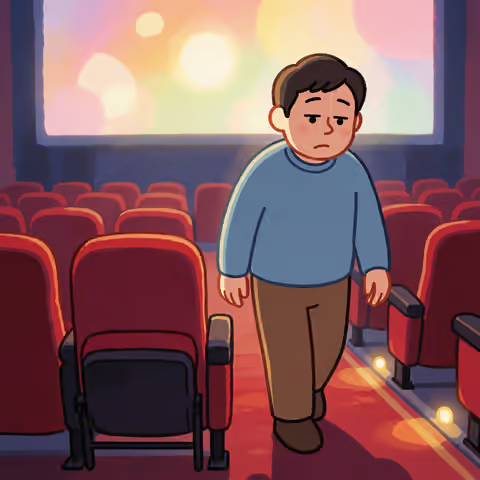
- CJK: 无 = 無. 聊 = 聊. JP つまらない / 退屈. Canto 無聊 mou4 liu4. Traditional 無聊. Same 无 as 无聊’s pair 无限; 聊 as 聊天 (chat — different word).
- Fun fact: 无聊 the film, not 无聊 the person killing time. 沒意思 is “pointless”; 无聊 is the yawn. Leaving at 一半 is the picture.
- Memorize: Cinema, walk out at the midpoint: 这部电影太无聊了,看了一半就走了.
- Study tip: 无聊. Don’t answer 沒意思 or 聊天.
2. 参赛(cānsài)
to compete; to take part in a competition · ikut lomba; bertanding
Example: 他第一次参赛。 — He's competing for the first time.
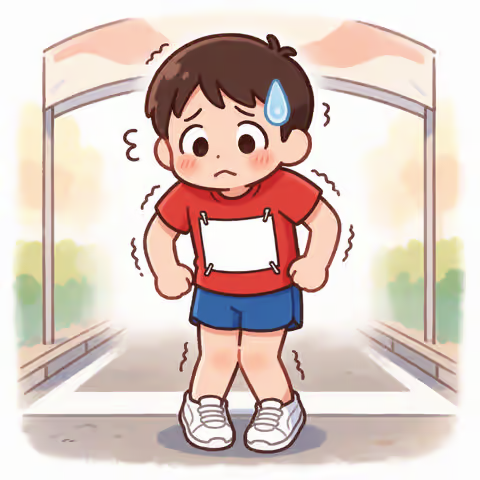
- CJK: 参 = 參. 赛 = 賽. JP 出場する / 試合に出る. Canto 參賽 caam1 coi3. Traditional 參賽. Same 参 as 参加; 赛 as 比赛. The card is the compound, not 比赛 alone.
- Fun fact: 第一次参赛 = first start, not “watch the match.” 参加 is generic “take part”; 参赛 is specifically a 赛.
- Memorize: First bib, starting line: 他第一次参赛.
- Study tip: 参赛. Don’t answer 参加 or 比赛 unless printed.
3. 购物(gòuwù)
shopping · belanja
Example: 这个周末我们一起去购物。 — We're going shopping together this weekend.

- CJK: 购 = 購. 物 = 物. JP 買い物(かいもの). Canto 購物 kau3 mat6. Traditional 購物. Japanese today 商品 is the goods; this is the trip. Same 物 as 动物.
- Fun fact: 去购物 = go shopping as an outing. 买东西 is the generic verb; 购物 is the weekend plan. 网购 is online — not this card.
- Memorize: Weekend bags, two people: 这个周末我们一起去购物.
- Study tip: 购物. Don’t answer 买东西 or 商品.
4. 所有(suǒyǒu)
all; to have; to possess; to own · semua; milik
Example: 这套房子是他们家所有的,不是租的。 — This apartment belongs to their family; it isn't rented.
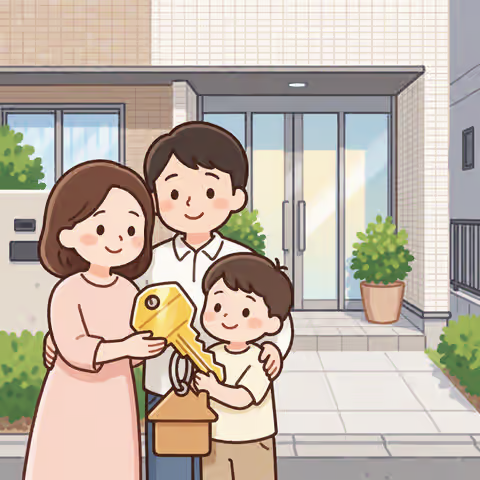
- CJK: 所 = 所. 有 = 有. JP 所有する / 全部. Canto 所有 so2 jau5. Dictionary lists “all”; today is ownership. 所有的 vs 租的.
- Fun fact: 是他们家所有的 = they own it. 所有人 can be “owner” or “everyone” — this sentence is the owner reading. Don’t flash “all students.”
- Memorize: House keys, not a lease: 是他们家所有的,不是租的.
- Study tip: 所有. Don’t answer 全部 or 租. Today is “belong to.”
5. 心情(xīnqíng)
mood; frame of mind · suasana hati
Example: 我今天心情不太好,所以不想出去吃饭。 — I am not in a great mood today, so I do not want to go out to eat.
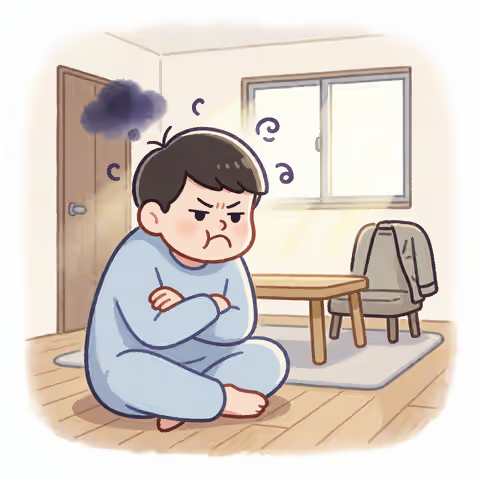
- CJK: 心 = 心. 情 = 情. JP 気持ち / 気分. Canto 心情 sam1 cing4. Same 情 as Canto Sep 18 情. 心情不好 is the set phrase, not 心情好.
- Fun fact: 心情不太好 → skip 出去吃饭. 情绪 is more “emotions” as a system; 心情 is today’s weather in the chest.
- Memorize: Closed door, no restaurant: 心情不太好,不想出去吃饭.
- Study tip: 心情. Don’t answer 情绪 or 感觉.
6. 胳膊(gēbo)
arm · lengan
Example: 我的胳膊很疼。 — My arm really hurts.
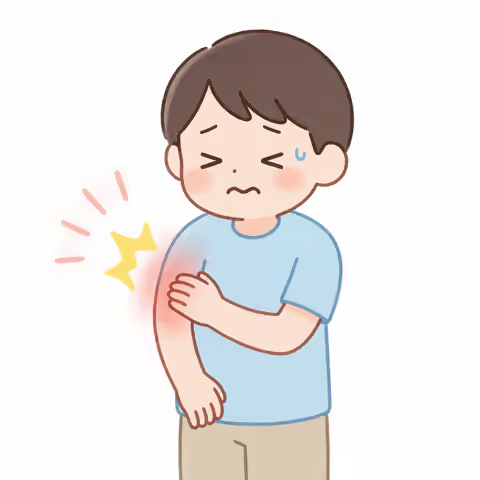
- CJK: 胳 = 胳. 膊 = 膊. JP 腕(うで). Canto 手臂 sau2 bei3 / 手臂. Reading gēbo (neutral second syllable), not gēbó. Japanese today 右手 is the right hand; this is the whole arm. Classifier 只 / 条 / 双 on the card.
- Fun fact: 胳膊疼 = the limb, not 手 finger-pain. 手臂 is southern; HSK wants 胳膊.
- Memorize: Holding the upper arm: 我的胳膊很疼.
- Study tip: 胳膊. Don’t answer 手 or 腿. Reading gēbo.
7. 专门(zhuānmén)
specialized; specially; specifically · khusus; secara khusus
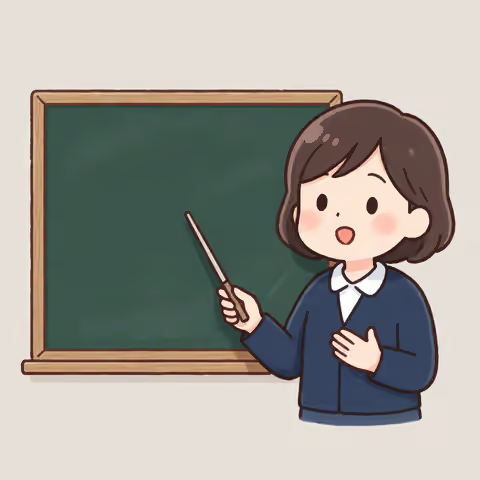
Example: 他是专门教中文的老师,说得很清楚。 — He's a teacher who specializes in teaching Chinese, and he speaks very clearly.
- CJK: 专 = 專. 门 = 門. JP 専門(せんもん). Canto 專門 zyun1 mun4. Traditional 專門. Japanese today 特別 is “special to me”; this is “dedicated to a field.”
- Fun fact: 专门教中文 = that’s his job, not a side class. 专业 is the major; 专门 is the adverb/adjective “specifically for.”
- Memorize: Chinese-only teacher, clear speech: 专门教中文的老师.
- Study tip: 专门. Don’t answer 特别 or 专业 unless printed.
8. 空(kōng)
empty; air; sky; in vain; free time · kosong; luang
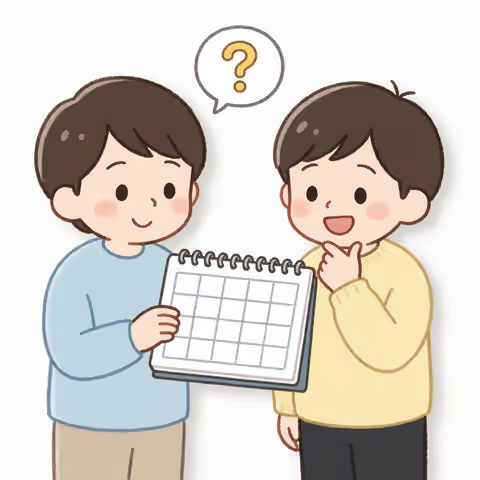
Example: 你明天有空吗? — Are you free tomorrow?
- CJK: 空 = 空. JP 空(そら / から / あく). Canto 空 hung1. Card lists kōng; the sentence is 有空 = kòng (fourth tone). Empty room is kōng; spare time is kòng.
- Fun fact: 有空吗 is the diary question, not 天空. 没空 is the refusal. Don’t picture a vacant box.
- Memorize: Calendar, tomorrow circled: 你明天有空吗?
- Study tip: 空. Don’t answer 时间. In this sentence read kòng.
9. 入口(rùkǒu)
entrance; to import · pintu masuk
Example: 超市的入口在左边,从那儿进就行。 — The supermarket entrance is on the left; just go in from there.

- CJK: 入 = 入. 口 = 口. JP 入口(いりぐち). Canto 入口 jap6 hau2. Japanese today is 出口 でぐち — same 口, opposite door. Import 进口 is a different use; today is the door.
- Fun fact: 入口在左边. 门口 is the doorway of a house; 入口 is the marked way in (shop, station, park).
- Memorize: Supermarket, arrow left: 入口在左边,从那儿进就行.
- Study tip: 入口. Don’t answer 门口 or 出口.
10. 姑娘(gūniang)
girl; young woman; daughter · gadis
Example: 那个姑娘是我的同学。 — That girl is my classmate.

- CJK: 姑 = 姑. 娘 = 娘. JP 娘(むすめ) / 少女. Canto 姑娘 gu1 noeng4. Reading gūniang (neutral niang). A bit northern/old-fashioned; 女孩 is the textbook twin.
- Fun fact: 那个姑娘是我的同学 — classmate, not “miss” as a shop call. 姑娘 also “daughter” in some dialects; today is the young woman.
- Memorize: Pointing across the classroom: 那个姑娘是我的同学.
- Study tip: 姑娘. Don’t answer 女孩 unless printed. Reading gūniang.
11. 停车场(tíngchēchǎng)
parking lot; car park · tempat parkir
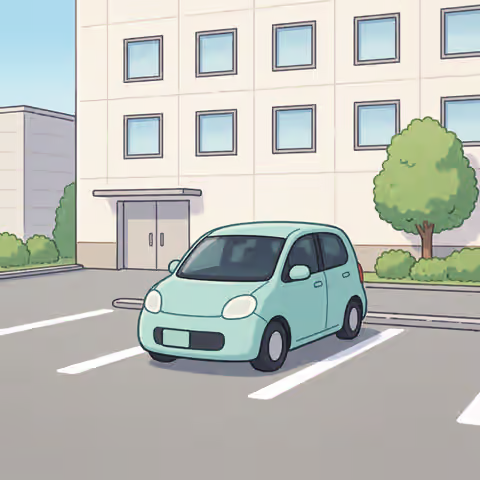
Example: 我们把车停在医院后面的停车场了。 — We parked the car in the parking lot behind the hospital.
- CJK: 停 = 停. 车 = 車. 场 = 場. JP 駐車場(ちゅうしゃじょう). Canto 停車場 ting4 ce1 coeng4. Traditional 停車場. Same 停 as 停止; 场 as 操场.
- Fun fact: 医院后面的停车场. Three characters, one place. 停车 is the verb; 停车场 is the lot.
- Memorize: Hospital, lot out back: 停在医院后面的停车场.
- Study tip: 停车场. Don’t answer 停车 or 车库.
12. 青年(qīngnián)
youth; young person; the young · pemuda
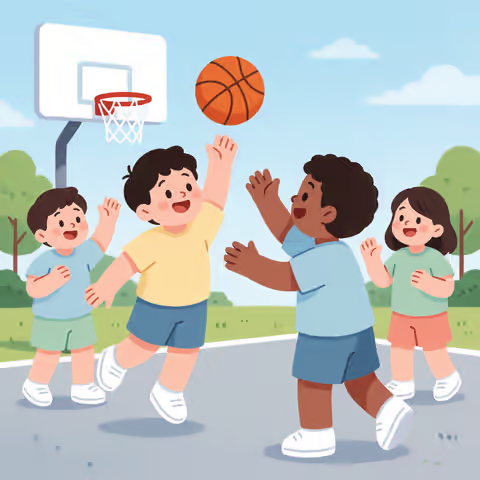
Example: 这些青年正在公园一起打篮球。 — These young people are playing basketball together in the park.
- CJK: 青 = 青. 年 = 年. JP 青年(せいねん). Canto 青年 cing1 nin4. Same 青 as 年轻; 年 as 年级. Broader than 孩子; more civic than 小伙子.
- Fun fact: 这些青年…打篮球. A group of young adults, not “youth” as an abstract era (青年时代). 年轻人 is the casual twin.
- Memorize: Park court, young players: 这些青年正在公园一起打篮球.
- Study tip: 青年. Don’t answer 孩子 or 年轻人 unless printed.
13. 博士(bóshì)
doctor (academic degree) · doktor (gelar)
Example: 他是一名博士。 — He has a PhD.

- CJK: 博 = 博. 士 = 士. JP 博士(はくし / はかせ). Canto 博士 bok3 si6. Not 医生. Same 博 as 博士学位; 士 as 护士’s 士 only in shape — different word.
- Fun fact: 一名博士 = the degree. Hospital 医生 is the other “doctor.” Old sense “court academician” is not this sentence.
- Memorize: Mortarboard, diploma: 他是一名博士.
- Study tip: 博士. Don’t answer 医生 or 硕士.
14. 羡慕(xiànmù)
to envy; to admire · iri; kagum
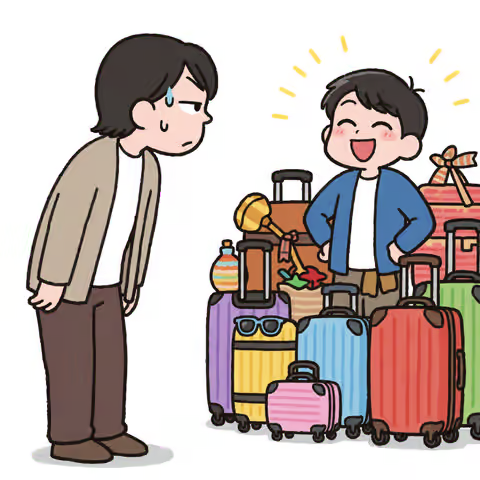
Example: 我很羡慕她能去那么多国家旅行。 — I really envy her for being able to travel to so many countries.
- CJK: 羡 = 羨. 慕 = 慕. JP 羨ましい(うらやましい). Canto 羨慕 sin6 mou6. Traditional 羨慕. Admiration-envy, not 嫉妒 the bitter kind.
- Fun fact: 羡慕她能去那么多国家. You want her trips; you are not cursing her. 羡慕 is allowed in polite speech; 嫉妒 is the ugly twin.
- Memorize: Passport stamps, sigh: 很羡慕她能去那么多国家旅行.
- Study tip: 羡慕. Don’t answer 嫉妒 or 喜欢.
15. 市区(shìqū)
urban district; downtown; city center · pusat kota
Example: 这个周末我们打算去市区吃饭,然后再看电影。 — This weekend we plan to go downtown for a meal, then watch a movie.

- CJK: 市 = 市. 区 = 區. JP 市区(しく) / 都心. Canto 市區 si5 keoi1. Traditional 市區. Opposite 郊区. Same 市 as 超市; 区 as 地区.
- Fun fact: 去市区吃饭,然后再看电影 — downtown as a destination, not the administrative 区 on a map. Pairs with 购物 this weekend.
- Memorize: Meal then cinema, city centre: 去市区吃饭,然后再看电影.
- Study tip: 市区. Don’t answer 郊区 or 城市.
16. 取得(qǔdé)
to acquire; to get; to obtain · meraih; memperoleh
Example: 经过努力,他终于取得了好成绩。 — After working hard, he finally got good results.

- CJK: 取 = 取. 得 = 得. JP 取得する(しゅとく). Canto 取得 ceoi2 dak1. Same 取 as 取消; 得 as 得到. Result verb: 取得成绩 / 取得成功.
- Fun fact: 取得了好成绩 = obtained the score, not 拿了 a physical object. 获得 is the formal twin; HSK wants 取得 here.
- Memorize: Report card, finally: 终于取得了好成绩.
- Study tip: 取得. Don’t answer 得到 or 拿 unless printed. 了 after 取得.
17. 轻松(qīngsōng)
light; relaxed; effortless · santai; gampang
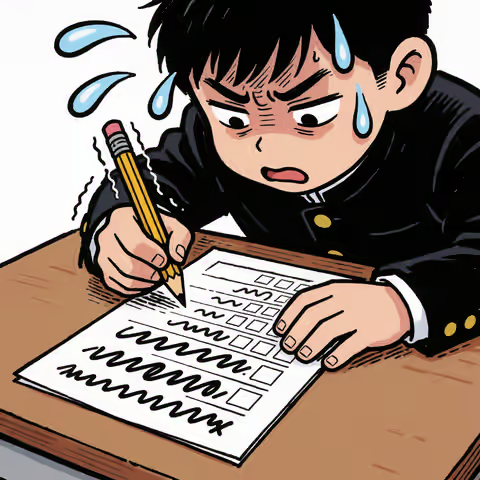
Example: 这次考试对我来说一点儿也不轻松。 — This exam isn't easy for me at all.
- CJK: 轻 = 輕. 松 = 鬆. JP 気楽(きらく) / 楽. Canto 輕鬆 hing1 sung1. Traditional 輕鬆. Same 轻 as 年轻. The sentence is negative.
- Fun fact: 一点儿也不轻松 = not easy at all. Don’t flash a hammock. 容易 is “easy”; 轻松 is “unstressful / light.”
- Memorize: Exam paper, sweat: 一点儿也不轻松.
- Study tip: 轻松. Don’t answer 容易. Note 不.
18. 院子(yuànzi)
courtyard; garden; yard; patio · halaman
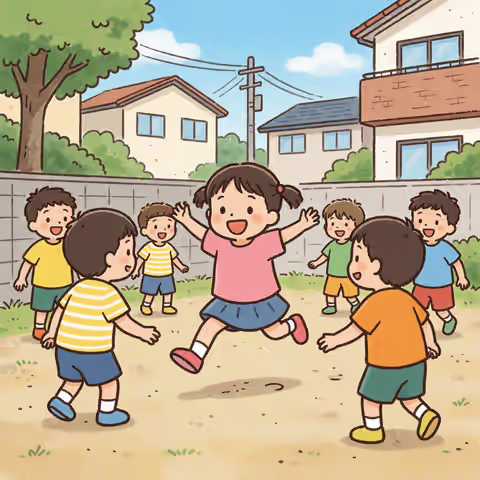
Example: 孩子们正在院子里玩游戏,他们高兴极了。 — The kids are playing games in the yard and they're really happy.
- CJK: 院 = 院. 子 = 子. JP 庭(にわ). Canto 院子 jyun2 zi2 / 天井. Same 院 as 医院 / 学院 — here it’s the yard, not the institution. Japanese today 屋根 is the roof above this space.
- Fun fact: 在院子里玩游戏. Northern house courtyard. 花园 is a planted garden; 院子 is the enclosed yard.
- Memorize: Kids in the yard, loud: 孩子们正在院子里玩游戏.
- Study tip: 院子. Don’t answer 花园 or 医院.
19. 小说(xiǎoshuō)
novel; fiction · novel
Example: 这本小说很有意思,我已经看了两遍了。 — This novel is really interesting; I have already read it twice.

- CJK: 小 = 小. 说 = 說. JP 小説(しょうせつ). Canto 小說 siu2 syut3. Traditional 小說. Classifier 本 / 部. Not 说话. Japanese shinjitai 説 vs 说.
- Fun fact: 看了两遍 = reread. 小说 is the book-length fiction; 故事 (Canto yesterday) is “story.” 小 + 说 historically “petty talk.”
- Memorize: Book open, second pass: 这本小说…看了两遍了.
- Study tip: 小说. Don’t answer 故事 or 说话. Classifier 本.
20. 缺少(quēshǎo)
to lack; shortage of · kekurangan; kurang
Example: 这个计划还缺少一些重要的材料。 — This plan is still missing some important materials.

- CJK: 缺 = 缺. 少 = 少. JP 欠ける / 不足. Canto 缺少 kyut3 siu2. Same 少 as Sep 18 至少 — that was “at least”; this is “not enough.” 缺点 is a flaw; 缺少 is a missing piece.
- Fun fact: 还缺少一些重要的材料. The plan exists; the 材料 don’t. 缺乏 is the formal twin.
- Memorize: Checklist with holes: 还缺少一些重要的材料.
- Study tip: 缺少. Don’t answer 缺点 or 少 unless printed.