Anki session
Cantonese 2
廣東話
- New
- 20
- Learn
- 38
- Review
- 97
Session: 20 new remaining of the 20/day cap · 38 learning waiting · 97 reviews due.
Click Cantonese::Level2, not Level1. Level1 is review-only now. Learning first (38) — those are yesterday’s and older lapses. New cards then mix into the 97 reviews.
This is a third sheet for today (HSK is 2026-09-19.md, Japanese is 2026-09-19-japanese-level2.md).
Session plan
- Thirty-eight in learning. Clear those before you care about the new pile.
- Still new: 妹妹 cartoons, 應 tell him (Sep 18); 內 cat in the inner room (Sep 17). Same sentences.
- Sense traps: 后 is the empress, not 後 “after”; 文 is “how much (money),” not literature; 認真 is “seriously impressive” (adverb), not a conscientious student; 嚟嘅 is the emphatic tail, not a verb.
- Canto glue: 搞掂 the documents, 呢隻 this white wine, 多個 one more apple, 只會 will only make it worse, 始終 murder is murder.
- Place / time: 外面 rain + umbrella, 上去 look at the view, 方便 near the MTR, 隨時 I can leave, 無人 street empty, 五十 years from now HK.
- People: 愛 closest and beloved, 身體 exercise is good for it.
1. 文(man4)
dollar; money · dolar; uang
Example: 呢件衫幾多文? — How much is this shirt?

- CJK: 文 = 文 wén. Mandarin 多少钱. JP 円 / いくらか. In Canto 文 man4 is the dollar unit (幾多文). Not 文章.
- Fun fact: 幾多文 = what’s the price. 蚊 is the same word in another spelling. Literature 文 is not today’s card.
- Memorize: Shirt on a hanger, price: 呢件衫幾多文?
- Study tip: 文. Don’t answer 錢 or 文章. Reading man4.
2. 外面(ngoi6 min6)
outside · luar; di luar
Example: 外面落緊雨,記得帶遮。 — It's raining outside, remember to bring an umbrella.
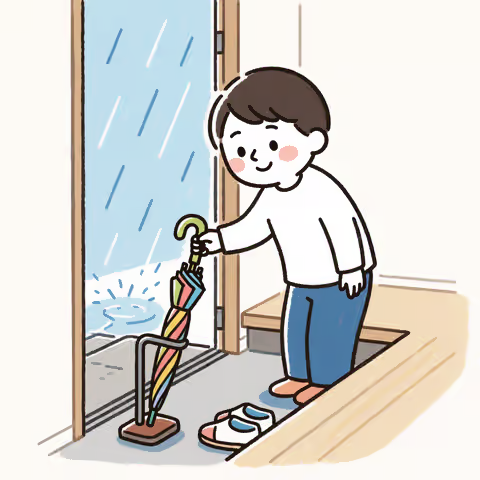
- CJK: 外 = 外 wài. 面 = 面. Mandarin 外面. JP 外(そと). Spoken HK often 出面; the card is 外面. Same 外 as JP Sep 18 外国.
- Fun fact: 外面落緊雨. Weather on the other side of the door. 入面 is inside. 遮 = umbrella in Canto.
- Memorize: Door, rain, grab 遮: 外面落緊雨,記得帶遮.
- Study tip: 外面. Don’t answer 出面 unless printed.
3. 妹妹(mui6 mui2)
younger sister · adik perempuan
Example: 我妹妹鍾意睇卡通。 — My younger sister likes watching cartoons.
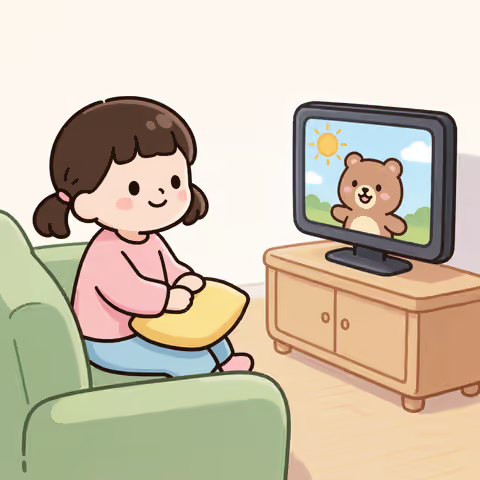
- CJK: 妹 = 妹 mèi. Mandarin 妹妹. JP 妹(いもうと). Still new from Sep 18 — same sentence. Second syllable often rising mui2.
- Fun fact: 妹妹睇卡通. Kinship reduplication. 細妹 / 阿妹 are other HK forms. Sep 16 細佬 was younger brother.
- Memorize: Kid on the sofa, cartoons: 我妹妹鍾意睇卡通.
- Study tip: 妹妹. Don’t answer 姊姊 or 細佬.
4. 愛(oi3)
to love; affection · mencintai; kasih sayang
Example: 佢係我最親最愛嘅人。 — He is my closest and beloved one.

- CJK: 愛 = 爱 ài. Mandarin 爱. JP 愛(あい). Traditional 愛. Same 愛 as 愛情. 最親最愛 is the doubled superlative.
- Fun fact: 最親最愛嘅人 = closest and most loved. 鍾意 is “like”; 愛 is the heavier verb. Yesterday 情 was feelings; this is 愛.
- Memorize: Two people, that line: 佢係我最親最愛嘅人.
- Study tip: 愛. Don’t answer 鍾意. Reading oi3.
5. 方便(fong1 bin6)
convenient · praktis; mudah
Example: 最好喺市中心,交通方便,近港鐵站。 — It's best to be in the city center, with convenient transport and near the MTR station.
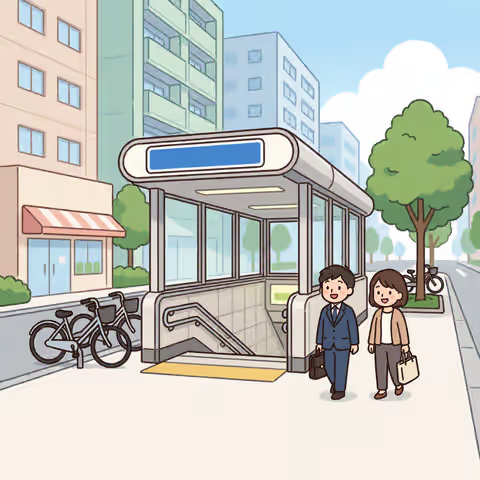
- CJK: 方 = 方. 便 = 便. Mandarin 方便. JP 便利(べんり). HSK 市区 today is the downtown trip; this is why you live there. Toilet euphemism 方便一下 is not this sentence.
- Fun fact: 交通方便,近港鐵站. Access, not “I need the loo.” 便利店 is the shop; the card is 方便.
- Memorize: MTR entrance, bags: 交通方便,近港鐵站.
- Study tip: 方便. Don’t answer 便利 unless printed. Not the toilet sense.
6. 身體(san1 tai2)
body · tubuh
Example: 做運動對身體有益。 — Exercise is good for the body.

- CJK: 身 = 身. 體 = 体. Mandarin 身体. JP 体(からだ). Traditional 身體. Sep 18 運動 was the verb; this is what it helps. Sep 18 痛 was the ache.
- Fun fact: 對身體有益. Health-of-the-body, not 身材 figure. 身體唔舒服 is the sick line.
- Memorize: Stretch, thumbs up: 做運動對身體有益.
- Study tip: 身體. Don’t answer 運動 or 身材.
7. 多個(do1 go3)
one more; additional · satu lagi; tambahan
Example: 再食多個蘋果。 — Eat one more apple.

- CJK: 多 = 多. 個 = 个. Mandarin 再吃一个. JP もう一つ. 多 + classifier = “one more of.” Not 幾個 (how many).
- Fun fact: 食多個蘋果. Extra one, same classifier 個. 多啲 is “more (amount)”; 多個 is +1 object.
- Memorize: Second apple: 再食多個蘋果.
- Study tip: 多個. Don’t answer 幾個 or 多啲.
8. 搞掂(gaau2 dim6)
to settle; to fix; to complete · bereskan; selesaikan
Example: 我哋終於搞掂嗰啲文件。 — We've finally sorted out the documents.

- CJK: 搞 = 搞. 掂 = 掂. Mandarin 搞定. JP 片付ける. Core HK: 掂 dim6 = done / settled. 搞掂 = wrap it up.
- Fun fact: 終於搞掂嗰啲文件. Paperwork closed. 搞 is the busy verb; 掂 is the “flat/done” stamp. Not 做完 unless that’s printed.
- Memorize: Stack of files, tick: 終於搞掂嗰啲文件.
- Study tip: 搞掂. Don’t answer 做完. Reading gaau2 dim6.
9. 上去(soeng5 heoi3)
to go up; to ascend · naik; pergi ke atas
Example: 我哋一齊上去睇風景啦。 — Let's go up together to see the view.
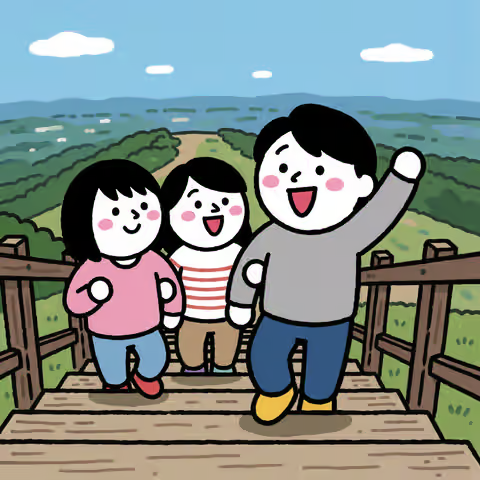
- CJK: 上 = 上. 去 = 去. Mandarin 上去. JP 上がる. Directional: 上 + 去. Sep 17 上嚟 was come-up; this is go-up. 睇風景 is the reason.
- Fun fact: 一齊上去睇風景. Up a hill/floor, not 上車. 落去 is the opposite.
- Memorize: Stairs, view: 一齊上去睇風景啦.
- Study tip: 上去. Don’t answer 上嚟 or 落去.
10. 認真(jing6 zan1)
conscientious; really · sungguh-sungguh; benar-benar
Example: 今次婚禮嘅場面認真勁。 — The scene at this wedding is seriously impressive.
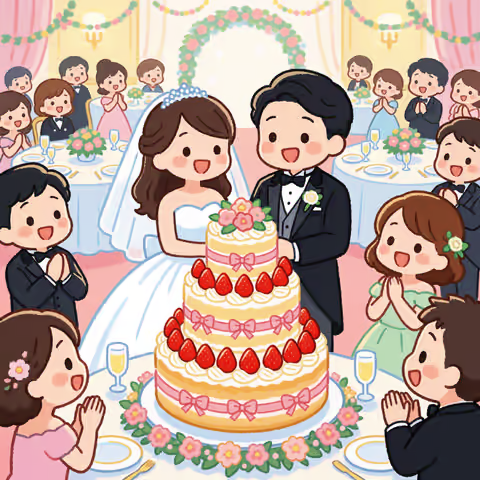
- CJK: 認 = 认. 真 = 真. Mandarin 认真. JP 真面目. Dictionary “conscientious”; today is the adverb “really.” 認真靚 / 認真勁 is HK slang intensification.
- Fun fact: 場面認真勁 = the scene is seriously impressive, not a diligent student. 真係 is the plainer “really.”
- Memorize: Wedding hall, wow: 場面認真勁.
- Study tip: 認真. Don’t answer 努力. Today is the adverb.
11. 無人(mou4 jan4)
nobody; no one · tidak ada orang; tidak seorang pun
Example: 而家街上無人,全部都返晒屋企。 — There's nobody on the street now, everyone's gone home.

- CJK: 無 = 无. 人 = 人. Mandarin 无人. JP 無人(むじん). Spoken often 冇人; the card is 無人. 返晒屋企 = all gone home.
- Fun fact: 街上無人. Empty street. 無人機 is a drone — not this sentence.
- Memorize: Empty road at night: 而家街上無人.
- Study tip: 無人. Don’t answer 冇人 unless printed.
12. 始終(ci2 zung1)
always; after all; in the end · tetap; bagaimanapun
Example: 殺人始終係殺人。 — Murder is always murder.

- CJK: 始 = 始. 終 = 终. Mandarin 始终. JP 始終(しじゅう). “From start to finish” → “it remains the case.” Heavy sentence; the word is 始終.
- Fun fact: 始終係 = it always / still is. Not 開始 or 最後. The tautology is the point.
- Memorize: Gavel, that line: 殺人始終係殺人.
- Study tip: 始終. Don’t answer 總是 or 最後.
13. 應(jing1)
should · seharusnya; patut
Example: 你應唔應該同佢講清楚呢件事? — Should you tell him clearly about this matter?

- CJK: 應 = 应. Mandarin 应该. JP 応 / すべき. Still new from Sep 18 — same sentence. Should is jing1. Sep 17 反應 was jing3.
- Fun fact: 應唔應該 is the A-not-A. The card is the single 應. HSK Sep 11 答应 was “agree.”
- Memorize: Finger point, “tell him clearly?”: 你應唔應該同佢講清楚.
- Study tip: 應. Don’t answer 應該 unless that’s printed. Reading jing1, not jing3.
14. 嚟嘅(lai4 ge3)
emphatic modal particle · partikel penegas
Example: 呢間餐廳係好食嚟嘅,相信我。 — This restaurant is really great, I'm telling you.

- CJK: 嚟 = 来. 嘅 = 的. Not a content verb. Pattern 係…嚟嘅 = “it is that kind of thing” (assertion). Japanese レストラン today is the place; this is the endorsement.
- Fun fact: 係好食嚟嘅. You are insisting, not arriving (嚟). Drop 嚟嘅 and it’s a plain 係好食.
- Memorize: Pointing at the shop, trust me: 係好食嚟嘅,相信我.
- Study tip: 嚟嘅. Don’t answer 嚟 or 嘅 alone.
15. 隨時(ceoi4 si4)
at any time; whenever · kapan saja; sewaktu-waktu
Example: 我隨時都可以出發。 — I can leave at any time.

- CJK: 隨 = 随. 時 = 时. Mandarin 随时. JP いつでも. Japanese today 出発; this is “I’m free to 出發.” Same 時 as Sep 18 當時 — that was “back then”; this is “whenever.”
- Fun fact: 隨時都可以出發. Open calendar. 而家 is now; 隨時 is any slot.
- Memorize: Packed bag, ready: 我隨時都可以出發.
- Study tip: 隨時. Don’t answer 而家 or 當時.
16. 只會(zi2 wui5)
only will; will only · hanya akan
Example: 噉樣做只會令情況更差。 — Doing that will only make things worse.
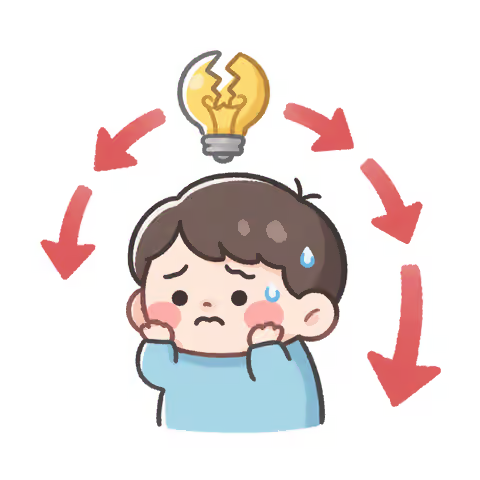
- CJK: 只 = 只. 會 = 会. Mandarin 只会. JP 〜するだけだ. Unwanted exclusive future: it will only make it worse. Not 只係 (merely is) or 識 (know how).
- Fun fact: 只會令情況更差. Consequence, not skill (只會講英文 = can only speak English — different use). Today is the worse-outcome reading.
- Memorize: Bad idea, downhill: 只會令情況更差.
- Study tip: 只會. Don’t answer 只係 or 會. Today is “will only.”
17. 內(noi6)
inside; inner; internal · dalam; bagian dalam
Example: 入面內房有隻貓。 — There's a cat in the inner room.

- CJK: 內 = 内 nèi. Mandarin 内. JP 内(うち / ない). Still new from Sep 17 — same sentence. Traditional 內.
- Fun fact: 內房 = inner room. 入面 already says “inside”; 內 marks the inner chamber. Opposite of 外面 today.
- Memorize: Inner doorway, cat: 入面內房有隻貓.
- Study tip: 內. Don’t answer 入 or 裡.
18. 五十(ng5 sap6)
fifty · lima puluh
Example: 五十年後香港會係點? — What will Hong Kong be like fifty years from now?

- CJK: 五 = 五. 十 = 十. Mandarin 五十. JP 五十(ごじゅう). Reading ng5 sap6. 年後 is “years later” — 後, not today’s 后.
- Fun fact: 五十年後香港會係點. A round number on a future HK. 五十 as the numeral, not 五十萬.
- Memorize: Calendar +50, skyline: 五十年後香港會係點?
- Study tip: 五十. Don’t answer 十五. Reading ng5 sap6.
19. 后(hau6)
queen; empress · ratu; permaisuri
Example: 皇后好得皇帝歡心。 — The empress pleased the emperor.
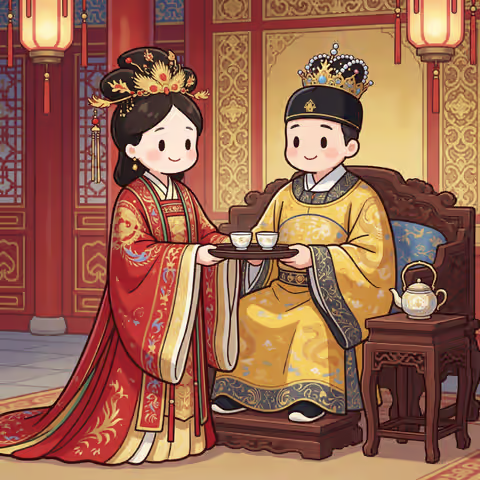
- CJK: 后 = 后 hòu (queen). Mandarin 皇后. JP 皇后(こうごう). Not 後 (after). Simplified 后 merges them; HK traditional keeps 后 vs 後. Reading hau6.
- Fun fact: 皇后…皇帝. Court pair. 五十年後 on the previous card uses 後. This card is the person.
- Memorize: Crown, emperor smiling: 皇后好得皇帝歡心.
- Study tip: 后. Don’t answer 後. Queen, not “after.”
20. 呢隻(ni1 zek3)
this one (used for objects) · yang ini (untuk benda)
Example: 呢隻白酒好好飲呀! — This bottle of white wine is really good!

- CJK: 呢 = 这. 隻 = 只. Mandarin 这只 / 这瓶. JP これ. Classifier 隻 zek3 for animals, some objects, bottles. 呢個 is the generic “this”; 呢隻 picks a classified item.
- Fun fact: 呢隻白酒. This bottle. 隻 is not 個. Point-and-praise.
- Memorize: White wine glass, thumbs up: 呢隻白酒好好飲呀!
- Study tip: 呢隻. Don’t answer 呢個. Classifier 隻.