Anki session
Japanese 2
日本語
- New
- 20
- Learn
- 0
- Review
- 109
Session: 20 new remaining of the 20/day cap · 0 learning waiting · 109 reviews due.
Click Japanese::Level2, not Level1. Level1 is review-only now. Yesterday’s new cards are in the 109 reviews; today’s twenty still mix in.
This is a second sheet for today (HSK is 2026-09-18.md). Do not mix the decks in one Anki session.
Session plan
- One hundred nine reviews already — clear those as they come, then the new pile.
- Verb traps: 脱ぐ shoes (not 着る); 達する 35°; 植える roses; 着く Osaka 8pm (not 着る); 入院 mum yesterday.
- Katakana pile: ゴルフ older brother, トラック can you drive it, スープ corn chowder, デート amusement park.
- People / feel: 親切 thank you, 安心 heard that (pairs with HSK 伤心), 美人 his mum, いずれ meet again, 招待 the wedding.
- Time / place: 外国 mum never been (pairs with Sep 15 外国人), 習慣 morning coffee (Canto 習慣 on Sep 10), 毎日 walk, 開催 Kyoto conference, 課 division meeting — not a textbook lesson (HSK 课堂 today), みかん one please.
1. 外国(がいこく)
foreign country · luar negeri
Example: 母はまだ外国に行ったことがありません。 — My mother hasn't been abroad yet.
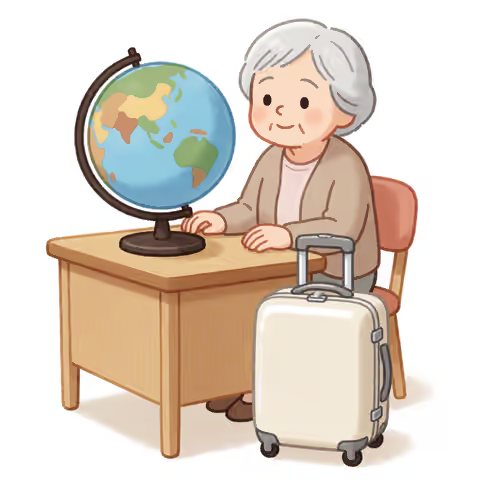
- CJK: 外 = 外 wài. 国 = 国 / 國. Mandarin 外国. Canto 外國. Sep 15 外国人 was the person; this is the place. Sep 14 外人 was the blunt word.
- Fun fact: 外国に行ったことがありません = never been abroad. 海外 is “overseas” as a region; 外国 is “a foreign country.”
- Memorize: Mum, passport still blank: まだ外国に行ったことがありません.
- Study tip: 外国. Don’t answer 外国人 or 海外.
2. 脱ぐ(ぬぐ)
take off (clothes, shoes) · melepas (pakaian)
Example: 靴を脱いでください。 — Please take off your shoes.
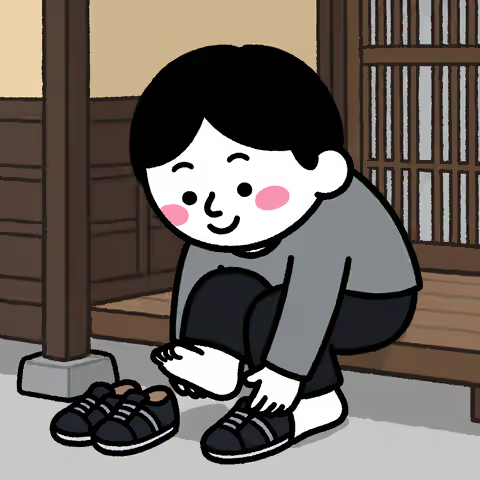
- CJK: 脱 = 脱 tuō. Mandarin 脱. Canto 脫 tyut3. Opposite of 着る / はく. Reading ぬぐ, not だつ (脱出).
- Fun fact: 靴を脱ぐ at the genkan. 服を脱ぐ is clothes; はく is “put on shoes.” Don’t mix 脱ぐ / はく / 着る.
- Memorize: Genkan, shoes off: 靴を脱いでください.
- Study tip: 脱ぐ. Don’t answer 着る. Reading ぬぐ.
3. ゴルフ(ゴルフ)
golf · golf
Example: 兄はゴルフを始めました。 — My older brother started playing golf.

- CJK: Katakana from English golf. Mandarin 高尔夫. Canto 高爾夫. を始める = took it up.
- Fun fact: ゴルフを始めました. The sport, not ゴルフ場 unless that’s printed. 兄 is older brother.
- Memorize: Brother, club, first swing: 兄はゴルフを始めました.
- Study tip: ゴルフ. Don’t answer スポーツ.
4. 達する(たっする)
attain; reach · mencapai
Example: 気温は35度に達した。 — The temperature reached 35 degrees.
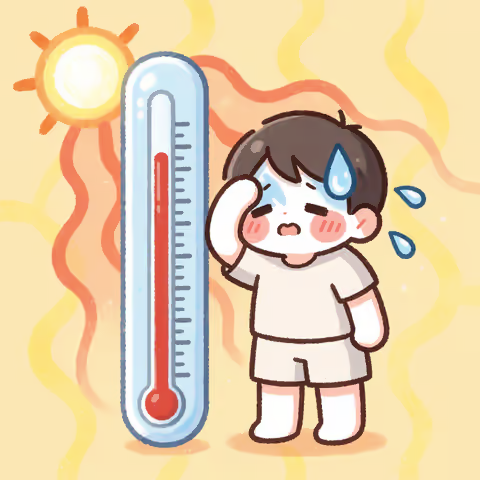
- CJK: 達 = 达 dá. Mandarin 达到. Canto 達 daat6. Suru-verb. HSK 降 today is the mercury going the other way.
- Fun fact: 35度に達した = hit the mark. に達する takes the destination. 届く is “arrive / be delivered”; 達する is “attain a figure.”
- Memorize: Thermometer at 35: 気温は35度に達した.
- Study tip: 達する. Don’t answer 着く (that’s people/trains today). Particle に.
5. 植える(うえる)
plant; raise · menanam
Example: 庭にバラを植えました。 — I planted a rose in the garden.
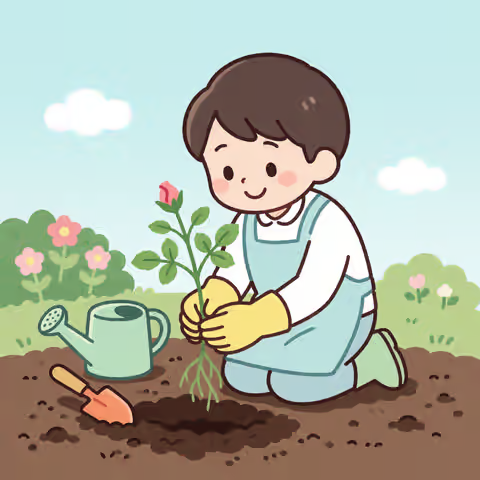
- CJK: 植 = 植 zhí. Mandarin 种 / 种植. Canto 種 zung3 / 植 zik6. Transitive. Intransitive “be planted” is 植わる.
- Fun fact: バラを植える. Sep 13 HSK 种 was the same hands-in-soil verb. 育てる is “raise (over time)”; this card is the planting.
- Memorize: Garden, rose seedling: 庭にバラを植えました.
- Study tip: 植える. Don’t answer 育てる. Reading うえる, not しょくする.
6. 着く(つく)
arrive; reach · tiba, sampai
Example: 午後8時に大阪に着きます。 — I arrive in Osaka at 8:00 pm.
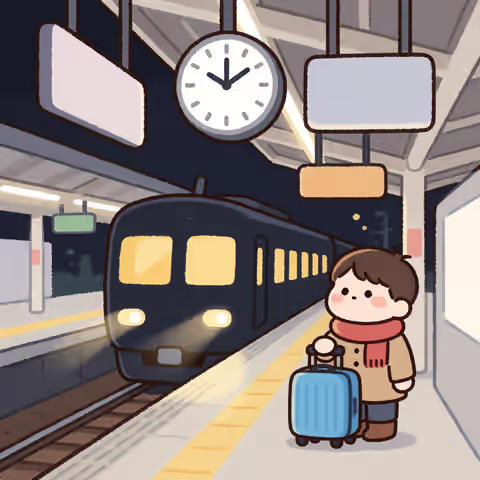
- CJK: 着 = 着. Mandarin 到达. Canto 到 dou3. Reading つく, not きる (着る) and not ちゃく (到着). Same kanji, three lives.
- Fun fact: 大阪に着く. People and trains 着く; numbers 達する (card 4). 到着 is the noun/formal twin.
- Memorize: Clock 20:00, Osaka station: 午後8時に大阪に着きます.
- Study tip: 着く. Don’t answer 着る. Don’t answer 達する.
7. 親切(しんせつ)
kind; friendly · baik hati, ramah
Example: 親切にしてくださってどうもありがとうございます。 — Thank you for being so kind to me.
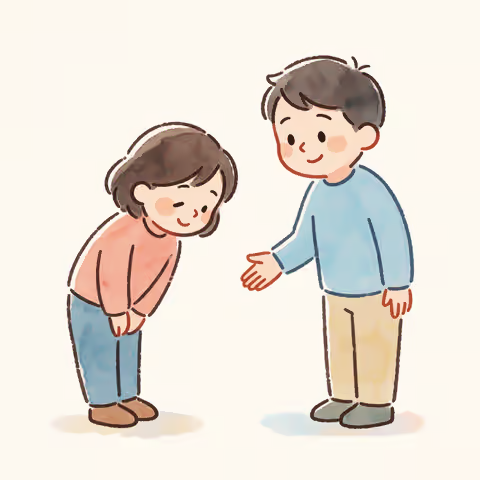
- CJK: 親 = 亲 qīn. 切 = 切. Mandarin 亲切. Canto 親切 can1 cit3. な-adjective. Same 親 as 親, not “cut.”
- Fun fact: 親切にしてくださって = you did kindness to me. 優しい is personality; 親切 is the helpful act. Set phrase with してくれる.
- Memorize: Bow, thanks: 親切にしてくださってありがとうございます.
- Study tip: 親切. Don’t answer 優しい. Don’t read おやきり.
8. トラック(トラック)
truck; lorry · truk
Example: トラックを運転できますか。 — Can you drive a truck?
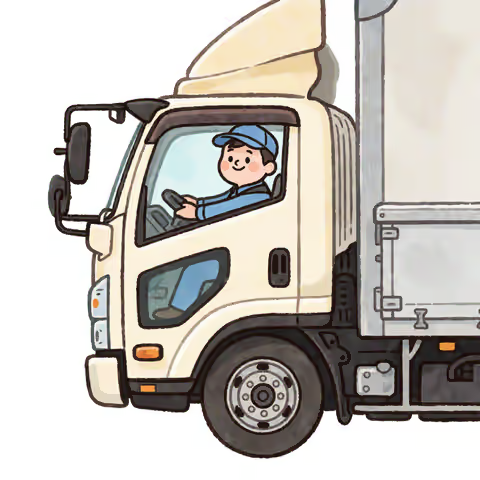
- CJK: Katakana from English truck. Mandarin 卡车. Canto 貨車. False friend: sports トラック = running track — not this card.
- Fun fact: 運転できますか. The vehicle. トラック競技 is the other loan. 運転する takes を.
- Memorize: Cab, steering wheel, “can you?”: トラックを運転できますか.
- Study tip: トラック. Don’t answer 車. Don’t answer the athletics sense.
9. 入院(にゅういん)
be hospitalized · masuk rumah sakit
Example: 昨日、母が入院しました。 — My mother was hospitalized yesterday.
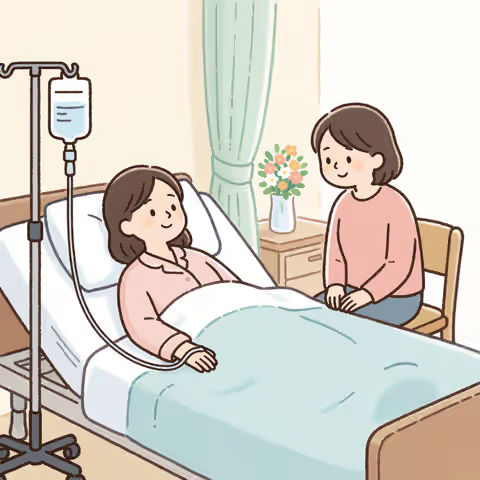
- CJK: 入 = 入. 院 = 院. Mandarin 住院. Canto 入院 jap6 jyun2. Verbal noun + する. Opposite 退院. HSK 入住 today is a house, not a ward.
- Fun fact: 母が入院した. The event of going in. 病院 is the building (Sep 12). 入院する not 入院になる.
- Memorize: Mum, hospital bed, yesterday: 母が入院しました.
- Study tip: 入院. Don’t answer 病院. Don’t answer 入住.
10. 習慣(しゅうかん)
custom; habit · kebiasaan
Example: 毎朝コーヒーを飲むのが習慣です。 — I'm in the habit of drinking coffee every morning.
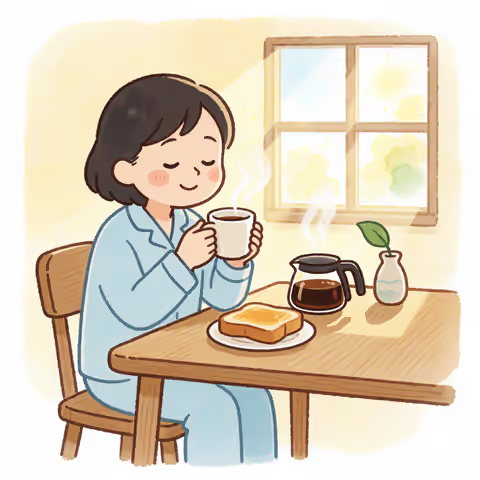
- CJK: 習 = 习 xí. 慣 = 惯. Mandarin 习惯. Canto 習慣 zaap6 gwaan3 (Sep 10 Canto sheet). Same 習 as 練習.
- Fun fact: 飲むのが習慣. Noun 習慣; 習慣になる is “become a habit.” 風習 is a cultural custom; today is coffee.
- Memorize: Morning mug, every day: 毎朝コーヒーを飲むのが習慣です.
- Study tip: 習慣. Don’t answer 風習. Reading しゅうかん.
11. 安心(あんしん)
peace of mind; relief · lega, tenang
Example: それを聞いて安心しました。 — I was relieved to hear that.

- CJK: 安 = 安. 心 = 心. Mandarin 放心 / 安心. Canto 安心 on1 sam1. HSK 伤心 today is the other 心. Suru-verb.
- Fun fact: 聞いて安心した = the news landed and the chest dropped. 安全 (Sep 15) is physical safety; 安心 is the feeling.
- Memorize: Shoulders down after the call: それを聞いて安心しました.
- Study tip: 安心. Don’t answer 安全. Don’t answer 伤心.
12. いずれ(いずれ)
eventually; sometime · suatu saat, nanti
Example: いずれまたお会いしましょう。 — Let's meet again sometime.
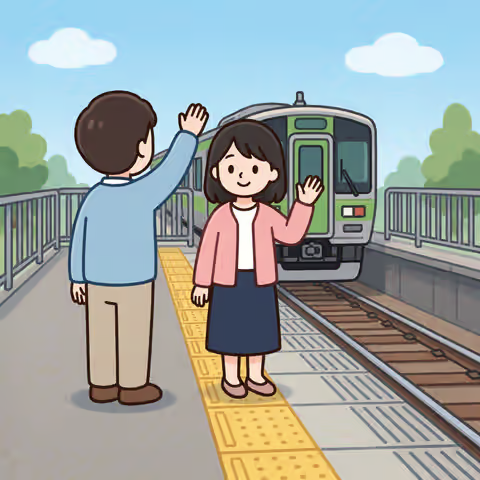
- CJK: Usually kana. Kanji 何れ exists; this card is hiragana. Mandarin 迟早 / 改日. Canto 遲啲 / 改日.
- Fun fact: いずれまた = not scheduling Tuesday; a polite someday. いつか is similar; いずれ also “which of them” — not today’s sentence.
- Memorize: Wave at the station: いずれまたお会いしましょう.
- Study tip: いずれ. Don’t answer いつか unless printed. Don’t answer “which.”
13. 美人(びじん)
beautiful woman · wanita cantik
Example: 彼のお母さんは美人です。 — His mother's a beautiful woman.

- CJK: 美 = 美. 人 = 人. Mandarin 美人. Canto 美人 mei5 jan4. Reading びじん, not うつくしいひと.
- Fun fact: お母さんは美人. Set praise. 美しい is the adjective; 美人 is the noun for a woman. Not used for men (美男子).
- Memorize: Photo of his mum: 彼のお母さんは美人です.
- Study tip: 美人. Don’t answer 美しい. Reading びじん.
14. みかん(みかん)
tangerine; mandarin orange · jeruk keprok, jeruk mandarin
Example: みかんを1つください。 — Please give me a tangerine.
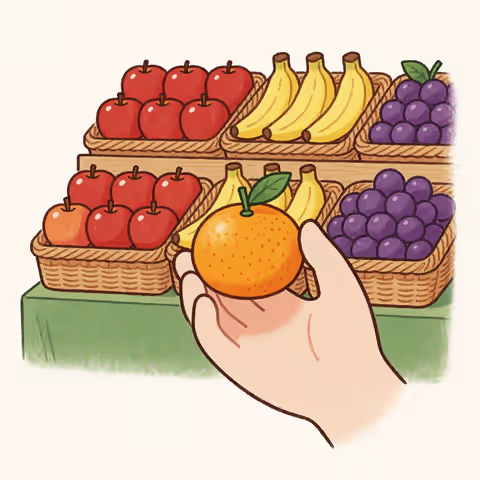
- CJK: Usually kana. Kanji 蜜柑. Mandarin 橘子 / 蜜柑. Canto 柑 gat1 / 桔. Counter つ (or 個).
- Fun fact: 1つください at the fruit stand. オレンジ is the Western orange; みかん is the small Japanese/mandarin one. Winter fruit.
- Memorize: One small orange in the hand: みかんを1つください.
- Study tip: みかん. Don’t answer オレンジ or りんご.
15. 課(か)
section; division; lesson · seksi, bagian, pelajaran
Example: 今から課のミーティングがある。 — Our division is going to have a meeting now.

- CJK: 課 = 课 kè. Mandarin 课 / 科. Canto 課 fo3. Dictionary “lesson”; today is the office 課. HSK 课堂 is the school session.
- Fun fact: 課のミーティング = section meeting. 第一課 is textbook lesson 1. Same character, two buildings.
- Memorize: Calendar, “section meeting now”: 課のミーティングがある.
- Study tip: 課. Don’t answer 授業. Today is the division, not 第三課.
16. 毎日(まいにち)
every day · setiap hari
Example: 私たちは毎日散歩をします。 — We go for a walk every day.

- CJK: 毎 = 每. 日 = 日. Mandarin 每天. Canto 每日 mui5 jat6. Reading まいにち, not まいひ. Sep 12 毎年 was まいとし.
- Fun fact: 毎日散歩. Habit loop with 習慣 (coffee) today. 日々 is more “day after day” literary.
- Memorize: Couple walking the same street: 毎日散歩をします.
- Study tip: 毎日. Don’t answer 毎年. Reading まいにち.
17. 開催(かいさい)
holding (of an event); opening · penyelenggaraan; mengadakan
Example: 京都で国際会議が開催された。 — An international conference was held in Kyoto.
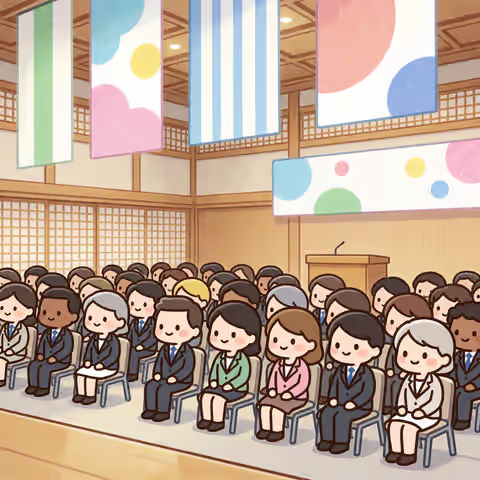
- CJK: 開 = 开 kāi. 催 = 催. Mandarin 举办 / 召开. Canto 舉行 / 舉辦. Passive 開催された is the usual news form.
- Fun fact: 会議が開催された. The event took place. 開く is casual “hold”; 開催 is the poster/news verb. Sep 14 国際.
- Memorize: Kyoto hall, banners, conference: 国際会議が開催された.
- Study tip: 開催. Don’t answer 開く. Subject is the event が.
18. 招待(しょうたい)
invitation · undangan
Example: 高校の時の先生を結婚式に招待した。 — I invited my high school teacher to the wedding.

- CJK: 招 = 招 zhāo. 待 = 待. Mandarin 招待. Canto 招待 ziu1 doi6. Suru-verb. Same 招 as 招聘 (Sep 13 HSK).
- Fun fact: 結婚式に招待した. 招待する takes を (person) and に (event). 招待状 is the card. 呼ぶ is just “call/invite” more loosely.
- Memorize: Wedding, old teacher on the list: 先生を結婚式に招待した.
- Study tip: 招待. Don’t answer 呼ぶ. Reading しょうたい, not しょうだい.
19. スープ(スープ)
soup; broth · sup
Example: 母がコーンスープを作っている。 — My mother made some corn chowder.
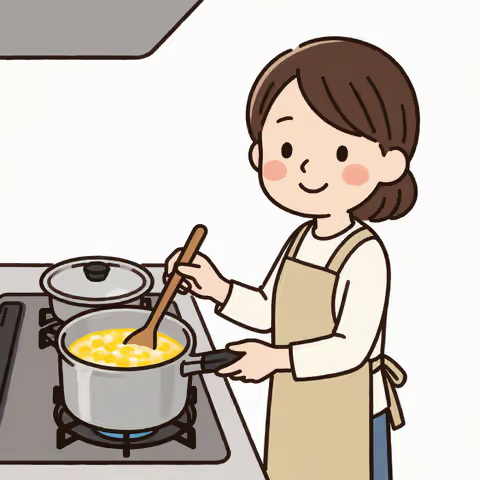
- CJK: Katakana from English soup (via French). Mandarin 汤. Canto 湯 tong1. コーンスープ = corn soup, a JP-Western staple.
- Fun fact: スープ is Western-style; 汁 / みそ汁 is Japanese soup. Today is corn. The English on the card says “chowder.”
- Memorize: Pot, yellow corn soup: コーンスープを作っている.
- Study tip: スープ. Don’t answer 汁 or みそ汁.
20. デート(デート)
date (romantic) · kencan
Example: デートで遊園地に行きました。 — I went on a date to an amusement park.

- CJK: Katakana from English date. Mandarin 约会 (Sep 11 HSK). Canto 拍拖 / 約會. Not the calendar 日付.
- Fun fact: デートで遊園地. The outing is the date. 付き合う is “going out” as a relationship; this card is one afternoon.
- Memorize: Two people, ferris wheel: デートで遊園地に行きました.
- Study tip: デート. Don’t answer 約束. Not a calendar date.