Anki session
Cantonese 2
廣東話
- New
- 20
- Learn
- 0
- Review
- 121
Session: 20 new remaining of the 20/day cap · 0 learning waiting · 121 reviews due.
Click Cantonese::Level2, not Level1. Level1 is review-only now. Learning is empty today: new cards mix into the 121 reviews.
This is a third sheet for today (HSK is 2026-09-18.md, Japanese is 2026-09-18-japanese-level2.md).
Session plan
- No learning queue. The 121 reviews are yesterday’s and older Level2 cards.
- Sense traps: 除 is 40÷8, not “except”; 轉 is change the TV channel; 套 is the classifier on the movie; 應 is “should you tell him”; 眼前 is “right now / the task in front of you.”
- Body / sound: 痛 whole body, 一聲 scream then fall, 大聲 scare the kids, 情 feelings for him, 感受 the test drive.
- People: 妹妹 cartoons, 姨 Auntie Kwai, 唔知道 airport.
- Chat / move: 傾計 cha chaan teng after work, 諗起 LegCo, 主動 told the reporter, 當時 late movie, 運動 every day.
- State: 爛 banana, 故事 ridiculous.
1. 當時(dong1 si4)
then; at that time · saat itu; pada waktu itu
Example: 當時我哋一齊睇戲睇到好夜。 — At that time we watched a movie together until late.

- CJK: 當 = 当. 時 = 时. Mandarin 当时. JP 当時(とうじ). Same 時 as 時間. Written 當時; spoken often 嗰陣.
- Fun fact: 當時…睇到好夜. A past stretch of time, not a clock time. 那時 is Mandarin; HK still writes 當時 in subtitles.
- Memorize: Dark cinema, late: 當時我哋一齊睇戲睇到好夜.
- Study tip: 當時. Don’t answer 而家 or 嗰陣 unless printed.
2. 除(ceoi4)
divide; remove · membagi; melepas
Example: 四十除八等於五。 — Forty divided by eight equals five.

- CJK: 除 = 除 chú. Mandarin 除. JP 割る / 除く. Dictionary “remove / except”; today is arithmetic 除.
- Fun fact: A 除 B = A ÷ B. 除咗…之外 is “except.” Do not reach for 除了 on this card.
- Memorize: 40 ÷ 8 = 5 on a blackboard: 四十除八等於五.
- Study tip: 除. Don’t answer 減 or 除了.
3. 轉(zyun3)
to turn; to switch · memutar; mengganti
Example: 唔該幫我轉台。 — Help me change the TV channel.

- CJK: 轉 = 转 zhuǎn. Mandarin 转台. JP 回す / 変える. Reading zyun3 for change-over (轉台 / 轉工). 轉身 yesterday-ish was also zyun3.
- Fun fact: 轉台 = flip the channel. 轉彎 is a road turn (often zyun3). Not 換 unless that’s printed.
- Memorize: Remote, TV: 唔該幫我轉台.
- Study tip: 轉. Don’t answer 換. Today is the channel.
4. 痛(tung3)
ache; pain; sorrow · sakit; nyeri; sedih
Example: 我成身都痛,唔知做乜。 — My whole body aches, I don't know why.
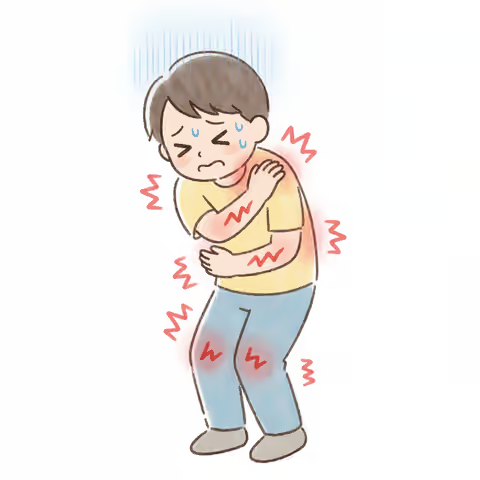
- CJK: 痛 = 痛 tòng. Mandarin 疼 / 痛. JP 痛い(いたい). 成身 = the whole body. Sep 12 病 was being ill; this is the ache.
- Fun fact: 成身都痛. Physical. 心痛 / 痛心 is the sorrow sense — not today’s sentence.
- Memorize: Sore all over, shrug: 成身都痛,唔知做乜.
- Study tip: 痛. Don’t answer 病 or 辛苦.
5. 套(tou3)
cover; classifier for movies / sets · sarung; penggolong film
Example: 套戲本身唔係幾好,不過我好鍾意佢啲音樂。 — The movie itself isn't great, but I really like the music.

- CJK: 套 = 套 tào. Mandarin 套 (classifier 一套). JP セット. Classifier 套 for films, suits, TV series.
- Fun fact: 套戲 = that movie. The noun “cover / case” exists; today 套 is already on the film. 齣 is another show classifier.
- Memorize: Film poster, humming the soundtrack: 套戲本身唔係幾好.
- Study tip: 套. Don’t answer 戲. Classifier, not “put a cover on.”
6. 唔知道(m4 zi1 dou3)
don't know · tidak tahu
Example: 去機場點行呀?我唔知道,要問人。 — How to get to the airport? I don't know, need to ask someone.
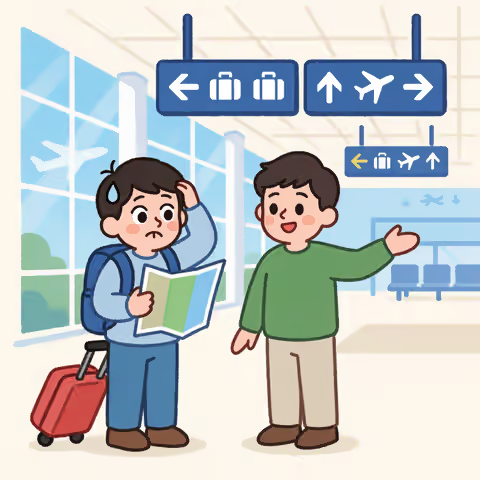
- CJK: 唔 = 不. 知 = 知. 道 = 道. Mandarin 不知道. JP 知らない. Same 知 as 通知 (Sep 12). Spoken 唔知 is shorter; this card keeps 道.
- Fun fact: 唔知道,要問人. Full denial of knowledge. 唔清楚 is “not clear”; 唔記得 is forgot.
- Memorize: Airport signs, lost, ask: 去機場點行?我唔知道.
- Study tip: 唔知道. Don’t answer 唔知 unless that’s printed. Don’t answer 唔記得.
7. 運動(wan6 dung6)
exercise; sports · olahraga; berolahraga
Example: 我哋應該日日都做吓運動。 — We should do some exercise every day.
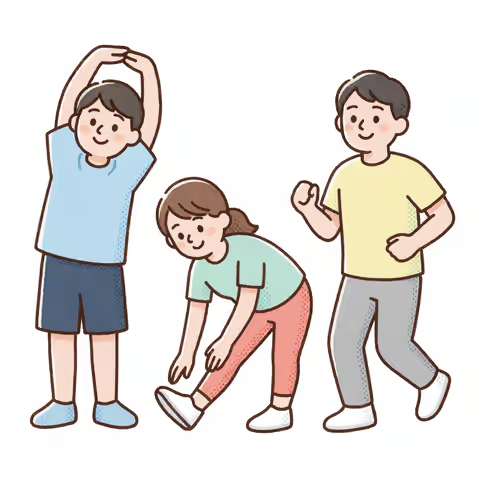
- CJK: 運 = 运. 動 = 动. Mandarin 运动. JP 運動(うんどう). Same 動 as 主動 today — that is initiative; this is PE.
- Fun fact: 做運動. HK also 做gym. 運動會 is a sports day. Japanese 毎日散歩 today is the same daily-body cluster.
- Memorize: Stretch, every day: 日日都做吓運動.
- Study tip: 運動. Don’t answer 跑 (Sep 15) unless printed.
8. 一聲(jat1 seng1)
a sound; a cry · satu bunyi; teriakan
Example: 佢叫咗一聲,就由樓梯跌咗落去。 — He let out a scream and fell downstairs.
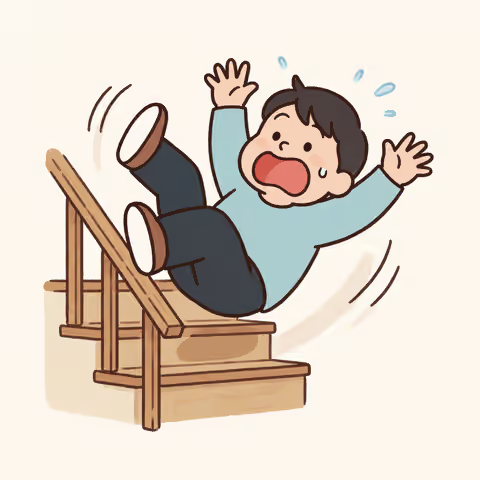
- CJK: 一 = 一. 聲 = 声. Mandarin 一声. JP 一声(いっせい). seng1 like 大聲 today, not literary sing1.
- Fun fact: 叫咗一聲 = one cry, then the fall. Measure word on 聲. 出聲 (Sep 11) was “speak up.”
- Memorize: Stairs, one shout, tumble: 叫咗一聲,就跌咗落去.
- Study tip: 一聲. Don’t answer 大聲. Reading seng1.
9. 情(cing4)
emotion; feeling; affection · perasaan; kasih sayang
Example: 我對佢有情。 — I have feelings for him.

- CJK: 情 = 情 qíng. Mandarin 情 / 感情. JP 情(じょう). Sep 14 表情 was the face; this is the feeling.
- Fun fact: 對佢有情 = attached, sweet. 感情 is the two-syllable default; the card is the single 情. 愛情 is romance-labelled.
- Memorize: Quiet glance: 我對佢有情.
- Study tip: 情. Don’t answer 愛 or 感情 unless printed.
10. 諗起(nam2 hei2)
to think of; recall · teringat; terpikir
Example: 你諗起吓,下次我可能搏晒去選立法會。 — Just think, I might go all out and run for the Legislative Council next time.

- CJK: 諗 = 想 / 念. 起 = 起. Mandarin 想起. JP 思い出す. HK verb 諗 = think. 諗起 = the thought surfaces.
- Fun fact: 諗起吓 as “picture it.” Also “it occurs to me.” Not 記得 (remember a fact).
- Memorize: Finger to temple, ballot box: 你諗起吓,去選立法會.
- Study tip: 諗起. Don’t answer 記得 or 想. Reading nam2, not lam2.
11. 妹妹(mui6 mui2)
younger sister · adik perempuan
Example: 我妹妹鍾意睇卡通。 — My younger sister likes watching cartoons.

- CJK: 妹 = 妹 mèi. Mandarin 妹妹. JP 妹(いもうと). Sep 12 妹 was the single character. Second syllable often rising mui2.
- Fun fact: 妹妹睇卡通. Kinship reduplication. 細妹 / 阿妹 are other HK forms. Sep 16 細佬 was younger brother.
- Memorize: Kid on the sofa, cartoons: 我妹妹鍾意睇卡通.
- Study tip: 妹妹. Don’t answer 姊姊 or 細佬.
12. 主動(zyu2 dung6)
initiative; proactive · inisiatif; proaktif
Example: 佢主動同記者講:「香港獨立係可行嘅。」 — He proactively told the reporter, "Hong Kong independence is feasible."

- CJK: 主 = 主. 動 = 动. Mandarin 主动. JP 主動的(しゅどうてき). Opposite 被動. Same 動 as 運動 — different word.
- Fun fact: 主動同記者講 = he volunteered the line. Not 自動 (automatic). The quote is the card’s example sentence.
- Memorize: Mic, he steps forward: 佢主動同記者講.
- Study tip: 主動. Don’t answer 自動 or 運動.
13. 姨(ji4)
mother's sister; aunt · bibi (saudari ibu)
Example: 桂姨:「囡,媽媽知志龍其實唔係一個好丈夫,但你知唔知點解我成日想你同佢喺埋一齊?」 — Auntie Kwai: "Daughter, Mom knows Chi-lung isn't a good husband, but do you know why I still want you to stay with him?"

- CJK: 姨 = 姨 yí. Mandarin 姨 / 姨妈. JP おば(母の姉妹). Reading ji4. 阿姨 is aa3 ji4. Father’s sister is 姑媽, not 姨.
- Fun fact: 桂姨 as address. Mother’s sister (or a mum-age woman). Long TV-drama sentence; the word you want is 姨.
- Memorize: Aunt in the doorway, talking marriage: 桂姨叫你。
- Study tip: 姨. Don’t answer 姑媽 or 嬸.
14. 應(jing1)
should · seharusnya; patut
Example: 你應唔應該同佢講清楚呢件事? — Should you tell him clearly about this matter?

- CJK: 應 = 应. Mandarin 应该. JP 応(おう) / すべき. Yesterday 反應 was jing3 (respond). Should is jing1.
- Fun fact: 應唔應該 is the A-not-A. The card is the single 應. 答應 (Sep 11 HSK) was “agree.”
- Memorize: Finger point, “tell him clearly?”: 你應唔應該同佢講清楚.
- Study tip: 應. Don’t answer 應該 unless that’s printed. Reading jing1, not jing3.
15. 傾計(king1 gai2)
to chat; to discuss · mengobrol; berbincang
Example: 放工之後,我哋好鍾意去茶餐廳傾計。 — After work, we really like to go to the cha chaan teng to chat.

- CJK: 傾 = 倾. 計 = 计. Mandarin 聊天. JP おしゃべり. HK 傾計 / 傾偈. Sep 11 計 was a different 計.
- Fun fact: 去茶餐廳傾計. The HK default “hang out and talk.” 討論 is a meeting; 傾計 is the booth.
- Memorize: Milk tea, booth, after work: 去茶餐廳傾計.
- Study tip: 傾計. Don’t answer 講 or 討論. Also written 傾偈.
16. 爛(laan6)
damaged; rotten · rusak; busuk
Example: 呢隻蕉放咗幾日已經爛咗。 — This banana has gone rotten after being left for a few days.

- CJK: 爛 = 烂 làn. Mandarin 烂. JP 腐る / 壊れる. Food goes 爛; a phone screen 爛咗 is smashed.
- Fun fact: 蕉…爛咗. Overripe, not 壞 in the Mandarin “broken machine” sense — HK still says 爛 for both bruise and rot.
- Memorize: Black banana on the counter: 放咗幾日已經爛咗.
- Study tip: 爛. Don’t answer 壞 unless printed.
17. 大聲(daai6 seng1)
loud · keras; nyaring
Example: 唔好大聲嗌,會嚇親啲細路。 — Don't shout loudly, you'll scare the kids.
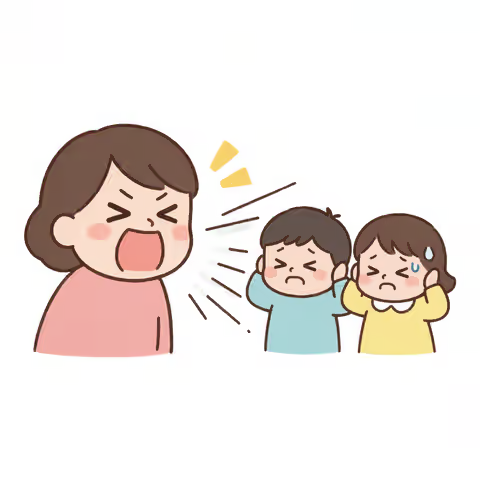
- CJK: 大 = 大. 聲 = 声. Mandarin 大声. JP 大声(おおごえ). Pairs with 一聲 today. Yesterday 講話好大聲.
- Fun fact: 大聲嗌. Adjective / adverb. 細聲 is the opposite. 嚇親 = scare (resultative 親).
- Memorize: Hands over kids’ ears: 唔好大聲嗌.
- Study tip: 大聲. Don’t answer 一聲. Don’t answer 叫 alone.
18. 眼前(ngaan5 cin4)
now; before one's eyes · saat ini; di depan mata
Example: 眼前最緊要係專心做好手頭嘅工作。 — Right now, the most important thing is to focus on the task at hand.
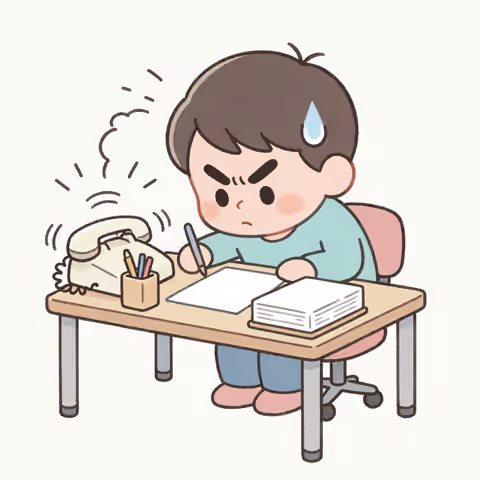
- CJK: 眼 = 眼. 前 = 前. Mandarin 眼前. JP 目の前. Yesterday 眼 was “in a blink”; this is 眼前 = the immediate now.
- Fun fact: 眼前最緊要. Not only literal “in front of the eyes” — the present task. 而家 is “now”; 眼前 is “what’s right here.”
- Memorize: Desk, ignore the rest: 眼前最緊要係做好手頭嘅工作.
- Study tip: 眼前. Don’t answer 而家 or 眼.
19. 故事(gu3 si6)
story; tale · cerita
Example: 呢個真係一個好離譜嘅故事。 — This is really a ridiculous story.
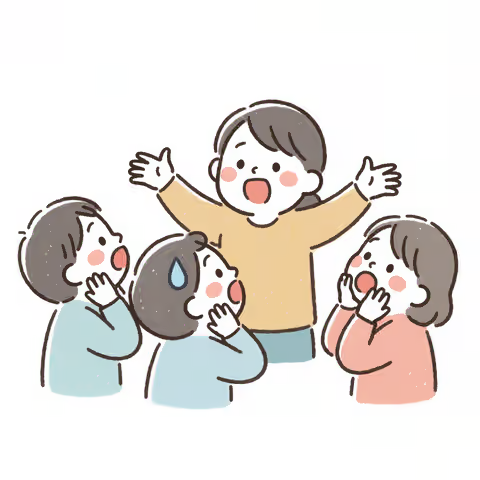
- CJK: 故 = 故. 事 = 事. Mandarin 故事. JP 物語 / ストーリー. Same 事 as 事情. Not 事故 (accident).
- Fun fact: 離譜嘅故事. A tale, possibly gossip. 小說 is a novel; 故事 is the story you tell.
- Memorize: Hands up, “unbelievable”: 真係一個好離譜嘅故事.
- Study tip: 故事. Don’t answer 事 or 小說.
20. 感受(gam2 sau6)
to feel; a feeling · merasakan; perasaan
Example: 如果你有興趣又有時間,我而家可以安排你試車,自己感受吓。 — If you're interested and have time, I can arrange for you to test drive now and feel it yourself.

- CJK: 感 = 感. 受 = 受. Mandarin 感受. JP 感じる / 感想. Verb + 吓. 情 today is affection; 感受 is sensory / experiential.
- Fun fact: 自己感受吓 = try it and feel it — here a test drive. 感覺 is “I feel that…”; 感受 is taking the impression in.
- Memorize: Car showroom, keys: 試車,自己感受吓.
- Study tip: 感受. Don’t answer 感覺 or 情.