Anki session
HSK 4
汉语
- New
- 20
- Learn
- 0
- Review
- 247
Session: 20 new remaining of the 20/day cap · 0 learning waiting · 247 reviews due.
Click HSK::Level 4, not the parent HSK. No learning queue, so new cards mix into the 247 reviews.
Session plan
- Nothing in learning. When a new one pops, match it to the number below.
- Still new from yesterday: 因此 overtime → late; 零钱 mum’s monthly pocket money. Same sentences.
- Sense traps: 降 is the temperature, not 降落; 重 is a nasty cold, not “heavy luggage”; 推 is nominate class monitor, not push a door; 不过 is 再好不过, not “but”; 巧 is skillful hands, not “what a coincidence.”
- School: 语法 this text isn’t hard, 课堂 keep quiet, 至少 one hour of Chinese a day.
- Feel / calendar: 做梦 university without studying, 伤心 after the news, 偶尔 weekend movies, 寒假 see grandpa, 日子 easier after the move.
- House / media: 庆祝 birthday dinner, 互相 help, 少量 sugar, 入住 next week, 播放 TV news (yesterday was 广播).
1. 做梦(zuòmèng)
to dream; (fig.) wishful thinking · bermimpi; berangan-angan
Example: 不学习就想上大学?别做梦了。 — You want to get into university without studying? Stop dreaming.
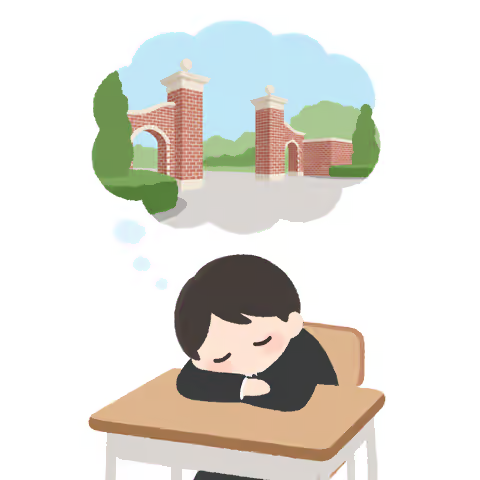
- CJK: 做 = 做. 梦 = 夢. JP 夢を見る. Canto 發夢 faat3 mung6. Traditional 做夢. Same 做 as 做饭; 梦 as 梦想.
- Fun fact: Literal “have a dream” exists, but today is the slap: 别做梦了 = stop fantasizing. 梦想 is the noble goal; 做梦 here is the insult.
- Memorize: Empty desk, university gate far away: 不学习就想上大学?别做梦了.
- Study tip: 做梦. Don’t answer 梦想 or 睡觉.
2. 降(jiàng)
to drop; to fall; to descend · turun; menurun
Example: 气温降了不少。 — The temperature dropped a lot.

- CJK: 降 = 降. JP 下がる / 降る(あめがふる is a different 降). Canto 降 gong3. Reading jiàng, not xiáng (投降). Sep 15 降落 was a plane; this is the mercury.
- Fun fact: 气温降了. Intransitive weather drop. 降低 is the two-syllable verb; the card is the single 降. Japanese 達する today is the opposite motion (35°).
- Memorize: Thermometer sliding down: 气温降了不少.
- Study tip: 降. Don’t answer 降落 or 下降 unless printed. Reading jiàng.
3. 至少(zhìshǎo)
at least · setidaknya
Example: 想学好中文,每天至少要练习一个小时。 — To learn Chinese well, you need to practice at least one hour every day.
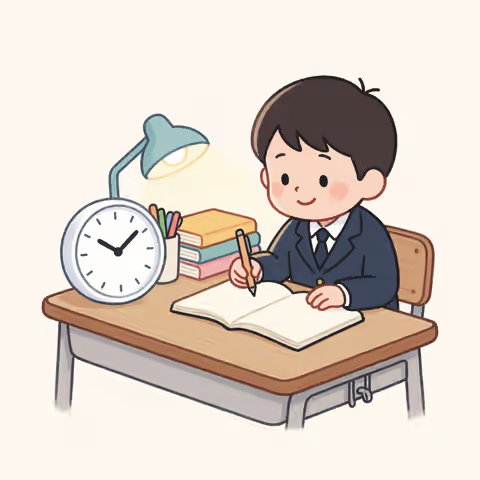
- CJK: 至 = 至. 少 = 少. JP 少なくとも. Canto 至少 zi3 siu2. Same 至 as 甚至; 少 as 少. Floor, not “very little.”
- Fun fact: 至少要练习一个小时 = the minimum. 最多 is the cap. 最少 is “the fewest”; 至少 is the “at-least” hedge on a verb.
- Memorize: Timer, one hour, textbook: 每天至少要练习一个小时.
- Study tip: 至少. Don’t answer 最少 or 最多.
4. 庆祝(qìngzhù)
to celebrate · merayakan
Example: 晚上朋友们一起吃饭,庆祝他的生日。 — In the evening the friends are eating together to celebrate his birthday.
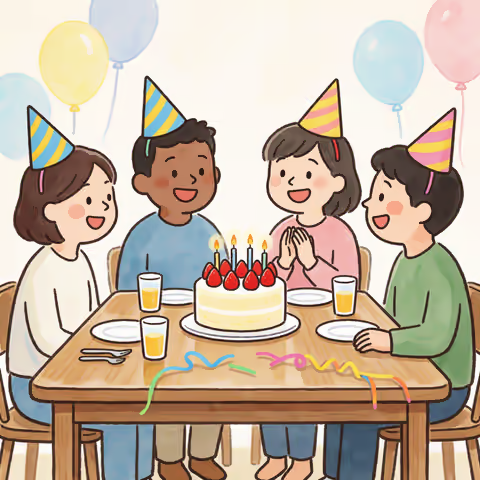
- CJK: 庆 = 慶. 祝 = 祝. JP 祝う / お祝い. Canto 慶祝 hing3 zuk1. Traditional 慶祝. Same 祝 as Sep 14 祝贺 — that was “congratulations”; this is the party.
- Fun fact: 庆祝他的生日 = the dinner is the celebration. 祝贺 is words; 庆祝 is the event.
- Memorize: Round table, cake, friends: 一起吃饭,庆祝他的生日.
- Study tip: 庆祝. Don’t answer 祝贺 or 生日.
5. 重(zhòng)
heavy; serious; to attach importance to · berat; parah; mementingkan
Example: 医生说他这次感冒很重,得在家休息几天。 — The doctor said his cold is quite serious, so he needs to rest at home for a few days.

- CJK: 重 = 重. JP 重い(おもい) / 重大. Canto 重 cung5. Reading zhòng, not chóng (重复). Sep 14 重点 was “key point.”
- Fun fact: 感冒很重 = a bad cold, not a heavy suitcase. 严重 is the two-syllable “severe”; this card is the single 重 after 感冒.
- Memorize: Doctor, tissues, stay home: 这次感冒很重.
- Study tip: 重. Don’t answer 严重 or 重 as chóng.
6. 因此(yīncǐ)
thus; consequently; as a result · karena itu
Example: 他昨天加班到很晚,因此今天迟到了。 — He worked overtime until late last night, so he was late today.
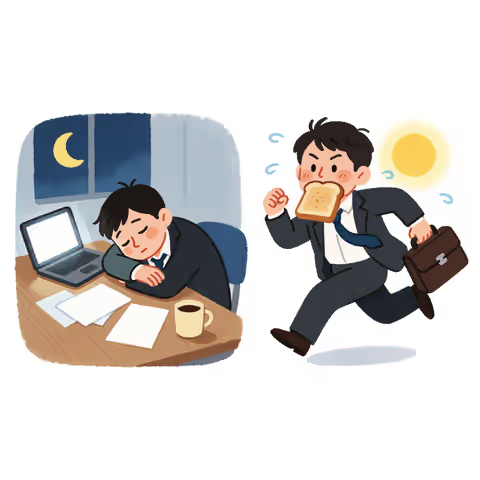
- CJK: 因 = 因. 此 = 此. JP したがって / そのため. Canto 因此 jan1 ci2. Same card as yesterday — still in the new pile.
- Fun fact: 加班到很晚,因此迟到. Cause → result. 因为…所以… is the full pair; 因此 is the short “hence.”
- Memorize: Clock 2am, then late stamp: 加班到很晚,因此今天迟到了.
- Study tip: 因此. Don’t answer 所以 unless that’s printed. Don’t answer 因为.
7. 语法(yǔfǎ)
grammar · tata bahasa
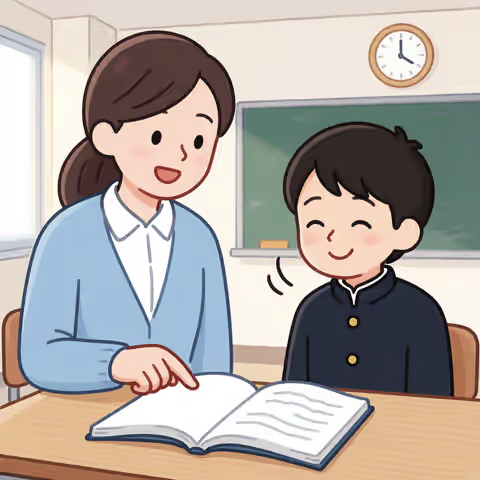
Example: 老师说这篇课文的语法不太难。 — The teacher said the grammar in this text isn't too hard.
- CJK: 语 = 語. 法 = 法. JP 文法(ぶんぽう). Canto 語法 jyu5 faat3. Traditional 語法. Same 语 as 语言; 法 as 方法. Japanese says 文法, not 语法.
- Fun fact: 课文的语法 = the patterns in this text, not a linguistics seminar. 语法点 is a grammar point.
- Memorize: Teacher, textbook, “not too hard”: 这篇课文的语法不太难.
- Study tip: 语法. Don’t answer 语言 or 文法 on this card.
8. 偶尔(ǒu’ěr)
occasionally; once in a while · sesekali; kadang-kadang
Example: 周末我偶尔和朋友一起看电影。 — I occasionally watch movies with friends on the weekend.

- CJK: 偶 = 偶. 尔 = 爾. JP たまに. Canto 偶爾 ngau5 ji5. Traditional 偶爾. Not 偶然 (by chance).
- Fun fact: 偶尔看电影 = sometimes, not every weekend. 常常 / 经常 is the opposite frequency. 偶然 is “coincidentally.”
- Memorize: Weekend, cinema, not every week: 周末我偶尔和朋友一起看电影.
- Study tip: 偶尔. Don’t answer 偶然 or 有时候 unless printed.
9. 推(tuī)
to push; to nominate · mendorong; mencalonkan
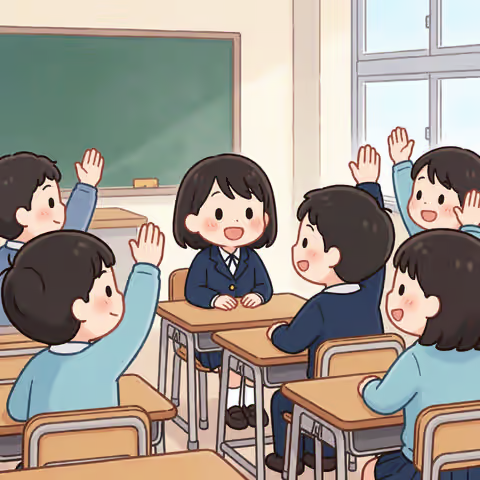
Example: 我们都推她当班长,因为她工作很仔细。 — We all nominated her for class monitor because she works very carefully.
- CJK: 推 = 推. JP 推薦(すいせん) / 押す. Canto 推 teoi1. Dictionary first sense is “push”; today’s sentence is 推选.
- Fun fact: 推她当班长 = put her name forward. 推荐 is the two-syllable “recommend.” 推开门 is the door — not this card.
- Memorize: Class vote, her name on the board: 推她当班长.
- Study tip: 推. Don’t answer 推荐 or 选. Don’t answer 推 as “push the door.”
10. 零钱(língqián)
small change; pocket money · uang receh; uang saku
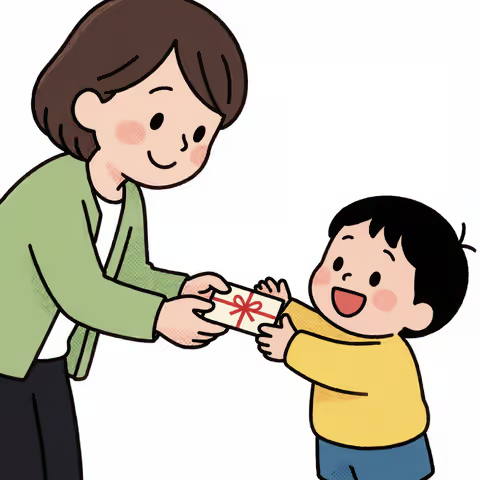
Example: 妈妈每个月都会给我一些零钱。 — Mom gives me some pocket money every month.
- CJK: 零 = 零. 钱 = 錢. JP 小銭 / お小遣い. Canto 零錢 ling4 cin4. Traditional 零錢. Same card as yesterday — still new.
- Fun fact: Dictionary “coins as change.” Today is 零用钱: monthly pocket money from 妈妈. Not 找钱 at the cashier.
- Memorize: Mum, monthly cash in an envelope: 每个月都会给我一些零钱.
- Study tip: 零钱. Don’t answer 钱 or 找钱.
11. 互相(hùxiāng)
each other; mutually · saling; satu sama lain
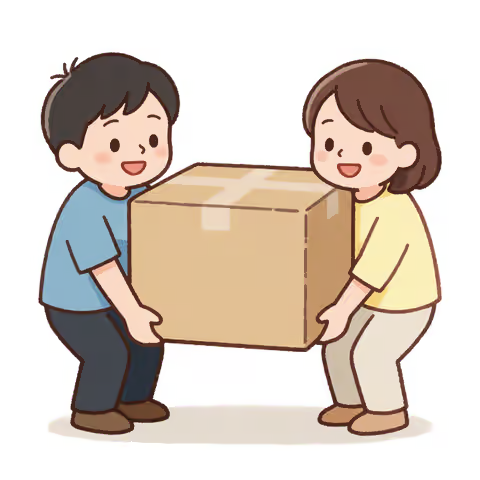
Example: 我们应该互相帮助。 — We should help each other.
- CJK: 互 = 互. 相 = 相. JP 互いに. Canto 互相 wu6 soeng1. Same 相 as 相同. 互相 + verb; 相互 is more written.
- Fun fact: 互相帮助 = A helps B, B helps A. 彼此 is “both parties”; 互相 is the adverb on the verb. Not 一起 (together).
- Memorize: Two people lifting one box: 应该互相帮助.
- Study tip: 互相. Don’t answer 一起 or 彼此.
12. 伤心(shāngxīn)
to grieve; broken-hearted · sedih; patah hati
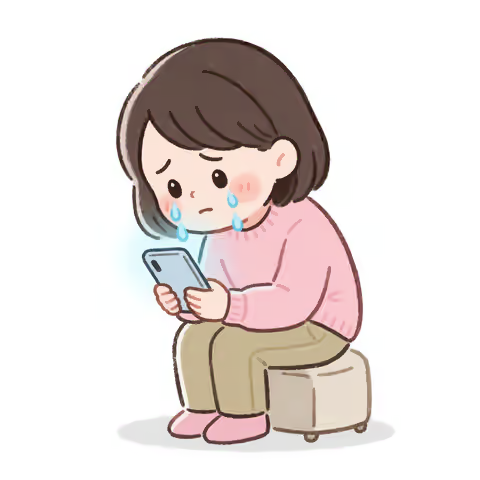
Example: 听到那个消息后,她很伤心。 — After she heard the news, she felt really heartbroken.
- CJK: 伤 = 傷. 心 = 心. JP 傷心(しょうしん). Canto 傷心 soeng1 sam1. Traditional 傷心. Japanese 安心 today is the opposite chest.
- Fun fact: 很伤心 after 消息. 难过 is general sad; 伤心 is the heart taking the hit. 伤心了 can be a breakup; here it’s news.
- Memorize: Phone in hand, sitting down hard: 听到那个消息后,她很伤心.
- Study tip: 伤心. Don’t answer 难过 or 哭.
13. 少量(shǎoliàng)
a little; a small amount · sedikit; sejumlah kecil
Example: 我只放了少量糖,你再尝尝。 — I only put in a little sugar—try it again.

- CJK: 少 = 少. 量 = 量. JP 少量(しょうりょう). Canto 少量 siu2 loeng6. Same 少 as 至少 today — that was “at least”; this is “a smidgen.”
- Fun fact: 少量糖 in cooking. 大量 is the opposite. 一点 is casual; 少量 is the recipe-label amount.
- Memorize: Tiny spoon of sugar over a cup: 只放了少量糖,你再尝尝.
- Study tip: 少量. Don’t answer 一点 or 少 unless printed.
14. 不过(búguò)
only; but; cannot be more (after adjectival) · hanya; tetapi; tidak bisa lebih
Example: 这已经再好不过了。 — This couldn't be better.

- CJK: 不 = 不. 过 = 過. JP これ以上ない. Canto 不過 bat1 gwo3. Traditional 不過. Tone bú before 4th-tone 过.
- Fun fact: Dictionary lists “but / only.” Today is Adj + 不过: 再好不过 = as good as it gets. Not 但是.
- Memorize: Thumbs up, nothing left to add: 再好不过了.
- Study tip: 不过. Don’t answer 但是. Frame is 再 + adj + 不过.
15. 寒假(hánjià)
winter vacation · libur musim dingin
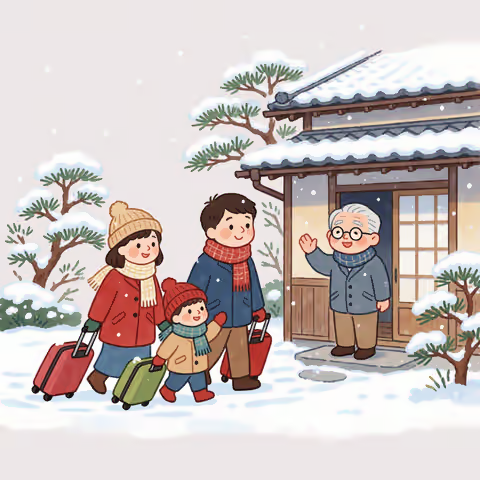
Example: 今年寒假我们打算回家看爷爷。 — This winter vacation we plan to go back home to see grandpa.
- CJK: 寒 = 寒. 假 = 假. JP 冬休み(ふゆやすみ). Canto 寒假 hon4 gaa3. Same 假 as 放假. Pair: 暑假 / 寒假.
- Fun fact: 寒假回家看爷爷. School calendar, not “cold holiday” as weather. 假期 is any break; 寒假 is the winter one.
- Memorize: Packed bag, snow, grandpa at the door: 寒假我们打算回家看爷爷.
- Study tip: 寒假. Don’t answer 暑假 or 假期.
16. 日子(rìzi)
day; date; days of one's life · hari; masa; kehidupan sehari-hari
Example: 搬到这儿以后,日子比以前轻松多了。 — Since we moved here, life has been a lot easier than before.

- CJK: 日 = 日. 子 = 子. JP 暮らし / 日々. Canto 日子 jat6 zi2. Neutral tone 子. Not 日期 (a calendar date).
- Fun fact: 日子轻松 = day-to-day life got lighter. 过好日子 is “live well.” Dictionary “a date”; today is the living.
- Memorize: New flat, shoulders down: 日子比以前轻松多了.
- Study tip: 日子. Don’t answer 生活 or 日期.
17. 课堂(kètáng)
classroom; class session · ruang kelas; sesi kelas
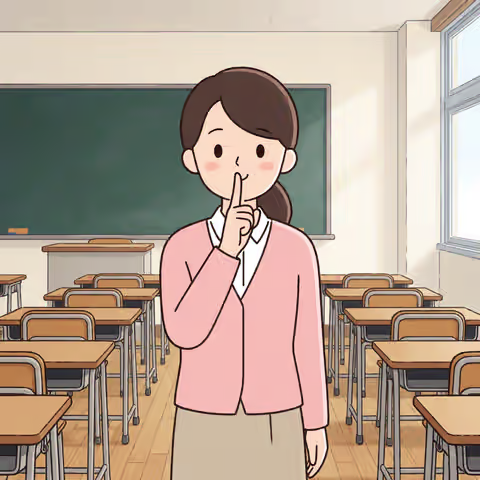
Example: 请在课堂上保持安静。 — Please be quiet in class.
- CJK: 课 = 課. 堂 = 堂. JP 教室(きょうしつ) / 授業. Canto 課堂 fo3 tong4. Traditional 課堂. Japanese 課 today is a company division, not this room.
- Fun fact: 课堂上 = during class, in the room. 教室 is the physical room; 课堂 is the session. 保持安静 is the teacher’s line.
- Memorize: Finger to lips, desks: 请在课堂上保持安静.
- Study tip: 课堂. Don’t answer 教室 or 课.
18. 入住(rùzhù)
to check in; to move in · check-in; menempati
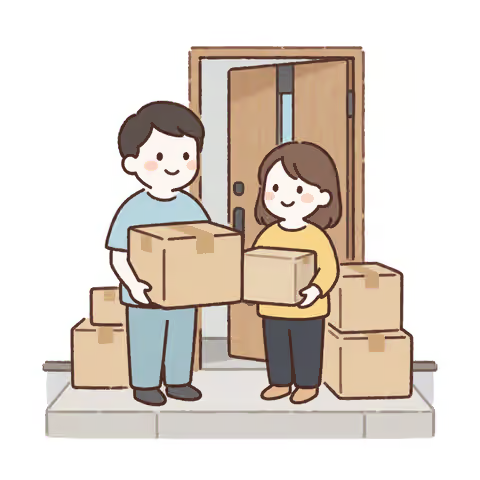
Example: 新房子已经准备好了,他们下周入住。 — The new house is ready, and they're moving in next week.
- CJK: 入 = 入. 住 = 住. JP 入居(にゅうきょ) / チェックイン. Canto 入住 jap6 zyu6. Hotel 入住 = check-in; today is the new house.
- Fun fact: 下周入住 = keys, boxes, move-in day. Japanese 入院 today is hospital “move-in.” Don’t swap them.
- Memorize: New door, boxes in the hall: 他们下周入住.
- Study tip: 入住. Don’t answer 搬家 or 住. Not 入院.
19. 播放(bōfàng)
to broadcast; to play (media) · menyiarkan; memutar
Example: 电视正在播放新闻。 — The TV is broadcasting the news.

- CJK: 播 = 播. 放 = 放. JP 再生 / 放送. Canto 播放 bo3 fong3. Yesterday 广播 used the same English sentence; this card is 播放.
- Fun fact: 播放新闻 on TV. 广播 leans radio / “a broadcast”; 播放 is hit play / transmit. Same 播.
- Memorize: TV, “now playing” news: 电视正在播放新闻.
- Study tip: 播放. Don’t answer 广播 (yesterday’s card). Don’t answer 新闻.
20. 巧(qiǎo)
skillful; coincidentally · terampil; kebetulan
Example: 她手很巧,这些小东西都是她自己做的。 — She's very skillful with her hands; she made all these little things herself.
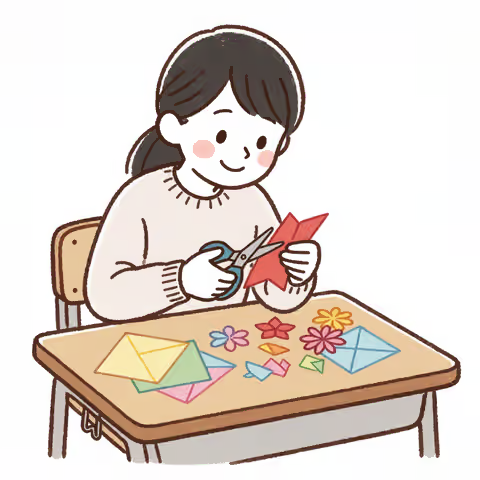
- CJK: 巧 = 巧. JP 器用(きよう). Canto 巧 haau2. 手巧 = deft hands. 碰巧 is the coincidence sense — not today’s sentence.
- Fun fact: 手很巧, handmade 小东西. 巧妙 is “clever (plan)”; this is craft skill. 巧合 is “coincidence.”
- Memorize: Small handmade crafts on a table: 她手很巧,都是她自己做的.
- Study tip: 巧. Don’t answer 偶然 or 能. Today is hands, not “what a coincidence.”