Anki session
Japanese 2
日本語
- New
- 20
- Learn
- 0
- Review
- 68
Session: 20 new remaining of the 20/day cap · 0 learning waiting · 68 reviews due.
Click Japanese::Level2, not Level1. Level1 is review-only now. Yesterday’s new cards are in the 68 reviews; today’s twenty still mix in.
This is a second sheet for today (HSK is 2026-09-17.md). Do not mix the decks in one Anki session.
Session plan
- Sixty-eight reviews already — clear those as they come, then the new pile.
- Verb traps: 限る weekends only; 焼ける the meat (intransitive; 焼く is you); 残る leftovers; 拾う the wallet (yesterday 落とす); ぶつかる the pole (intransitive; ぶつける is you); 貸す not 借りる; 間違える the number.
- Out-and-about: 用事 dad’s errands, 神社 Kyoto, 動物園 with kids, 値段 the belt.
- Paper/era: 文字 on the wall, 時代 of speed, 基本 jazz, 大学院 (pairs with HSK 研究生).
- Senses: おかしい funny story (also “weird”), やはり late as expected (vs HSK 实际上), 真っ白 snow, 赤 the light, 涙.
1. 限る(かぎる)
be limited to · terbatas pada
Example: このサービスは週末に限ります。 — This service is limited to weekends.
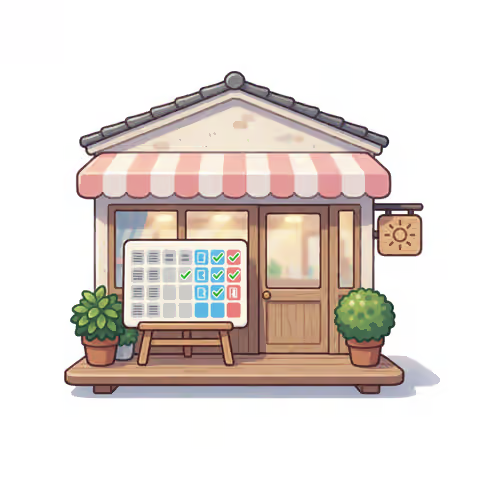
- CJK: 限 = 限 xiàn. Mandarin 限于 / 限. Canto 限於. に限る / に限ります = only this case. Also 〜に限る “nothing beats〜” — not today’s sentence.
- Fun fact: 週末に限ります = weekend-only. 限らず is “not limited to.” Noun 限り.
- Memorize: Shop sign, Sat–Sun only: 週末に限ります.
- Study tip: 限る. Don’t answer だけ. Don’t conjugate as 限ります without に.
2. 焼ける(やける)
burn; be scorched; be baked · matang, terbakar, terpanggang
Example: 肉が焼けました。 — The meat is cooked.
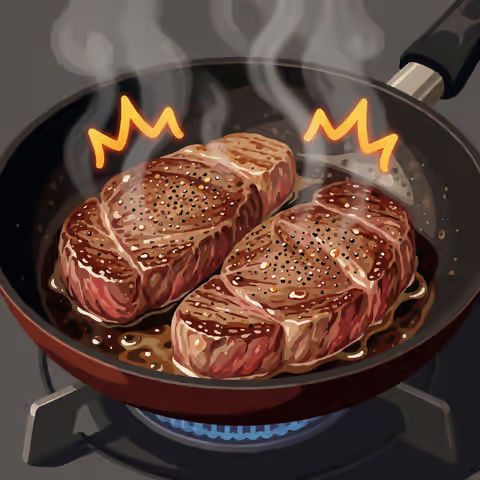
- CJK: 焼 = 烧 shāo. Mandarin 烤熟 / 烧. Canto 燒. Intransitive. Transitive is 焼く. Yesterday HSK 烤 was sit-by-the-fire; this is the meat done.
- Fun fact: 肉が焼けた = it cooked. You 肉を焼く. Also 夕焼け, 日焼け, jealous 心が焼ける. Today is dinner.
- Memorize: Pan, meat browned: 肉が焼けました.
- Study tip: 焼ける. Don’t answer 焼く. Subject is 肉が.
3. 残る(のこる)
remain; be left over · tersisa, tertinggal
Example: 料理がたくさん残りました。 — A lot of food was left over.
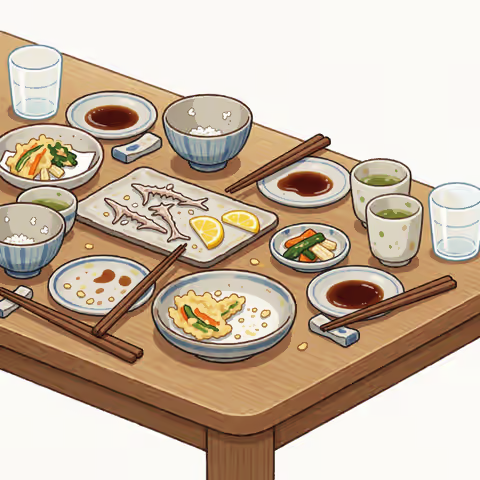
- CJK: 残 = 残 cán. Mandarin 剩下. Canto 剩. Intransitive. Transitive leftover-making is 残す.
- Fun fact: 料理が残る = too much food. Also 後に残る, 名が残る. Not 残金 unless that’s the card.
- Memorize: Table still full after dinner: 料理がたくさん残りました.
- Study tip: 残る. Don’t answer 残す. Pairs with 焼ける (cook → leftover).
4. おかしい(おかしい)
funny; amusing; (also) odd · lucu; aneh
Example: 彼の話はおかしかった。 — His story was funny.
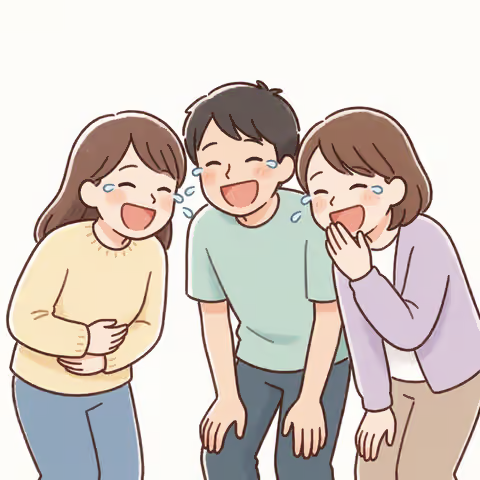
- CJK: Usually kana. Kanji 可笑しい exists; this card is hiragana. Mandarin 好笑 / 不对劲. Canto 好笑 / 古怪.
- Fun fact: Two poles: hilarious, and “that’s off.” Today is the funny story. おかしいな looking at a bill is the other pole.
- Memorize: Laughing at his story: 彼の話はおかしかった.
- Study tip: おかしい. Don’t answer 面白い unless that’s printed. Don’t answer 変 unless the card is the “odd” sense.
5. 拾う(ひろう)
pick up; find · memungut, mengambil
Example: 道で財布を拾った。 — I picked up a wallet in the street.

- CJK: 拾 = 拾 shí. Mandarin 捡. Canto 拾. Yesterday 落とす the wallet; today someone 拾う it. Reading ひろう, not 拾じゅう.
- Fun fact: 財布を拾う. Also タクシーを拾う. Not 拾い物 as a noun unless that’s the card.
- Memorize: Bend down, wallet on the pavement: 道で財布を拾った.
- Study tip: 拾う. Don’t answer 取る or 落とす.
6. 値段(ねだん)
price · harga
Example: このベルトの値段は2500円でした。 — The price of this belt was 2,500 yen.
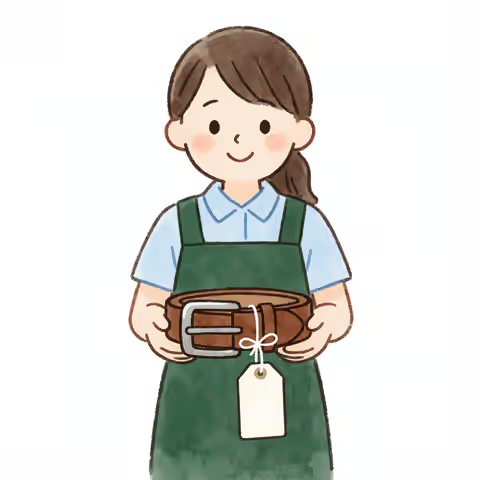
- CJK: 値 = 值 zhí. 段 = 段. Mandarin 价钱 / 价格. Canto 價錢. Everyday ねだん; 価格(かかく) is more formal/sticker.
- Fun fact: ベルトの値段. Ask お値段は? Not 段々.
- Memorize: Belt tag ¥2500: 値段は2500円でした.
- Study tip: 値段. Don’t answer 価格 or 円.
7. 用事(ようじ)
errand; business; things to do · urusan, keperluan
Example: 父は用事で出掛けています。 — My father is out running errands.
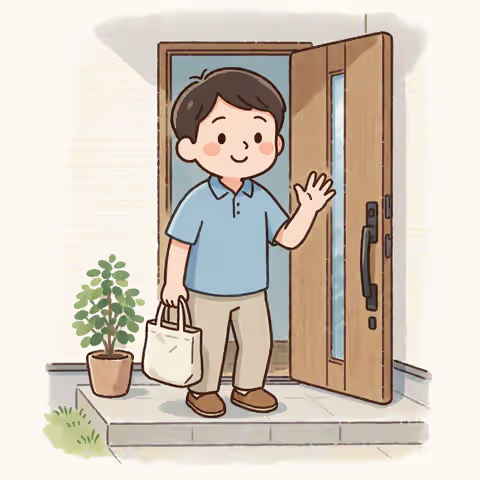
- CJK: 用 = 用. 事 = 事. Mandarin 有事 / 办事. Canto 有事. Same 事 as Canto 理由’s 事-family, but this is “an errand.”
- Fun fact: 用事で出掛ける = out because of something to do, not a hobby. 用事がある is “I’ve got something on.”
- Memorize: Dad out the door, vague: 用事で出掛けています.
- Study tip: 用事. Don’t answer 仕事 or 事.
8. 神社(じんじゃ)
Shinto shrine · kuil Shinto
Example: 京都には神社がたくさんある。 — There are many Shinto shrines in Kyoto.
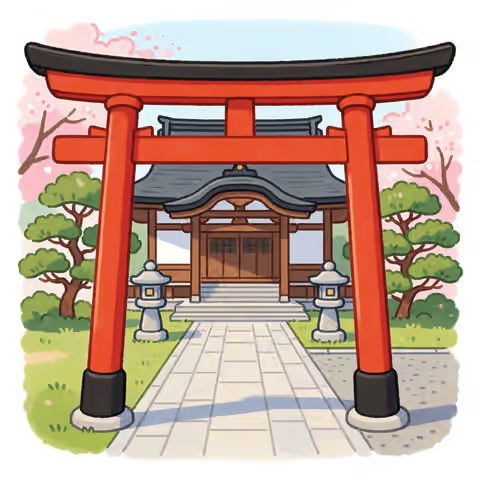
- CJK: 神 = 神. 社 = 社. Mandarin 神社. Canto 神社 san4 se5. 寺(てら) is Buddhist. Torii = 神社.
- Fun fact: 京都には神社がたくさん. 神社 vs お寺 vs 教会. Same 社 as 会社, different job.
- Memorize: Torii, Kyoto: 神社がたくさんある.
- Study tip: 神社. Don’t answer 寺 or お寺.
9. ぶつかる(ぶつかる)
hit; bump into · menabrak, membentur
Example: 車が電柱にぶつかった。 — The car crashed into the telephone pole.
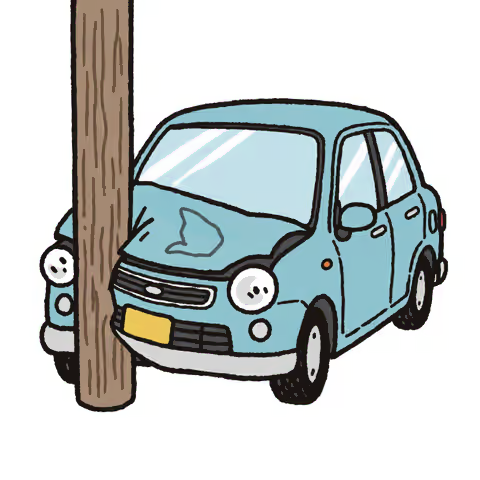
- CJK: Kana verb. Mandarin 撞. Canto 撞. Intransitive: 車が電柱に. Transitive ぶつける is you slamming it.
- Fun fact: にぶつかる the thing hit. Also 人とぶつかる on a platform. Not 当たる (be hit by / guess right).
- Memorize: Car, pole, crunch: 電柱にぶつかった.
- Study tip: ぶつかる. Don’t answer ぶつける. Particle に.
10. やはり(やはり)
as expected; still; after all · seperti yang diduga, tetap saja
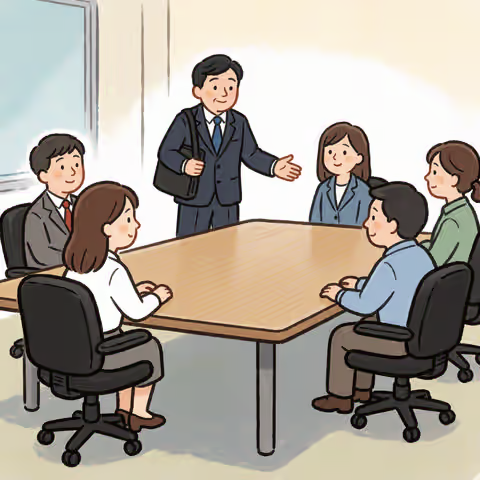
Example: 彼はやはり遅刻しました。 — He was late, as expected.
- CJK: No kanji on this card (亦 is rare). Mandarin 果然 / 还是. Canto 果然 / 都係. Spoken やっぱり.
- Fun fact: やはり遅刻 = you knew he would. HSK 实际上 today is “looks busy, actually done” — opposite surprise. やはり also “still / after all.”
- Memorize: Empty seat, “called it”: やはり遅刻しました.
- Study tip: やはり. Don’t answer やっぱり unless that’s printed. Don’t answer 実際.
11. 動物園(どうぶつえん)
zoo · kebun binatang
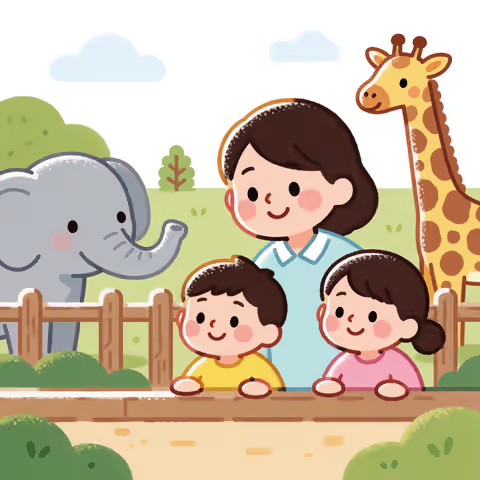
Example: 昨日子供たちと動物園に行きました。 — I went to the zoo with my kids yesterday.
- CJK: 動 = 动 dòng. 物 = 物. 園 = 园. Mandarin 动物园. Canto 動物園 dung6 mat6 jyun4. 物 = creature here, not 荷物.
- Fun fact: 子供たちと動物園. 園 as in 公園 / 幼稚園. Not 動物 alone.
- Memorize: Kids, zoo gate: 子供たちと動物園に行きました.
- Study tip: 動物園. Don’t answer 動物 or 公園.
12. 文字(もじ)
character; letter; writing · huruf, tulisan
Example: 壁に文字が書いてあった。 — There was some writing on the wall.

- CJK: 文 = 文. 字 = 字. Mandarin 文字. Canto 文字 man4 zi6. Reading もじ (not ぶんじ, which is more “script/literacy”).
- Fun fact: 壁に文字 = graffiti/writing, not 文学. Yesterday 数字; this is graphs in general.
- Memorize: Wall scribble: 壁に文字が書いてあった.
- Study tip: 文字. Reading もじ. Don’t answer 字 or 文.
13. 時代(じだい)
age; era; period · zaman, era
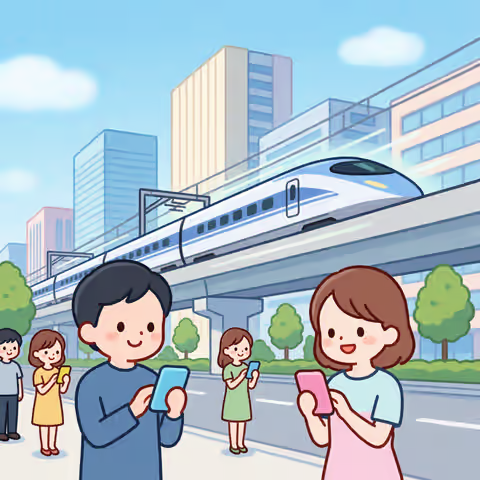
Example: 今は便利さとスピードの時代だ。 — This is the age of convenience and speed.
- CJK: 時 = 时 shí. 代 = 代. Mandarin 时代. Canto 時代 si4 doi6. Same 時 as HSK 时间表 yesterday.
- Fun fact: 便利さとスピードの時代 = the now, not 江戸時代 unless the card says so. 時代劇 is the costume drama.
- Memorize: Phone, bullet train, “this era”: 便利さとスピードの時代だ.
- Study tip: 時代. Don’t answer 時 or 代.
14. 真っ白(まっしろ)
pure-white · putih sekali
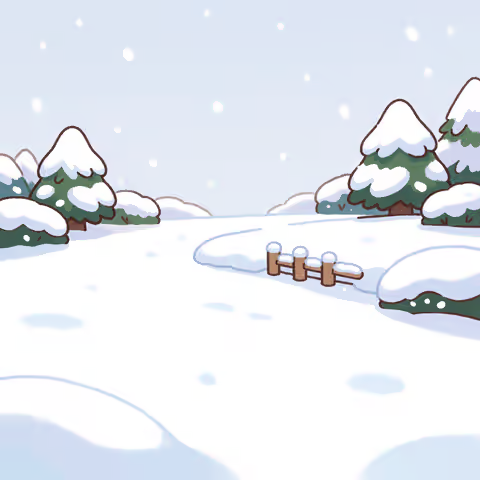
Example: 外は雪で真っ白だった。 — Everything outside was white with snow.
- CJK: 真 = 真. 白 = 白. Mandarin 雪白 / 纯白. Canto 雪白. っ is the geminate: まっしろ, not ましろ. Next-ish 赤.
- Fun fact: 雪で真っ白. 真っ〜 intensifier: 真っ赤, 真っ黒, 真っ青. Not 白い alone.
- Memorize: Window, snow world: 外は雪で真っ白だった.
- Study tip: 真っ白. Don’t answer 白い or 白.
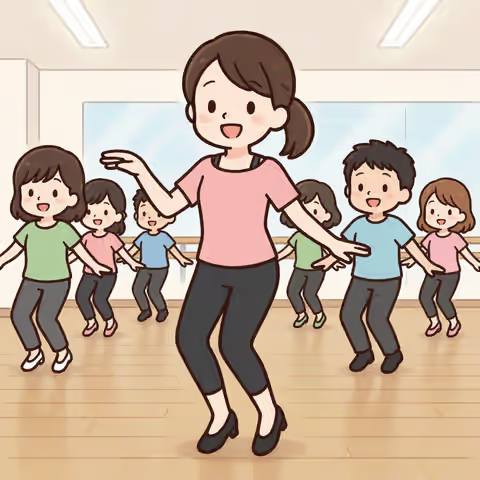
15. 基本(きほん)
basis; foundation; the basics · dasar
Example: 今、ジャズダンスの基本を習っています。 — We're learning the basics of jazz dance at the moment.
- CJK: 基 = 基. 本 = 本. Mandarin 基本. Canto 基本 gei1 bun2. Same 本 as 日本’s 本, here “root.”
- Fun fact: 基本を習う = the foundation, not 基礎’s engineering-ish cousin. Jazz dance keeps it concrete.
- Memorize: Studio, first steps: ジャズダンスの基本を習っています.
- Study tip: 基本. Don’t answer 基礎 or 本.
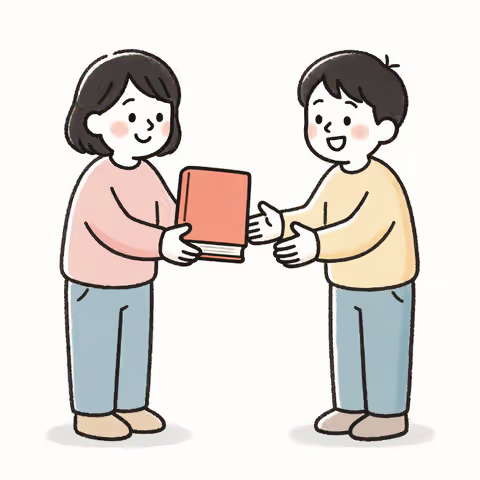
16. 貸す(かす)
lend; lease · meminjamkan
Example: 私は彼に本を貸しています。 — I'm lending him the book.
- CJK: 貸 = 贷 dài. Mandarin 借给. Canto 借畀. You 貸す; they 借りる. Particle に the person, を the thing.
- Fun fact: 本を貸す. 貸しています = currently on loan. Opposite of 借りる, which is easy to mix on the test.
- Memorize: Book leaving your hand: 彼に本を貸しています.
- Study tip: 貸す. Don’t answer 借りる. Reading かす, not たいす.
17. 大学院(だいがくいん)
graduate school · pascasarjana
Example: 彼は大学院に進みました。 — He's gone on to graduate school.

- CJK: 大 = 大. 学 = 学. 院 = 院. Mandarin 研究生院. Canto 研究院 / 研究所. HSK 研究生 today is the person; this is the place.
- Fun fact: 大学院に進む. 大学 is undergrad; 院 stacks on top. Not 大学病院 (that 院 is a hospital).
- Memorize: Campus, “grad school” arrow: 大学院に進みました.
- Study tip: 大学院. Don’t answer 大学. Don’t answer 研究生.
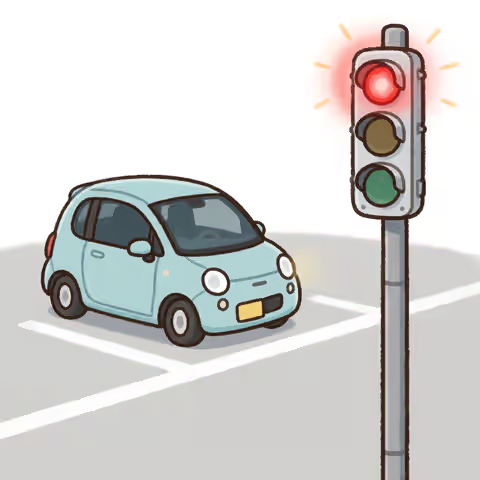
18. 赤(あか)
red; crimson · merah
Example: 信号が赤に変わりました。 — The traffic light changed to red.
- CJK: 赤 = 赤 chì. Mandarin 红 / 赤. Canto 紅 / 赤 cek3. Noun 赤; adjective 赤い. Canto 青 today is the color cousin.
- Fun fact: 信号が赤. Stop. 赤になる / 赤に変わる. 真っ赤 was the intensifier two cards up.
- Memorize: Traffic light flips red: 信号が赤に変わりました.
- Study tip: 赤. Don’t answer 赤い unless that’s the card. Don’t answer 信号.
19. 間違える(まちがえる)
mistake; mix up · keliru; salah
Example: 電話番号を間違えました。 — I called the wrong number.

- CJK: 間 = 间. 違 = 违 wéi. Mandarin 弄错. Canto 睇錯 / dial錯. Transitive: を間違える. Intransitive 間違う / 間違い.
- Fun fact: 番号を間違える you did it. 間違った番号 is the result. Not 違う “is different.”
- Memorize: Phone, grimace, wrong digits: 電話番号を間違えました.
- Study tip: 間違える. Don’t answer 間違う or 違う.
20. 涙(なみだ)
tear · air mata
Example: 彼女の目から涙がこぼれた。 — Tears rolled down from her eyes.

- CJK: 涙 = 泪 lèi. Mandarin 眼泪. Canto 眼淚 / 眼湿湿. JP simplified 涙 vs 泪. Canto 眼 is on today’s Canto sheet.
- Fun fact: 涙がこぼれる the set verb. 涙を流す is more “shed.” Not 泣く the whole cry.
- Memorize: Tears spilling: 目から涙がこぼれた.
- Study tip: 涙. Reading なみだ. Don’t answer 泣く.