Anki session
HSK 4
汉语
- New
- 20
- Learn
- 0
- Review
- 143
Session: 20 new remaining of the 20/day cap · 0 learning waiting · 143 reviews due.
Click HSK::Level 4, not the parent HSK. No learning queue, so new cards mix into the 143 reviews.
Session plan
- Nothing in learning. When a new one pops, match it to the number below.
- Sense traps (dictionary first, today’s sentence second): 道 is 一道题, not a road; 表 is the electricity meter, not 手表; 零钱 is mum’s pocket money; 讨厌 is an annoying sound, not “I hate you.”
- Connector pile: 因此 late after overtime, 也许 umbrella, 实际上 already finished.
- Travel/body of the day: 大巴, 度假, 售票员, 夜 at a friend’s, 加快 or you’ll be late, 取消 the match, 公里.
- School/work: 研究生 in Beijing (pairs with Japanese 大学院 today), 广播 the news, 责任, 缺点, 产生 problems, 正常.
1. 正常(zhèngcháng)
regular; normal; ordinary · normal; biasa
Example: 他今天看起来不太正常,可能是生病了。 — He doesn't look quite normal today; he might be sick.

- CJK: 正 = 正. 常 = 常. JP 正常(せいじょう). Canto 正常 zing3 soeng4. Same 正 as 正确; 常 as 常常. Not 平时.
- Fun fact: 不太正常 here is “off, maybe ill,” not “abnormal psychology.” 正常 vs 平常 (ordinary/usual). 不正常 can sound clinical; 不太正常 is softer.
- Memorize: Friend pale at breakfast: 看起来不太正常,可能是生病了.
- Study tip: 正常. Don’t answer 平常 or 普通.
2. 因此(yīncǐ)
thus; consequently; as a result · karena itu
Example: 他昨天加班到很晚,因此今天迟到了。 — He worked overtime until late last night, so he was late today.

- CJK: 因 = 因. 此 = 此. JP したがって / そのため. Canto 因此 jan1 ci2. Written 因此; spoken often 所以. Same 因 as 因为, but no 为.
- Fun fact: 加班到很晚,因此迟到. Cause → result in one breath. 因为…所以… is the full pair; 因此 is the short “hence.”
- Memorize: Clock 2am, then late stamp: 加班到很晚,因此今天迟到了.
- Study tip: 因此. Don’t answer 所以 unless that’s printed. Don’t answer 因为.
3. 研究生(yánjiūshēng)
graduate student; postgraduate student · mahasiswa S2
Example: 我哥哥明年要去北京当研究生。 — My older brother is going to Beijing next year to be a graduate student.

- CJK: 研 = 研. 究 = 究. 生 = 生. JP 大学院生(だいがくいんせい). Canto 研究生 jin4 gau3 saang1. Same 生 as 学生. Japanese 大学院 is on today’s JP sheet — the school, not the person.
- Fun fact: 当研究生 = be a master’s/PhD student. 研究 is the verb “research”; 研究生 is the person. Not 大学生.
- Memorize: Brother, Beijing campus badge: 去北京当研究生.
- Study tip: 研究生. Don’t answer 学生 or 研究.
4. 也许(yěxǔ)
perhaps; maybe · mungkin
Example: 也许明天会下雨,你还是带把伞吧。 — It might rain tomorrow, so you'd better take an umbrella.

- CJK: 也 = 也. 许 = 許. JP かもしれない. Canto 也許 je5 heoi2. Traditional 也許. Softer than 可能.
- Fun fact: 也许…还是带把伞. Hedge + advice. 可能是生病了 (card 1) is “might be”; 也许会下雨 is weather-maybe. 或者 is “or.”
- Memorize: Sky grey, umbrella in hand: 也许明天会下雨.
- Study tip: 也许. Don’t answer 可能 or 或者.
5. 广播(guǎngbō)
broadcast; to broadcast · siaran; menyiarkan
Example: 电视正在广播新闻。 — The TV is broadcasting the news.

- CJK: 广 = 廣. 播 = 播. JP 放送(ほうそう). Canto 廣播 gwong2 bo3. Traditional 廣播. Same 广 as 广场; 播 as scatter.
- Fun fact: 电视正在广播新闻. Radio 广播 is the old default; here the TV is the speaker. 播 as in 播放.
- Memorize: TV news desk, “on air”: 正在广播新闻.
- Study tip: 广播. Don’t answer 电视 or 新闻.
6. 讨厌(tǎoyàn)
to dislike; annoying; disagreeable · benci; menyebalkan
Example: 这种声音真讨厌,我听不下去了。 — This sound is so annoying I can't listen anymore.

- CJK: 讨 = 討. 厌 = 厭. JP 嫌い / うるさい. Canto 討厭 tou2 jim3. Traditional 討厭. Pairs with Canto 唔鍾意 today (don’t like), but this card is “irritating.”
- Fun fact: Today is noise, not 我讨厌他. 讨厌 can be a person or a sound. 听不下去了 = can’t stand another second.
- Memorize: Hands over ears, drill next door: 这种声音真讨厌.
- Study tip: 讨厌. Don’t answer 不喜欢. Canto sheet’s 唔鍾意 is a different verb.
7. 大巴(dàbā)
coach; large bus · bus besar
Example: 我们坐大巴去。 — We’re going by coach.
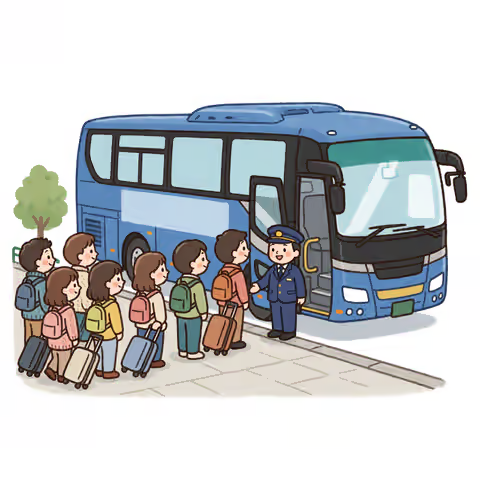
- CJK: 大 = 大. 巴 = 巴 from 巴士. JP バス. Canto 大巴 daai6 baa1. Spoken 巴士 / 大巴, not 公共汽车 on this card.
- Fun fact: 坐大巴去 = coach/long bus, not a city 公交车. 巴 is phonetic from bus.
- Memorize: Long coach at the curb: 我们坐大巴去.
- Study tip: 大巴. Don’t answer 公共汽车 or 出租车.
8. 夜(yè)
night · malam
Example: 我在朋友家住了一夜,第二天早上才走。 — I stayed one night at my friend's place and only left the next morning.

- CJK: 夜 = 夜. JP 夜(よる / よ). Canto 夜 je6. Classifier 一 here: 住了一夜. 晚上 is “evening”; 夜 is the overnight.
- Fun fact: 住了一夜 = one night’s stay. Not 黑夜 poetry. 夜班 / 夜 is work-night in other cards.
- Memorize: Spare futon, leave at breakfast: 住了一夜,第二天早上才走.
- Study tip: 夜. Don’t answer 晚上 or 黑.
9. 实际上(shíjìshàng)
in fact; in reality; as a matter of fact · sebenarnya
Example: 他看起来很忙,实际上已经做完了。 — He looks busy, but in fact he's already finished.

- CJK: 实 = 實. 际 = 際. 上 = 上. JP 実際(じっさい)は. Canto 實際上 sat6 zai3 soeng6. Traditional 實際上. Same 实 as yesterday Canto 事實.
- Fun fact: 看起来…实际上… is the contrast frame. Japanese やはり today is “as expected”; this is “looks X, actually Y.”
- Memorize: Fake-busy at the desk, inbox empty: 看起来很忙,实际上已经做完了.
- Study tip: 实际上. Don’t answer 其实 unless that’s the card. Don’t answer 真的.
10. 道(dào)
classifier (questions, dishes…); road; the Way · soal (classifier); jalan
Example: 请再做一道题。 — Please do one more question.

- CJK: 道 = 道. JP 道(どう / みち). Canto 道 dou6. Same character as 知道’s 道. Dictionary is a novel; today is the classifier.
- Fun fact: 一道题, 一道菜, 一道门. Not 一条路 on this card. If you answer 路, you missed it.
- Memorize: Worksheet, “one more question”: 再做一道题.
- Study tip: 道. Don’t answer 路 or 题 alone.
11. 零钱(língqián)
small change; pocket money · uang receh; uang saku
Example: 妈妈每个月都会给我一些零钱。 — Mom gives me some pocket money every month.

- CJK: 零 = 零. 钱 = 錢. JP 小銭 / お小遣い. Canto 零錢 ling4 cin4. Traditional 零錢. 零 = leftover bits.
- Fun fact: Dictionary “coins as change.” Today is 零用钱: monthly pocket money from 妈妈. Not 找钱 at the cashier.
- Memorize: Mum, monthly cash in an envelope: 每个月都会给我一些零钱.
- Study tip: 零钱. Don’t answer 钱 or 找钱.
12. 加快(jiākuài)
to speed up; to accelerate · mempercepat
Example: 请你加快速度,我们要迟到了。 — Please speed up; we're going to be late.

- CJK: 加 = 加. 快 = 快. JP 速くする. Canto 加快 gaa1 faai3. Same 加 as 加班 in 因此; 快 as 快.
- Fun fact: 加快速度 is the set frame. 快一点 is spoken; 加快 is “step on it.” Pairs with 因此…迟到 on this sheet.
- Memorize: Walking faster, clock: 加快速度,我们要迟到了.
- Study tip: 加快. Don’t answer 快 or 加速 unless that’s printed.
13. 度假(dùjià)
to go on holiday; to spend one’s vacation · berlibur
Example: 我们去海边度假。 — We're going to the seaside on vacation.

- CJK: 度 = 度. 假 = 假. JP 休暇を過ごす. Canto 度假 dou6 gaa3. Same 假 as 放假. 度 = pass (time).
- Fun fact: 去海边度假, not 放假 at home. 度假 is the trip; 假期 is the time off. 假 here is jià, not 假的 jiǎ.
- Memorize: Beach bag, sea: 去海边度假.
- Study tip: 度假. Don’t answer 放假 or 旅行. Reading dùjià.
14. 售票员(shòupiàoyuán)
ticket seller · petugas tiket
Example: 我问售票员还有没有明天上午的票。 — I asked the ticket seller whether there were still tickets for tomorrow morning.

- CJK: 售 = 售. 票 = 票. 员 = 員. JP 切符売り. Canto 售票員 sau6 piu3 jyun4. Traditional 售票員. Same 员 as JP 店員 yesterday.
- Fun fact: Person at the window. 售票处 is the booth. 还有没有…的票 is the question you ask them.
- Memorize: Window, “明天上午的票?”: 问售票员还有没有…
- Study tip: 售票员. Don’t answer 票 or 卖.
15. 表(biǎo)
meter; gauge; (also) watch; form; table · meteran; jam; tabel
Example: 墙上那个表是看家里用电多少的。 — That meter on the wall shows how much electricity we use at home.
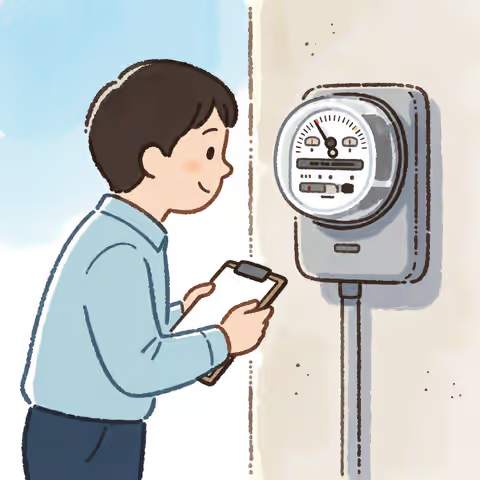
- CJK: 表 = 表. JP メーター / 表(ひょう). Canto 錶 / 表 biu2. Watch is often 手表 / 錶; today is the utility meter.
- Fun fact: Yesterday 时间表 was a timetable. Today’s 表 is 电表 on the wall. Don’t flash a wristwatch.
- Memorize: Wall meter, spinning dial: 墙上那个表是看用电多少的.
- Study tip: 表. Don’t answer 手表 or 时间表.
16. 责任(zérèn)
responsibility; duty; liability · tanggung jawab
Example: 保护环境是我们每个人的责任。 — Protecting the environment is every one of our responsibilities.

- CJK: 责 = 責. 任 = 任. JP 責任(せきにん). Canto 責任 zaak3 jam6. Traditional 責任. Same 任 as 任务.
- Fun fact: 每个人的责任 = civic duty here, not a legal 责任书. 负责 is the verb; 责任 is the noun. Yesterday 负责人.
- Memorize: Recycling, “everyone”: 保护环境是我们每个人的责任.
- Study tip: 责任. Don’t answer 负责 or 任务.
17. 缺点(quēdiǎn)
shortcoming; weak point; disadvantage · kekurangan
Example: 每个人都有自己的缺点,这很正常。 — Everyone has their own shortcomings; that's perfectly normal.

- CJK: 缺 = 缺. 点 = 點. JP 欠点(けってん). Canto 缺點 kyut3 dim2. Traditional 缺點. Same 点 as 点儿. Pairs with 正常 on this sheet.
- Fun fact: 有自己的缺点,这很正常. Kind, not a roast. 优点 is the opposite. 缺 = lack.
- Memorize: Shrug, “everybody”: 都有自己的缺点,这很正常.
- Study tip: 缺点. Don’t answer 坏 or 问题. Don’t answer 优点.
18. 公里(gōnglǐ)
kilometer · kilometer
Example: 学校离这儿三公里。 — The school is three kilometers from here.

- CJK: 公 = 公. 里 = 里. JP キロメートル. Canto 公里 gung1 lei5. 里 alone is the old Chinese mile; 公里 is km.
- Fun fact: 离这儿三公里. 米 is metre; 公里 is ×1000. 公 as in 公斤 / 公尺.
- Memorize: School three km down the road: 离这儿三公里.
- Study tip: 公里. Don’t answer 里 or 米.
19. 取消(qǔxiāo)
to cancel; to call off · membatalkan
Example: 因为下雨,学校取消了今天下午的比赛。 — Because of the rain, the school called off this afternoon's game.
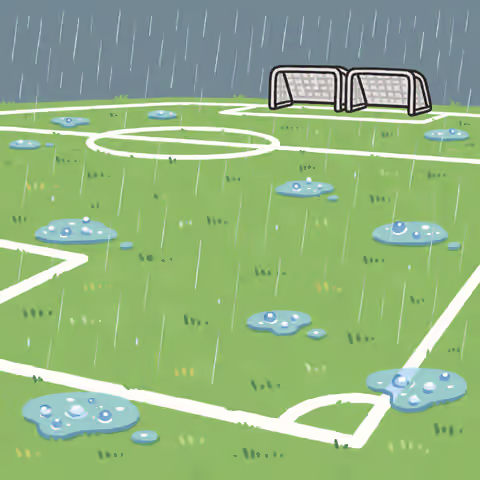
- CJK: 取 = 取. 消 = 消. JP 取り消す / 中止する. Canto 取消 ceoi2 siu1. 取 = take; 消 = erase.
- Fun fact: 取消了比赛, not 关了. 取消会议 / 取消订单. 因为下雨 is the reason — same rain energy as 也许’s umbrella.
- Memorize: Rain, empty pitch, X on the poster: 学校取消了今天下午的比赛.
- Study tip: 取消. Don’t answer 关 or 没有.
20. 产生(chǎnshēng)
to produce; to give rise to; to come about · menimbulkan; menghasilkan
Example: 这样会产生问题。 — This will cause problems.
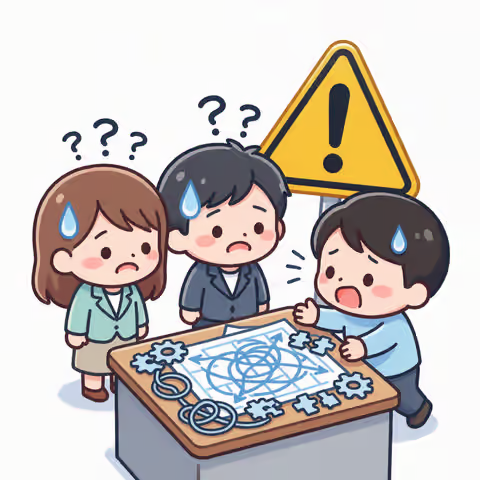
- CJK: 产 = 產. 生 = 生. JP 生じる / 生み出す. Canto 產生 caan2 saang1. Traditional 產生. Same 生 as 研究生, different job.
- Fun fact: 会产生问题 = give rise to, not factory 生产. 生产 is manufacture; 产生 is “this leads to.”
- Memorize: Bad plan, warning sign: 这样会产生问题.
- Study tip: 产生. Don’t answer 生产 or 问题.