Anki session
Cantonese 2
廣東話
- New
- 20
- Learn
- 0
- Review
- 91
Session: 20 new remaining of the 20/day cap · 0 learning waiting · 91 reviews due.
Click Cantonese::Level2, not Level1. Level1 is review-only now. Learning is empty today: new cards mix into the 91 reviews.
This is a third sheet for today (HSK is 2026-09-17.md, Japanese is 2026-09-17-japanese-level2.md).
Session plan
- No learning queue. The 91 reviews are yesterday’s and older Level2 cards.
- Sense traps: 上嚟 in 講起上嚟 is “once you start talking,” not climb the stairs; 並 is 並不係 “it isn’t that…,” not “and”; 臉 is 劈頭蓋臉 river-water, not a selfie; 刀 is the fruit knife.
- Become/effort cluster: 成為 a doctor, 變得 cold, 努力, 能力, 反應 to the proposal.
- Move/place: 搬 not to Australia, 英國, 內 the inner room.
- Particles/feel: 吖嘛 just learn it, 哼 hum a song (not a scoff), man the guy in the black jacket, 唔鍾意 trains (pairs with HSK 讨厌).
- Body/color: 青 the old grass (ceng1), 眼 in a blink, 臉.
1. 理由(lei5 jau4)
reason; grounds; justification · alasan; dasar; pembenaran
Example: 你有冇理由解釋下件事? — Do you have any reason to explain this matter?

- CJK: 理 = 理. 由 = 由. Mandarin 理由. JP 理由(りゆう). Same 理 as 道理.
- Fun fact: 有冇理由 = “got a reason or not.” 解釋下件事 is the ask. Not 原因 (the cause in nature); 理由 is the justification you owe.
- Memorize: Pointing, “explain”: 你有冇理由解釋下件事?
- Study tip: 理由. Don’t answer 原因 or 事.
2. 刀(dou1)
knife; sword · pisau; pedang
Example: 切水果記得用啱啱把刀。 — Remember to use the right knife to cut fruit.
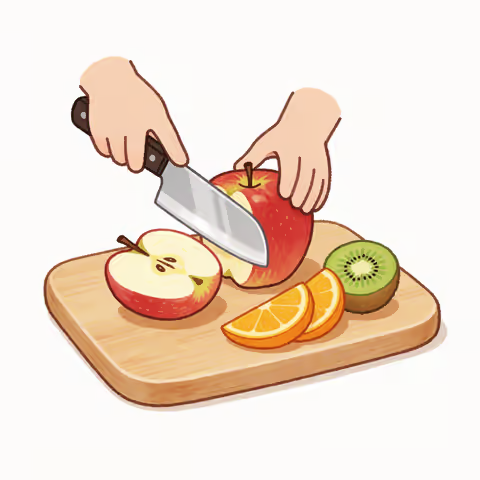
- CJK: 刀 = 刀 dāo. Mandarin 刀. JP 刀(かたな / ほうちょう). Classifier 把.
- Fun fact: Today is the fruit knife, 用啱把刀, not a 武俠 blade. 啱把刀 = the right one for the job.
- Memorize: Fruit, correct knife in hand: 切水果記得用啱把刀.
- Study tip: 刀. Don’t answer 劍. Classifier 把.
3. 能力(nang4 lik6)
ability · kemampuan
Example: 每個人喺自己能力範圍之內做好本份。 — Everyone should do their duty within their ability.

- CJK: 能 = 能. 力 = 力. Mandarin 能力. JP 能力(のうりょく). Next-ish 努力; don’t swap them.
- Fun fact: 能力範圍之內 = within one’s capacity. 本份 is the duty. Not 力量 (physical force).
- Memorize: Each person, their lane: 喺自己能力範圍之內做好本份.
- Study tip: 能力. Don’t answer 努力 or 力.
4. 講話(gong2 waa6)
to speak; to talk · berbicara; ngomong
Example: 佢講話好大聲,成屋都聽到。 — He speaks so loudly, the whole house can hear.
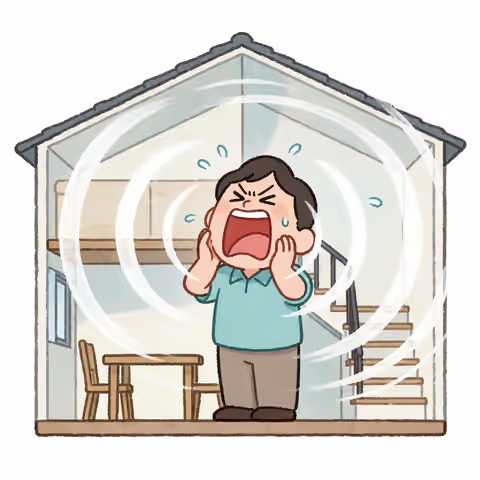
- CJK: 講 = 讲 jiǎng. 話 = 话. Mandarin 说话. JP 話す. Same 講 as yesterday 再講.
- Fun fact: 講話好大聲. HK default “talk.” Mandarin 讲话 can be a speech; here it’s volume at home.
- Memorize: Loud in the next room, whole house: 講話好大聲,成屋都聽到.
- Study tip: 講話. Don’t answer 說話 or 講 alone.
5. 搬(bun1)
to move; to shift · pindah; memindahkan
Example: 我哋決定咗唔搬去澳洲喇。 — We've decided not to move to Australia.

- CJK: 搬 = 搬 bān. Mandarin 搬. JP 引っ越す / 運ぶ. Two pictures: 搬屋, and 搬張椅. Today is migrate.
- Fun fact: 唔搬去澳洲. Pairs with 英國 two cards later (someone did move). 搬 vs 移動.
- Memorize: Boxes, Australia crossed out: 決定咗唔搬去澳洲喇.
- Study tip: 搬. Don’t answer 去 or 移.
6. 努力(nou5 lik6)
effort; to try hard · usaha; berusaha keras
Example: 只要努力,一定會有收穫。 — As long as you work hard, you will reap rewards.

- CJK: 努 = 努. 力 = 力. Mandarin 努力. JP 努力(どりょく). Same 力 as 能力; this is the grind, not the talent.
- Fun fact: 只要努力…有收穫. Pep-talk card. 能力 is “can”; 努力 is “try.”
- Memorize: Sweat, harvest: 只要努力,一定會有收穫.
- Study tip: 努力. Don’t answer 能力. Reading nou5, not Mandarin nǔ.
7. 英國(jing1 gwok3)
England; the UK · Inggris; Britania Raya
Example: 佢哋搬咗去英國住。 — They moved to the UK to live.

- CJK: 英 = 英. 國 = 国. Mandarin 英国. JP 英国(イギリス). Traditional 英國. Pairs with 搬.
- Fun fact: 搬咗去英國住. Country name, not 英 as “hero.” 英國 vs 英格蘭 (England the nation).
- Memorize: Suitcases, Union Jack: 搬咗去英國住.
- Study tip: 英國. Don’t answer 英國人 or 搬.
8. 吖嘛(aa1 maa3)
particle of persuasion / mild insistence · partikel bujukan atau desakan halus
Example: 唔識呀!可以學吖嘛! — You don’t know? Well, you can learn!
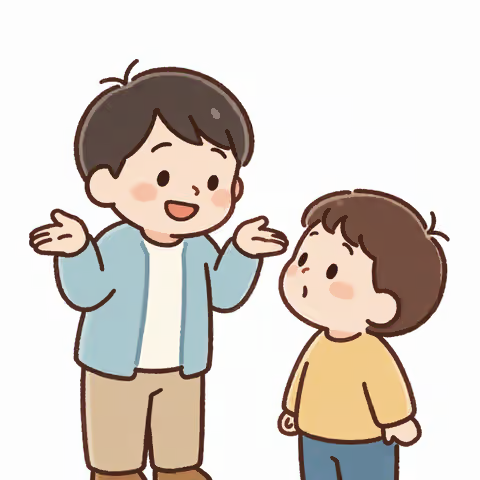
- CJK: Sentence particles, not content hanzi. Mandarin 嘛 / 啊. JP 〜すればいいじゃん. 吖 + 嘛 stacked.
- Fun fact: 可以學吖嘛 = “so just learn it then.” Soft push, a bit eye-rolly. Not 之嘛 (yesterday: “that’s all”).
- Memorize: Shrug, “then learn”: 可以學吖嘛!
- Study tip: 吖嘛. Don’t answer 嘛 or 之嘛.
9. 成為(sing4 wai4)
to become · menjadi
Example: 佢夢想成為一名醫生。 — His dream is to become a doctor.

- CJK: 成 = 成. 為 = 为. Mandarin 成为. JP になる. Traditional 成為. Identity change. 變得 later is quality change (cold).
- Fun fact: 成為一名醫生. Formal “become [a role].” 做醫生 is more spoken.
- Memorize: Kid, doctor coat daydream: 夢想成為一名醫生.
- Study tip: 成為. Don’t answer 變得 or 做.
10. 臉(lim5)
face; countenance · wajah; muka
Example: 好似大海中風浪行舟,一時躍在浪尖,一時插入水中,清涼的河水劈頭蓋臉而來。 — Like a boat sailing on stormy seas, sometimes leaping on wave crests, sometimes plunging into water, cool river water splashing down on the head and face.

- CJK: 臉 = 脸 liǎn. Mandarin 脸. JP 顔. Reading lim5, not Mandarin liǎn.
- Fun fact: Dictionary “face.” Today is literary 劈頭蓋臉: water slamming head-and-face. Don’t study a passport photo. 面 is more “surface/side.”
- Memorize: Wave over the bow, water in the face: 河水劈頭蓋臉而來.
- Study tip: 臉. Don’t answer 面 or 頭. Reading lim5.
11. 反應(faan2 jing3)
reaction; to react · reaksi; bereaksi
Example: 我冇諗到佢對我簡單嘅提議會有噉樣嘅反應。 — I didn’t expect such a reaction to my simple proposal.

- CJK: 反 = 反. 應 = 应. Mandarin 反应. JP 反応(はんのう). Traditional 反應.
- Fun fact: 噉樣嘅反應 = that kind of response (too much). Chemistry 反應 exists; today is interpersonal.
- Memorize: Small suggestion, huge face: 冇諗到…噉樣嘅反應.
- Study tip: 反應. Don’t answer 答 or 應.
12. man(man)
man; guy · pria; cowok
Example: 呢個man成日着黑色風褸。 — This guy always wears a black jacket.

- CJK: English loan in HK speech. Mandarin 男的 / 家伙. JP 男. Not a hanzi card.
- Fun fact: 呢個man = that guy. Street English inside a Canto sentence. 風褸 = windbreaker/jacket. Not 男人 on this card.
- Memorize: Guy, always black jacket: 呢個man成日着黑色風褸.
- Study tip: man. Don’t answer 男人 or 男仔 (yesterday).
13. 變得(bin3 dak1)
become; turn into (a quality) · menjadi
Example: 天氣突然變得好冷。 — The weather suddenly became very cold.
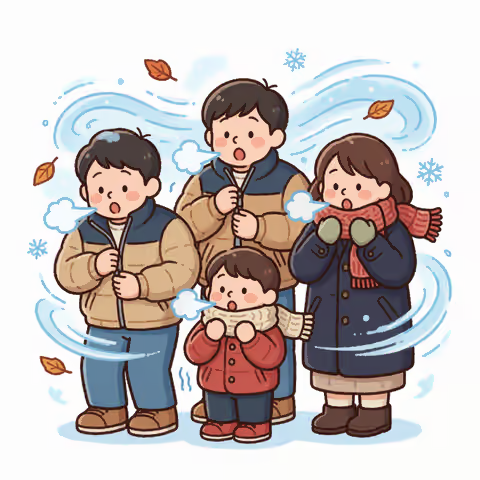
- CJK: 變 = 变. 得 = 得. Mandarin 变得. JP 〜くなる. Traditional 變得. 成為 = become a doctor; 變得 + adjective.
- Fun fact: 變得好冷. Degree/state. 變咗商場 on the 青 card is “turned into a mall” without 得.
- Memorize: Sudden shiver, coats: 天氣突然變得好冷.
- Study tip: 變得. Don’t answer 成為. Frame is 變得 + adj.
14. 哼(hng1)
to hum; (also) disdain interjection · bersenandung; ungkapan meremehkan
Example: 我哼首歌畀你聽。 — I'll hum a song for you.

- CJK: 哼 = 哼 hēng. Mandarin 哼. JP 鼻歌. Reading hng1 (syllabic ng), not hang1.
- Fun fact: Dictionary lists a scoff 哼! Today is humming a tune. 畀你聽 = for you to hear.
- Memorize: Closed-mouth melody: 哼首歌畀你聽.
- Study tip: 哼. Don’t answer 唱. Don’t answer the scoff unless that’s the audio.
15. 並(bing6)
and; furthermore; (not) at all · dan; bahkan; sama sekali (tidak)
Example: 我哋唔驚,並不係因為唔知危險,而係因為知而無懼。 — We are not afraid, not because we don't know the danger, but because we know and yet are fearless.

- CJK: 並 = 并 bìng. Mandarin 并 / 并不是. JP かつ / 決して〜ない. Traditional 並.
- Fun fact: Today is 並不係 = “it is not that…” written contrast, not “and also.” 而係 because-actually.
- Memorize: Two clauses, “not because… but because”: 並不係因為唔知…
- Study tip: 並. Don’t answer 同 or 和. Frame 並不係.
16. 青(ceng1)
green · hijau
Example: 呢度以前係一片青草地,而家變咗商場。 — This place used to be a green grassy field, now it's become a shopping mall.
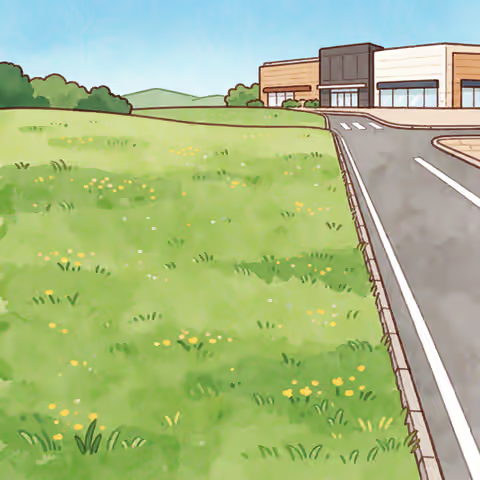
- CJK: 青 = 青 qīng. Mandarin 青 / 绿. JP 青(あお) (often blue-green). Colloquial color ceng1; literary cing1 (青年). This card is ceng1.
- Fun fact: 青草地 then 商場. JP 赤 today is the traffic-light cousin. 青 can be blue in JP; here it’s grass green.
- Memorize: Field → mall: 以前係一片青草地.
- Study tip: 青. Reading ceng1. Don’t answer 綠 unless that’s printed.
17. 內(noi6)
inside; inner; internal · dalam; bagian dalam
Example: 入面內房有隻貓。 — There's a cat in the inner room.

- CJK: 內 = 内 nèi. Mandarin 内. JP 内(うち / ない). Traditional 內. Same 內 as 能力範圍之內.
- Fun fact: 內房 = inner room. 入面 already says “inside”; 內 marks the inner chamber. Not 入來.
- Memorize: Inner doorway, cat: 入面內房有隻貓.
- Study tip: 內. Don’t answer 入 or 裡.
18. 眼(ngaan5)
eye · mata
Example: 眨下眼又幾年。 — It's been several years in the blink of an eye.

- CJK: 眼 = 眼 yǎn. Mandarin 眼睛. JP 目. Canto often 眼 without 睛. Pairs with JP 涙.
- Fun fact: 眨下眼 = one blink, years gone. Not an anatomy card. 眼濕濕 is teary.
- Memorize: Blink, calendar jumps: 眨下眼又幾年.
- Study tip: 眼. Don’t answer 目 or 眼睛 unless that’s printed.
19. 上嚟(soeng5 lai4)
to come up; (in 講起上嚟) once you get going · naik ke sini; (mulai bicara)
Example: 有時廣東話講起上嚟都幾繑口。 — Sometimes speaking Cantonese can be quite tongue-twisting.

- CJK: 上 = 上. 嚟 = 来. Mandarin 上来. JP 上がって来る. Physical “come up” exists. Today is 講起上嚟 = when you start talking.
- Fun fact: 繑口 = tongue-twister / hard to wrap the mouth around. Don’t picture stairs.
- Memorize: Mouth tangled in Canto: 講起上嚟都幾繑口.
- Study tip: 上嚟. Don’t answer 上來 Mandarin-style as the whole gloss. Don’t answer 嚟 alone.
20. 唔鍾意(m4 zung1 ji3)
dislike; don't like · tidak suka
Example: 我從來都唔鍾意坐火車。 — I've never liked taking the train.
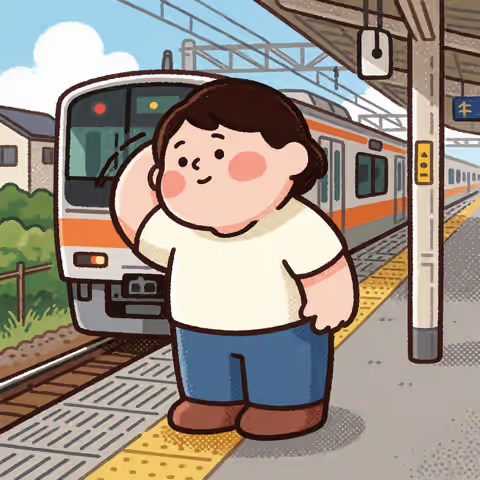
- CJK: 唔 = 不. 鍾 = 钟 / 衷. 意 = 意. Mandarin 不喜欢. JP 好きじゃない. Positive is 鍾意. HSK 讨厌 today is “annoying”; this is “never liked.”
- Fun fact: 從來都唔鍾意坐火車. Lifelong dislike. 唔鍾意 vs 討厭 (irritation).
- Memorize: Train, head-shake since forever: 從來都唔鍾意坐火車.
- Study tip: 唔鍾意. Don’t answer 討厭 or 鍾意.