Anki session
Japanese 2
日本語
- New
- 20
- Learn
- 0
- Review
- 60
Session: 20 new remaining of the 20/day cap · 0 learning waiting · 60 reviews due.
Click Japanese::Level2, not Level1. Level1 is review-only now. Yesterday’s new cards are in the 60 reviews; today’s twenty still mix in.
This is a second sheet for today (HSK is 2026-09-16.md). Do not mix the decks in one Anki session.
Session plan
- Sixty reviews already — clear those as they come, then the new pile.
- Pair: 通る the road every day vs 通り the lively street. Transitive trap: 落とす the wallet (not 落ちる).
- Body/room: 柔らかい futon, 姿勢 bad, 静か vacation, まま light still on.
- People/out: 店員 kind, 申し込む the seminar, 選挙 he’ll run, こちら reception.
- Loan/food: ワイン, パン, レコード (vinyl, not a sports record), 曲 you love.
- Paper/work: 数字 hate them, 設計 brother’s ship, 練習 violin, 当然 she’s angry, 手帳.
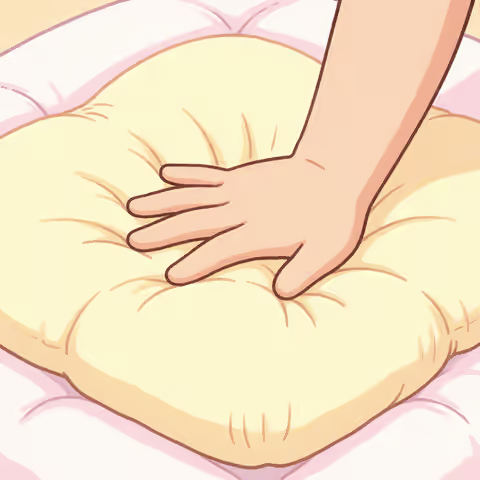
1. 柔らかい(やわらかい)
soft · lembut, lunak
Example: 布団がとても柔らかい。 — The futon is very soft.
- CJK: 柔 = 柔 róu. Mandarin 柔软. Canto 柔軟 jau4 jyun5. 軟らかい is the same word with 軟; this card is 柔.
- Fun fact: 布団が柔らかい = squishy-good. 柔らかいパン, 柔らかい物言い (a soft way of speaking). Not 優しい (kind).
- Memorize: Hand pressing a thick futon: 布団がとても柔らかい.
- Study tip: 柔らかい. Don’t answer 柔らかい人 as 優しい.
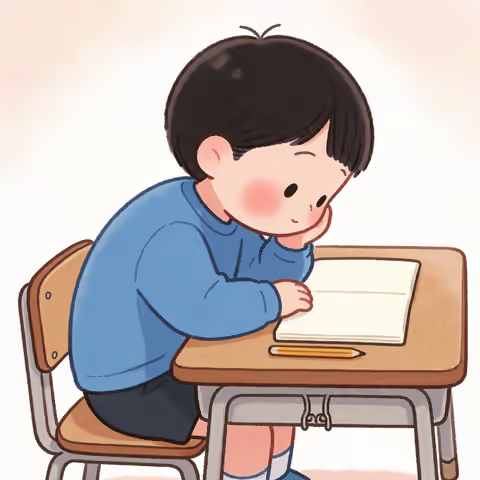
2. 姿勢(しせい)
posture; attitude · postur; sikap
Example: あの子はいつも姿勢が悪い。 — That kid always has bad posture.
- CJK: 姿 = 姿. 勢 = 势 shì. Mandarin 姿势. Canto 姿勢 zi1 sai3. Same 姿 as 姿; 勢 is force/hold.
- Fun fact: 姿勢が悪い is slouch, not 態度. 姿勢を正す = sit up. Abstract “stance” exists; today is the spine.
- Memorize: Kid banana-backed at a desk: 姿勢が悪い.
- Study tip: 姿勢. Don’t answer 態度 or 格好.
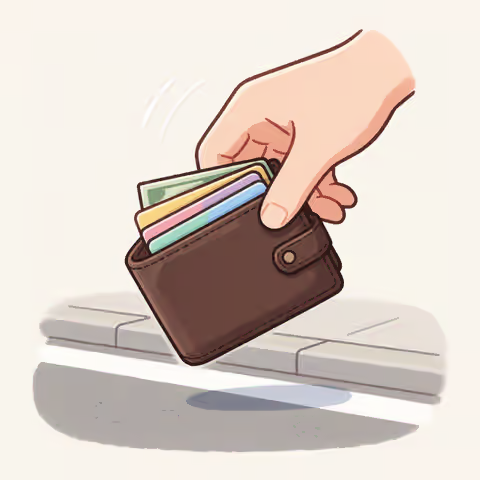
3. 落とす(おとす)
drop; lose; omit · menjatuhkan, menghilangkan
Example: 途中で財布を落としました。 — I lost my purse on the way.
- CJK: 落 = 落 luò. Mandarin 弄掉 / 丢. Canto 跌咗 / 唔見咗. Transitive. Intransitive is 落ちる.
- Fun fact: 財布を落とす = drop/lose it. You did it. 財布が落ちた is the wallet falling by itself. Yesterday 倒れる was the tree; this is you dropping the wallet.
- Memorize: Wallet slipping from a hand on the street: 途中で財布を落としました.
- Study tip: 落とす. Don’t answer 落ちる or なくす unless that’s the card.
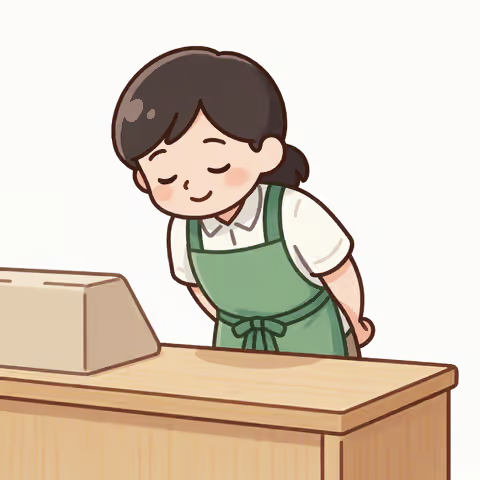
4. 店員(てんいん)
shop clerk; salesperson · pramuniaga; pegawai toko
Example: あの店員はとても親切です。 — That shop clerk is very kind.
- CJK: 店 = 店. 員 = 员 yuán. Mandarin 店员. Canto 店員 dim3 jyun4. Same 員 as 会社員.
- Fun fact: 店員 is floor staff. 店員さん when you call them. Not 店員の人 doubled. 販売員 is more “sales.”
- Memorize: Uniform, bow, kind: あの店員はとても親切です.
- Study tip: 店員. Don’t answer 店 or 人.
5. 曲(きょく)
song; melody; tune · lagu
Example: 私はこの曲が大好きです。 — I love this song.

- CJK: 曲 = 曲 qǔ. Mandarin 曲子 / 歌曲. Canto 曲 kuk1. Also “bend” as a verb with another reading; this noun is きょく.
- Fun fact: この曲が大好き. One track. 歌 is the singing/song-as-words; 曲 is the piece. 一曲.
- Memorize: Headphones, favorite track: この曲が大好きです.
- Study tip: 曲. Don’t answer 歌 or 音楽.
6. まま(まま)
as is; still (in the current state) · tetap seperti itu
Example: 電気がついたままですよ。 — The light is still on.

- CJK: No kanji on this card. Mandarin 还开着. Canto 开住. Grammar: Vた + まま = left that way.
- Fun fact: ついたまま = on-and-forgotten. 靴をはいたまま is “still wearing shoes.” Not ママ (mum).
- Memorize: Empty room, light blazing: 電気がついたままですよ.
- Study tip: まま. Don’t answer まだ alone; the frame is Vたまま.
7. ワイン(ワイン)
wine · anggur (minuman)
Example: ワインを少し飲みました。 — I drank a little wine.

- CJK: Katakana from English wine. Mandarin 葡萄酒. Canto 紅酒 / 葡萄酒. Not ワインダー.
- Fun fact: ワイン is the drink. ブドウ is the fruit. 少し飲みました, not a binge card.
- Memorize: Small glass, sip: ワインを少し飲みました.
- Study tip: ワイン. Don’t answer 酒 or ぶどう.
8. 静か(しずか)
quiet; tranquil · sepi, tenang
Example: 今年の夏休みには静かな所へ行きたい。 — I want to go to a quiet place this summer vacation.

- CJK: 静 = 靜 jìng. Mandarin 安静. Canto 靜 zing6. な-adjective: 静かな所. Same 静 as HSK 冷静.
- Fun fact: 静かな所へ行きたい = holiday, not “shut up.” 静かに is the adverb. 静かだ vs うるさい.
- Memorize: Empty beach in August: 静かな所へ行きたい.
- Study tip: 静か. Don’t answer 冷静 (that’s head-calm, HSK today).
9. 数字(すうじ)
numeral; figure; digit · angka
Example: 数字は苦手です。 — I'm not good with numbers.
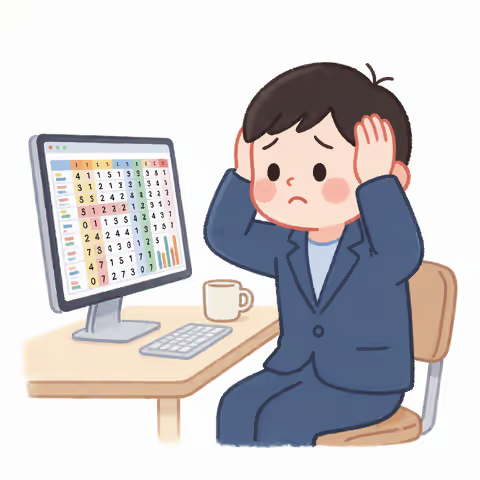
- CJK: 数 = 數. 字 = 字. Mandarin 数字. Canto 數字 sou3 zi6. 数 alone is “number/count”; 数字 is written figures.
- Fun fact: 数字は苦手 = math-brain complaint. 数字を見る, 数字が並ぶ. Not 数学 unless the card says so.
- Memorize: Spreadsheet headache: 数字は苦手です.
- Study tip: 数字. Don’t answer 数 or 数学.
10. 申し込む(もうしこむ)
apply; sign up; propose · mendaftar, mengajukan
Example: 彼女はそのセミナーに申し込んだ。 — She registered for that workshop.

- CJK: 申 = 申. 込 = 入-like “into.” Mandarin 报名 / 申请. Canto 報名. 申し is humble “say”; 込む is pile in.
- Fun fact: セミナーに申し込む. Forms and apps. 申込む without し is the same verb, old spelling.
- Memorize: Laptop, “register” click: セミナーに申し込んだ.
- Study tip: 申し込む. Don’t answer 言う or 入る.
11. 設計(せっけい)
design; plan · perancangan, desain
Example: 兄は船の設計をしています。 — My big brother is designing a ship.

- CJK: 設 = 设 shè. 計 = 计. Mandarin 设计. Canto 設計 cit3 gai3. Same 計 as 計画.
- Fun fact: 船の設計 = naval architecture on this card, not a logo. デザイン is more graphic; 設計 is the blueprint.
- Memorize: Brother at a hull drawing: 船の設計をしています.
- Study tip: 設計. Don’t answer 計画 or デザイン.
12. パン(パン)
bread · roti
Example: 朝ご飯にはいつもパンを食べる。 — I always eat bread for breakfast.
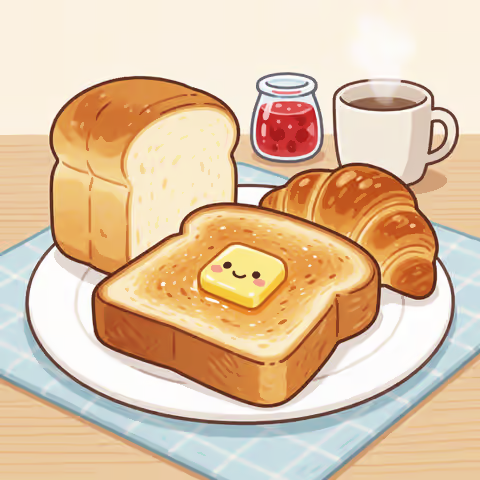
- CJK: From Portuguese pão. Mandarin 面包. Canto 麵包. Not ご飯.
- Fun fact: 朝ご飯にはパン. Default Japanese breakfast split: パン派 vs ご飯派. Same meal slot as ワイン is not.
- Memorize: Toast every morning: いつもパンを食べる.
- Study tip: パン. Don’t answer ご飯.
13. 当然(とうぜん)
natural; as a matter of course · wajar, sudah semestinya
Example: 彼女が怒るのも当然だ。 — It's natural that she should be angry.

- CJK: 当 = 當. 然 = 然. Mandarin 当然. Canto 當然 dong1 jin4. Traditional 當然. Same 然 as 自然.
- Fun fact: 怒るのも当然だ = of course she’s mad (you earned it). Not 当たり前’s everyday “obvious,” though close. 当然です is “naturally / yes.”
- Memorize: Folded arms, “well yeah”: 怒るのも当然だ.
- Study tip: 当然. Don’t answer 本当 or 自然.
14. 練習(れんしゅう)
practice; training · latihan
Example: 娘は今、バイオリンを練習しています。 — My daughter is practicing the violin now.
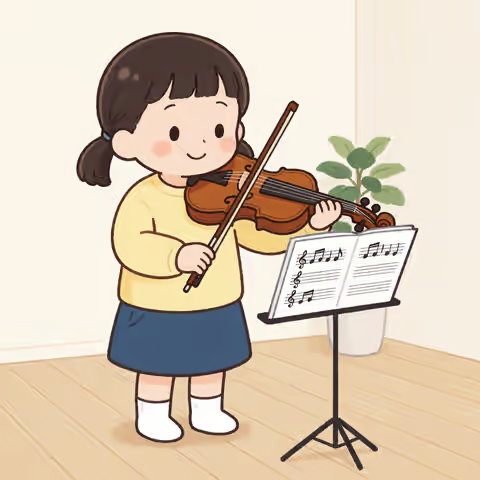
- CJK: 練 = 练 liàn. 習 = 习 xí. Mandarin 练习. Canto 練習 lin6 zaap6. Same 习 as 学习.
- Fun fact: バイオリンを練習. 練習する is the verb. トレーニング is gym; 練習 is the piece.
- Memorize: Kid, violin, repeats: バイオリンを練習しています.
- Study tip: 練習. Don’t answer 勉強. Pairs with 曲 if a song is what she’s practicing.
15. 通る(とおる)
pass; go through · melewati, melalui
Example: 毎日、この道を通ります。 — I take this road every day.

- CJK: 通 = 通. Mandarin 经过. Canto 經過 / 行. Intransitive. Transitive “make it through” is 通す.
- Fun fact: 道を通る. Also 試験に通る (pass an exam), 声が通る. Next card is the noun 通り.
- Memorize: Same commuting road, every day: この道を通ります.
- Study tip: 通る. Don’t answer 行く. Don’t mix with 通り.
16. 通り(とおり)
street; avenue; as follows · jalan
Example: この通りはにぎやかですね。 — This street is lively, isn't it?
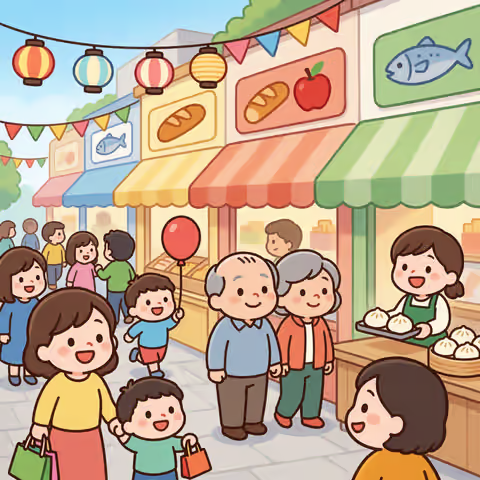
- CJK: Same 通. Mandarin 大街 / 路. Canto 街. Noun from 通る.
- Fun fact: この通りはにぎやか. A named street. Also その通り (“exactly”), 言った通り. Today is the road with shops.
- Memorize: Crowded shopping street: この通りはにぎやかですね.
- Study tip: 通り. Don’t answer 道 or 通る.
17. 選挙(せんきょ)
election · pemilihan, pemilu
Example: 彼は選挙に出るつもりだ。 — He intends to run in the election.
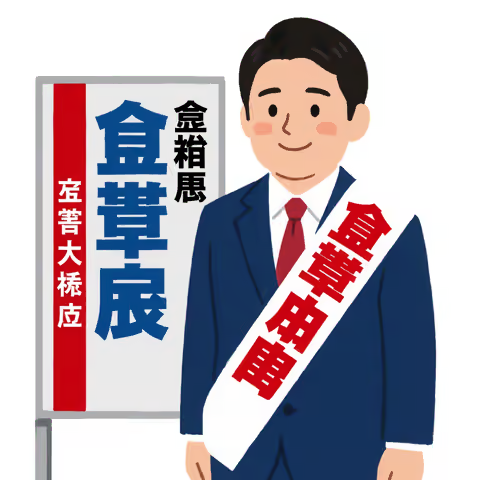
- CJK: 選 = 选 xuǎn. 挙 = 举 jǔ. Mandarin 选举. Canto 選舉 syun2 geoi2. Traditional 選舉. Same 選 as 選ぶ.
- Fun fact: 選挙に出る = stand as a candidate, not merely vote. 投票 is the vote. Yesterday 政策; today the race.
- Memorize: Poster, he will run: 選挙に出るつもりだ.
- Study tip: 選挙. Don’t answer 政治 or 投票.
18. こちら(こちら)
here; this way; this person (polite) · sini; ke sini
Example: 受付はこちらです。 — The reception desk is this way.
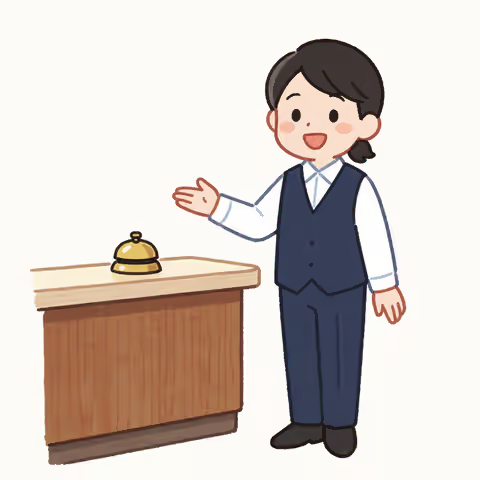
- CJK: Ko-so-a-do: こちら / そちら / あちら / どちら. Mandarin 这边. Canto 呢邊. Polite こっち.
- Fun fact: 受付はこちらです. Staff pointing. Also “this is Mr X” (こちらは…). Not ここ alone.
- Memorize: Arrow, reception sign: 受付はこちらです.
- Study tip: こちら. Don’t answer こっち in a polite card. Don’t answer ここ.
19. 手帳(てちょう)
pocket notebook; planner · buku catatan saku, agenda
Example: 新しい手帳を買いました。 — I bought a new notebook.
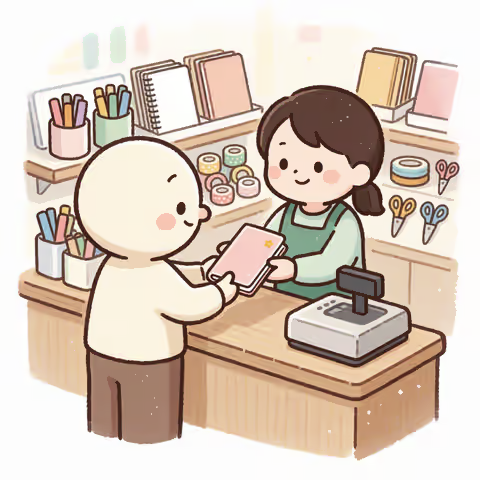
- CJK: 手 = 手. 帳 = 帐 zhàng / 账. Mandarin 手册 / 记事本. Canto 手冊. 帳 is a register.
- Fun fact: 手帳 is the small dated planner, not ノート the exercise book. New year 新しい手帳.
- Memorize: Shop, slim planner in hand: 新しい手帳を買いました.
- Study tip: 手帳. Don’t answer ノート or 日記.
20. レコード(レコード)
record (vinyl) · piringan hitam
Example: ジャズのレコードをかけました。 — I put on a jazz record.

- CJK: From English record. Mandarin 唱片. Canto 唱片. かける = put it on the player.
- Fun fact: Vinyl. Not a sports 記録, not a world record. レコードをかける is the set phrase.
- Memorize: Turntable, jazz LP: ジャズのレコードをかけました.
- Study tip: レコード. Don’t answer 記録 or CD. Pairs with 曲.