Anki session
Cantonese 2
廣東話
- New
- 20
- Learn
- 0
- Review
- 63
Session: 20 new remaining of the 20/day cap · 0 learning waiting · 63 reviews due.
Click Cantonese::Level2, not Level1. Level1 is review-only now. Learning is empty today: new cards mix into the 63 reviews.
This is a third sheet for today (HSK is 2026-09-16.md, Japanese is 2026-09-16-japanese-level2.md).
Session plan
- No learning queue. The 63 reviews are yesterday’s and older Level2 cards.
- Particles/frames: 再講 once more, 仲係 still on, 點都 as long as it’s cheap, 次次 he cries, 得閒唔得閒, 之嘛 just go, 唔錯 the dish.
- Place/people: 香港人 speak up, 可惜 that middle class, 後面 the park, 細佬 secondary school (not the slang), 男仔 on the railing.
- Hands/body: 尾 the cat, 分 the cake, 揸 揸車, 一身 red.
- Time/truth: 以後 won’t be late, 二十 every twenty minutes, 事實, 真正 purpose.
1. 尾(mei5)
tail; (also) aftermath · ekor; akibat buruk
Example: 唔好捉貓條尾,佢會抓你。 — Don't grab the cat's tail, it'll scratch you.
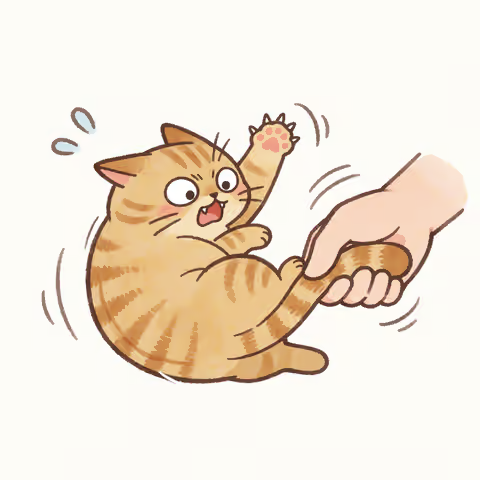
- CJK: 尾 = 尾 wěi. Mandarin 尾巴. JP 尾(お). Classifier 條. Aftermath 收尾 / 有尾 is not today’s sentence.
- Fun fact: 貓條尾. Cantonese keeps 條 on long thin things. Dictionary also “reprisal”; today is the cat.
- Memorize: Hand on a cat tail, scratch incoming: 唔好捉貓條尾.
- Study tip: 尾. Don’t answer 尾巴 unless that’s printed.
2. 香港人(hoeng1 gong2 jan4)
Hong Konger; Hong Kong people · orang Hong Kong
Example: 香港人要為自己嘅未來發聲。 — Hong Kong people must speak up for their future.
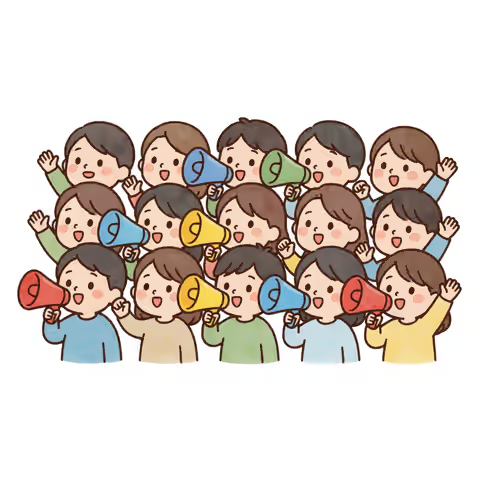
- CJK: 香 = 香. 港 = 港. 人 = 人. Mandarin 香港人. JP 香港人(ホンコンじん).
- Fun fact: 香港人 is identity, not just GPS. 為自己嘅未來發聲 is the civic sentence on this card.
- Memorize: Crowd, megaphone, 未來: 香港人要為自己嘅未來發聲.
- Study tip: 香港人. Don’t answer 香港 or 人.
3. 再講(zoi3 gong2)
say again; furthermore · mengatakan lagi; lagipula
Example: 我再講一次,聽清楚啊。 — I'll say it again, listen carefully.

- CJK: 再 = 再. 講 = 讲 jiǎng. Mandarin 再说一遍. JP もう一回言う. Same 講 as 講話.
- Fun fact: 再講一次 = repeat. 再講 can also be “and another thing.” Today is the teacher repeat.
- Memorize: Finger up, “once more”: 我再講一次,聽清楚啊.
- Study tip: 再講. Don’t answer 再說 or 再 with no 講.
4. 仲係(zung6 hai6)
still; nevertheless · masih; tetap
Example: 部電話仲係開緊。 — The phone is still on.

- CJK: 仲 = 仲 / 还 hái. 係 = 是. Mandarin 还是开着. JP まだ〜だ. Japanese まま is today’s cousin (light still on).
- Fun fact: 仲係開緊 = still in the on-state. 仲 is HK “still”; Mandarin 还. 係 is the copula, not 喺.
- Memorize: Phone screen still lit: 部電話仲係開緊.
- Study tip: 仲係. Don’t answer 还是 or 仍然. Don’t answer 喺.
5. 細佬(sai3 lou2)
younger brother · adik laki-laki
Example: 我細佬而家讀中學。 — My younger brother is in secondary school now.
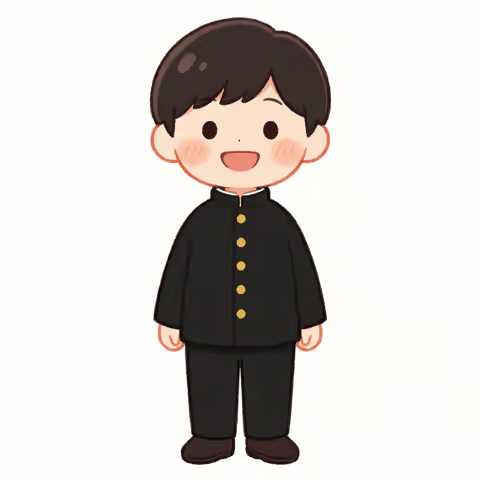
- CJK: 細 = 细 xì. 佬 = 佬. Mandarin 弟弟. JP 弟. 細 = small; 佬 = guy.
- Fun fact: Default is kid brother. Dictionary also lists crude “penis” and triad “little brother.” Today’s sentence is school. Don’t volunteer the slang on this card.
- Memorize: Younger boy in a school uniform: 細佬而家讀中學.
- Study tip: 細佬. Don’t answer 弟弟. Don’t answer 哥哥.
6. 事實(si6 sat6)
fact · fakta; kenyataan
Example: 我知道呢個係不爭嘅事實。 — I know this is an indisputable fact.
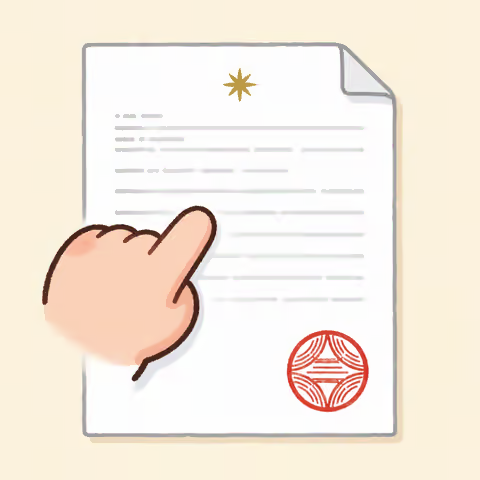
- CJK: 事 = 事. 實 = 实 shí. Mandarin 事实. JP 事実(じじつ). Traditional 事實.
- Fun fact: 不爭嘅事實 = not up for debate. 事實 vs 真相 (the real story) vs 真正 (next-ish on this sheet).
- Memorize: Finger on a document: 呢個係不爭嘅事實.
- Study tip: 事實. Don’t answer 真 or 故事.
7. 點都(dim2 dou1)
no matter how; anyway · bagaimanapun
Example: 只要平,點都得。 — As long as it's cheap, anything goes.

- CJK: 點 = 点. 都 = 都. Mandarin 怎么样都 / 反正. JP どうしても. 點 = how; 都 = even then.
- Fun fact: 只要平,點都得 = cheap → whatever. 點都要去 is “going no matter what.” Not a question 點.
- Memorize: Price tag, shrug, ok: 只要平,點都得.
- Study tip: 點都. Don’t answer 點 or 都 alone.
8. 分(fan1)
to share · berbagi
Example: 我哋一齊分咗呢塊蛋糕。 — We shared this cake together.
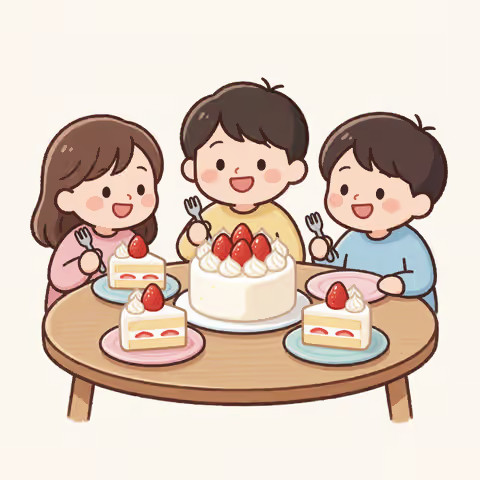
- CJK: 分 = 分. Mandarin 分 (share). JP 分ける. Yesterday HSK 分为 was “divide into parts.”
- Fun fact: Today is share the cake, not 分鐘, not exam 分. 分咗呢塊蛋糕. Tone fan1.
- Memorize: Cake cut, plates around: 一齊分咗呢塊蛋糕.
- Study tip: 分. Don’t answer 分鐘 or 分開 unless that’s the card.
9. 以後(ji5 hau6)
from now on; after; since · setelah; nanti; sejak
Example: 以後都唔會再遲到。 — I won't be late again from now on.
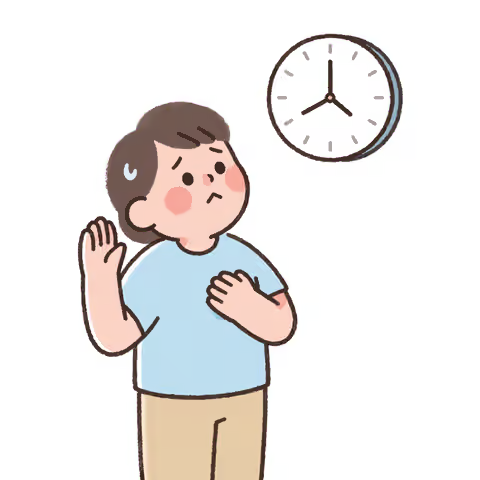
- CJK: 以 = 以. 後 = 后 hòu. Mandarin 以后. JP 以後(いご). Traditional 以後. HSK 将来 was life-plan future; this is “henceforth.”
- Fun fact: 以後都唔會再遲到 = resolution. 以後 can also be “after that point.” Not 之前.
- Memorize: Clock, late never again: 以後都唔會再遲到.
- Study tip: 以後. Don’t answer 將來 or 之後 unless that’s printed.
10. 後面(hau6 min6)
behind; the back · di belakang
Example: 我屋企後面有個公園。 — There's a park behind my house.
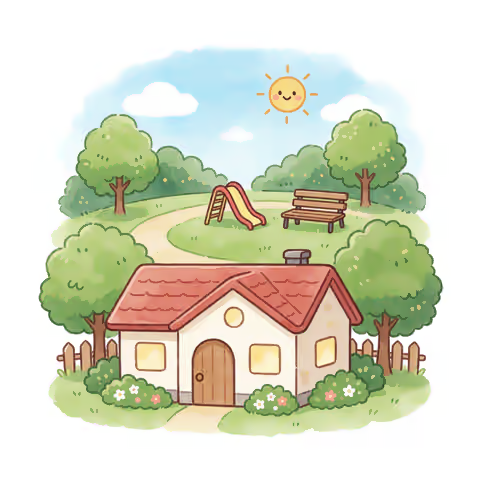
- CJK: 後 = 后. 面 = 面. Mandarin 后面. JP 後ろ. Same 後 as 以後.
- Fun fact: 屋企後面 = the space behind the building. 後面 vs 前面. 背面 is the reverse of an object.
- Memorize: House, park out the back: 屋企後面有個公園.
- Study tip: 後面. Don’t answer 後面的人 if the audio is the park.
11. 次次(ci3 ci3)
every time; each time · setiap kali
Example: 次次同佢講呢件事佢都喊得好慘。 — Every time I talk to him about this, he cries terribly.
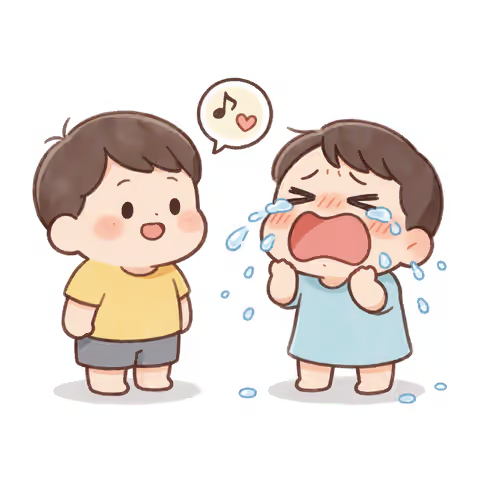
- CJK: 次 = 次. Mandarin 每次. JP 毎回. Reduplication = every instance.
- Fun fact: 次次…都. Not 一次. The crying is the payload of this example.
- Memorize: Same talk, same tears: 次次…佢都喊得好慘.
- Study tip: 次次. Don’t answer 每次 or 次.
12. 得閒(dak1 haan4)
free; have spare time · luang; punya waktu luang
Example: 你下個禮拜得閒唔得閒? — Are you free next week?
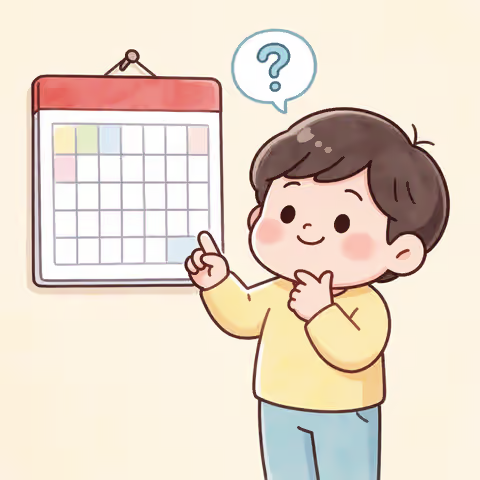
- CJK: 得 = 得. 閒 = 闲 xián. Mandarin 有空. JP 暇(ひま). Traditional 得閒. A-not-A: 得閒唔得閒.
- Fun fact: HK default for “are you free.” 冇閒 is busy. Mandarin 有空吗 maps here, not 得闲 in speech north.
- Memorize: Calendar, next week, A-not-A: 得閒唔得閒?
- Study tip: 得閒. Don’t answer 有空 or 閒 alone.
13. 男仔(naam4 zai2)
boy · anak laki-laki
Example: 有個男仔坐喺露台欄河度,似乎想跳樓。 — There's a boy sitting on the balcony railing, seems like he wants to jump.
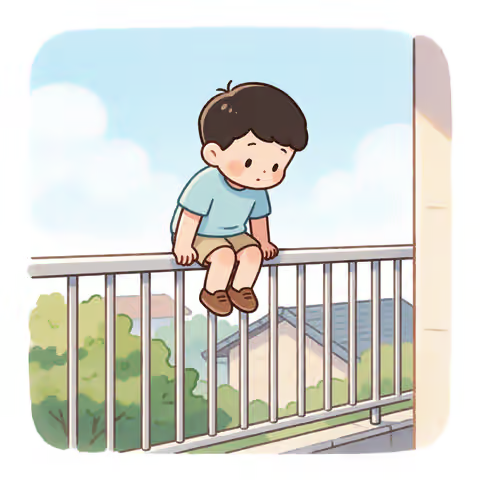
- CJK: 男 = 男. 仔 = 仔. Mandarin 男孩. JP 男の子. 仔 = kid suffix (女仔, 狗仔).
- Fun fact: 男仔 is ordinary “boy.” The example is grim (欄河 / 跳樓). That’s the sentence on the card — don’t soften it when you study, and don’t treat 男仔 itself as the dark word.
- Memorize: Small figure on a balcony rail: 有個男仔坐喺露台欄河度.
- Study tip: 男仔. Don’t answer 男孩 or 細佬.
14. 唔錯(m4 co3)
not bad; pretty good · lumayan; tidak buruk
Example: 你煮呢碟菜味道唔錯喔! — The taste of this dish you cooked is not bad at all!

- CJK: 唔 = 不. 錯 = 错 cuò. Mandarin 不错. JP 悪くない. Double negative praise.
- Fun fact: 味道唔錯 is a real compliment, not faint. 錯 alone is “wrong.”
- Memorize: Taste, thumbs up: 味道唔錯喔!
- Study tip: 唔錯. Don’t answer 好 or 錯.
15. 之嘛(zi1 maa3)
that’s all; just · cuma; toh hanya
Example: 去就去之嘛,有乜好驚。 — Just go already, what's there to worry about?
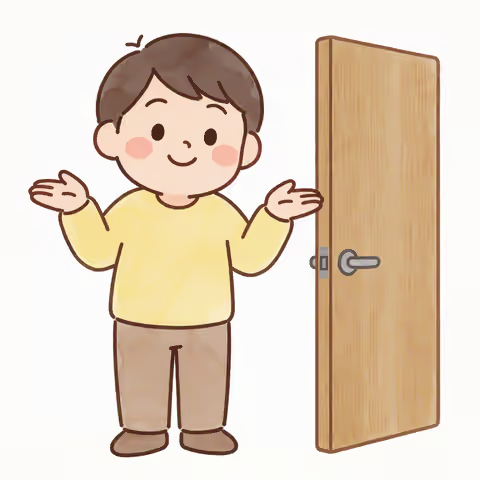
- CJK: Particle, not a content noun. Mandarin 而已 / 嘛. JP 〜だけだ. Minimizer.
- Fun fact: X之嘛 = “it’s only X.” 去就去之嘛 = going is no big deal. Soften or dismiss.
- Memorize: Shrug toward the door: 去就去之嘛,有乜好驚.
- Study tip: 之嘛. Don’t answer 而已 or 嘛 alone.
16. 可惜(ho2 sik1)
what a pity; too bad · sayang sekali
Example: 可惜香港嘅中產階級奇奇怪怪。 — It's a pity that Hong Kong's middle class is so strange.

- CJK: 可 = 可. 惜 = 惜. Mandarin 可惜. JP 惜しい / 残念. Same 惜 as 珍惜.
- Fun fact: 可惜 + clause. Today is editorial, not a missed bus. Pairs with 香港人 on this sheet.
- Memorize: Headshake over a headline: 可惜香港嘅中產階級…
- Study tip: 可惜. Don’t answer 遺憾 unless that’s the card.
17. 揸(zaa1)
to drive; to hold · menyetir; memegang
Example: 我阿哥揸車技術好好。 — My brother drives very well.
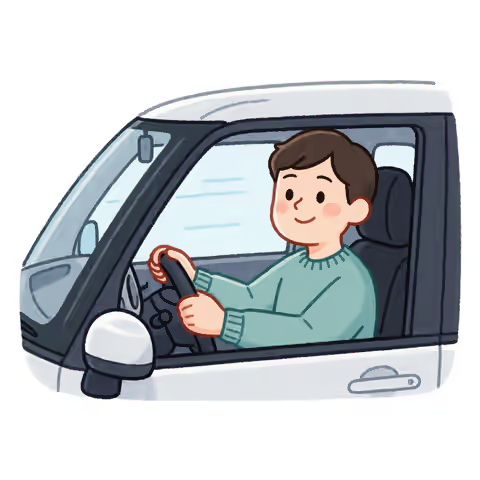
- CJK: 揸 = 揸. Mandarin 开车 / 抓. JP 運転する / 握る. HK verb for drive is 揸車, not 開車 as the default.
- Fun fact: 揸車技術好好. Hand-on-wheel. Also 揸住 (hold). Today is driving skill.
- Memorize: Brother at the wheel, smooth: 阿哥揸車技術好好.
- Study tip: 揸. Don’t answer 開車 or 持.
18. 一身(jat1 san1)
from head to toe; the whole body · seluruh tubuh; dari kepala sampai kaki
Example: 佢一身紅衫出現,好搶眼。 — He showed up in a full red outfit, very eye-catching.
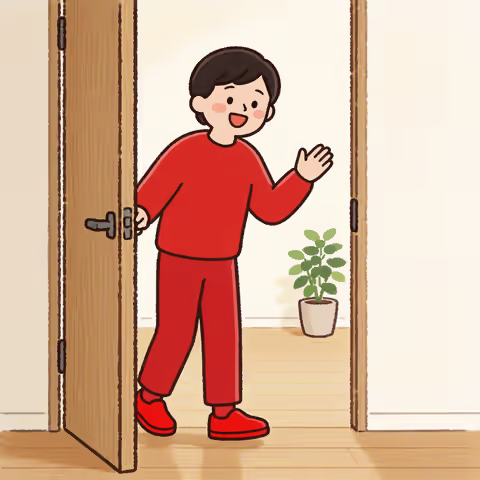
- CJK: 一 = 一. 身 = 身. Mandarin 一身. JP 全身. HSK yesterday had 全身; this is the Canto outfit reading.
- Fun fact: 一身紅衫 = dressed all in red, not “one body.” 一身汗 is covered in sweat (HSK 汗 today).
- Memorize: Head-to-toe red entering a room: 一身紅衫出現,好搶眼.
- Study tip: 一身. Don’t answer 全身 or 衫.
19. 二十(ji6 sap6)
twenty · dua puluh
Example: 有冇一架巴士係由市中心去機場㗎?—有,每隔二十分鐘。 — Is there a bus from downtown to the airport? — Yes, every twenty minutes.
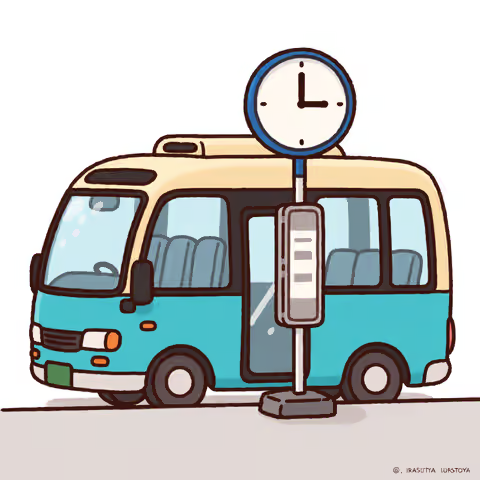
- CJK: 二 = 二. 十 = 十. Mandarin 二十. JP 二十(にじゅう). Spoken often jaa6 (廿). This card’s reading is ji6 sap6.
- Fun fact: 每隔二十分鐘. Number, not 二十歲 unless the audio says age. Yesterday 巴士; today the interval.
- Memorize: Airport bus, clock every 20: 每隔二十分鐘.
- Study tip: 二十. Don’t answer 廿 unless that’s printed. Don’t answer 巴士.
20. 真正(zan1 zing3)
genuine; true; real · sejati; yang sebenarnya
Example: 佢嘅真正目的係乜嘢? — What is his true intention?

- CJK: 真 = 真. 正 = 正. Mandarin 真正. JP 真の / 本当の. Same 真 as 真係.
- Fun fact: 真正目的 = hidden real aim. 真係 is “really”; 真正 is “the actual.” Pairs with 事實.
- Memorize: Question mark over a smiling face: 真正目的係乜嘢?
- Study tip: 真正. Don’t answer 真 or 事實.