Anki session
HSK 4
汉语
- New
- 20
- Learn
- 0
- Review
- 128
Session: 20 new remaining of the 20/day cap · 0 learning waiting · 128 reviews due.
Click HSK::Level 4, not the parent HSK. No learning queue, so new cards mix into the 128 reviews.
Session plan
- Nothing in learning. When a new one pops, match it to the number below.
- Sense traps (dictionary first, today’s sentence second): 打招呼 is “tell me before you go,” not a wave; 烤 is 烤火, not 烤面包; 弹 flicks dirt off clothes, not 弹钢琴; 倒 is “actually,” not fall; 定 booked tickets; 将 is 把-like 将这些书.
- Time/paper: 时间表 next week, 月份 overtime, 总结 you wrote.
- Body: 汗, 皮肤 red from cold, 咳, 冷静 first.
- Talk/work: 熟悉 this city, 口语 not great, 提醒 8am hospital, 律师, 购买 online, 严格 homework.
1. 熟悉(shúxī)
to be familiar with; to know well · mengenal baik
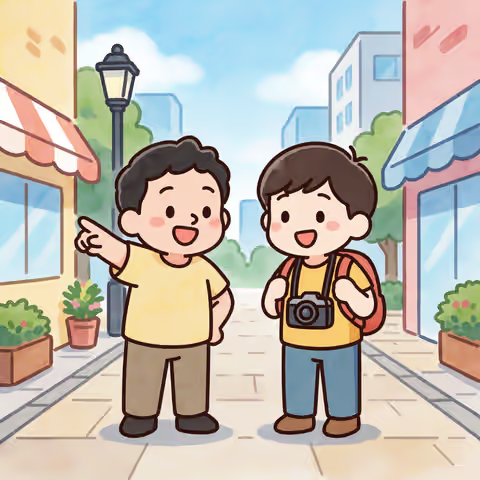
Example: 我对这个城市很熟悉,可以带你去玩。 — I'm very familiar with this city, so I can take you around.
- CJK: 熟 = 熟. 悉 = 悉. JP 熟悉(じゅくち) is rare; usually 詳しい / 慣れている. Canto 熟悉 suk6 sik1. Same 熟 as 成熟; here it is “I know this place.”
- Fun fact: 对…很熟悉. Object is a city, a person, software. 认识 is “have met”; 熟悉 is you could give the tour.
- Memorize: Local pointing down streets: 可以带你去玩.
- Study tip: 熟悉. Don’t answer 知道 or 认识.
2. 时间表(shíjiānbiǎo)
schedule; timetable · jadwal
Example: 请把下周的时间表发给我看一下。 — Please send me next week's schedule so I can take a look.

- CJK: 时 = 時. 间 = 間. 表 = 表. JP 時間割(じかんわり) / スケジュール. Canto 時間表 si4 gaan3 biu2. Same 表 as 表格, here a timetable.
- Fun fact: 下周的时间表 = the grid of next week, not 手表. School 课程表, train 时刻表, work 时间表.
- Memorize: Spreadsheet in an email: 把下周的时间表发给我.
- Study tip: 时间表. Don’t answer 手表 or 日历.
3. 茶叶(cháyè)
tea leaves; tea · daun teh
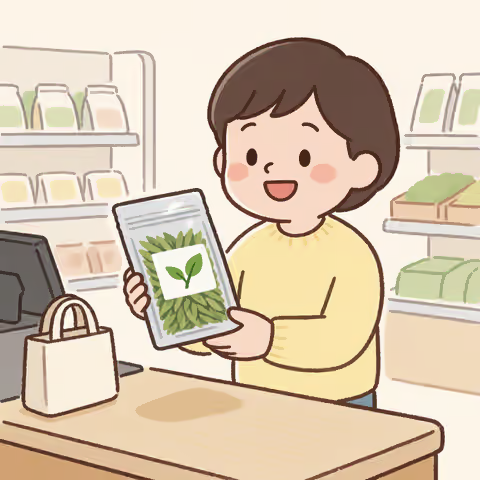
Example: 我买了一包茶叶。 — I bought a pack of tea leaves.
- CJK: 茶 = 茶. 叶 = 葉 yè. JP 茶葉(ちゃば). Canto 茶葉 caa4 jip6. Traditional 茶葉. Classifier today is 包.
- Fun fact: 茶叶 is the leaves you buy. 茶 is the drink. 一包茶叶, not 一杯茶叶.
- Memorize: Grocery bag, one sealed pack: 我买了一包茶叶.
- Study tip: 茶叶. If the audio is 喝茶, that’s 茶.
4. 口语(kǒuyǔ)
spoken language; colloquial speech · bahasa lisan
Example: 我的口语不太好。 — My spoken language isn't very good.

- CJK: 口 = 口. 语 = 語. JP 口語(こうご). Canto 口語 hau2 jyu5. Same 语 as 汉语; 口 marks the mouth.
- Fun fact: HSK 口语 = speaking skill. 书面语 is writing. Dictionary also lists “gossip”; today’s sentence is “my spoken Chinese.”
- Memorize: Exam booth, talking poorly: 我的口语不太好.
- Study tip: 口语. Don’t answer 说话 or 普通话.
5. 提醒(tíxǐng)
to remind; to warn of · mengingatkan
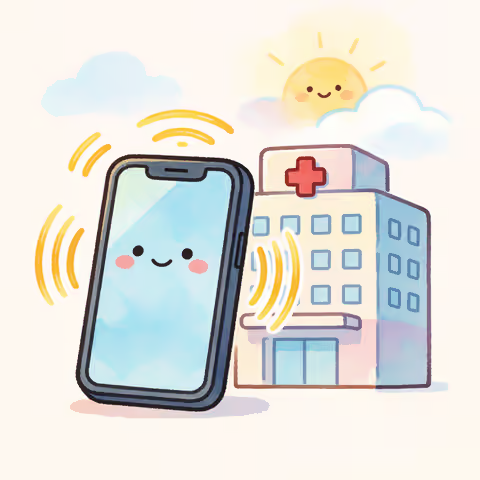
Example: 请提醒我明天早上八点去医院。 — Please remind me to go to the hospital at eight tomorrow morning.
- CJK: 提 = 提. 醒 = 醒. JP 思い出させる. Canto 提醒 tai4 sing2. Same 提 as 提出 yesterday; 醒 is “wake.”
- Fun fact: 提醒我 + verb. Alarm-clock sense. 警告 is a real warning; 提醒 is “don’t forget.”
- Memorize: Phone alarm 8:00, hospital: 提醒我明天早上八点去医院.
- Study tip: 提醒. Don’t answer 告诉 or 记得.
6. 打招呼(dǎ zhāohu)
to greet; to give prior notice · menyapa; memberi tahu dulu
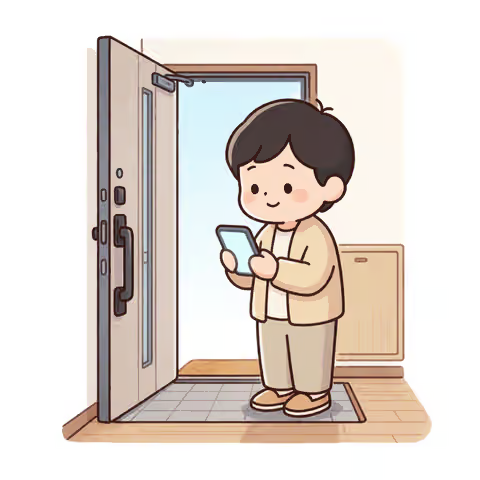
Example: 走前先跟我打招呼。 — Let me know before you leave.
- CJK: 打 = 打. 招 = 招. 呼 = 呼. Mandarin set phrase. JP 挨拶(あいさつ). Canto 打招呼 daa2 ziu1 fu1. Same 打 as 打电话: dummy verb.
- Fun fact: Sense 1 is wave/hello (见到老师要打招呼). Today’s sentence is sense 2: 走前先跟我打招呼 = ping me before you go. Not a handshake.
- Memorize: Hand on the door, text first: 走前先跟我打招呼.
- Study tip: 打招呼. If you answer 你好, you missed the “give notice” card.
7. 烤(kǎo)
to roast; to grill; to warm oneself by a fire · memanggang; berdiang
Example: 我们坐着烤火。 — We're sitting by the fire to warm up.
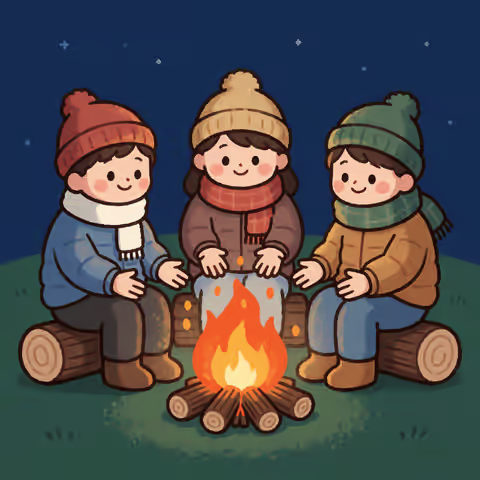
- CJK: 烤 = 烤. JP 焼く / 炙る. Canto 烤 haau1. Fire radical 火.
- Fun fact: 烤面包 / 烤肉 is cook. Today’s sentence is 烤火: sit and get warm. Same character, different picture.
- Memorize: Hands out to a campfire, sitting: 我们坐着烤火.
- Study tip: 烤. Don’t answer 烧 or 热. If the audio is bread, still 烤, not 烤火.
8. 律师(lǜshī)
lawyer · pengacara
Example: 我的朋友是律师。 — My friend is a lawyer.
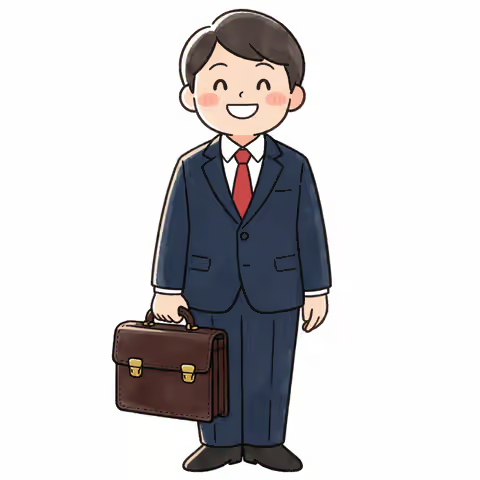
- CJK: 律 = 律. 师 = 師. JP 弁護士(べんごし). Canto 律師 leot6 si1. Traditional 律師. Same 师 as 老师; 律 is law.
- Fun fact: 律师, not 老师 with a briefcase. 法律 is the field; 律师 is the person.
- Memorize: Friend in a suit, nameplate 律师.
- Study tip: 律师. Don’t answer 老师 or 法律.
9. 弹(tán)
to pluck; to play (strings); to flick · memetik; menyentil
Example: 请你帮我把衣服上的土弹掉。 — Please help me flick the dirt off my clothes.
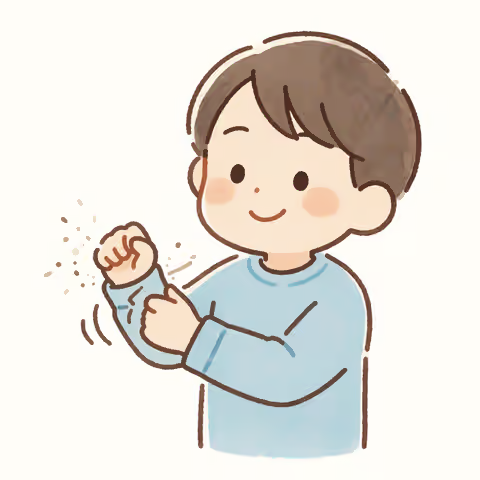
- CJK: 弹 = 彈 tán / dàn. JP 弾く(ひく). Canto 彈 taan4. Traditional 彈. Bullet 子弹 is dàn; this card is tán.
- Fun fact: Famous sense is 弹钢琴. Today’s sentence is 把土弹掉: flick dirt. Same 弹掉 as yesterday’s 掉 = off.
- Memorize: Thumb flicking dust off a sleeve: 把衣服上的土弹掉.
- Study tip: 弹. Reading tán, not 蛋. Don’t answer 钢琴 unless that’s the audio.
10. 月份(yuèfèn)
month (as a period) · bulan (kalender)
Example: 这个月份的工作特别忙,要加班。 — Work is especially busy this month; I'll have to work overtime.
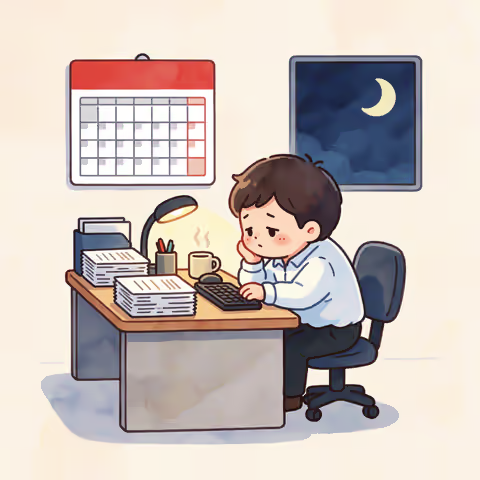
- CJK: 月 = 月. 份 = 份. JP 月(つき). Canto 月份 jyut6 fan6. Same 份 as 身份证.
- Fun fact: 月份 = this calendar month as a chunk of work. 月 can be “moon” or measure. 这个月份的工作, not 这个月的月亮.
- Memorize: Office calendar circled, overtime: 这个月份…要加班.
- Study tip: 月份. Don’t answer 月 or 星期.
11. 购买(gòumǎi)
to purchase; to buy · membeli (formal)
Example: 我想在网上购买。 — I want to buy it online.

- CJK: 购 = 購 gòu. 买 = 買. JP 購入(こうにゅう). Canto 購買 kau3 maai5. Traditional 購買. Same 买 as 买东西, dressed up.
- Fun fact: 购买 is shop/web-form. Spoken 买. 网上购买 = checkout, not window-shopping.
- Memorize: Phone checkout button: 在网上购买.
- Study tip: 购买. Don’t answer 买 unless that’s the card; don’t answer 网.
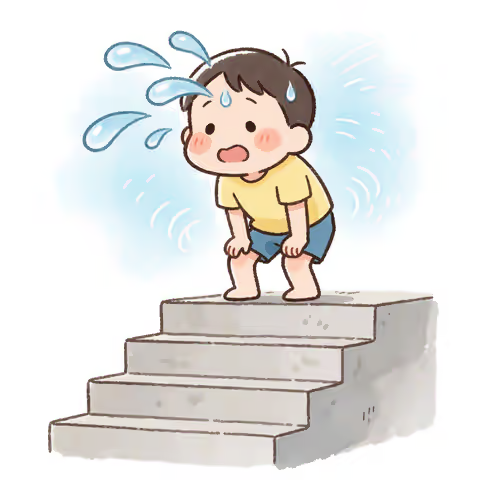
12. 汗(hàn)
sweat; perspiration · keringat
Example: 我出了很多汗。 — I sweated a lot.
- CJK: 汗 = 汗. JP 汗(あせ). Canto 汗 hon6. Water radical. Verb is 出汗, not 流汗 as the HSK frame today.
- Fun fact: 出了很多汗. Classifier 身/头 also exist. Internet 汗 as “I’m speechless” is not this card.
- Memorize: Shirt soaked after stairs: 我出了很多汗.
- Study tip: 汗. Don’t answer 水. Frame is 出汗.
13. 倒(dào)
to pour; on the contrary; (also dǎo: to fall) · menuang; justru
Example: 这倒挺有意思。 — This is actually quite interesting.

- CJK: 倒 = 倒. JP 倒れる / 注ぐ. Canto 倒 dou2 / dou3. Fall is usually dǎo; pour / “actually” is dào. This card’s reading is dào.
- Fun fact: Three pictures: 椅子倒了 (fall, dǎo), 倒杯水 (pour, dào), 这倒挺有意思 (contrary, dào). Today is the third.
- Memorize: Eyebrow up, “huh, actually interesting”: 这倒挺有意思.
- Study tip: 倒. Don’t answer 但是. If a chair falls, still 倒, but that’s dǎo.
14. 定(dìng)
to set; to book; to order · menetapkan; memesan
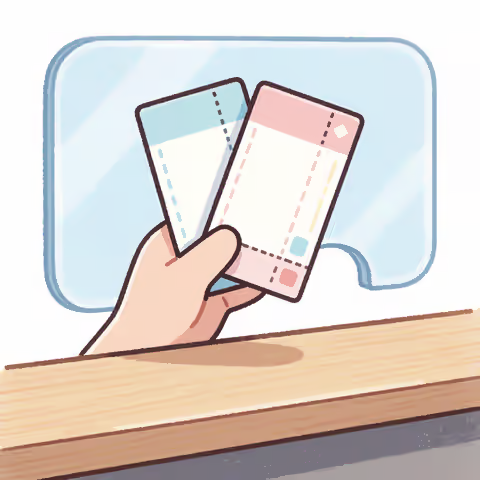
Example: 我定了两张票。 — I booked two tickets.
- CJK: 定 = 定. JP 定める / 予約する. Canto 定 ding6. Same 定 as 一定; here it is “lock it in.”
- Fun fact: 定个时间 = pick a time. Today is 定了两张票 = booked. Spoken often 订 (same sound). HSK wants 定 on this card.
- Memorize: Two tickets in hand: 我定了两张票.
- Study tip: 定. Don’t answer 买票 or 订 unless that’s printed.
15. 总结(zǒngjié)
to sum up; a summary · merangkum; rangkuman
Example: 我看了你写的总结,内容清楚也很容易懂。 — I read the summary you wrote; the content is clear and easy to understand.

- CJK: 总 = 總. 结 = 結. JP 総括 / まとめ. Canto 總結 zung2 git3. Traditional 總結. Same 总 as 总是; 结 closes it.
- Fun fact: Verb 总结一下 the meeting. Today’s sentence is the noun: 你写的总结.
- Memorize: One-page recap, thumbs up: 你写的总结…很容易懂.
- Study tip: 总结. Don’t answer 完 or 意思.
16. 皮肤(pífū)
skin · kulit
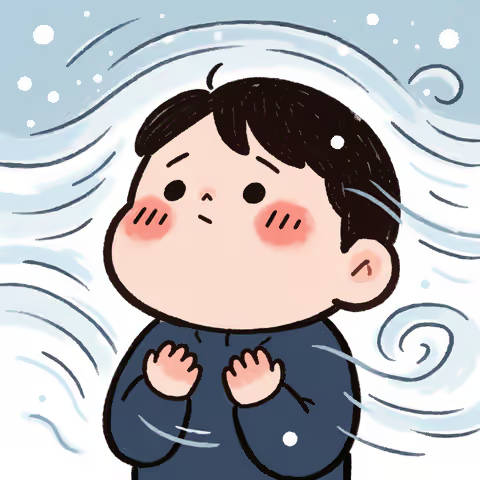
Example: 天气很冷,我的皮肤变得有点儿红。 — It's very cold, and my skin has gotten a bit red.
- CJK: 皮 = 皮. 肤 = 膚 fū. JP 皮膚(ひふ). Canto 皮膚 pei4 fu1. Traditional 皮膚. 皮 alone is peel/leather; 皮肤 is the body.
- Fun fact: 皮肤变得有点儿红 from cold, not a rash essay. 脸 is the face only.
- Memorize: Winter walk, cheeks/hands pink: 皮肤变得有点儿红.
- Study tip: 皮肤. Don’t answer 皮 or 身体.
17. 严格(yángé)
strict; rigorous · ketat
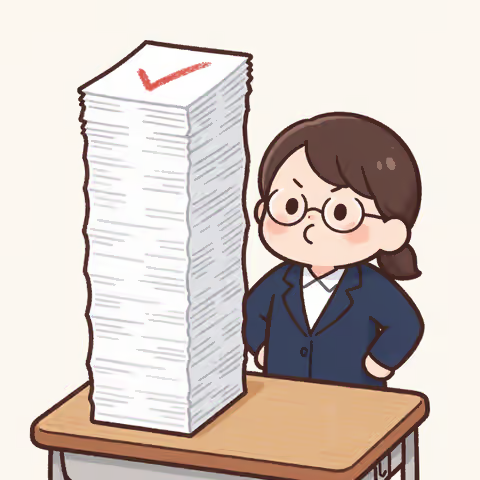
Example: 我们老师对学生非常严格,作业很多。 — Our teacher is very strict with students, so there's a lot of homework.
- CJK: 严 = 嚴 yán. 格 = 格. JP 厳しい. Canto 嚴格 jim4 gaak3. Traditional 嚴格. Same 严 as 严重; 格 is the standard.
- Fun fact: 对学生严格. 严肃 is a stern face; 严格 is the rules (lots of 作业).
- Memorize: Teacher, stack of homework: 对学生非常严格.
- Study tip: 严格. Don’t answer 厉害 or 认真.
18. 将(jiāng)
will; (disposal marker like 把) · akan; (seperti 把)
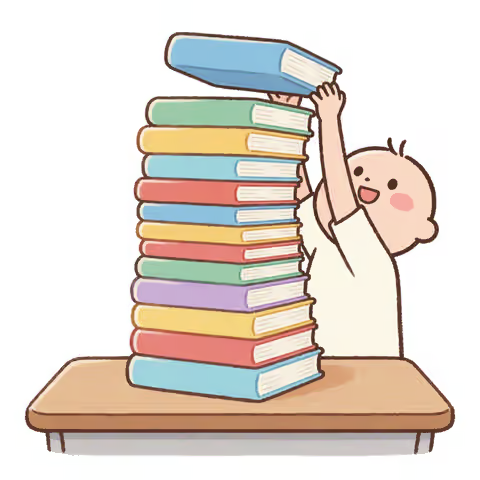
Example: 请你将这些书都放到桌子上。 — Please put all these books on the table.
- CJK: 将 = 將. JP 〜するつもり / を. Canto 將 zoeng1. Traditional 將. General 大将 is jiàng; this card is jiāng. Yesterday’s 将来 used the same 将.
- Fun fact: 将去上海 = shall/will (formal). Today is 将这些书都放到… = 把. Written 将, spoken 把.
- Memorize: Stack of books moved onto the desk: 将这些书都放到桌子上.
- Study tip: 将. Don’t answer 把 unless that’s the card. Don’t answer 将来.
19. 咳(ké)
to cough · batuk
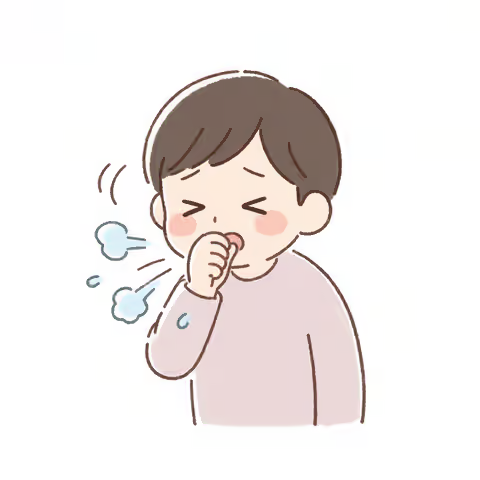
Example: 他咳得很厉害。 — He is coughing badly.
- CJK: 咳 = 咳. JP 咳(せき). Canto 咳 kat1. Mouth radical. Also written 咳嗽 for the full word.
- Fun fact: 咳得很厉害 is the verb. 咳嗽 is the dictionary compound. Interjection 咳 hāi is a different reading — not this card.
- Memorize: Hand over mouth, bad cough: 他咳得很厉害.
- Study tip: 咳. Reading ké. Don’t answer 感冒 unless that’s the card.
20. 冷静(lěngjìng)
calm; cool-headed · tenang
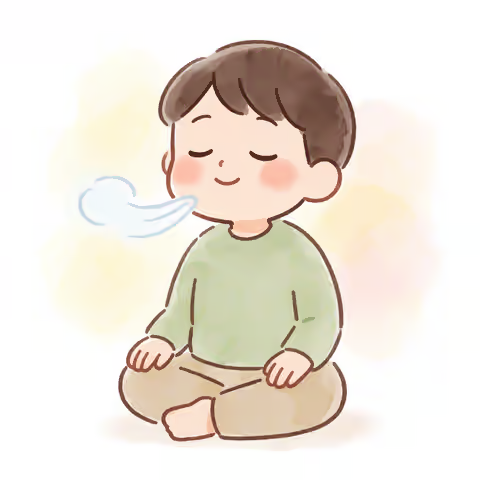
Example: 你先冷静一下。 — Calm down first.
- CJK: 冷 = 冷. 静 = 靜. JP 冷静(れいせい). Canto 冷靜 laang5 zing6. Traditional 冷靜. Same 冷 as 冷; 静 as 安静.
- Fun fact: 冷静一下 = pause the argument. 安静 is a quiet room; 冷静 is a quiet brain. Place-sense “deserted” is not today’s sentence.
- Memorize: Hands down, breathe: 你先冷静一下.
- Study tip: 冷静. Don’t answer 安静 or 冷.