Anki session
Japanese 2
日本語
- New
- 20
- Learn
- 0
- Review
- 83
Session: 20 new remaining of the 20/day cap · 0 learning waiting · 83 reviews due.
Click Japanese::Level2, not Level1. Level1 is review-only now. Yesterday’s new cards are in the 83 reviews; today’s twenty still mix in.
This is a second sheet for today (HSK is 2026-09-15.md). Do not mix the decks in one Anki session.
Session plan
- Eighty-three reviews already — clear those as they come, then the new pile.
- Hands/intransitive: 引っ張る the hand, 片付ける the room, 倒れる the tree (not 倒す), 減る weight (not 減らす).
- People: 得意 at singing (not Mandarin 得意), 尊敬 grandpa, 教授 chemistry, 立派 a fine person, 外国人 (yesterday was blunt 外人).
- Weekend/out: 博物館 cars, スキー, 週末 at home, 柔道.
- Formal: 政策, 安全 first, 自動車 company, 例えば. Objects: カード, 穴 in the sock, おかしい.
1. 引っ張る(ひっぱる)
pull; drag · menarik, menyeret
Example: 娘が私の手を引っ張った。 — My daughter tugged on my hand.
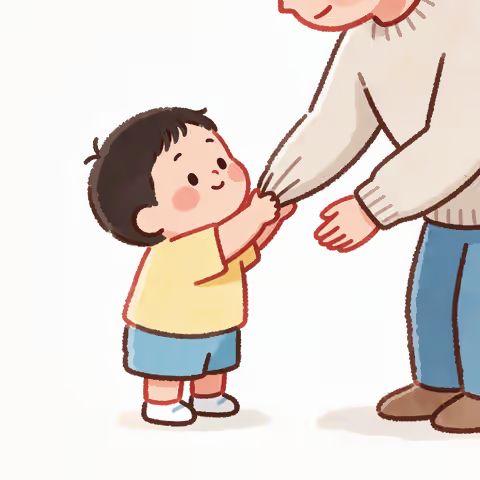
- CJK: 引 = 引 yǐn. 張 = 张 zhāng. Mandarin 拉 / 拽. Canto 拉 / 拖. 張る = stretch; 引っ = the yank prefix.
- Fun fact: 手を引っ張った. Also drag a file, pull someone into a project. 引く is a lighter “pull/draw.” 引っ張る is the tug.
- Memorize: Kid yanking a parent’s sleeve: 手を引っ張った.
- Study tip: 引っ張る. Don’t answer 引く or 押す.
2. 政策(せいさく)
policy; political measures · kebijakan
Example: 新しい政策はあまり良いとは思えません。 — I don't think the new policy is very good.
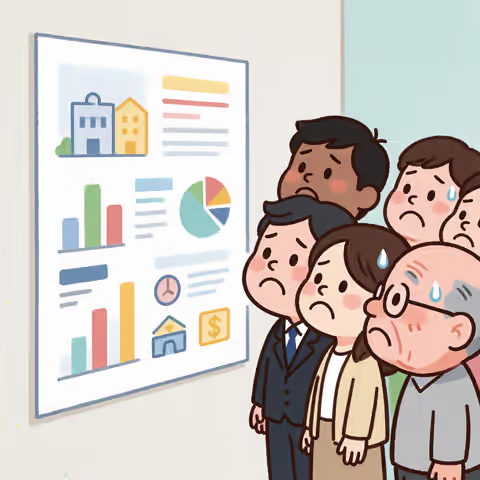
- CJK: 政 = 政. 策 = 策. Mandarin 政策. Canto 政策 zing3 caak3. Same 政 as 政治; 策 is the plan half.
- Fun fact: 新しい政策. Government measures, not 政治 (politics as a field). 対策 is a countermeasure.
- Memorize: Newspaper news, new policy poster, frown: 新しい政策はあまり良いとは思えません.
- Study tip: 政策. Don’t answer 政治.
3. 得意(とくい)
one’s forte; pride; (also) customer · pandai, andalan
Example: 彼は歌が得意です。 — He's good at singing.

- CJK: 得 = 得. 意 = 意. Mandarin 得意 = pleased with yourself. JP 得意 = good at. Canto 得意 dak1 ji3 follows Mandarin. False friend.
- Fun fact: 歌が得意. Skill. 得意げ is smug. お得意さん is a regular customer — not today’s sentence.
- Memorize: Karaoke, he’s the one who can actually sing: 歌が得意です.
- Study tip: 得意. Don’t answer 上手 unless that’s the card. Don’t translate as Mandarin 得意.
4. 尊敬(そんけい)
respect; esteem · hormat, menghormati
Example: 祖父は家族みんなに尊敬されています。 — My grandfather is respected by the whole family.
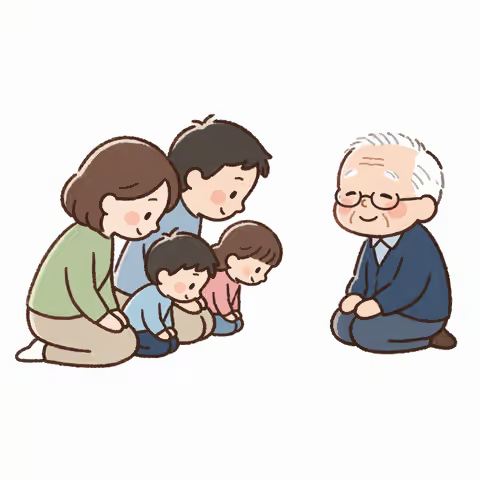
- CJK: 尊 = 尊. 敬 = 敬. Mandarin 尊敬. Canto 尊敬 zyun1 ging3. Same 敬 as 敬语.
- Fun fact: 尊敬されています. Passive: is respected. 尊敬する is the verb. 尊重 is “respect a wish”; 尊敬 is people you look up to.
- Memorize: Family around grandpa, slight bow: 家族みんなに尊敬されています.
- Study tip: 尊敬. Don’t answer 尊重 or 偉い (yesterday).
5. 博物館(はくぶつかん)
museum · museum
Example: 昨日、車の博物館に行った。 — I went to the car museum yesterday.

- CJK: 博 = 博. 物 = 物. 館 = 馆. Mandarin 博物馆. Canto 博物館 bok3 mat6 gun2. 美術館 is art; this is 物.
- Fun fact: 車の博物館. Cars as objects. 博物 = natural/history collections. 館 is the building suffix (図書館, 映画館).
- Memorize: Hall of old cars: 車の博物館に行った.
- Study tip: 博物館. Don’t answer 美術館.
6. スキー(スキー)
ski; skiing · ski
Example: 冬はよくスキーに行きます。 — We go skiing a lot in winter.
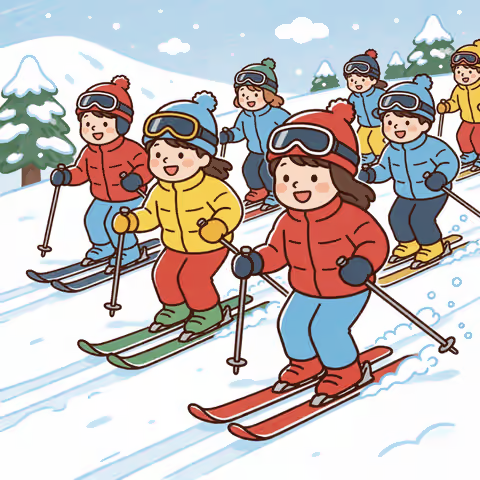
- CJK: Katakana from English ski. Mandarin 滑雪. Canto 滑雪. No kanji on this card.
- Fun fact: スキーに行きます. The sport trip. 滑る is the verb “slide.” スキー場 is the resort.
- Memorize: Winter slope, two skis: 冬はよくスキーに行きます.
- Study tip: スキー. Don’t answer スケート.
7. おかしい(おかしい)
strange; peculiar; suspicious · aneh
Example: 彼の様子がおかしい。 — He's acting strange.
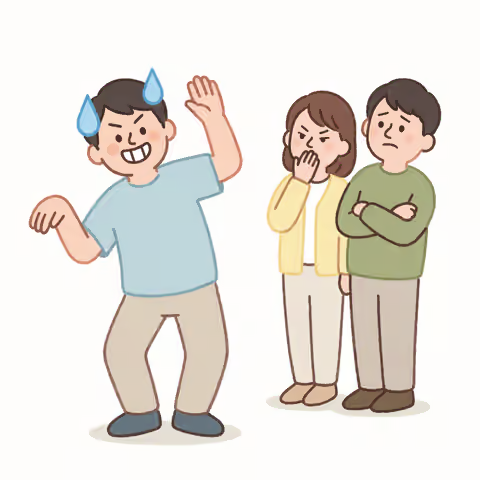
- CJK: Kana. Kanji 可笑しい exists but the card is hiragana. Mandarin 奇怪. Canto 古怪 / 唔妥.
- Fun fact: 様子がおかしい = off, not right. Also “funny ha-ha.” Today is suspicious. 変 is a close twin.
- Memorize: Friend sideways-glancing, something’s off: 様子がおかしい.
- Study tip: おかしい. Don’t answer 面白い if the sentence is 様子.
8. 教授(きょうじゅ)
professor · profesor
Example: 彼は化学の教授です。 — He's a chemistry professor.

- CJK: 教 = 教. 授 = 授. Mandarin 教授. Canto 教授 gaau3 sau6. Same 教 as 教室; 授 = grant (传授).
- Fun fact: 化学の教授. University title. 先生 is any teacher. 教授する can mean “profess / teach” a subject.
- Memorize: Lab coat, chemistry faculty plate: 化学の教授です.
- Study tip: 教授. Don’t answer 先生.
9. 片付ける(かたづける)
put in order; tidy up; dispose of · membereskan, merapikan
Example: 早く部屋を片付けなさい。 — Hurry up and clean up your room.
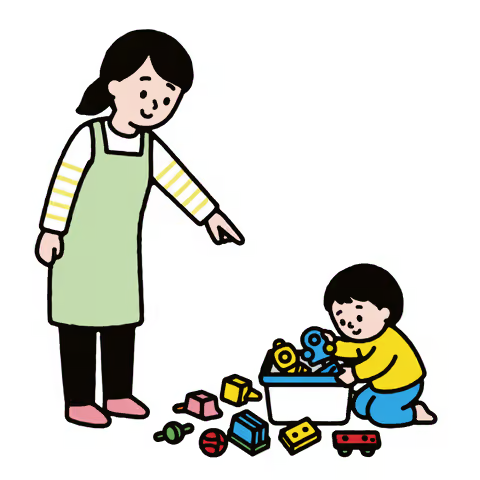
- CJK: 片 = 片. 付 = 付. Mandarin 收拾. Canto 執拾 zap1 sap6. 片付く is intransitive (the room gets tidy).
- Fun fact: 部屋を片付けなさい. You tidy the room. Also “deal with / marry off” in older use. Today is the bedroom.
- Memorize: Parent pointing at a messy room: 部屋を片付けなさい.
- Study tip: 片付ける. Don’t answer 片付く. Transitive: を.
10. カード(カード)
card; credit card · kartu, kartu kredit
Example: 支払いはカードでお願いします。 — Please pay by card.
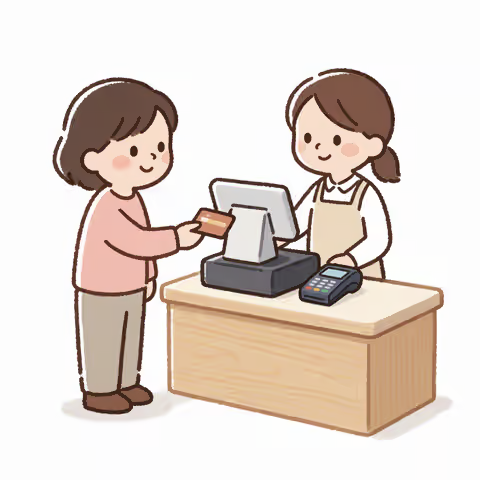
- CJK: Katakana from English card. Mandarin 卡. Canto 卡 / 信用卡. Not 名刺 (business card).
- Fun fact: カードで. Payment. 名刺 is めいし. カード can also be a file card / game card — today is the till.
- Memorize: Card reader at the register: 支払いはカードで.
- Study tip: カード. Don’t answer 現金 or 名刺.
11. 穴(あな)
hole; cavity · lubang
Example: 靴下に穴が開いている。 — There are holes in my socks.
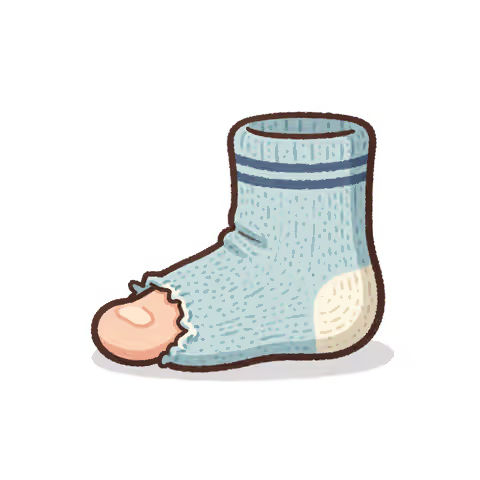
- CJK: 穴 = 穴 xué. Mandarin 穴 is an acupuncture point; a hole in a sock is 洞. JP 穴 is the hole. Canto 窿 lung4*1.
- Fun fact: 穴が開いている. 開く = a hole has opened. 穴 as “weak point” (穴がある) is later. Not 洞.
- Memorize: Sock with a toe peeking through: 靴下に穴が開いている.
- Study tip: 穴. Don’t answer 洞. Reading あな, not けつ.
12. 倒れる(たおれる)
fall over; collapse · roboh, jatuh
Example: 強風で木が倒れた。 — The tree fell in the gale.
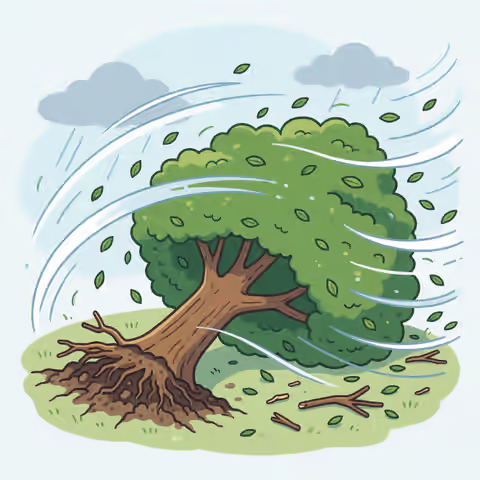
- CJK: 倒 = 倒 dǎo. Mandarin 倒下. Canto 冧 lam3 / 倒. 倒す is knock it down; 倒れる is it falls.
- Fun fact: 木が倒れた. Intransitive. Also a company 倒れる = go under. Today is the tree.
- Memorize: Wind, tree on its side: 強風で木が倒れた.
- Study tip: 倒れる. Don’t answer 倒す.
13. 安全(あんぜん)
safety; security · keselamatan, keamanan
Example: 安全が第一です。 — Safety comes first.

- CJK: 安 = 安. 全 = 全. Mandarin 安全. Canto 安全 on1 cyun4. Same 全 as HSK 全身.
- Fun fact: 安全が第一. Poster Japanese. 安心 is peace of mind; 安全 is not getting hurt. 危険 is the opposite.
- Memorize: Helmet, “safety first” site: 安全が第一です.
- Study tip: 安全. Don’t answer 安心.
14. 週末(しゅうまつ)
weekend · akhir pekan
Example: 週末は家でゆっくりします。 — On the weekend I relax at home.

- CJK: 週 = 周 zhōu. 末 = 末. Mandarin 周末. Canto 週末 zau1 mut6. Same 周 as 星期. 末 = the tip/end.
- Fun fact: 週末は家で. Saturday–Sunday. 週の終わり is literal. Pair with HSK 父母 (weekend visit) — this card is staying in.
- Memorize: Sofa, no alarm: 週末は家でゆっくりします.
- Study tip: 週末. Don’t answer 週 or 土曜日.
15. 立派(りっぱ)
fine; splendid; admirable · terhormat, hebat
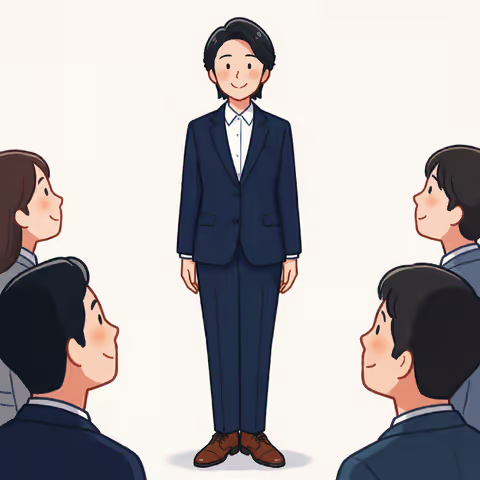
Example: 彼は立派な人です。 — He's a fine man.
- CJK: 立 = 立. 派 = 派. Mandarin 了不起 / 堂堂. Canto 出色. 派 in CN is a faction; JP 立派 is “upright / impressive.”
- Fun fact: 立派な人. Character, not just looks. 立派な家 is a grand house. Always な-adjective.
- Memorize: Someone others point to as a model adult: 立派な人です.
- Study tip: 立派. Don’t answer すごい. Reading りっぱ, not りつは.
16. 外国人(がいこくじん)
foreigner · orang asing
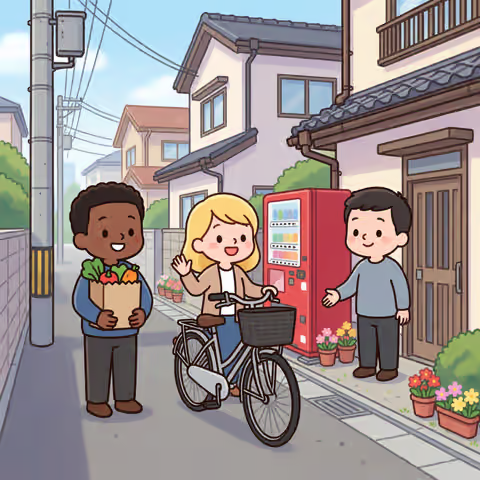
Example: 日本に住む外国人が増えています。 — The number of foreigners living in Japan is increasing.
- CJK: 外 = 外. 国 = 国. 人 = 人. Mandarin 外国人. Canto 外國人. Yesterday 外人 — this is the polite full form.
- Fun fact: 外国人が増えています. Neutral news. Use this, not 外人, in class. 海外 is “overseas.”
- Memorize: Street in Japan, more non-Japanese neighbors: 外国人が増えています.
- Study tip: 外国人. Don’t answer 外人 on this card.
17. 柔道(じゅうどう)
judo · judo
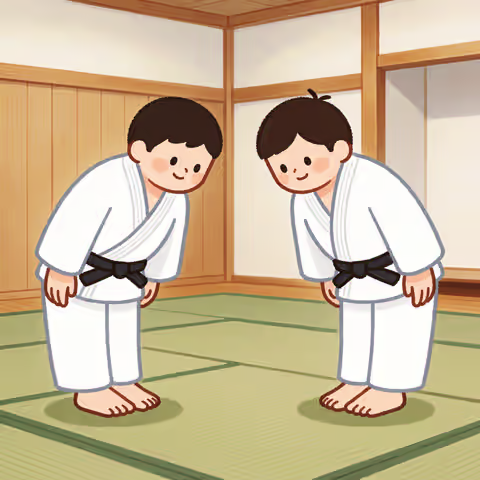
Example: 私は柔道を習っています。 — I'm learning judo.
- CJK: 柔 = 柔 róu. 道 = 道. Mandarin 柔道. Canto 柔道 jau4 dou6. 柔 = soft; 道 = way. Same 道 as 茶道.
- Fun fact: 柔道を習っています. The sport. 空手 is karate. 柔 is “gentle” — yield, then throw.
- Memorize: Dojo, white gi, bow: 柔道を習っています.
- Study tip: 柔道. Don’t answer 空手. Reading じゅうどう, not にゅうどう.
18. 減る(へる)
decrease; diminish · berkurang, menurun
Example: 体重がかなり減りました。 — I've lost a lot of weight.
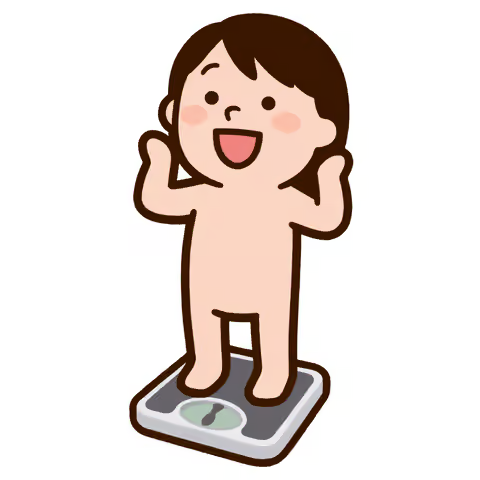
- CJK: 減 = 减 jiǎn. Mandarin 减少. Canto 減 gaam2. 減る intransitive; 減らす is “I cut it.”
- Fun fact: 体重が減りました. The weight went down. 減らす would be diet you apply. Same pair as 倒れる/倒す.
- Memorize: Scale needle lower: 体重が減りました.
- Study tip: 減る. Don’t answer 減らす. が, not を.
19. 例えば(たとえば)
for example · misalnya, contohnya
Example: 例えば、このソフトで日本語を勉強することができます。 — You can use this software to study Japanese, for example.

- CJK: 例 = 例 lì. Mandarin 例如. Canto 例如. Always the ば on this card. 例 is the noun “example.”
- Fun fact: 例えば、… Sentence adverb. 例として is stiffer. たとえ without ば is “even if” in たとえ…ても — different word.
- Memorize: Pointing at one app as the sample: 例えば、このソフトで.
- Study tip: 例えば. Don’t answer 例. Keep the ば.
20. 自動車(じどうしゃ)
automobile · mobil
Example: 彼は自動車会社に就職した。 — He got a job at a car company.

- CJK: 自 = 自. 動 = 动. 車 = 车. Mandarin 汽车. Canto 汽車 is train; car is 汽車/私家車 messily — JP 自動車 is the industry word. 自動 = automatic.
- Fun fact: 自動車会社. Formal/technical. Daily speech is 車. Pair with 博物館 (車の博物館) — same topic, different word.
- Memorize: Factory gate, car-company badge: 自動車会社に就職した.
- Study tip: 自動車. Don’t answer 車 unless that’s the card. 自動 alone is “automatic.”