Anki session
HSK 4
汉语
- New
- 20
- Learn
- 0
- Review
- 147
Session: 20 new remaining of the 20/day cap · 0 learning waiting · 147 reviews due.
Click HSK::Level 4, not the parent HSK. No learning queue, so new cards mix into the 147 reviews.
Session plan
- Nothing in learning. When a new one pops, match it to the number below.
- Result pile: 掉 in 吃掉 (gone, not “fall”), 放弃 the chance, 接着 catch the ball (not “then”), 提出 a question.
- Body/habit: 养成 a reading habit, 全身 fever, 健身 every day, 帽子.
- People/paper: 负责人, 干活儿 at the factory, 父母 this weekend, 身份证 at the hotel.
- Structure: 将来 teacher, 分为 three parts, 另 another one, 整 exactly two hours, 货 just arrived, 大赛, 降落, 猜.
1. 养成(yǎngchéng)
to cultivate; to form (a habit) · membentuk kebiasaan
Example: 你应该养成每天读书的好习惯。 — You should form the good habit of reading every day.
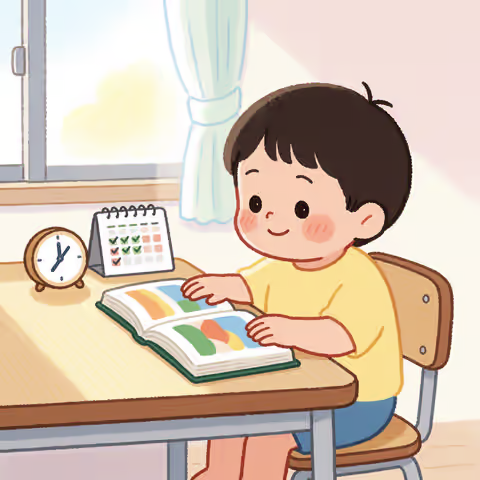
- CJK: 养 = 養 yǎng. 成 = 成. JP 養成(ようせい). Canto 養成 joeng5 sing4. Traditional 養成. Same 养 as 养孩子, but this card is a habit, not a child.
- Fun fact: 养成…习惯 is the frame. 养 alone is raise (pets, kids); 成 locks it as “make it stick.” Not 培养 unless the card says so.
- Memorize: Same chair, same book, every morning: 养成每天读书的好习惯.
- Study tip: 养成. Don’t answer 养 or 习惯 without 成.
2. 掉(diào)
to fall; to drop; (after a verb) off / up / away · jatuh; habiskan
Example: 米饭我都吃掉了。 — I ate up all the rice.
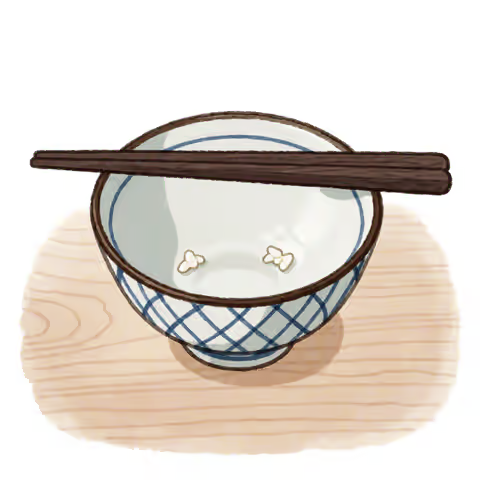
- CJK: 掉 = 掉. JP 落ちる / 捨てる. Canto 跌 dit3 for fall; resultative often 咗. Same 掉 as 掉地下.
- Fun fact: Dictionary lead is “fall.” Today’s sentence is 吃掉: the rice is gone. 忘掉, 扔掉, 卖掉 are the same 掉 = removal.
- Memorize: Empty bowl, last grain gone: 米饭我都吃掉了.
- Study tip: 掉. If the audio is 吃掉, don’t answer 掉下来. If it’s a vase, then fall.
3. 将来(jiānglái)
in the future; the future · masa depan
Example: 将来我想当老师。 — In the future I want to be a teacher.
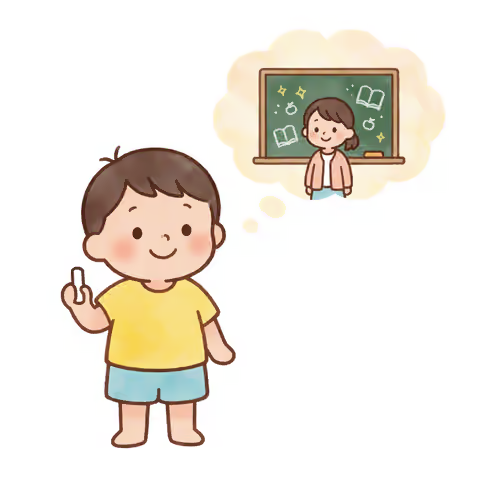
- CJK: 将 = 將 jiāng. 来 = 來. JP 将来(しょうらい). Canto 將來 zoeng1 loi4. Traditional 將來. Same 来 as 回来; here it’s time coming toward you.
- Fun fact: 将来当老师 = life plan. 未来 is more abstract/sci-fi; 将来 is your next chapter. 将来的工作, not 明天.
- Memorize: Kid with a teacher’s chalk, “someday”: 将来我想当老师.
- Study tip: 将来. Don’t answer 未来 or 以后 unless that’s the card.
4. 分为(fēnwéi)
to divide into (parts) · dibagi menjadi
Example: 这本书分为三个部分。 — This book is divided into three parts.

- CJK: 分 = 分. 为 = 為 wéi. JP 分ける. Canto 分為 fan1 wai4. Traditional 分為. Same 分 as 分钟; here it cuts.
- Fun fact: 分为 + number + 部分. Written/textbook. Spoken often 分成. 为 here = “as / into,” not 为了.
- Memorize: Book split into three labeled chunks: 分为三个部分.
- Study tip: 分为. Don’t answer 分开 or 部分.
5. 放弃(fàngqì)
to give up; to abandon · melepaskan; menyerah
Example: 这个机会很好,你别放弃。 — This is a great opportunity; don't give it up.
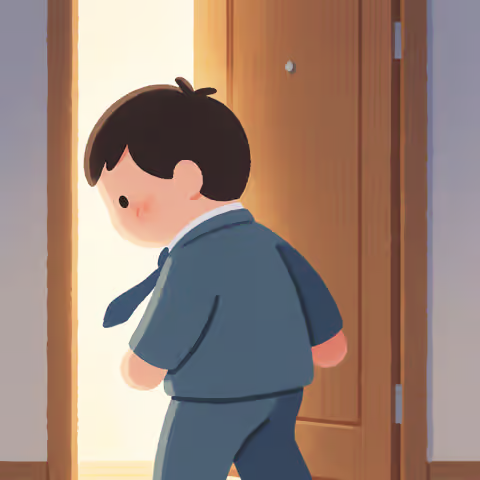
- CJK: 放 = 放. 弃 = 棄 qì. JP 放棄(ほうき). Canto 放棄 fong3 hei3. Traditional 放棄. Same 放 as 放假; 弃 is the “throw away” half.
- Fun fact: 别放弃. Opportunity, diet, exam — you stop trying. 抛弃 is dump a person. 弃权 is forfeit a vote.
- Memorize: Door of a great chance, someone turning away: 你别放弃.
- Study tip: 放弃. Don’t answer 抛弃 or 离开.
6. 货(huò)
goods; commodity · barang
Example: 这些新货今天早上刚到店里。 — These new goods just arrived at the store this morning.

- CJK: 货 = 貨 huò. JP 貨物(かもつ). Canto 貨 fo3. Traditional 貨. Same 贝-shell as money words.
- Fun fact: 新货到店. Stock, not 钱 (the old “money” sense is in compounds like 货币). 货真价实. 交货 is deliver the goods.
- Memorize: Morning boxes at the shop door: 新货刚到店里.
- Study tip: 货. Don’t answer 东西 or 商品 unless that’s the card.
7. 另(lìng)
other; another; separate · yang lain
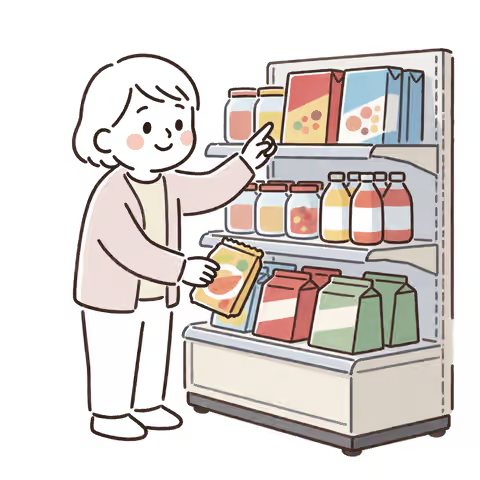
Example: 我想买另一个。 — I want to buy another one.
- CJK: 另 = 另. JP 別に. Canto 另 ling6. Looks a bit like 零 — different word.
- Fun fact: 另一个 = a different one, not 再买一个 (one more of the same). 另外 is the two-syllable cousin. 另想办法.
- Memorize: Two items, finger on the other one: 买另一个.
- Study tip: 另. Don’t answer 再 or 别. 零 is the lookalike.
8. 整(zhěng)
whole; exactly; to put in order · tepat; utuh; merapikan
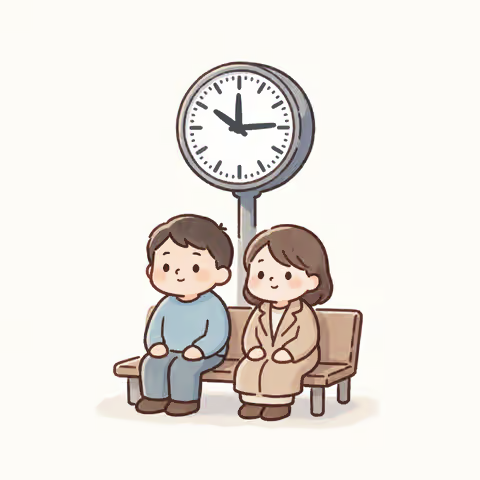
Example: 我们在车站等了整整两个小时。 — We waited at the station for exactly two hours.
- CJK: 整 = 整. JP 整える / 全部. Canto 整 zing2. Same 整 as 整理 / 完整.
- Fun fact: 整整两个小时 = two hours on the nose. 整 can also tidy (整理) or “the whole” (整天). Today is the clock.
- Memorize: Station clock, two hours, nothing leftover: 整整两个小时.
- Study tip: 整. Don’t jump to 整理 or 完整 if the sentence is duration.
9. 负责人(fùzérén)
person in charge · penanggung jawab
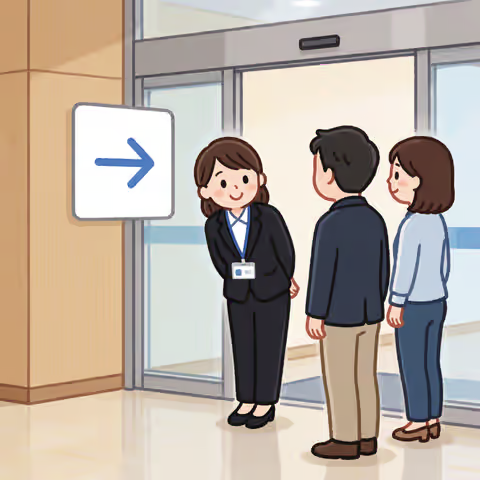
Example: 他是这里的负责人。 — He's the person in charge here.
- CJK: 负 = 負 fù. 责 = 責 zé. 人 = 人. JP 責任者. Canto 負責人 fu6 zaak3 jan4. Traditional 負責人. HSK 负责 is the verb; this card adds 人.
- Fun fact: 这里的负责人. The one who answers. 负责 is “be responsible”; 负责人 is the job title on the door.
- Memorize: Office door plate: 负责人.
- Study tip: 负责人. Don’t answer 负责 or 经理 unless that’s the card.
10. 接着(jiēzhe)
to catch; to continue; then · tangkap; kemudian
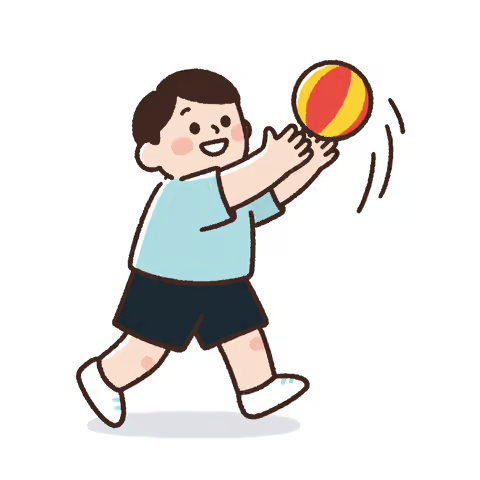
Example: 球飞过来的时候请接着,别让它掉了。 — When the ball comes flying over, please catch it and don't let it fall.
- CJK: 接 = 接. 着 = 著 zhe. JP キャッチ / 続いて. Canto 接住 zip3 zyu6. Traditional 接著. Same 接 as 接受; here the hands close.
- Fun fact: Two lives: 接着讲 = then; today is catch the ball. 接住 is the spoken catch. Pair with 掉.
- Memorize: Ball in the air, hands ready: 请接着,别让它掉了.
- Study tip: 接着. Don’t answer 然后 if the picture is a ball. Don’t answer 掉.
11. 身份证(shēnfènzhèng)
identity card; ID · KTP
Example: 他到酒店才发现没带身份证。 — He only realized he hadn't brought his ID card when he arrived at the hotel.
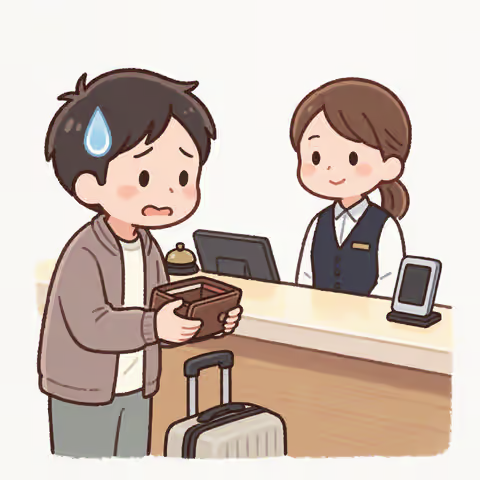
- CJK: 身 = 身. 份 = 份. 证 = 證 zhèng. JP 身分証. Canto 身份證 san1 fan6 zing3. Traditional 身份證. Same 身 as 全身 later.
- Fun fact: 没带身份证. Hotel / train / bank. 护照 is passport. 份 is the “status” syllable (身份), not 分 as in 分为.
- Memorize: Hotel desk, empty wallet slot for the card: 没带身份证.
- Study tip: 身份证. Don’t answer 护照 or 证件.
12. 提出(tíchū)
to put forward; to raise (an issue) · mengajukan
Example: 老师让我们每个人提出一个问题。 — The teacher asked each of us to put forward a question.
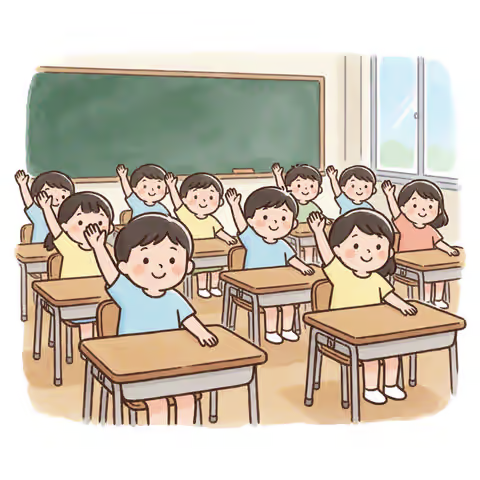
- CJK: 提 = 提. 出 = 出. JP 提出(ていしゅつ). Canto 提出 tai4 ceot1. Same 出 as 发出 yesterday.
- Fun fact: 提出问题. Also 提出意见 / 提出申请. 提问 is “ask in class” as a verb. 提款 is withdraw cash — same 提, different card.
- Memorize: Each student with one question in the air: 提出一个问题.
- Study tip: 提出. Don’t answer 问题 or 提问.
13. 帽子(màozi)
hat; cap; (fig.) label · topi
Example: 他的帽子很好看。 — His hat looks nice.

- CJK: 帽 = 帽. 子 = 子. JP 帽子(ぼうし) — same word. Canto 帽 mou6*2. Traditional 帽子.
- Fun fact: 帽子很好看. Literal hat today. Figurative 扣帽子 = stick a label on someone — not the first hit.
- Memorize: Someone tipping a nice cap: 帽子很好看.
- Study tip: 帽子. Don’t answer 衣服 or 头发.
14. 干活儿(gànhuór)
to work; to do labor · bekerja
Example: 他在工厂干活儿。 — He works at a factory.
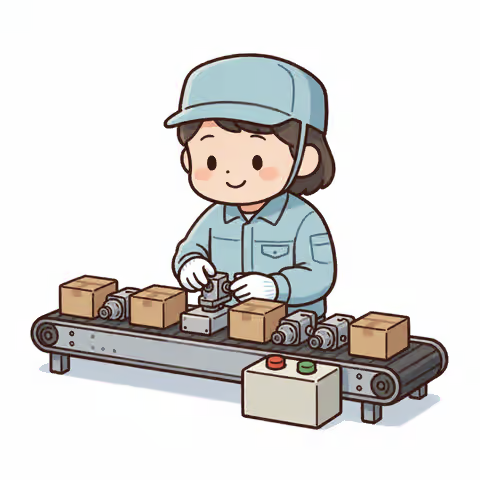
- CJK: 干 = 幹 gàn. 活 = 活. 儿 = 兒. JP 働く. Canto 做嘢 / 做工. Traditional 幹活兒. 儿化 is the spoken north.
- Fun fact: 在工厂干活儿. Hands, not 工作 as a noun on a CV. 干活 is the same without 儿. 活儿 = the jobs to do.
- Memorize: Factory floor, sleeves up: 在工厂干活儿.
- Study tip: 干活儿. Don’t answer 工作 or 上班 unless that’s the card.
15. 猜(cāi)
to guess · tebak
Example: 你猜这是什么。 — Guess what this is.

- CJK: 猜 = 猜. JP 当てる. Canto 估 gu2. Same 青-ish phonetic; not 青.
- Fun fact: 你猜. Game / riddle. 猜测 is formal. 猜对了. Not 怀疑 (yesterday’s doubt).
- Memorize: Hands behind a box: 你猜这是什么.
- Study tip: 猜. Don’t answer 想 or 怀疑.
16. 全身(quánshēn)
the whole body · seluruh tubuh
Example: 昨天晚上我发烧,全身都不舒服。 — I had a fever last night, and my whole body felt unwell.
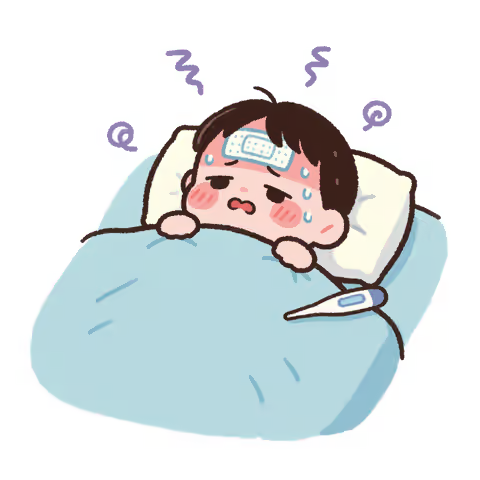
- CJK: 全 = 全. 身 = 身. JP 全身(ぜんしん). Canto 全身 cyun4 san1. Same 身 as 身份证. Same 全 as 安全 on the Japanese sheet.
- Fun fact: 全身不舒服. Head to toe. Typography 全身 is an em-quad — ignore that. 浑身 is the spoken twin.
- Memorize: Fever, whole outline aching: 全身都不舒服.
- Study tip: 全身. Don’t answer 身体 or 发烧.
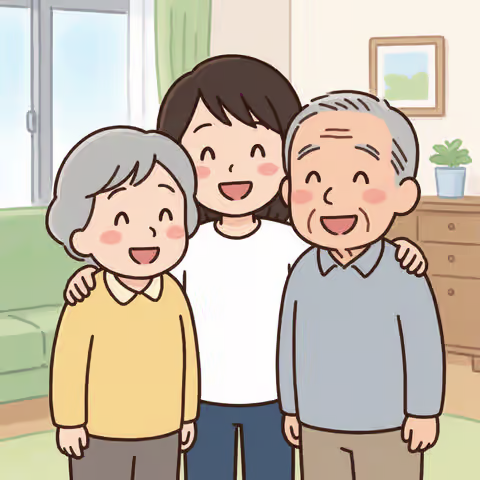
17. 父母(fùmǔ)
father and mother; parents · orang tua
Example: 这个周末我去看父母。 — I'm going to see my parents this weekend.
- CJK: 父 = 父. 母 = 母. JP 父母(ふぼ) exists; people say 両親. Canto 父母 fu6 mou5. Same pair as 爸爸妈妈, more written.
- Fun fact: 看父母. Weekend visit. 家长 is “guardian” at school. 父母 is both, not 父亲 alone.
- Memorize: Weekend bag, two parents at the door: 去看父母.
- Study tip: 父母. Don’t answer 爸爸 or 妈妈 unless the card is one of them.
18. 大赛(dàsài)
grand contest · kompetisi besar
Example: 这次大赛很重要。 — This contest is very important.

- CJK: 大 = 大. 赛 = 賽 sài. JP 大会 / 試合. Canto 大賽 daai6 coi3. Traditional 大賽. Same 赛 as 比赛.
- Fun fact: 大赛 = the big one (歌唱大赛, 编程大赛). 比赛 is any match. 赛 is the contest half.
- Memorize: Big trophy, packed hall: 这次大赛很重要.
- Study tip: 大赛. Don’t answer 比赛 unless that’s the card.
19. 降落(jiàngluò)
to descend; to land · mendarat
Example: 飞机马上要降落了。 — The plane is about to land.

- CJK: 降 = 降 jiàng. 落 = 落. JP 着陸(ちゃくりく). Canto 降落 gong3 lok6. Same 落 as 落后; here the plane comes down.
- Fun fact: 飞机降落. 下降 is “go down” in general; 着陆 is the runway word in news. HSK wants 降落.
- Memorize: Plane wheels almost on the runway: 马上要降落了.
- Study tip: 降落. Don’t answer 下降 or 下飞机.
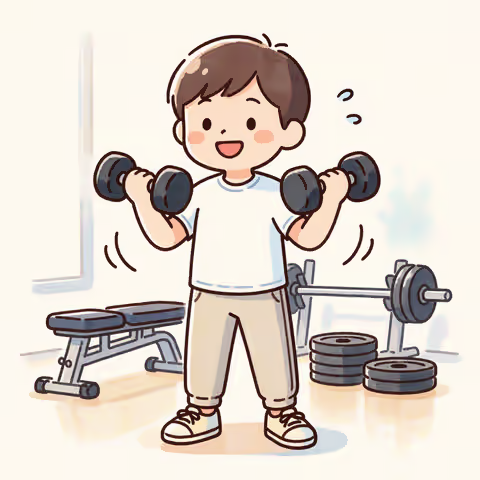
20. 健身(jiànshēn)
to work out; to keep fit · berolahraga; fitness
Example: 他每天去健身。 — He goes to work out every day.
- CJK: 健 = 健. 身 = 身. JP フィットネス; 健身 is the Chinese gym word. Canto 健身 gin6 san1. Third 身 today with 身份证 / 全身.
- Fun fact: 去健身 = gym / workout. 锻炼 is broader exercise. 健 is the “healthy” half (健康).
- Memorize: Daily gym bag, same hour: 每天去健身.
- Study tip: 健身. Don’t answer 锻炼 or 运动 unless that’s the card.