Anki session
Cantonese 2
廣東話
- New
- 20
- Learn
- 0
- Review
- 84
Session: 20 new remaining of the 20/day cap · 0 learning waiting · 84 reviews due.
Click Cantonese::Level2, not Level1. Level1 is review-only now. Learning is empty today: new cards mix into the 84 reviews.
This is a third sheet for today (HSK is 2026-09-15.md, Japanese is 2026-09-15-japanese-level2.md).
Session plan
- No learning queue. The 84 reviews are yesterday’s and older Level2 cards.
- Mood pile: 脾氣 bad temper, 驚訝 since day one, 悶 stuck at home, 唔通 rhetorical shock, 係啦 yes that’s it.
- Choose/money: 揀 which one, 貴 extra deposit, 禮物 birthday, 跑 here is 跑數 (raise funds), not running.
- Daily: 巴士 to work, 門 fridge door, 國旗, 我行 (walk and “I can manage”).
- Grammar crumbs: 人一 + V = as soon as people…, 如 like your brother, 部份, 嗯, Hi.
- Family/table: 生仔, 腳 in the sentence is a mahjong hand, not the leg.
1. 脾氣(pei4 hei3)
temperament; temper · watak; temperamen
Example: 佢脾氣好差,成日發脾氣。 — He has a bad temper and often gets angry.

- CJK: 脾 = 脾 pí. 氣 = 气. Mandarin 脾气. JP 気性. Traditional 脾氣. Same 气 as 生气.
- Fun fact: 發脾氣 = lose it. 脾氣好 / 差 is the standing setting. Not 性格 (broader personality).
- Memorize: Steam out the ears, then 發脾氣: 脾氣好差.
- Study tip: 脾氣. Don’t answer 生氣 unless that’s the card.
2. 揀(gaan2)
to choose; to pick; to sort · memilih; memilah
Example: 我唔知要揀邊個。 — I don't know which one to choose.

- CJK: 揀 = 拣 jiǎn. Mandarin 拣 / 选. JP 選ぶ. Traditional 揀. Same 柬 phonetic family as 柬埔寨, different word.
- Fun fact: 揀邊個. Everyday pick. 選擇 is the formal noun/verb. 執 is pick up off the floor.
- Memorize: Two options, frozen finger: 唔知要揀邊個.
- Study tip: 揀. Don’t answer 選 unless that’s the card.
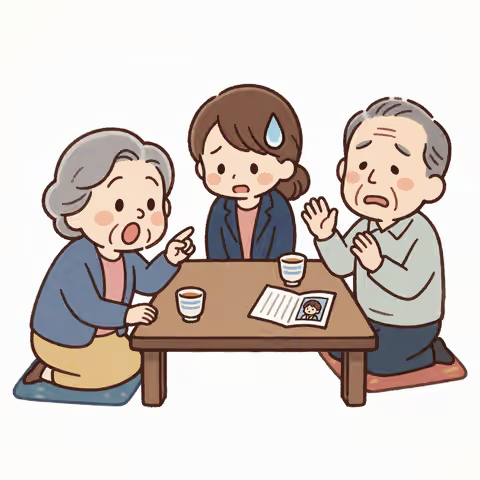
3. 唔通(m4 tung1)
could it be; surely not · masa sih; jangan-jangan
Example: 你唔肯佢嫁唐叔個仔,唔通想個女做剩女? — You won't let her marry Uncle Tang's son — surely you want her to stay unmarried?
- CJK: 唔 = 唔. 通 = 通. Mandarin 难道. JP まさか. 唔 is Canto “not.” Same 通 as 交通, here “it can’t be that…”
- Fun fact: 唔通…? Rhetorical: you can’t mean that. Not 唔 + 通街. Indonesian on the card is the leftover-daughter reading.
- Memorize: Relative arguing marriage, 唔通…? face.
- Study tip: 唔通. Don’t answer 難道 or 唔.
4. 我行(ngo5 haang4)
I'm fine; I can manage; (also) I walk · saya kuat; saya bisa
Example: 我行到兩條腳好痠。 — I walked until my legs were very tired.

- CJK: 我 = 我. 行 = 行. Mandarin 我行 = “I’m capable” or 走. JP 歩ける. Canto 行 haang4 = walk / be capable. Not hong4 (industry) or hang4 (row).
- Fun fact: Gloss is 我得、我得掂. The sentence is walking. Same 行, two lives. 我好行 = I’m good at this.
- Memorize: Long road, sore legs: 我行到兩條腳好痠. Also a thumbs-up 我行 for the gloss.
- Study tip: 我行. Don’t answer 走. Reading haang4.
5. 巴士(baa1 si2)
bus · bus
Example: 我每日搭巴士返工。 — I take the bus to work every day.

- CJK: 巴 = 巴. 士 = 士. From English bus. Mandarin 公共汽车 / 巴士. JP バス. HK default public bus.
- Fun fact: 搭巴士. 小巴 is minibus. 巴士站. Not 公車 (Taiwan).
- Memorize: Red/cream HK bus to work: 每日搭巴士返工.
- Study tip: 巴士. Don’t answer 的士.
6. 門(mun4)
door; gate; entrance · pintu; gerbang
Example: 閂咗雪櫃門! — Close the fridge door!

- CJK: 門 = 门 mén. JP 門(もん / ドア). Traditional 門. Classifier 度 / 扇.
- Fun fact: 雪櫃門. Any door, including fridge. 開門 / 閂門. 後門 is the back door / a backchannel.
- Memorize: Fridge hanging open, yell: 閂咗雪櫃門.
- Study tip: 門. Don’t answer 窗.
7. 國旗(gwok3 kei4)
national flag · bendera nasional
Example: 升旗禮嗰陣,國旗慢慢升上去。 — During the flag-raising ceremony, the national flag rises slowly.

- CJK: 國 = 国. 旗 = 旗. Mandarin 国旗. JP 国旗(こっき). Traditional 國旗.
- Fun fact: 升旗禮. School / official. 旗 is any flag; 國旗 is the one. 區旗 is the regional flag.
- Memorize: Pole, flag climbing slowly: 國旗慢慢升上去.
- Study tip: 國旗. Don’t answer 旗 alone.
8. 跑(paau2)
to run; to raise money · berlari; menggalang dana
Example: 佢成日要幫公司跑數,壓力好大。 — He often has to raise money for the company, under great pressure.

- CJK: 跑 = 跑 pǎo. Mandarin 跑. JP 走る. Canto 跑 paau2. Same character; today is 跑數, not the track.
- Fun fact: 跑數 = chase invoices / raise funds. 跑步 is jog. Dictionary lists both; the sentence is work pressure.
- Memorize: Office, chasing payments, sweat: 幫公司跑數.
- Study tip: 跑. Don’t answer 走 or 跑步 if you hear 跑數.
9. 驚訝(ging1 ngaa6)
surprised; astonished · terkejut; heran
Example: 我由第一日開始已經有啲驚訝。 — I've been a bit surprised since day one.

- CJK: 驚 = 惊 jīng. 訝 = 讶 yà. Mandarin 惊讶. JP 驚訝 / 驚く. Traditional 驚訝. Same 驚 as 使乜驚 yesterday.
- Fun fact: 有啲驚訝. Milder than 嚇親. Written-ish; spoken often 好意外 / 嚇一跳.
- Memorize: Day-one face, eyebrows up: 由第一日開始已經有啲驚訝.
- Study tip: 驚訝. Don’t answer 驚 or 怕.
10. 係啦(hai6 laa1)
yes, that’s it; it is so · ya, memang begitu
Example: 我哋行到呢一步,簡單講一句:係啦。 — We've come this far, so let me just say briefly: yes, it is so.

- CJK: 係 = 系 / 是. 啦 = 啦. Mandarin 是啊 / 对了. JP そうだよ. 係 is Canto “to be.” 啦 softens/affirms.
- Fun fact: 係啦. Agreement you’ve already reached. Not 係咪 (question). Pair with yesterday 一步.
- Memorize: Nod, palm down, “yes, that”: 係啦.
- Study tip: 係啦. Don’t answer 係 or 好 without 啦 if that’s the card.
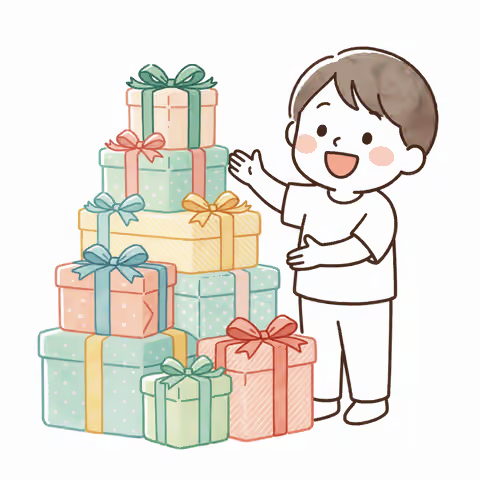
11. 禮物(lai5 mat6)
gift; present · hadiah
Example: 生日嗰日我收到好多禮物。 — I received many gifts on my birthday.
- CJK: 禮 = 礼 lǐ. 物 = 物. Mandarin 礼物. JP 贈り物. Traditional 禮物. Same 物 as JP 博物館.
- Fun fact: 收到禮物. 禮 is the courtesy half (禮貌 yesterday in HSK). 贈品 is a freebie.
- Memorize: Birthday pile of wrapped boxes: 收到好多禮物.
- Study tip: 禮物. Don’t answer 禮 or 生日.
12. 悶(mun6)
bored; stifled; depressed · bosan; sedih
Example: 成日喺屋企好悶。 — Staying home all the time is boring.

- CJK: 悶 = 闷 mèn. Mandarin 闷. JP 退屈. Traditional 悶. 悶熱 is muggy; today is boredom.
- Fun fact: 好悶. Nothing to do. 悶到抽筋. 煩 is annoyed; 悶 is empty-bored.
- Memorize: Sofa, clock, nothing on: 喺屋企好悶.
- Study tip: 悶. Don’t answer 煩. Tone mun6, not 門 mun4.
13. Hi(Hi)
hello; hi · halo; hai
Example: Hi,你好! — Hi, hello!

- CJK: English loan, said as English. Mandarin 嗨. JP ハイ / こんにちは. HK answers the phone / waves with Hi.
- Fun fact: 兩個 Hi 疊埋都得. Not 喂 (phone 喂 wai2). The card is the Latin letters.
- Memorize: Wave, casual Hi: Hi,你好.
- Study tip: Hi. Don’t answer 喂 or 早晨 unless that’s the card.
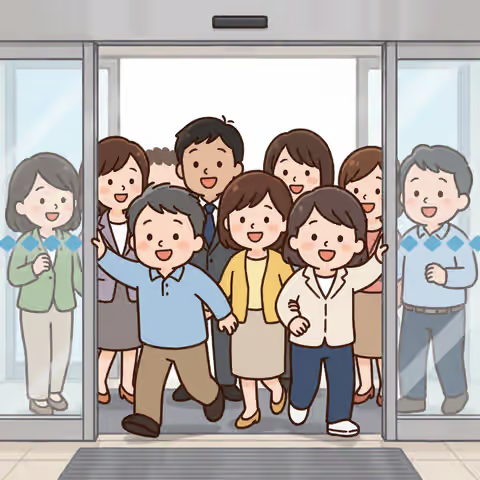
14. 人一(jan4 jat1)
as soon as people…; a group · sekelompok orang; begitu orang…
Example: 人一入嚟,佢哋就開門。 — As soon as the group entered, they opened the door.
- CJK: 人 = 人. 一 = 一. Mandarin 人一进来. JP 人が入るとすぐに. Not a frozen noun “congregation” first — it’s 人 + 一 + V.
- Fun fact: 人一入嚟. Pattern: the moment people V. Deck gloss says “group”; the example is the 一 = as soon as.
- Memorize: Doors opening the instant the crowd arrives: 人一入嚟就開門.
- Study tip: 人一. Don’t answer 人 or 一 separately. Don’t answer 一班人 unless that’s the card.
15. 貴(gwai3)
expensive; noble · mahal; mulia
Example: 仲貴啲?你已經收咗我多一個月按金! — More expensive? You've already taken an extra month's deposit!

- CJK: 貴 = 贵 guì. JP 高い / 貴い. Traditional 貴. Same 贵 as 贵姓 (honorific).
- Fun fact: 仲貴啲. Rent argument. 貴 as “honorable” (貴客) is the other life. Today is the price.
- Memorize: Landlord, extra month’s deposit: 仲貴啲?
- Study tip: 貴. Don’t answer 平 (cheap) or 貴姓.
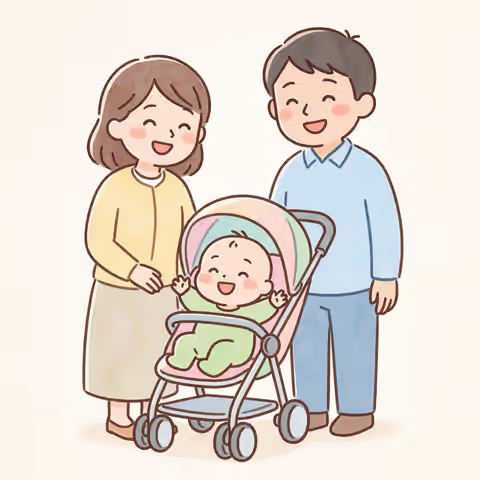
16. 生仔(saang1 zai2)
to have a son; to have a baby · punya anak laki-laki
Example: 佢哋想生仔傳宗接代。 — They want to have a son to carry on the family line.
- CJK: 生 = 生. 仔 = 仔. Mandarin 生儿子. JP 男の子を産む. 仔 = kid (HK). 生女 is a daughter.
- Fun fact: 生仔傳宗接代. Old preference framed on the card. 仔 can be any kid in 細路仔; here it’s the son reading.
- Memorize: Family hoping for a boy: 想生仔傳宗接代.
- Study tip: 生仔. Don’t answer 生 or 仔. 生 pronounced saang1, not 生日’s sang1 only — this is saang1.
17. 部份(bou6 fan6)
part; section; portion · bagian; seksi
Example: 呢本書分為三個部份,每部份都好精彩。 — This book is divided into three parts, each very exciting.

- CJK: 部 = 部. 份 = 份. Mandarin 部分 (often 分 fen0). JP 部分(ぶぶん). Traditional 部份. Pair with HSK 分为.
- Fun fact: 三個部份. HK likes 部份 with 亻份. 部分 is the same meaning. Not 部門 (department).
- Memorize: Book in three stacked blocks: 分為三個部份.
- Study tip: 部份. Don’t answer 部分 as a “wrong character” trap — same idea; say 部份 for this card.
18. 嗯(m6 / ng6)
hmm; yeah (acknowledgment) · hmm
Example: 嗯,我喺度聽緊,你繼續。 — Hmm, I'm listening to you, go on.

- CJK: 嗯 = 嗯 ǹg / en. Mandarin 嗯. JP うん. Written filler for a closed-mouth yes.
- Fun fact: 嗯 as “go on, I hear you.” Not 唔 m4 (not). Same mouth-shape, opposite job.
- Memorize: Phone to ear, nodding 嗯: 我喺度聽緊.
- Study tip: 嗯. Don’t answer 唔. Don’t answer 係.
19. 如(jyu4)
as; as if; like · seperti; seolah-olah
Example: 你要如你哥哥咁努力。 — You should work hard like your brother.

- CJK: 如 = 如 rú. Mandarin 如 / 如同. JP 如し. Written. Spoken HK often 好似.
- Fun fact: 如你哥哥咁. 如果 is “if” (如 + 果). Today is comparison, not if. 如意 is a different compound.
- Memorize: Pointing at big brother as the model: 如你哥哥咁努力.
- Study tip: 如. Don’t answer 如果 or 好似 unless that’s the card.
20. 腳(goek3)
leg; foot; (mahjong) a hand/round · kaki; ronde (mahjong)
Example: 佢麻雀好勁,從未輸過一腳。 — He's good at mahjong, never loses a round.
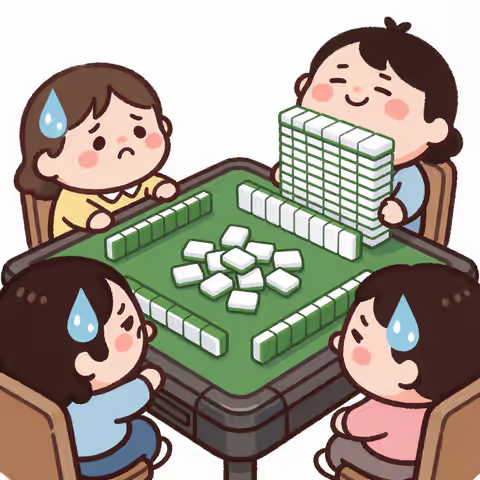
- CJK: 腳 = 脚 jiǎo. JP 足 / 脚. Traditional 腳. Body 腳 is the limb. Today’s 一腳 is a round of 麻雀.
- Fun fact: 輸過一腳. Table-game classifier. 跑步用腳 is the body. Dictionary lists both; the sentence is the table.
- Memorize: Mahjong table, never lost 一腳: 從未輸過一腳.
- Study tip: 腳. Don’t answer 足 or 腿 if you hear 麻雀.