Anki session
Japanese 2
日本語
- New
- 20
- Learn
- 0
- Review
- 24
Session: 20 new remaining of the 20/day cap · 0 learning waiting · 24 reviews due.
Click Japanese::Level2, not Level1. Level1 is review-only now. Yesterday’s new cards are in the 24 reviews; today’s twenty still mix in.
This is a second sheet for today (HSK is 2026-09-14.md). Do not mix the decks in one Anki session.
Session plan
- Twenty-four reviews from Level2 already — clear those as they come, then the new pile.
- Motion/hands: 渡る the bridge, 預かる luggage, 折る a bone (not origami).
- People pile: 外人 (外国人 is politer), 国際 conference, 紹介 the girlfriend, 偉い scholar.
- Sport/food: 泳ぐ / テニス / ケーキ. Yesterday had 水泳 — today is the verb 泳ぐ.
- 気に入る the new shoes. 仕方 = how to download. 受け付ける mail until five. 電話 is でんわ, not 打电话.
1. 渡る(わたる)
cross; go across · menyeberang
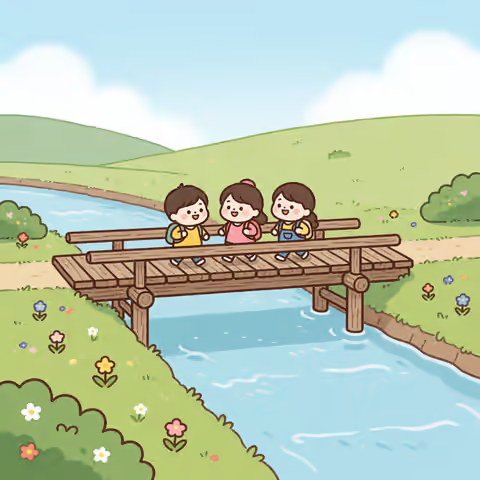
Example: 私たちは歩いて橋を渡った。 — We walked over the bridge.
- CJK: 渡 = 渡 dù. Mandarin 渡过 / 过桥. Canto 渡過 dou6 gwo3. Same 渡 as 渡船.
- Fun fact: 橋を渡った. Intransitive: you cross. 渡す is hand something over. 渡辺 is the surname, not this card.
- Memorize: Walking across a wooden bridge: 歩いて橋を渡った.
- Study tip: 渡る. Don’t answer 渡す or 横断.
2. 預かる(あずかる)
take charge of; keep for someone · menerima titipan, menjaga
Example: 荷物を預かってください。 — Please take care of the luggage.

- CJK: 預 = 預 yù. Mandarin 寄存 / 保管. JP 預かる vs 預ける. Canto 寄存.
- Fun fact: 預かってください = you hold my bag. 預ける is “I leave it with you.” Direction trap, same 預.
- Memorize: Cloakroom, bag over the counter: 荷物を預かってください.
- Study tip: 預かる. Don’t answer 預ける.
3. 活動(かつどう)
activity · kegiatan
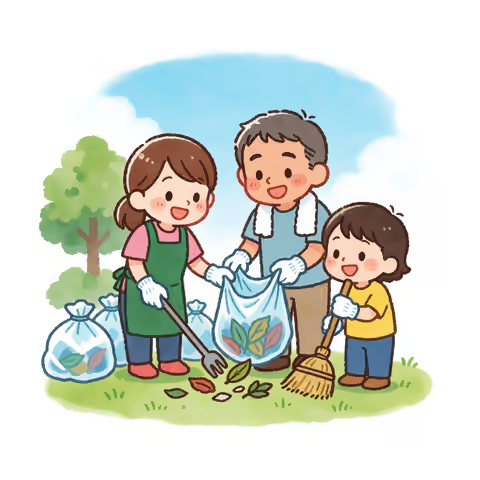
Example: 彼は地域の活動に参加した。 — He took part in local activities.
- CJK: 活 = 活. 動 = 动. Mandarin 活动. Canto 活動 wut6 dung6. Same 活 as 生活.
- Fun fact: 地域の活動. Community events, not “campaign” only. 活動する is the verb. HSK 活动 is the twin.
- Memorize: Neighborhood cleanup / festival: 地域の活動に参加した.
- Study tip: 活動. Don’t answer 運動.
4. 外人(がいじん)
foreigner · orang asing
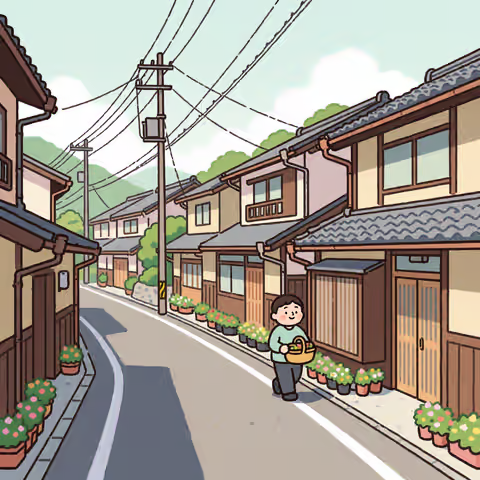
Example: この町には外人が少ない。 — There are few foreigners in this town.
- CJK: 外 = 外. 人 = 人. Mandarin 外国人. Canto 外人 / 外國人. JP 外国人 is the polite full form.
- Fun fact: 外人が少ない. 外人 is blunt; 外国人 is what you write. 海外 is “overseas.”
- Memorize: Small town street, almost no visitors: 外人が少ない.
- Study tip: 外人. Don’t answer 外国人 unless that’s the card — but don’t use 外人 in a polite sentence.
5. 国際(こくさい)
international · internasional
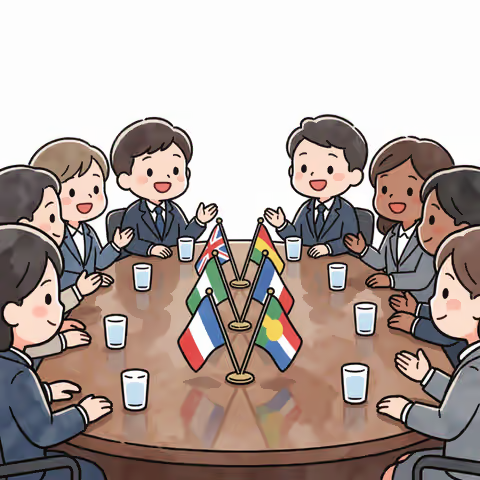
Example: ここで国際会議が開かれます。 — An international conference is going to be held here.
- CJK: 国 = 國. 際 = 际 jì. Mandarin 国际. Canto 國際 gwok3 zai3. Traditional 國際. Same 际 as 实际.
- Fun fact: 国際会議が開かれます. 開く = hold (an event). Cluster with 外人.
- Memorize: Flags around a conference table: 国際会議が開かれます.
- Study tip: 国際. Don’t answer 世界.
6. 折る(おる)
break; fold · mematahkan, melipat
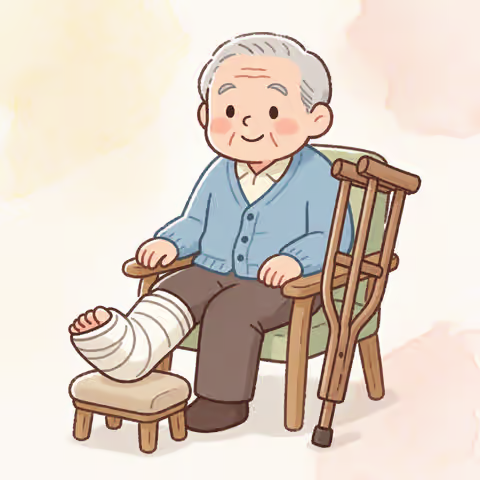
Example: 祖父は足の骨を折りました。 — My grandfather broke a bone in his foot.
- CJK: 折 = 折 zhé. Mandarin 折 / 骨折. Canto 折 zit3. HSK 打折 is the other 折.
- Fun fact: 骨を折りました. Transitive 折る; 折れる is “it snaps.” 折り紙 is fold. Today is the bone.
- Memorize: Grandpa with a foot cast: 足の骨を折りました.
- Study tip: 折る. Don’t answer 折れる or 折り紙.
7. 気に入る(きにいる)
like; be pleased with · menyukai, berkenan
Example: 新しい靴がとても気に入りました。 — I really like my new shoes.

- CJK: 気 = 气 / 氣. 入 = 入. Mandarin 喜欢 / 看上. Canto 鍾意. Phrase, not 気 + 入 separately.
- Fun fact: 靴が気に入りました. が, not を. 気に入る = it entered your 気. Yesterday 合う was shoes that fit; today they please you.
- Memorize: New shoes, happy face in the mirror: 靴がとても気に入りました.
- Study tip: 気に入る. Don’t answer 好き or 合う.
8. 準備(じゅんび)
preparation · persiapan
Example: 明日の会議の準備をした。 — I prepared for tomorrow's meeting.

- CJK: 準 = 准 zhǔn. 備 = 备. Mandarin 准备. Canto 準備 zeon2 bei6. Traditional 準備.
- Fun fact: 会議の準備をした. する-verb. Pair with 国際 会議. 用意 is close; 準備 is the textbook word.
- Memorize: Stacking papers for tomorrow’s meeting: 会議の準備をした.
- Study tip: 準備. Don’t answer 用意 unless that’s the card.
9. ケーキ(ケーキ)
cake · kue
Example: 誕生日にケーキを食べました。 — We ate cake on his birthday.

- CJK: Katakana. Mandarin 蛋糕. Canto 蛋糕 daan6 gou1. Loan from English cake.
- Fun fact: 誕生日にケーキ. Katakana food. ケーキを食べる, not ケーキを飲む.
- Memorize: Birthday candles on a round cake: 誕生日にケーキを食べました.
- Study tip: ケーキ. Don’t answer お菓子.
10. 泳ぐ(およぐ)
swim · berenang
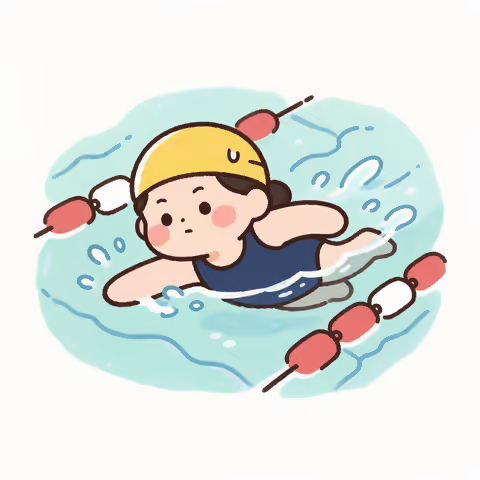
Example: 彼女はダイエットのために泳いでいる。 — She swims to lose weight.
- CJK: 泳 = 泳. Mandarin 游泳. Canto 游水 jau4 seoi2. Same 泳 as yesterday 水泳.
- Fun fact: ダイエットのために泳いでいる. Verb; 水泳 is the sport noun from yesterday. 泳ぐ / 泳ぐ人.
- Memorize: Laps in a pool, slim-goal thought: ダイエットのために泳いでいる.
- Study tip: 泳ぐ. Don’t answer 水泳.
11. 紹介(しょうかい)
introduction · perkenalan
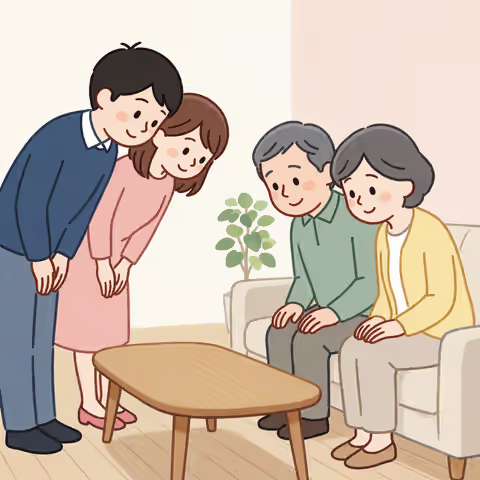
Example: 両親に彼女を紹介した。 — I introduced my girlfriend to my parents.
- CJK: 紹 = 绍 shào. 介 = 介. Mandarin 介绍. Canto 介紹 siu6 gaai3. Traditional 介紹. Same 介 as 介绍.
- Fun fact: 彼女を紹介した. に = to whom. Cantonese sheet has 女朋友 later today — same scene, other language.
- Memorize: Parents on the sofa, girlfriend bowing: 両親に彼女を紹介した.
- Study tip: 紹介. Don’t answer 紹介する as two answers; the word is 紹介.
12. 絵(え)
picture; painting · gambar, lukisan
Example: これは有名な画家の絵です。 — This is a painting by a famous painter.

- CJK: 絵 = 绘 huì. Mandarin 画. Canto 畫 waa2. JP simplified 絵. Yesterday HSK 幅 was the classifier for this object.
- Fun fact: 画家の絵. 絵を描く. 写真 is a photo. 絵画 is more formal.
- Memorize: Gallery, famous-painter frame: 有名な画家の絵です.
- Study tip: 絵. Don’t answer 写真 or 画.
13. テニス(テニス)
tennis · tenis
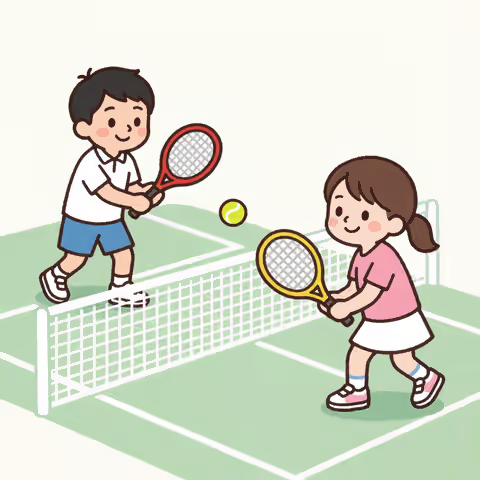
Example: 彼らはよくテニスをしています。 — They often play tennis.
- CJK: Katakana. Mandarin 网球. Canto 網球 mong5 kau4. する-sport.
- Fun fact: テニスをしています. Cluster with 泳ぐ. 野球 was yesterday’s うまい card.
- Memorize: Two people hitting across a net: よくテニスをしています.
- Study tip: テニス. Don’t answer 野球.
14. 結果(けっか)
result; outcome · hasil
Example: 試合の結果を早く知りたい。 — I want to know soon the results of the game.
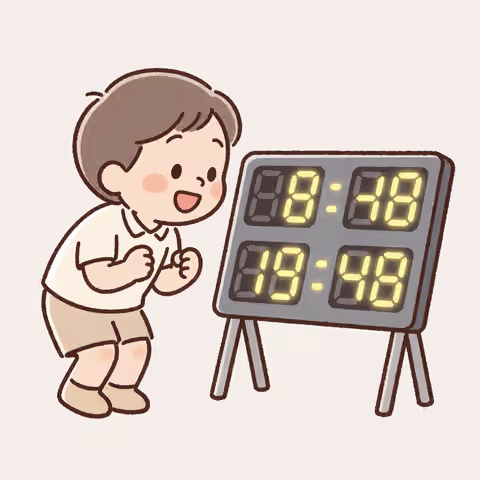
- CJK: 結 = 结. 果 = 果. Mandarin 结果. Canto 結果 git3 gwo2. Same 果 as 水果 — not this sense.
- Fun fact: 試合の結果. Sports scoreboard. その結果 is “as a result.” Pair with 段階 next.
- Memorize: Checking a match score: 試合の結果を早く知りたい.
- Study tip: 結果. Don’t answer 終わり.
15. 段階(だんかい)
stage · tahap
Example: この段階では、決断するのはまだ早い。 — At this stage, it is still early to decide.
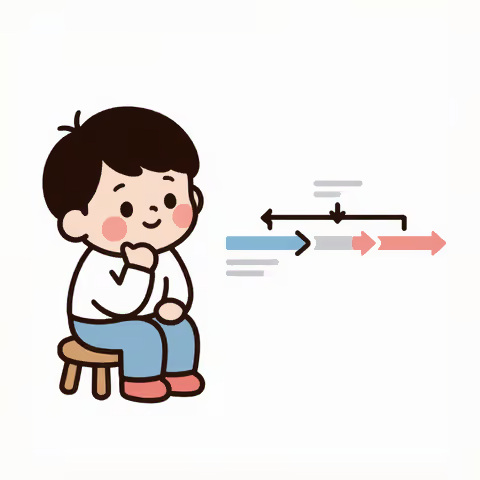
- CJK: 段 = 段 duàn. 階 = 阶. Mandarin 阶段. Canto 階段 daan6 gaai1. Same 段 as 手段.
- Fun fact: この段階では. Project phase, not 階段 (stairs — different word, same 段). 第一段階.
- Memorize: Calendar of project steps, “too soon to decide”: この段階ではまだ早い.
- Study tip: 段階. Don’t answer 階段.
16. 非常に(ひじょうに)
very; extremely · sangat, amat
Example: これは非常に重要です。 — This is very important.
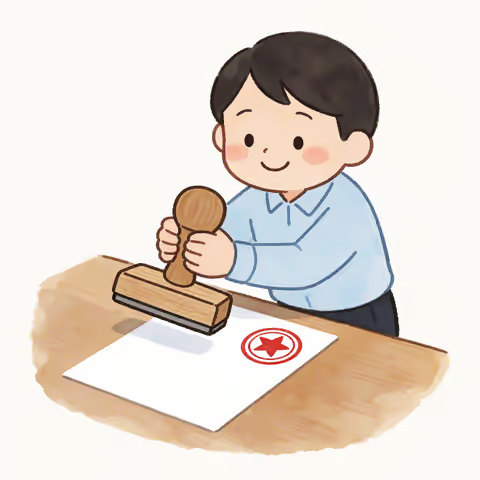
- CJK: 非 = 非. 常 = 常. Mandarin 非常. Canto 非常 fei1 soeng4. HSK 非常 is the twin; JP needs に.
- Fun fact: 非常に重要. Adverb. 非常口 is “emergency exit” (different 非常). とても is casual; 非常に is stiff/formal.
- Memorize: Red stamp IMPORTANT on a document: 非常に重要です.
- Study tip: 非常に. Don’t answer とても or 非常口.
17. 偉い(えらい)
great; eminent; (also) good for you · hebat, terkemuka
Example: 彼は偉い学者です。 — He's a great scholar.

- CJK: 偉 = 伟 wěi. Mandarin 伟大. Canto 偉大 wai5 daai6. JP い-adjective.
- Fun fact: 偉い学者. Also spoken: 偉いね! to a kid who did the chores. Today is the scholar.
- Memorize: Professor with a tower of books: 偉い学者です.
- Study tip: 偉い. Don’t answer 有名 or すごい.
18. 仕方(しかた)
way; method · cara
Example: ファイルのダウンロードの仕方が分かりません。 — I don't know how to download the file.

- CJK: 仕 = 仕. 方 = 方. Mandarin 做法 / 方法. Canto 方法. 仕方がない is “it can’t be helped” — not today’s sentence.
- Fun fact: ダウンロードの仕方. How-to. 方法 is Sino-JP; 仕方 is the everyday “how you do it.”
- Memorize: Laptop, confused at the download button: 仕方が分かりません.
- Study tip: 仕方. Don’t answer 仕方がない unless that’s the card.
19. 受け付ける(うけつける)
receive; accept (applications, mail) · menerima
Example: 郵便物は5時まで受け付けています。 — We accept mail until five o'clock.

- CJK: 受 = 受. 付 = 付. Mandarin 受理 / 受付. Canto 接受. Noun 受付 is the desk.
- Fun fact: 5時まで受け付けています. Counter hours. 受け付ける vs 受け取る (take in the hand).
- Memorize: Post office clock at 5, last parcel: 5時まで受け付けています.
- Study tip: 受け付ける. Don’t answer 受付 or 受け取る.
20. 電話(でんわ)
telephone; phone call · telepon
Example: あとで電話します。 — I will call you later.

- CJK: 電 = 电. 話 = 话. Mandarin 电话. Canto 電話 din6 waa2 — already a Cantonese champion. JP する-verb.
- Fun fact: あとで電話します. Not 電話をかけます on this card (that’s also valid JP). 打电话 is Mandarin; here just 電話します.
- Memorize: Wave, phone later: あとで電話します.
- Study tip: 電話. Don’t answer 打电话 or スマホ.