Anki session
HSK 4
汉语
- New
- 20
- Learn
- 0
- Review
- 117
Session: 20 new remaining of the 20/day cap · 0 learning waiting · 117 reviews due.
Click HSK::Level 4, not the parent HSK. No learning queue, so new cards mix into the 117 reviews.
Session plan
- Nothing in learning. When a new one pops, match it to the number below.
- Message pile: 发出 a notice (also “make a sound”), 短信, 转发 an email.
- School pile: 祝贺 the exam, 日记, 再次 check homework, 停止 talking, 重点, 分数, 读者.
- 两本书, never 二本. 开玩笑 is the whole verb. 敢 = don’t dare tell her.
- Shop: 打折. Manners: 礼貌 / 点头. 文字 today is written characters a child knows, not “essay.”
1. 发出(fāchū)
to issue; to send out; to produce (a sound) · mengeluarkan; mengirim
Example: 公司发出了通知。 — The company issued a notice.
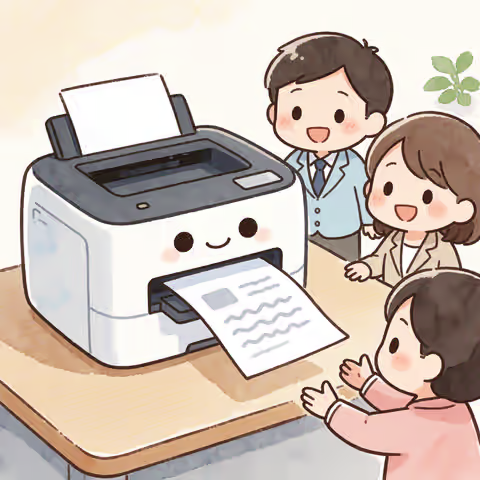
- CJK: 发 = 發 fā. 出 = 出. JP 発出 is rare; usually 出す / 発信. Canto 發出 faat3 ceot1. Traditional 發出.
- Fun fact: 发出通知 = send out a notice. Dictionary also has 发出声音 / 发出笑声. Today’s sentence is the company memo.
- Memorize: Office printer spitting a notice: 公司发出了通知.
- Study tip: 发出. Don’t answer 发现 or 声音 unless the audio is the sound sense.
2. 怀疑(huáiyí)
to doubt; to suspect · meragukan; mencurigai
Example: 我怀疑他的话。 — I doubt what he said.

- CJK: 怀 = 懷 huái. 疑 = 疑 yí. JP 疑惑(ぎわく). Canto 懷疑 waai4 ji4. Traditional 懷疑. Same 疑 as 疑问.
- Fun fact: 怀疑他的话 = I don’t buy it. 怀疑他是犯人 is “suspect him.” 怀疑 vs 相信. Not 怀疑自己 as today’s first hit.
- Memorize: Side-eye at a speech bubble: 我怀疑他的话.
- Study tip: 怀疑. Don’t answer 相信 or 问题.
3. 短信(duǎnxìn)
text message; SMS · SMS; pesan singkat
Example: 我刚发了短信。 — I just sent a text.

- CJK: 短 = 短. 信 = 信. JP 短信 exists but people say メール / SMS. Canto 短訊 dyun2 seon3. Same 信 as 相信; here it’s a message.
- Fun fact: 发短信. 微信 is WeChat; 邮件 is email (see 转发 later). 短信 is the old SMS / the short text itself.
- Memorize: Phone, just-sent bubble: 我刚发了短信.
- Study tip: 短信. Don’t answer 微信 or 电话.
4. 开玩笑(kāi wánxiào)
to joke; to make fun of · bercanda
Example: 我只是开玩笑。 — I was only joking.

- CJK: 开 = 開. 玩 = 玩. 笑 = 笑. JP 冗談を言う. Canto 講笑 gong2 siu3. 开 + 玩笑 is one verb.
- Fun fact: 只是开玩笑. Soften after a teasing line. 开玩笑 can also mean “you’ve got to be kidding.” Not 笑话 (a joke as a noun).
- Memorize: Hands up, laughing: 我只是开玩笑.
- Study tip: 开玩笑. Don’t answer 笑话 or 笑.
5. 文字(wénzì)
character; writing; written language · aksara; tulisan
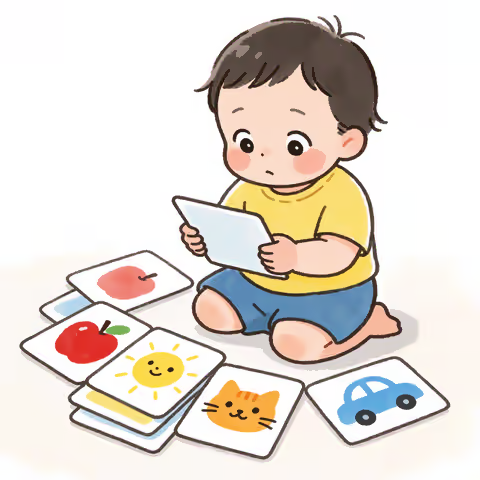
Example: 小孩还不会写字,只认识几个简单的文字。 — The child still cannot write and only recognizes a few simple characters.
- CJK: 文 = 文. 字 = 字. JP 文字(もじ). Canto 文字 man4 zi6. Same 字 as 汉字.
- Fun fact: 几个简单的文字 = a few simple characters. 文字 can also mean “wording / copy” (通知上的文字). Today is the child’s 字.
- Memorize: Kid with three easy character cards, not writing yet: 只认识几个简单的文字.
- Study tip: 文字. Don’t answer 汉字 or 文章 unless that’s the card.
6. 禁止(jìnzhǐ)
to prohibit; to forbid; to ban · melarang
Example: 这里禁止吸烟。 — Smoking is forbidden here.

- CJK: 禁 = 禁 jìn. 止 = 止. JP 禁止(きんし). Canto 禁止 gam3 zi2. Same 止 as 停止 later.
- Fun fact: 禁止吸烟. Sign language. 不准 is spoken; 禁止 is the poster. 禁 is the “keep out” half.
- Memorize: Cigarette with a stop gesture: 这里禁止吸烟.
- Study tip: 禁止. Don’t answer 停止 or 不行.
7. 祝贺(zhùhè)
to congratulate; congratulations · mengucapkan selamat
Example: 听说你通过了考试,我来祝贺你。 — I heard you passed the exam, so I came to congratulate you.

- CJK: 祝 = 祝. 贺 = 賀 hè. JP 祝賀(しゅくが). Canto 祝賀 zuk1 ho6. Traditional 祝賀. Same 祝 as 祝福.
- Fun fact: 来祝贺你. You show up with the congrats. 恭喜 is the spoken cousin. 通过了考试 is the reason.
- Memorize: Flowers at the exam-pass door: 我来祝贺你.
- Study tip: 祝贺. Don’t answer 恭喜 or 祝福 unless that’s the card.
8. 两(liǎng)
two; both; a few; tael · dua
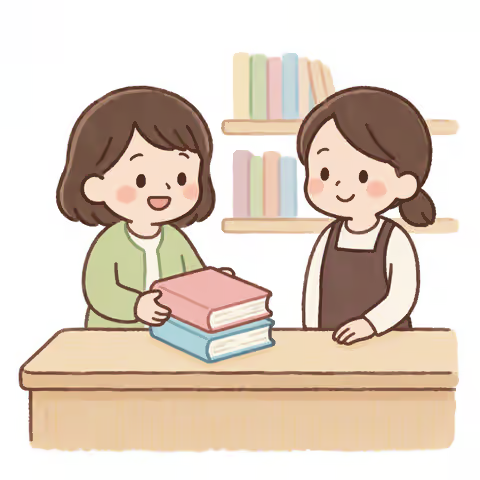
Example: 我买了两本书。 — I bought two books.
- CJK: 两 = 兩 liǎng. JP 両(りょう) is the tael / both. Canto 兩 loeng5. Traditional 兩.
- Fun fact: Classifier number: 两 + measure, 二 for phone numbers and math. 两本书, not 二本书. 二 is still the digit.
- Memorize: Two books at the till: 买了两本书.
- Study tip: 两本. Don’t answer 二 or 双.
9. 点头(diǎntóu)
to nod · mengangguk
Example: 他点头同意了。 — He nodded in agreement.

- CJK: 点 = 點. 头 = 頭. JP うなずく. Canto 點頭 dim2 tau4. Traditional 點頭.
- Fun fact: 点头同意. Chin dip = yes. 摇头 is no. 点头之交 is a nodding acquaintance — not today’s sentence.
- Memorize: Chin down, smile: 点头同意了.
- Study tip: 点头. Don’t answer 摇头.
10. 日记(rìjì)
diary · buku harian
Example: 她每天晚上都写日记,已经坚持一年了。 — She writes in her diary every night and has kept it up for a year already.

- CJK: 日 = 日. 记 = 記. JP 日記(にっき). Canto 日記 jat6 gei3. Traditional 日記. Same 记 as 记得.
- Fun fact: 写日记 + 坚持一年. Habit, not 日记本 as the object only. 日志 is a log; 日记 is personal.
- Memorize: Night desk, one year of notebooks: 每天晚上都写日记.
- Study tip: 日记. Don’t answer 日记本 unless that’s the card.
11. 高于(gāoyú)
greater than; to exceed · lebih tinggi daripada
Example: 他的成绩高于我。 — His grades are higher than mine.

- CJK: 高 = 高. 于 = 於 yú. JP より高い. Canto 高於 gou1 jyu1. Written 于 = 比.
- Fun fact: 成绩高于我. Compact 比. 高于平均 is “above average.” Not 高兴.
- Memorize: Two score sheets, his taller bar: 成绩高于我.
- Study tip: 高于. Don’t answer 比 or 高.
12. 再次(zàicì)
once more; once again · sekali lagi
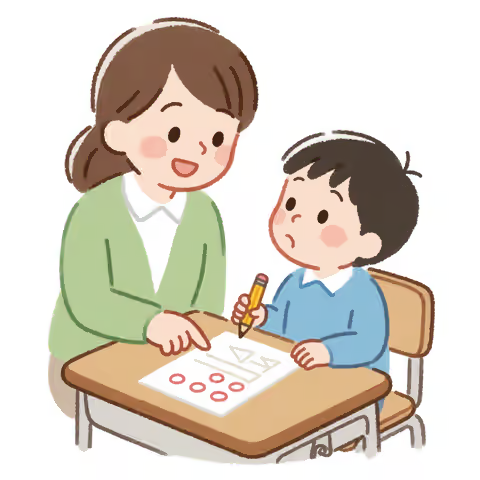
Example: 老师让我再次检查一下作业。 — The teacher asked me to check the homework once more.
- CJK: 再 = 再. 次 = 次. JP 再び / もう一度. Canto 再次 zoi3 ci3. Same 再 as 再见.
- Fun fact: 再次检查. 再 + 次 = one more round. 又 is “again (as expected)”; 再次 is a bit more formal.
- Memorize: Teacher pointing back at the homework: 再次检查一下作业.
- Study tip: 再次. Don’t answer 又 or 再一次 as two words unless that’s the card.
13. 转发(zhuǎnfā)
to forward; to pass on · meneruskan; memforward
Example: 请把这封邮件转发给所有同事。 — Please forward this email to all the colleagues.

- CJK: 转 = 轉. 发 = 發. JP 転送(てんそう). Canto 轉發 zyun2 faat3. Traditional 轉發. Same 发 as 发出.
- Fun fact: 转发邮件. Email / WeChat “share.” 发给 is send to; 转发 is pass along. Cluster with 发出 / 短信.
- Memorize: Mail arrow hopping across desks: 转发给所有同事.
- Study tip: 转发. Don’t answer 发送 or 发出.
14. 停止(tíngzhǐ)
to stop; to halt; to cease · berhenti
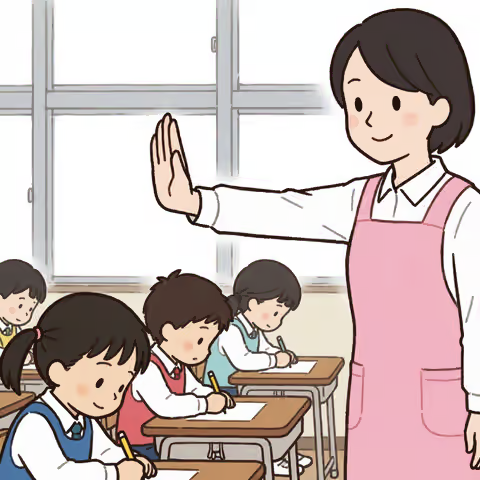
Example: 老师让我们停止说话,开始写作业。 — The teacher told us to stop talking and start doing our homework.
- CJK: 停 = 停. 止 = 止. JP 停止(ていし). Canto 停止 ting4 zi2. Pair with 禁止 (ban vs stop doing now).
- Fun fact: 停止说话. Cut it out, then 写作业. 停 is park/stop; 停止 is halt an activity. 别说了 is spoken.
- Memorize: Teacher’s palm, chatter dies, pencils up: 停止说话,开始写作业.
- Study tip: 停止. Don’t answer 禁止.
15. 重点(zhòngdiǎn)
main point; focus; to emphasize · poin penting
Example: 今天课上老师讲的重点我都记下了。 — I wrote down all the main points the teacher covered in class today.

- CJK: 重 = 重 zhòng. 点 = 點. JP 重点(じゅうてん). Canto 重點 zung6 dim2. Traditional 重點. Not 重 as chóng “again.”
- Fun fact: 讲的重点 / 记下了. The highlighted bits. Verb: 重点发展. Today is the notes.
- Memorize: Notebook with starred lines: 重点我都记下了.
- Study tip: 重点. Don’t answer 重要. Tone is zhòng, not chóng.
16. 敢(gǎn)
to dare · berani
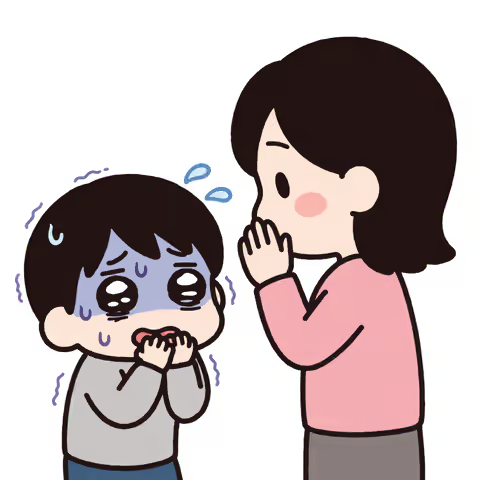
Example: 我不敢告诉她。 — I don't dare tell her.
- CJK: 敢 = 敢 gǎn. JP 敢えて. Canto 敢 gam2. Same shape.
- Fun fact: 不敢告诉她. Fear, not ability (会). 勇敢 is the adjective. 敢问 is polite “may I ask.”
- Memorize: Secret behind the back, freeze at her: 我不敢告诉她.
- Study tip: 敢. Don’t answer 能 or 勇敢.
17. 读者(dúzhě)
reader · pembaca
Example: 这本书有很多读者。 — This book has many readers.

- CJK: 读 = 讀. 者 = 者. JP 読者(どくしゃ). Canto 讀者 duk6 ze2. Traditional 讀者. 者 = person who…
- Fun fact: 很多读者. Audience of a book. 读书 is the verb (Cantonese sheet has 讀書 today). 作者 is the writer.
- Memorize: Crowd of people with the same book: 有很多读者.
- Study tip: 读者. Don’t answer 看书 or 作者.
18. 打折(dǎzhé)
to give a discount · diskon
Example: 这些衣服在打折。 — These clothes are on discount.

- CJK: 打 = 打. 折 = 折 zhé. JP 割引(わりびき). Canto 打折 daa2 zit3. Same 折 as Japanese 折る later — different meaning.
- Fun fact: 在打折. 打 + 折. 八折 = 20% off (they keep 80%). 打折扣 is the longer verb.
- Memorize: Clothes rack, price sliced: 这些衣服在打折.
- Study tip: 打折. Don’t answer 便宜 or 便宜货.
19. 礼貌(lǐmào)
courtesy; manners; polite · sopan santun
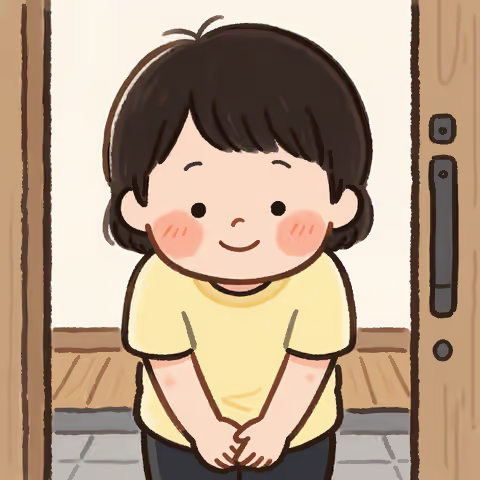
Example: 小孩子要有礼貌。 — Children should have good manners.
- CJK: 礼 = 禮. 貌 = 貌 mào. JP 礼儀(れいぎ). Canto 禮貌 lai5 maau6. Traditional 禮貌.
- Fun fact: 有礼貌. 礼貌 as a noun you have. 有礼貌 vs 没礼貌. 礼貌地问 is the adverb.
- Memorize: Kid bowing at the door: 小孩子要有礼貌.
- Study tip: 礼貌. Don’t answer 客气.
20. 分数(fēnshù)
exam score; mark; fraction · nilai; pecahan
Example: 这次考试分数很高。 — This exam score is very high.

- CJK: 分 = 分. 数 = 數. JP 分数(ぶんすう) is often fraction; 点数 for marks. Canto 分數 fan1 sou3. Traditional 分數.
- Fun fact: Dictionary lists fraction (二分之一) and exam mark. Today is 考试分数. 成绩 is the broader “result.”
- Memorize: High number on a test paper: 考试分数很高.
- Study tip: 分数. Don’t answer 成绩 or 一半 unless the audio is the fraction.