Anki session
Cantonese 2
廣東話
- New
- 20
- Learn
- 0
- Review
- 67
Session: 20 new remaining of the 20/day cap · 0 learning waiting · 67 reviews due.
Click Cantonese::Level2, not Level1. Level1 is review-only now. Learning is empty today: new cards mix into the 67 reviews.
This is a third sheet for today (HSK is 2026-09-14.md, Japanese is 2026-09-14-japanese-level2.md).
Session plan
- No learning queue. The 67 reviews are yesterday’s and older Level2 cards.
- Movie pair: 戲 睇戲 tonight, then 冇得 because the cinema is full.
- School pair: 學校 nearby from childhood, 讀書 at Oxford.
- People: 媽咪 leave early, 女朋友 have you met her, 咀 kiss in the street.
- Traps: 維 in the sentence is the name 王力維, not 維持. 炒 today is get fired, not stir-fry. 着 is wear (zoek3), not Mandarin particle zhe.
- 使乜驚 = why bother being scared. 一步 is “this point we’ve reached,” not a literal footstep only. 一向 = always (rent on time).
1. 一步(jat1 bou6)
one step; this point · satu langkah
Example: 我哋行到今時今日呢一步。 — We've come to this point today.

- CJK: 一 = 一. 步 = 步. Mandarin 一步. JP 一歩(いっぽ). Same 步 as 跑步.
- Fun fact: 行到呢一步. Figurative: the stage we’re at. 一步一步 is literal steps. Today is the life-stage.
- Memorize: Path behind you, “we’re here now”: 行到今時今日呢一步.
- Study tip: 一步. Don’t answer 行 or 階段.
2. 爭(zang1)
to compete for; to fight over · memperebutkan; merebut
Example: 爭人錢,要著草。 — If you fight over someone's money, you have to flee.

- CJK: 爭 = 争 zhēng. Mandarin 争. JP 争う. Canto often 爭 zaang1; this card’s ruby is zang1. Traditional 爭.
- Fun fact: 爭人錢,要著草. Street proverb: grab the money, then run (著草 = bolt). Not 戰爭.
- Memorize: Grab cash, sneakers already running: 爭人錢,要著草.
- Study tip: 爭. Don’t answer 搶 unless that’s the card.
3. 表情(biu2 cing4)
facial expression · ekspresi; raut wajah
Example: 有個人睇到受罰者嘅痛苦表情甚至流淚。 — Someone saw the punished person's pained expression and even started crying.

- CJK: 表 = 表. 情 = 情. Mandarin 表情. JP 表情(ひょうじょう). Same 情 as 感情.
- Fun fact: 痛苦表情. Face as the whole message. 表情管理 is later slang. Not 感情.
- Memorize: Pained face, onlooker tearing up: 痛苦表情甚至流淚.
- Study tip: 表情. Don’t answer 心情.
4. 放低(fong3 dai1)
to put down; to leave behind · meletakkan, meninggalkan
Example: 唔好將書包放低就走。 — Don't leave your bag behind and walk away.
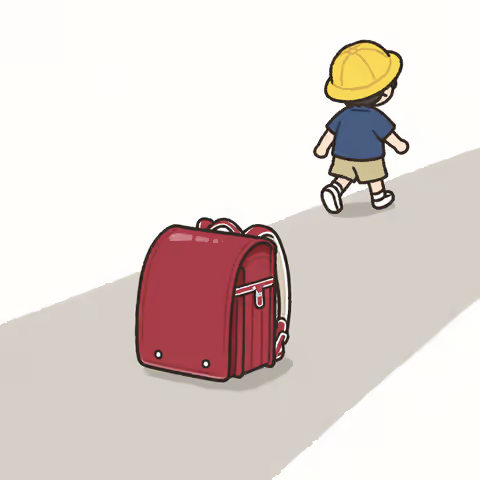
- CJK: 放 = 放. 低 = 低. Mandarin 放下. JP 置く / 下ろす. 低 = down.
- Fun fact: 放低就走. Put it down and leave it. 放下 is Mandarin. 放低身段 is “lower yourself” — not today.
- Memorize: Schoolbag on the ground, owner walking off: 書包放低就走.
- Study tip: 放低. Don’t answer 放下 or 留.
5. 戲(hei3)
play; movie · sandiwara; film
Example: 我哋今晚一齊睇戲。 — Let's watch a movie together tonight.

- CJK: 戲 = 戏 xì. Mandarin 戏 / 电影. JP 芝居. Canto 睇戲 = watch a film. Traditional 戲.
- Fun fact: 睇戲 tonight is cinema, not 粵劇 unless the context is opera. 電影 is the Mandarin noun.
- Memorize: Two tickets, evening cinema: 今晚一齊睇戲.
- Study tip: 戲. Don’t answer 電影 unless that’s the card. Pair with 冇得.
6. 維(wai4)
to maintain; (here) name syllable · menjaga; memelihara
Example: 王力維嘅名字喺事件中被提及。 — Wang Liwei's name was mentioned in the incident.

- CJK: 維 = 维 wéi. Mandarin 维 / 维系. JP 維持. Canto 維 wai4. Same 维 as HSK 维护.
- Fun fact: Dictionary = maintain. The sentence is 王力維, a name. Don’t force 維持 into the answer.
- Memorize: News photo, name 王力維 highlighted: 名字喺事件中被提及.
- Study tip: 維. Don’t answer 維持. If audio is just 維, say 維.
7. 學校(hok6 haau6)
school · sekolah
Example: 我細個讀嘅學校離呢度好近。 — The school I went to as a kid is very close to here.
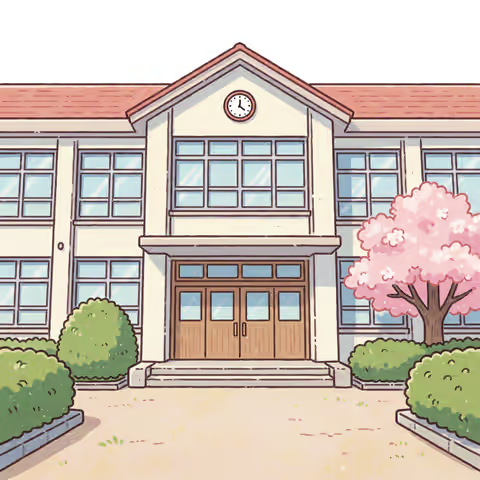
- CJK: 學 = 学. 校 = 校. Mandarin 学校. JP 学校(がっこう). Traditional 學校. Yesterday 細 = young; 細個 = as a kid.
- Fun fact: 細個讀嘅學校. Childhood campus nearby. 開學 is start of term.
- Memorize: Old school gate, “it’s next door”: 細個讀嘅學校離呢度好近.
- Study tip: 學校. Don’t answer 書院.
8. 炒(caau2)
stir-fry; to fire (someone) · menumis; memecat
Example: 好擔心比人炒啊。 — I'm really afraid of getting fired.

- CJK: 炒 = 炒 chǎo. Mandarin 炒. JP 炒める is the pan. Canto 炒魷魚 = get sacked.
- Fun fact: 比人炒. Spoken “get fired.” Kitchen 炒飯 is the other life. Today is the job.
- Memorize: Pink slip, wok in the thought bubble: 擔心比人炒.
- Study tip: 炒. Don’t answer 炒飯 or 解僱 unless that’s the card.
9. 一向(jat1 hoeng3)
all along; always · selalu; sejak dulu
Example: 我一向按時交租,地方保持得好乾淨㗎。 — I've always paid rent on time and kept the place very clean.

- CJK: 一 = 一. 向 = 向. Mandarin 一向. JP いつも / 従来. Same 向 as 方向.
- Fun fact: 一向交租. Habit since forever. 一直 is “continuously just now”; 一向 is character/habit.
- Memorize: Rent envelope on time, spotless room: 一向按時交租.
- Study tip: 一向. Don’t answer 一直.
10. 個頭(go3 tau4 / tau2)
a head; stick one’s head out · kepala; menjulurkan kepala
Example: 唔好成日凸個頭出嚟搞事。 — Don't always stick your head out and cause trouble.
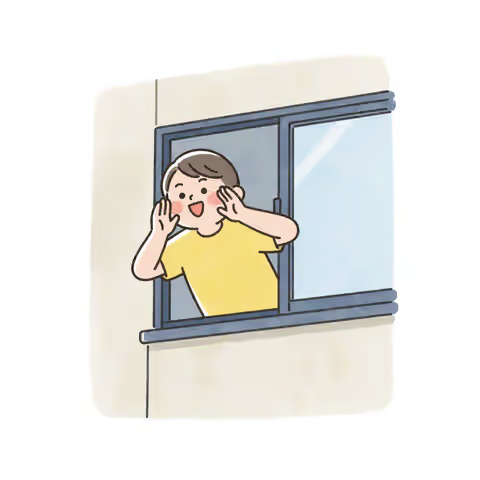
- CJK: 個 = 个. 頭 = 头. Mandarin 头. JP 頭(あたま). Changed tone: ruby tau4*2 → tau2 in 個頭.
- Fun fact: 凸個頭出嚟搞事. Classifier 個 + 頭. Nosy / poke your head in. Not 個頭 as height (好高個頭).
- Memorize: Head popping out a window, mischief: 凸個頭出嚟搞事.
- Study tip: 個頭. Don’t answer 頭 only. Tone on 頭 often jumps to 2.
11. 讀書(duk6 syu1)
to study; to attend school · belajar; sekolah
Example: 我而家喺牛津大學讀書。 — I am currently studying at Oxford University.

- CJK: 讀 = 读. 書 = 书. Mandarin 读书. JP 勉強する. Traditional 讀書. HSK 读者 is the person; this is the verb.
- Fun fact: 喺牛津大學讀書. Attend / study at. 睇書 can be “read”; 讀書 is school life.
- Memorize: Oxford-looking tower, student with books: 喺牛津大學讀書.
- Study tip: 讀書. Don’t answer 學習 or 睇書.
12. 冇得(mou5 dak1)
can’t; not available · tidak tersedia; tidak bisa
Example: 今日戲院冇得睇戲,全部爆滿。 — Can't watch a movie today, the cinema is fully booked.
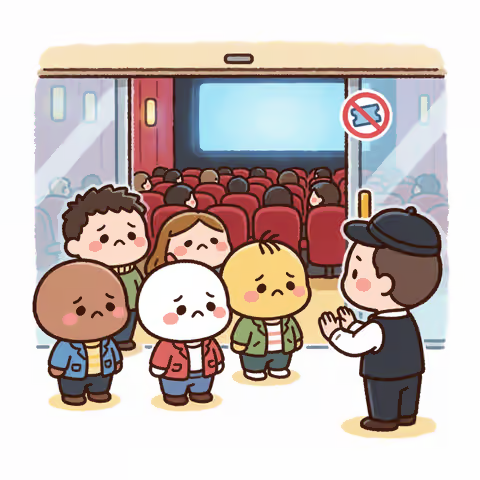
- CJK: 冇 = 冇. 得 = 得. Mandarin 没得 / 看不了. JP できない. 冇 is Canto “not have.”
- Fun fact: 冇得睇戲. Sold out. 冇 is “don’t have”; 冇得 V = no chance to V. Pair with 戲.
- Memorize: Full cinema, tickets gone: 冇得睇戲,全部爆滿.
- Study tip: 冇得. Don’t answer 冇 or 唔可以 unless that’s the card.
13. 上次(soeng6 ci3)
the last time · kali lalu
Example: 又遲,上次係大霧,今次係飛機故障! — Late again — last time it was fog, this time it's plane trouble!
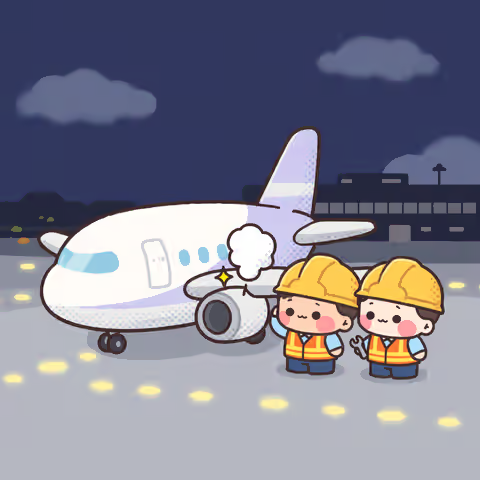
- CJK: 上 = 上. 次 = 次. Mandarin 上次. JP この前. HSK 再次 is “once more”; this is “last time.”
- Fun fact: 上次係大霧,今次係飛機. Contrast 上次 / 今次. 上一次 is Mandarin-length.
- Memorize: Two late stamps: fog then broken plane: 上次係大霧,今次係飛機故障.
- Study tip: 上次. Don’t answer 以前 or 再次.
14. 咀(zeoi2)
to kiss · mencium
Example: 佢哋喺街度互相接咀。 — They kissed each other on the street.

- CJK: 咀 = 咀 jǔ (Mandarin “chew”) — false friend. Canto 咀 zeoi2 = 嘴 / kiss. JP キス. Also written 嘴.
- Fun fact: 接咀. Street kiss. Mandarin 咀嚼 is chew; dump that. 錫 is another Canto kiss verb.
- Memorize: Couple kissing on the pavement: 喺街度互相接咀.
- Study tip: 咀. Don’t answer 吃 or Mandarin 亲.
15. 忙(mong4)
busy · sibuk
Example: 如果你唔忙嘅話,可唔可以幫我搬櫃? — If you're not busy, can you help me move the cabinet?
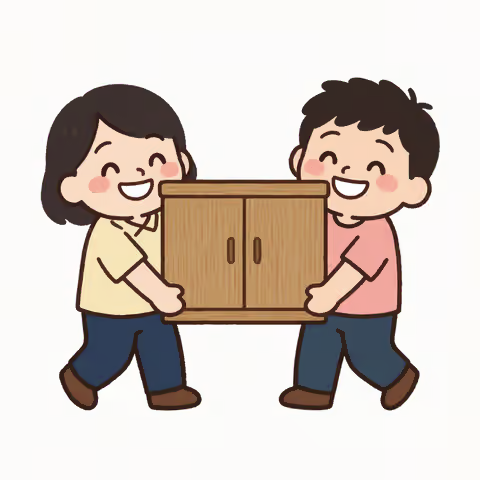
- CJK: 忙 = 忙 máng. Mandarin 忙. JP 忙しい. Same character.
- Fun fact: 唔忙嘅話 + 搬櫃. If-free, then help. 忙到抽 is “slammed.”
- Memorize: Friend asking, cabinet waiting: 唔忙嘅話,幫我搬櫃.
- Study tip: 忙. Don’t answer 辛苦.
16. 着(zoek3)
to wear · memakai
Example: 嗰件褸畀你着太大喇。我諗你都係唔好買喇。 — That coat is too big for you to wear. I think you shouldn't buy it.

- CJK: 着 = 着 / 著. Mandarin 穿 for wear; 着 zhe is the particle — false friend. JP 着る (yesterday 着物). Canto wear = zoek3 (ruby on the card may show 6).
- Fun fact: 褸畀你着太大. Coat vs body. 着衫. Not the Mandarin aspect 着.
- Memorize: Coat hanging past the hands: 着太大喇,唔好買.
- Study tip: 着. Don’t answer 穿. Don’t read it as zhe.
17. 媽咪(maa1 mi4)
mummy; mommy · mami; mama
Example: 你媽咪畀唔畀你早走呀? — Does your mom let you leave early?
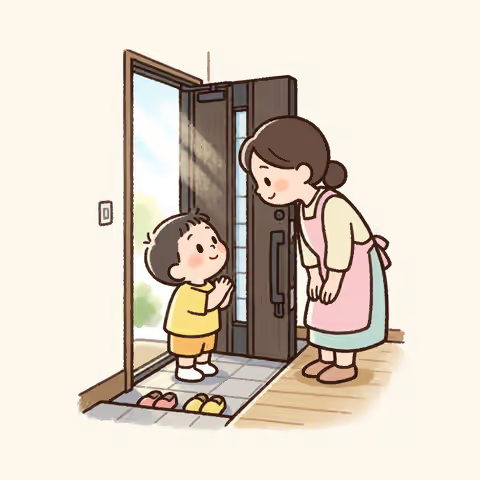
- CJK: 媽 = 妈. 咪 = phonetic. Mandarin 妈妈. JP ママ. Loan-cute 媽咪.
- Fun fact: 媽咪畀唔畀你早走. Permission from mom. 媽媽 is also fine; this card wants the cute form.
- Memorize: Kid at the door, mom’s yes/no: 媽咪畀唔畀你早走.
- Study tip: 媽咪. Don’t answer 媽媽 unless that’s the card.
18. 女朋友(neoi5 pang4 jau5)
girlfriend · pacar perempuan
Example: 你見過佢個女朋友未呀? — Have you met his girlfriend yet?

- CJK: 女 = 女. 朋 = 朋. 友 = 友. Mandarin 女朋友. JP 彼女 (today 紹介). Yesterday Canto 友 was 條友 “some guy.”
- Fun fact: 見過未. Have you met her yet. 男朋友 is the pair. 女朋 is not a word.
- Memorize: Friend asking, couple in the background: 見過佢個女朋友未.
- Study tip: 女朋友. Don’t answer 女朋友仔 or 條友.
19. 十年(sap6 nin4)
ten years; a decade · sepuluh tahun; dasawarsa
Example: 十幾二十年,每一次選舉都要含淚。 — For over ten to twenty years, every election ends in tears.

- CJK: 十 = 十. 年 = 年. Mandarin 十年. JP 十年(じゅうねん).
- Fun fact: 十幾二十年. “Ten-plus to twenty years.” 十年 is the stem; the sentence stretches it. 含淚 at every 選舉.
- Memorize: Calendar of elections, tissues: 十幾二十年,選舉都要含淚.
- Study tip: 十年. Don’t answer 世紀.
20. 使乜(sai2 mat1)
why bother; no need · untuk apa; tidak perlu
Example: 使乜驚?冇事㗎啦。 — Why be afraid? It's fine.
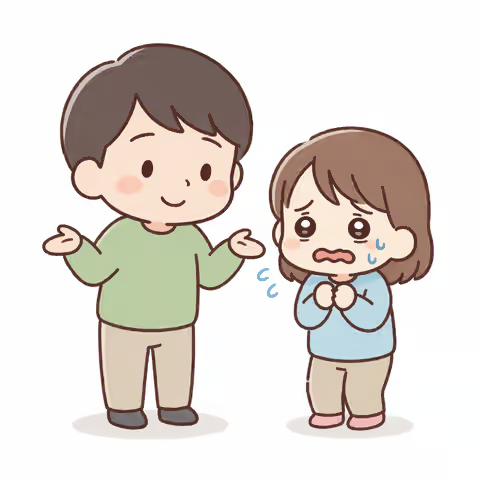
- CJK: 使 = 使. 乜 = 乜. Mandarin 何必 / 不用. JP 何必. 使 = need to; 乜 = what. 使乜 = no need to.
- Fun fact: 使乜驚. Why would you be scared. Close to 唔使. 使唔使 is the yes-no.
- Memorize: Shrug, calm face: 使乜驚?冇事㗎啦.
- Study tip: 使乜. Don’t answer 點解 or 唔使 unless that’s the card.