Anki session
Japanese 2
日本語
- New
- 20
- Learn
- 0
- Review
- 0
Session: 20 new remaining of the 20/day cap · 0 learning waiting · 0 reviews due.
Click Japanese::Level2, not Level1. Level1 is review-only now. Still a new-only queue: twenty new cards and nothing else.
This is a second sheet for today (HSK is 2026-09-13.md). Do not mix the decks in one Anki session.
Session plan
- No learning, no reviews — every card you see in this deck is new.
- うまい today is good at baseball, not おいしい. 積もる is snow piling up, not yesterday’s つもり.
- Intransitive pile: 建つ (gets built, not 建てる), 売れる (sells, not 売る). 合う is shoes that fit, not 会う.
- Body/food: 噛む / バナナ / 加える salt. Sport: 水泳 / 投げる / うまい.
- 着物 in the sentence is a kimono that suits her. 青 is the favorite color (also “green” in traffic).
1. うまい(うまい)
good at · pandai, mahir
Example: 彼は野球がうまい。 — He's good at baseball.
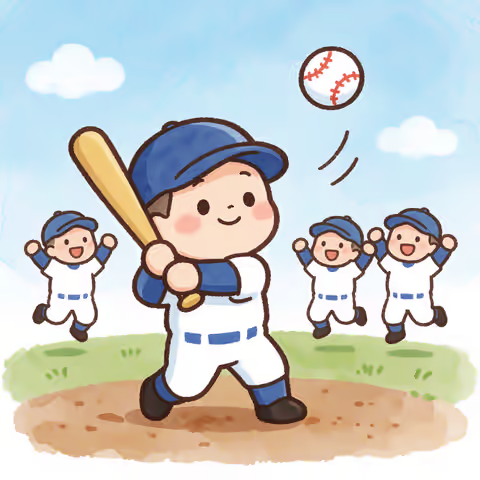
- CJK: Kana. Mandarin 擅长 / 好吃. Canto 叻 lek1 / 好食. Today is skill, not flavor.
- Fun fact: 野球がうまい. 上手 is the polite twin. おいしい / 美味い is food (same うまい, different card). うまい話 is a too-good deal.
- Memorize: Clean baseball hit, teammates cheering: 野球がうまい.
- Study tip: うまい. Don’t answer おいしい or 上手 unless that’s the card.
2. 着物(きもの)
kimono; clothes · kimono
Example: 彼女は着物がよく似合います。 — She looks good in a kimono.
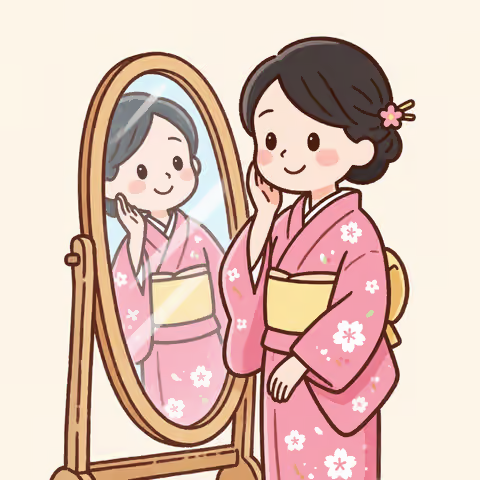
- CJK: 着 = 着. 物 = 物. JP きもの. Canto 着物 / 和服. Mandarin 和服. Same 着 as 着る.
- Fun fact: Literally “thing you wear.” In daily JP it often means the kimono, which is this sentence (似合う). 服 is clothes in general; yesterday ネクタイ was the Western gift.
- Memorize: Woman in kimono at the mirror: 着物がよく似合います.
- Study tip: 着物. Don’t answer 服 or 着る.
3. 有名(ゆうめい)
famous · terkenal
Example: ボルドーはワインの生産で有名だ。 — Bordeaux is famous for wine production.

- CJK: 有 = 有. 名 = 名. JP ゆうめい. Canto 有名 jau5 ming4. Mandarin 有名. Same 名 as 名前.
- Fun fact: X は Y で有名. Place famous for wine. 人気 is “popular (with fans)”; 有名 is “known.”
- Memorize: Vineyard bottles, Bordeaux postcard: ワインの生産で有名.
- Study tip: 有名. Don’t answer 人気.
4. 水泳(すいえい)
swimming · renang
Example: 母は健康のために水泳をしている。 — My mother swims for her health.
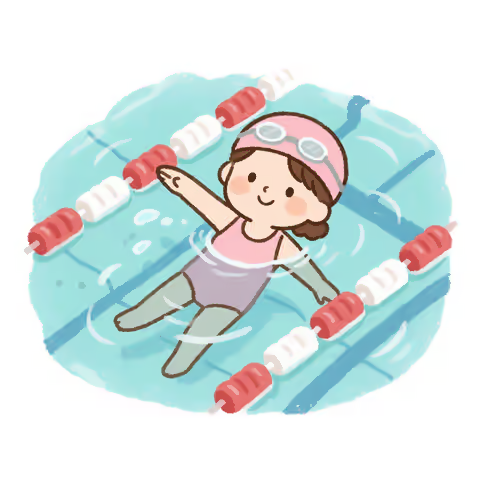
- CJK: 水 = 水. 泳 = 泳. JP すいえい. Canto 游泳 jau4 wing6. Mandarin 游泳. Same 泳 as 泳ぐ.
- Fun fact: 水泳をしている. The sport/noun. 泳ぐ is the verb “to swim.” 健康のために — not a race.
- Memorize: Mother in a pool, health vibe: 健康のために水泳.
- Study tip: 水泳. Don’t answer 泳ぐ unless that’s the card.
5. 横(よこ)
side; width across · samping, lebar
Example: 横の長さは1メートルです。 — Its width is one meter.
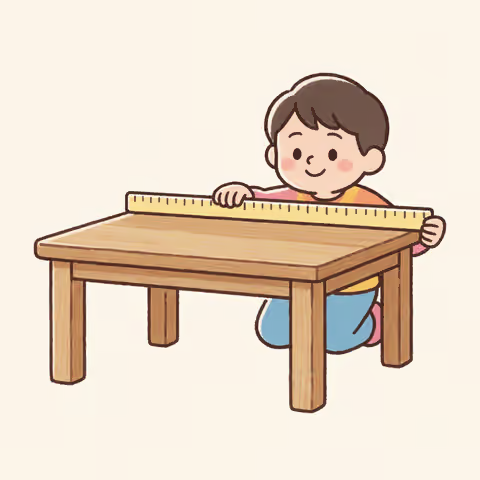
- CJK: 横 = 橫 héng. JP よこ. Canto 橫 waang4. Traditional 橫. Opposite 縦.
- Fun fact: 横の長さ = the side-to-side measure. 横に = beside. HSK 幅 today is the painting classifier, not this width.
- Memorize: Ruler across a table, 1 m: 横の長さは1メートル.
- Study tip: 横. Don’t answer 縦 or 隣.
6. 噛む(かむ)
bite; chew · menggigit, mengunyah
Example: もっとよく噛みなさい。 — Chew your food better.
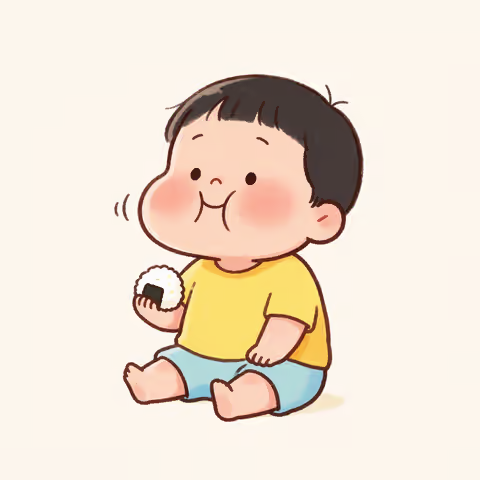
- CJK: 噛 = 咬 yǎo (different character). JP かむ. Canto 咬 ngaau5. Mandarin 咬 / 嚼.
- Fun fact: よく噛みなさい. Parent voice. Also 虫が噛む. Not 食べる. Yesterday 注射 was the clinic; this is the dinner table.
- Memorize: Cheeks full, parent pointing at the plate: よく噛みなさい.
- Study tip: 噛む. Don’t answer 食べる.
7. バナナ(バナナ)
banana · pisang
Example: 私は毎朝バナナを食べます。 — I eat a banana every morning.
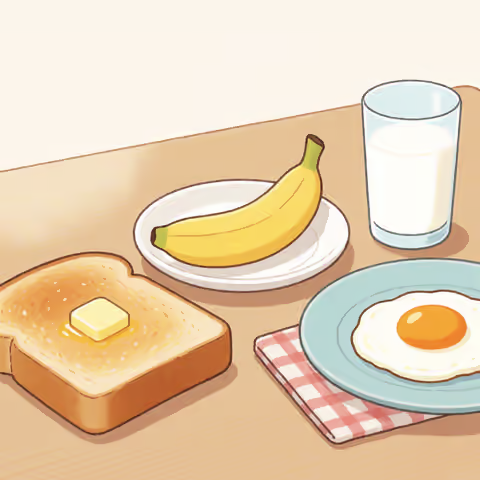
- CJK: Katakana. Mandarin 香蕉. Canto 香蕉 hoeng1 ziu1.
- Fun fact: 毎朝バナナ. Breakfast default. Loan from English. 甘い / 黄色い if you need adjectives later.
- Memorize: Morning table, one banana: 毎朝バナナを食べます.
- Study tip: バナナ. Don’t answer りんご.
8. 積もる(つもる)
accumulate; pile up · menumpuk
Example: 雪が積もっています。 — The snow has settled.

- CJK: 積 = 积 / 積 jī. JP つもる. Canto 積 zik1. Mandarin 积雪. Not つもり.
- Fun fact: 雪が積もる. Intransitive: the snow piles itself. 積む is load (transitive). Yesterday’s つもり is intention — same つもり sound, different word.
- Memorize: Roof buried in snow: 雪が積もっています.
- Study tip: 積もる. Don’t answer つもり.
9. 加える(くわえる)
add; include · menambahkan
Example: 塩、コショウを加えてください。 — Please add the salt and pepper.
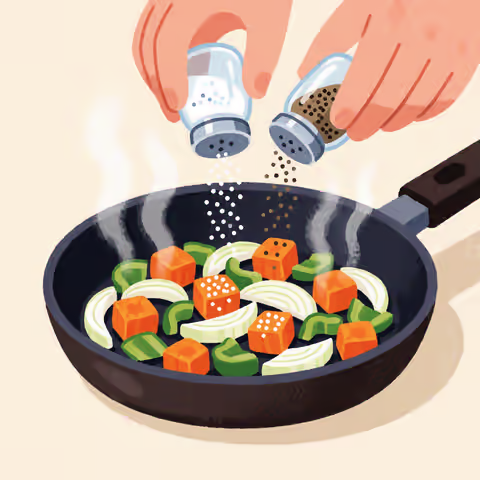
- CJK: 加 = 加. JP くわえる. Canto 加 gaa1. Mandarin 加. Same 加 as 参加 (different verb).
- Fun fact: 塩、コショウを加えて. Cooking. 足す is also “add (numbers)”; 参加する is join. Today is the seasoning.
- Memorize: Pan, salt and pepper going in: 塩、コショウを加えて.
- Study tip: 加える. Don’t answer 足す or 参加.
10. 投げる(なげる)
throw; abandon · melempar
Example: ボールをこっちに投げてください。 — Please throw the ball over here.
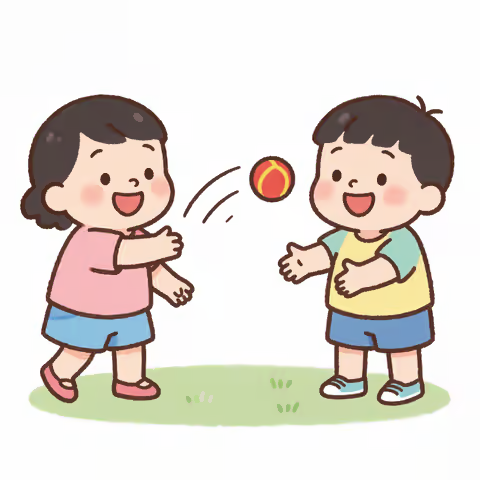
- CJK: 投 = 投 tóu. JP なげる. Canto 掟 deng3 / 投 tau4. Mandarin 扔 / 投.
- Fun fact: ボールを投げて. Sports throw. 諦めて投げ出す is the “abandon” sense — not this sentence. Pairs with うまい baseball.
- Memorize: Ball coming at you: こっちに投げてください.
- Study tip: 投げる. Don’t answer 捨てる.
11. 次女(じじょ)
second daughter · anak perempuan kedua
Example: うちの次女は春から中学生です。 — Our second daughter is going into junior high this spring.

- CJK: 次 = 次. 女 = 女. JP じじょ. Canto 次女 ci3 neoi5. Mandarin 次女. 長女 is first; 三女 later.
- Fun fact: 春から中学生. Family-register word. Yesterday Canto 妹 was the clothes-stealer; this is birth-order.
- Memorize: Second girl, new 中学 backpack in spring: 次女は春から中学生.
- Study tip: 次女. Don’t answer 娘 or 長女.
12. 建つ(たつ)
be built; go up · dibangun, berdiri
Example: ここに来年、家が建ちます。 — Our house will be built here next year.
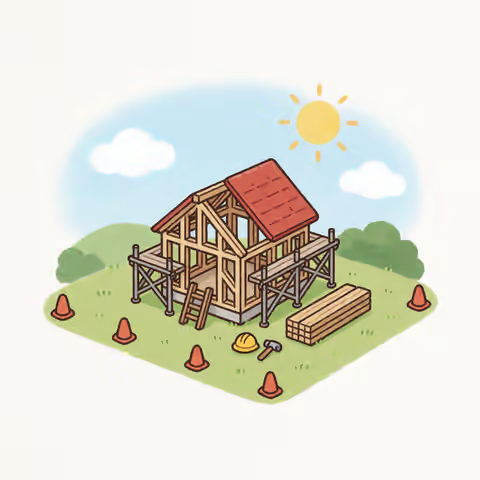
- CJK: 建 = 建. JP たつ. Canto 起 hei2. Mandarin 建. Intransitive.
- Fun fact: 家が建つ. The house goes up. 建てる is “build (something).” Same trap as yesterday 破れる vs 破る, 聞こえる vs 聞く.
- Memorize: Empty lot, next-year house rising: 来年、家が建ちます.
- Study tip: 建つ. Don’t answer 建てる.
13. 実行(じっこう)
execution; carrying out · pelaksanaan
Example: 彼はその計画を実行した。 — He executed the plan.

- CJK: 実 = 實 / 实. 行 = 行. JP じっこう. Canto 實行 sat6 hang4. Mandarin 实行 / 执行. Same 行 as 行く, here “carry out.”
- Fun fact: 計画を実行した. Did the plan, not した alone. HSK 符合我们的计划 is the result matching; this is doing the plan.
- Memorize: Checklist, then starting the work: 計画を実行した.
- Study tip: 実行. Don’t answer する or 計画.
14. もちろん(もちろん)
of course; no doubt · tentu saja
Example: もちろん一緒に行きます。 — Of course I'll go with you.
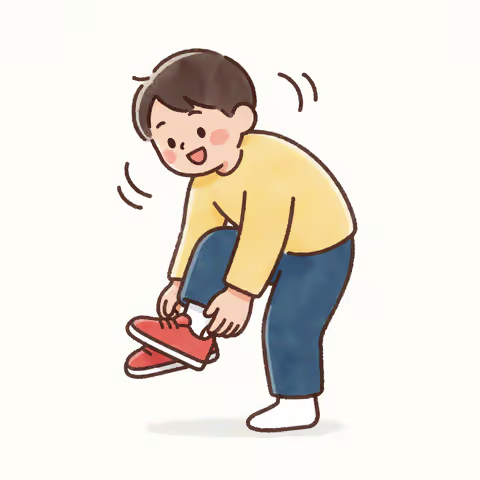
- CJK: Kana. Mandarin 当然. Canto 當然 dong1 jin4.
- Fun fact: もちろん一緒に. Instant yes. 当然 is the kanji twin (more written). Not たぶん.
- Memorize: Nodding, already putting on shoes: もちろん一緒に行きます.
- Study tip: もちろん. Don’t answer たぶん or はい.
15. 売れる(うれる)
sell; be in demand · laku, terjual
Example: 今年の夏はクーラーがよく売れた。 — Air conditioners sold well this summer.
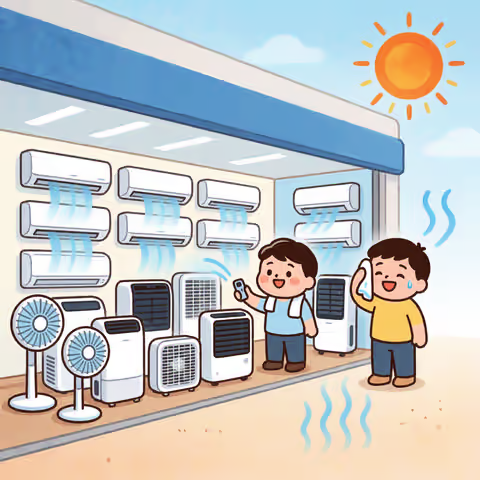
- CJK: 売 = 賣 / 卖. JP うれる. Canto 賣出 maai6 ceot1. Mandarin 卖得出. Intransitive.
- Fun fact: クーラーがよく売れた. The ACs sold themselves. 売る is “I sell.” Same pattern as 建つ. Yesterday Canto 打開冷氣; this is the summer shop.
- Memorize: Shop stacked with ACs, summer rush: クーラーがよく売れた.
- Study tip: 売れる. Don’t answer 売る.
16. 部分(ぶぶん)
part; section · bagian
Example: この部分は問題ないです。 — There's no problem with this part.

- CJK: 部 = 部. 分 = 分. JP ぶぶん. Canto 部分 bou6 fan6. Mandarin 部分. Same 部 as 部屋.
- Fun fact: この部分は問題ない. One section of a doc/object. 全部 is the whole. 一部分 is “a portion.”
- Memorize: Finger on one OK paragraph: この部分は問題ない.
- Study tip: 部分. Don’t answer 全部.
17. オートバイ(オートバイ)
motorbike; motorcycle · sepeda motor
Example: 彼はオートバイに乗っている。 — He rides a motorcycle.

- CJK: Katakana (auto + bicycle). Mandarin 摩托车. Canto 電單車 din6 daan1 ce1.
- Fun fact: オートバイに乗っている. Not 自転車, not 車. English “autobicycle” fossil. バイク is the shorter twin.
- Memorize: Person on a motorbike: オートバイに乗っている.
- Study tip: オートバイ. Don’t answer 自転車 or 車.
18. 青(あお)
blue; green · biru
Example: 私の好きな色は青です。 — My favorite color is blue.

- CJK: 青 = 青 qīng. JP あお. Canto 青 ceng1 / cing1. Mandarin 蓝 / 青. JP 青 covers blue and green (青信号).
- Fun fact: 好きな色は青. Favorite-color card. 青い空 is blue sky; 青野菜 is green veg. Don’t force ブルー.
- Memorize: Pointing at a blue crayon: 好きな色は青.
- Study tip: 青. Don’t answer 青い unless that’s the card.
19. 合う(あう)
fit; match · pas, cocok
Example: この靴は私の足に合っている。 — These shoes fit me.

- CJK: 合 = 合. JP あう. Canto 啱 ngaam1. Mandarin 合脚. Not 会う.
- Fun fact: 足に合っている. Size/fit. 似合う (on 着物) is “looks good on.” 会う is meet — same あう, different kanji.
- Memorize: Shoes on, thumbs up: 足に合っている.
- Study tip: 合う. Don’t answer 会う or 似合う.
20. 再び(ふたたび)
again; a second time · lagi; kembali
Example: 彼は再びここに戻ってきた。 — He came back here once again.
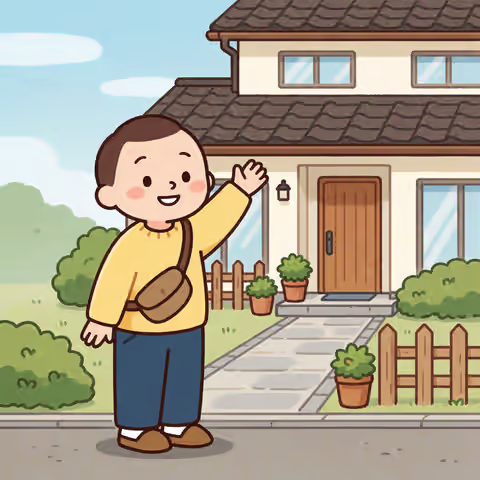
- CJK: 再 = 再. び is okurigana. JP ふたたび. Canto 再 zoi3. Mandarin 再次. Same 再 as 再见.
- Fun fact: 再び戻ってきた. A bit written; また is the spoken default. もう一度 is “one more time (please do it).”
- Memorize: Same doorway, waving a second time: 再びここに戻ってきた.
- Study tip: 再び. Don’t answer また unless that’s the card.