Anki session
HSK 4
汉语
- New
- 20
- Learn
- 6
- Review
- 166
Session: 20 new remaining of the 20/day cap · 6 learning waiting · 166 reviews due.
Click HSK::Level 4, not the parent HSK. Learning is in front: clear the 6 waiting cards first, then new cards mix into the 166 reviews.
Session plan
- Six still in learning from earlier days. Finish those before the new pile.
- 幅 today is 一幅画 (classifier), not 幅度. 种 audio is zhòng to plant, not zhǒng kind.
- 列 in the sentence is 列出来 (list the names). 一列火车 is the other life of this character.
- Work pile: 招聘 / 出差 / 成为. Look pile: 景色 / 鲜花 / 观看.
- 直接 = ask the teacher yourself. 要是 is spoken 如果. 符合 is “matches the plan,” not 适合.
1. 幅(fú)
classifier for pictures / textiles; width · penggolong lukisan; lebar
Example: 这幅画多少钱? — How much is this painting?

- CJK: 幅 = 幅 fú. JP 幅(ふく / はば). Canto 幅 fuk1. Same shape as 副; today is the painting measure.
- Fun fact: 一幅画 / 一幅布. Dictionary also has “width” (幅度, 幅员). The sentence is a gallery price, so the classifier wins.
- Memorize: Finger on a framed painting, price tag: 这幅画多少钱?
- Study tip: 一幅画. Don’t answer 副 or 张 unless that’s the card.
2. 招聘(zhāopìn)
to recruit; to invite job applications · merekrut
Example: 我们公司正在招聘两名新老师。 — Our company is currently recruiting two new teachers.

- CJK: 招 = 招 zhāo. 聘 = 聘 pìn. JP 招聘(しょうへい) / usually 採用. Canto 招聘 ziu1 ping3. 招 = beckon; 聘 = hire with ceremony.
- Fun fact: 正在招聘两名新老师. The poster on the door. 招聘会 is a job fair; 面试 is the interview that comes after.
- Memorize: Office door, “two teachers wanted”: 正在招聘.
- Study tip: 招聘. Don’t answer 面试 or 工作.
3. 激动(jīdòng)
excited; stirred up emotionally · bersemangat; terharu
Example: 听到这个好消息,她非常激动。 — She was really excited when she heard this good news.

- CJK: 激 = 激 jī. 动 = 動. JP 激動(げきどう). Canto 激動 gik1 dung6. Traditional 激動. Same 激 as 激烈.
- Fun fact: 非常激动. Heart racing at good news. 感动 is “moved” (tears); 兴奋 is hyped. Today is the news-hit.
- Memorize: Letter of good news, jumping: 听到好消息,非常激动.
- Study tip: 激动. Don’t answer 感动 or 高兴.
4. 列(liè)
to list; to line up; file; classifier for trains · mendaftar; deret
Example: 请把名字列出来。 — Please list the names.

- CJK: 列 = 列 liè. JP 列(れつ). Canto 列 lit6. Same 列 as 列车 — not today’s sentence.
- Fun fact: 列出来 = write them out in a list. 排列 is “arrange in order.” 一列火车 / 列车 is the other reading of the character; dump it if the audio is just 列.
- Memorize: Clipboard, names down a column: 把名字列出来.
- Study tip: 列出来. Don’t answer 列车 unless that’s the card.
5. 直接(zhíjiē)
direct; straightforward · langsung
Example: 你有问题就直接问老师,不用先问我。 — If you have a question, just ask the teacher directly; no need to ask me first.
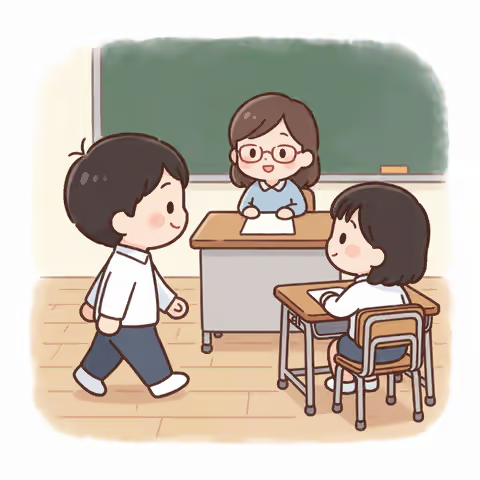
- CJK: 直 = 直 zhí. 接 = 接 jiē. JP 直接(ちょくせつ). Canto 直接 zik6 zip3. Opposite 间接.
- Fun fact: 直接问老师. Skip the middleman. Also 说话很直接 = blunt. 间接 is the detour; 马上 is speed, not path.
- Memorize: Walking past a friend straight to the teacher’s desk: 直接问老师.
- Study tip: 直接. Don’t answer 马上 or 间接.
6. 受伤(shòushāng)
to get injured; wounded · terluka
Example: 他昨天骑自行车摔倒了,手受伤了。 — He fell off his bike yesterday and hurt his hand.

- CJK: 受 = 受 shòu. 伤 = 傷. JP 受傷(じゅしょう) / けが. Canto 受傷 sau6 soeng1. Traditional 受傷. 受 = receive; 伤 = wound.
- Fun fact: 手受伤了. The hand got the injury. 伤害 is “to harm (someone)”; 伤口 is the cut. Japanese 破れる yesterday was the shirt tearing.
- Memorize: Bike on its side, bandaged hand: 手受伤了.
- Study tip: 受伤. Don’t answer 痛 or 伤害.
7. 丰富(fēngfù)
rich; abundant; to enrich · kaya; melimpah
Example: 他的经验很丰富。 — His experience is very rich.

- CJK: 丰 = 豐 fēng. 富 = 富. JP 豊富(ほうふ). Canto 豐富 fung1 fu3. Traditional 豐富. Same 富 as 富有.
- Fun fact: 经验很丰富. Adjective on experience, not money. Verb use: 丰富知识. 富有 is wealthy; today is plentiful.
- Memorize: Thick stamp-book of jobs and trips: 经验很丰富.
- Study tip: 丰富. Don’t answer 有钱 or 多.
8. 景色(jǐngsè)
scenery; landscape; view · pemandangan
Example: 这里景色真美。 — The scenery here is really beautiful.

- CJK: 景 = 景 jǐng. 色 = 色. JP 景色(けしき). Canto 景色 ging2 sik1. Same 景 as 风景.
- Fun fact: 景色真美. 风景 is the everyday twin; 景色 is a bit more “the view in front of you.” 景色 + 美, not 好看 on a person.
- Memorize: Hill lookout, lake and mountains: 这里景色真美.
- Study tip: 景色. Don’t answer 颜色 or 风景 unless that’s the card.
9. 聚(jù)
to gather; to assemble · berkumpul
Example: 朋友们聚在一起。 — The friends gathered together.
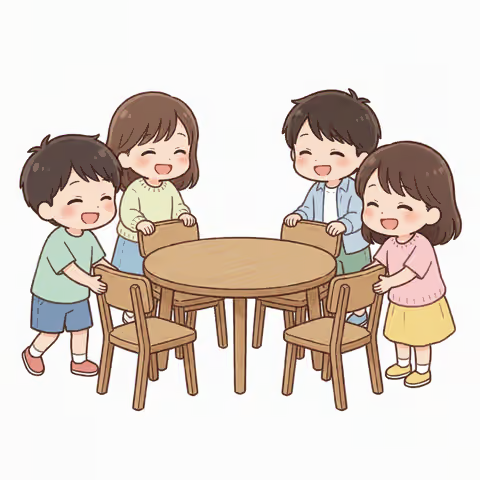
- CJK: 聚 = 聚 jù. JP 聚(しゅう) / 集まる. Canto 聚 zeoi6. Same 聚 as 聚会.
- Fun fact: 聚在一起. The verb. 聚会 is the noun “get-together.” 集合 is more “fall in / assemble (for a drill).”
- Memorize: Friends pulling chairs into one table: 聚在一起.
- Study tip: 聚. Don’t answer 聚会 unless that’s the card.
10. 鲜花(xiānhuā)
fresh flowers · bunga segar
Example: 今天早上我去花店买了一些鲜花。 — This morning I went to the flower shop and bought some fresh flowers.

- CJK: 鲜 = 鮮 xiān. 花 = 花. JP 鮮花(せんか) / 生花. Canto 鮮花 sin1 faa1. Traditional 鮮花. Classifier 朵.
- Fun fact: 买了一些鲜花. Cut flowers from 花店, not 种花 in the garden (that’s 种 later). 鲜花 vs 干花.
- Memorize: Morning florist, bouquet in hand: 买了一些鲜花.
- Study tip: 鲜花. Don’t answer 花 unless that’s the card.
11. 数字(shùzì)
number; digit; figure · angka
Example: 他刚才说的那个数字我没听清楚。 — I didn't catch the number he just said.

- CJK: 数 = 數 shù. 字 = 字. JP 数字(すうじ). Canto 數字 sou3 zi6. Traditional 數字. Same 数 as 数学.
- Fun fact: 那个数字我没听清楚. A figure someone said, not 号码 (phone/ticket number) and not 数字 as in “digital” electronics.
- Memorize: Hand behind ear, digits flying by: 数字我没听清楚.
- Study tip: 数字. Don’t answer 号码 or 几个.
12. 商品(shāngpǐn)
goods; merchandise · barang dagangan
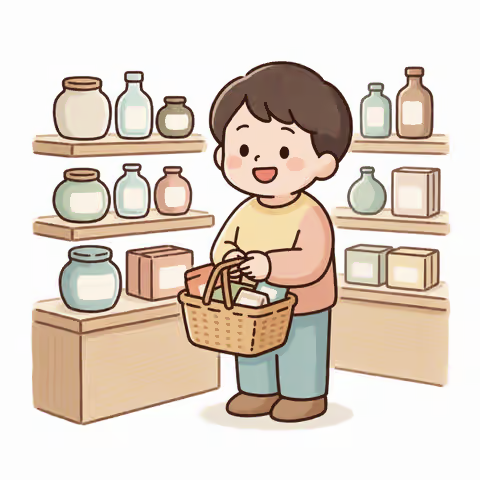
Example: 这家店的商品质量和价格都不错。 — The goods in this shop are pretty good in both quality and price.
- CJK: 商 = 商 shāng. 品 = 品. JP 商品(しょうひん). Canto 商品 soeng1 ban2. Same 商 as 商店; 品 as 产品.
- Fun fact: 商品质量…价格. Stuff on the shelf for sale. 东西 is casual “thing”; 产品 is “product (from a factory).” Today is the shop’s goods.
- Memorize: Shop shelves, quality + price both OK: 商品质量和价格都不错.
- Study tip: 商品. Don’t answer 东西 or 商店.
13. 材料(cáiliào)
material; ingredients; (fig.) the right person · bahan
Example: 这些材料很便宜。 — These materials are very cheap.

- CJK: 材 = 材 cái. 料 = 料. JP 材料(ざいりょう). Canto 材料 coi4 liu6. Same 材 as 木材.
- Fun fact: 材料很便宜. Wood, fabric, ingredients. Figurative: 当老师的材料 = has what it takes. Today’s sentence is the cheap stuff.
- Memorize: Bargain bin of wood and cloth: 这些材料很便宜.
- Study tip: 材料. Don’t answer 东西 or 资料.
14. 种(zhòng)
to plant; to grow · menanam
Example: 妈妈每年春天都在家里种很多花。 — Mom plants a lot of flowers at home every spring.

- CJK: 种 = 種. JP 種(たね) / 植える. Canto 種 zung3 (plant) / zung2 (kind). Traditional 種.
- Fun fact: Audio is zhòng. 一种 / 这种 is zhǒng “kind.” Same character, opposite tone. Pairs with 鲜花 (buy) vs 种 (grow).
- Memorize: Spring garden, mom with a trowel: 种很多花.
- Study tip: zhòng. Don’t answer zhǒng or 花.
15. 成为(chéngwéi)
to become; to turn into · menjadi
Example: 他想成为医生。 — He wants to become a doctor.

- CJK: 成 = 成 chéng. 为 = 為. JP になる. Canto 成為 cing4 wai4. Traditional 成為. Same 成 as 成功.
- Fun fact: 想成为医生. Result: X 成为 Y. 变成 is “turn into” (often a change of state); 当医生 is “work as.” Today is the career wish.
- Memorize: Kid with a toy stethoscope: 想成为医生.
- Study tip: 成为. Don’t answer 当 or 是.
16. 出差(chūchāi)
to go on a business trip · dinas
Example: 他下周要出差。 — He has a business trip next week.

- CJK: 出 = 出. 差 = 差. JP 出張(しゅっちょう). Canto 出差 ceot1 caai1. 差 is chāi here, not chà (bad) or chā (difference).
- Fun fact: 下周要出差. Company sends you. 旅行 is leisure; 出 is “go out,” 差 is the assignment.
- Memorize: Suitcase + next-week calendar: 下周要出差.
- Study tip: chūchāi. Don’t answer 旅行 or chà.
17. 观看(guānkàn)
to watch; to view · menonton
Example: 我们一起观看比赛。 — Let's watch the game together.

- CJK: 观 = 觀. 看 = 看. JP 観戦. Canto 觀看 gun1 hon3. Traditional 觀看. Same 观 as 观众.
- Fun fact: 观看比赛. A bit more formal/TV than 看. 参观 is “visit (a place).” Japanese 聞こえる was sound arriving; this is eyes on the match.
- Memorize: Sofa, match on the screen: 一起观看比赛.
- Study tip: 观看. Don’t answer 看 or 参观 unless that’s the card.
18. 要是(yàoshi)
if (spoken) · kalau
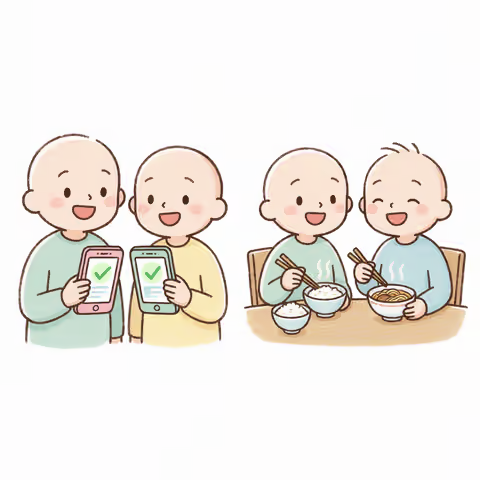
Example: 要是你有空,晚上我们一起吃饭吧。 — If you're free, let's have dinner together tonight.
- CJK: 要 = 要. 是 = 是. JP もし. Canto 如果 jyu4 gwo2 / 要係. Not 要 as “want.”
- Fun fact: 要是…吧. Colloquial 如果. Pattern: 要是 A,就 B. 如果 is fine in writing; today is the spoken if.
- Memorize: Checking a friend’s free evening, dinner: 要是你有空…
- Study tip: 要是. Don’t answer 要 or 因为.
19. 十字路口(shízì lùkǒu)
intersection; crossroads · persimpangan
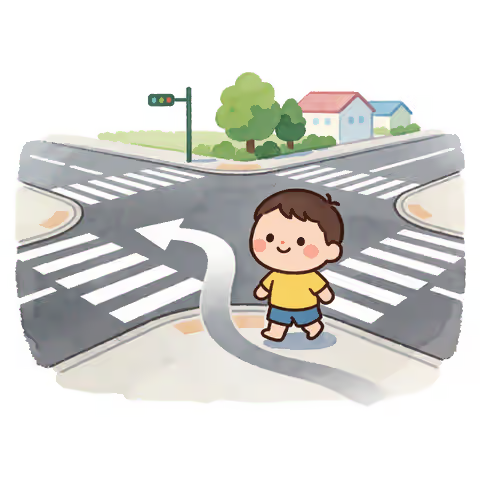
Example: 你走到前面那个十字路口再往左拐。 — Walk to that intersection ahead, then turn left.
- CJK: 十 = 十. 字 = 字. 路 = 路. 口 = 口. JP 交差点. Canto 十字路口 sap6 zi6 lou6 hau2. 十 from above is a cross.
- Fun fact: 往左拐. Giving directions. 路口 is any road-mouth; 十字 makes it a four-way. 拐 = turn (northern); 转 also works.
- Memorize: Four-way, then left: 十字路口再往左拐.
- Study tip: 十字路口. Don’t answer 路 or 街.
20. 符合(fúhé)
to match; to conform to; to meet (a requirement) · sesuai
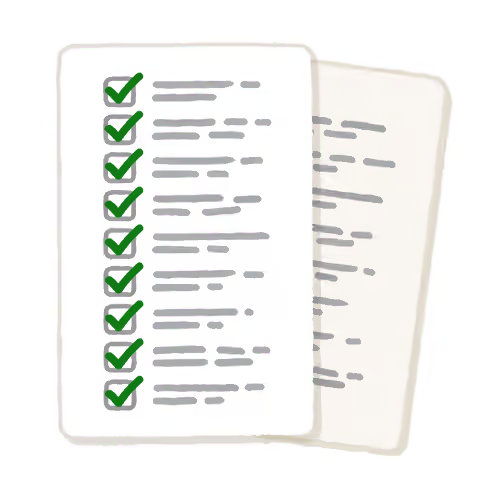
Example: 结果符合我们的计划。 — The result matches our plan.
- CJK: 符 = 符 fú. 合 = 合. JP 符合(ふごう) / 一致. Canto 符合 fu4 hap6. Same 合 as 合适. Not 幅.
- Fun fact: 符合计划. Result lines up with the plan. 适合 is “suits (you)”; 相符 is close. Physics “coincidence” is a later sense.
- Memorize: Plan paper + result ticks: 结果符合我们的计划.
- Study tip: 符合. Don’t answer 适合 or 幅.