Anki session
Cantonese 2
廣東話
- New
- 20
- Learn
- 22
- Review
- 33
Session: 20 new remaining of the 20/day cap · 22 learning waiting · 33 reviews due.
Click Cantonese::Level2, not Level1. Level1 is review-only now. Learning is in front: clear the 22 waiting cards first, then new cards mix into the 33 reviews.
This is a third sheet for today (HSK is 2026-09-13.md, Japanese is 2026-09-13-japanese-level2.md).
Session plan
- Twenty-two still in learning. Anki will serve those before today’s new.
- 心機 today is 冇心機 (can’t be bothered), not Mandarin 心机 “scheming.” 友 is 條友 “some guy,” not 朋友.
- hea is Kongish: idle after work. 喔 is the “oh, you’re here” sound (ak1).
- Ghost pair: 轉身 then 鬼. Truth pair: 老實 vs 大話.
- 細 = small/youngest (Mandarin 小). 做人 is how you conduct yourself, not “be a person” as biology.
1. 自然(zi6 jin4)
nature; natural · alam; alami
Example: 噚晚電視有一個好好嘅節目,係關於大自然嘅。 — Last night there was a great TV program about nature.

- CJK: 自 = 自. 然 = 然. Mandarin 自然. JP 自然(しぜん). Same 然 as HSK 忽然 yesterday.
- Fun fact: 關於大自然. TV nature show. 自然 can also be “naturally / of course.” Today is 大自然.
- Memorize: Sofa, nature documentary on TV: 關於大自然嘅節目.
- Study tip: 自然. Don’t answer 當然.
2. 心機(sam1 gei1)
motivation; the mind for it · minat; pikiran
Example: 佢成日冇心機聽書。 — He never pays attention in class.

- CJK: 心 = 心. 機 = 机 / 機. Mandarin 心机 is scheming — false friend. JP やる気.
- Fun fact: 冇心機聽書. Can’t be bothered to listen in class. 有心機 in Canto can still be “has the drive”; Putonghua 心机 is calculating. Dump the Mandarin sense.
- Memorize: Blank stare at the textbook: 冇心機聽書.
- Study tip: 冇心機. Don’t answer 心机 or 聰明.
3. 友(jau2)
guy; bloke; friend · cowok; teman
Example: 有條友企喺張枱上便 — Some guy is standing on the table.
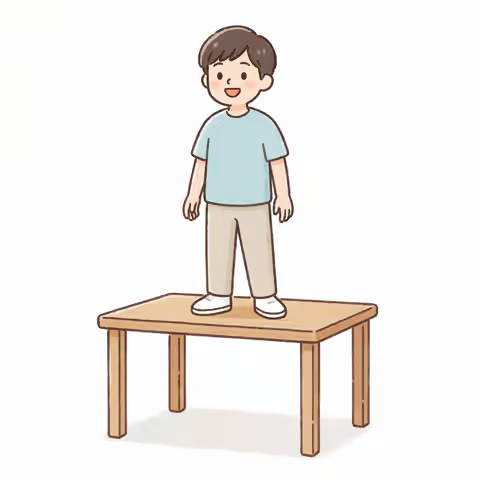
- CJK: 友 = 友. Mandarin 朋友. JP 友(とも). Canto 條友 is “this guy,” often a bit dismissive.
- Fun fact: 有條友企喺枱上. Classifier 條 on a person = informal. 朋友 is the actual friend; today is some random bloke.
- Memorize: Random guy standing on a table: 有條友企喺張枱上.
- Study tip: 條友. Don’t answer 朋友.
4. 細(sai3)
small; junior; youngest · kecil; junior
Example: 佢係班中最細嘅學生。 — He is the youngest student in the class.
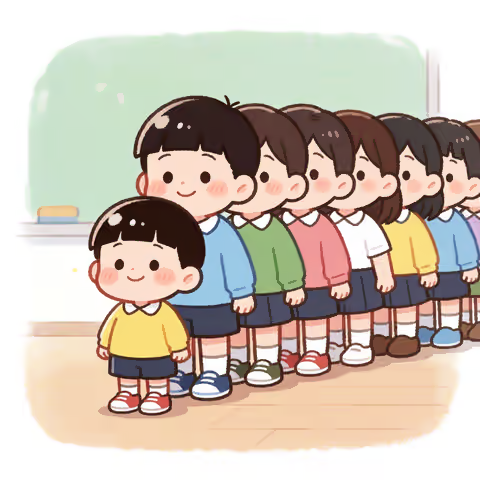
- CJK: 細 = 细 xì. Mandarin 小 for this sense. JP 細い is “thin.” Canto 細 = small/young.
- Fun fact: 最細嘅學生 = the youngest. 細路 = kid. Mandarin 细 is “thin/fine”; don’t gloss this as 仔细.
- Memorize: Shortest kid in the class photo: 班中最細嘅學生.
- Study tip: 細. Don’t answer 小 unless that’s the card.
5. 少爺(siu3 je4)
young master · tuan muda
Example: 少爺今日唔開心,全部人都要小心啲。 — The young master is unhappy today, everyone needs to be careful.
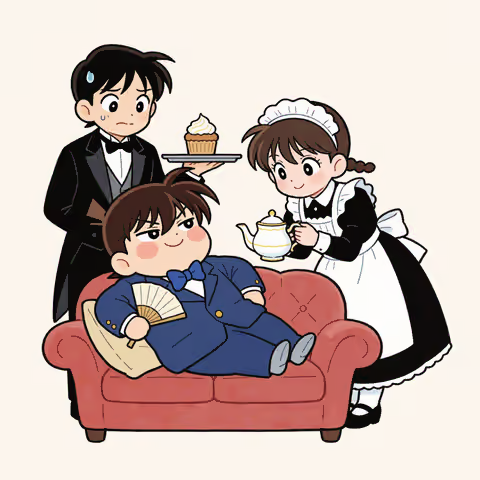
- CJK: 少 = 少. 爺 = 爷. Mandarin 少爷. JP 若様. HK drama / old-house flavor.
- Fun fact: 少爺今日唔開心. Staff walking on eggshells. 小姐 is the female counterpart in that register; 少爷脾气 is the spoiled-temper compound.
- Memorize: Sofa throne, servants tiptoeing: 少爺今日唔開心.
- Study tip: 少爺. Don’t answer 老闆.
6. 試下(si3 haa5)
try; have a go · coba
Example: 試下從呢啲方向同大家講。 — Try explaining it to people from this perspective.
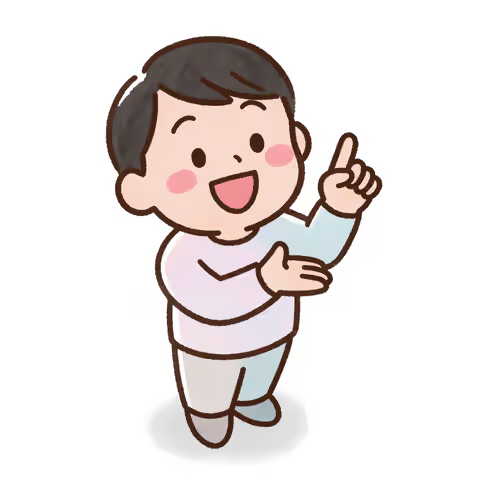
- CJK: 試 = 试. 下 = 下. Mandarin 试试看. JP してみて. 下 is the tentative aspect.
- Fun fact: 試下…講. Have a go from this angle. 試 is the verb; 下 makes it “just try.” Not 考試.
- Memorize: Hands shaping a new angle at the whiteboard: 試下從呢啲方向講.
- Study tip: 試下. Don’t answer 考試.
7. hea(he3)
to idle; to laze around · bermalas-malasan
Example: 放工之後我鍾意hea一hea,唔想做嘢。 — After work, I like to just idle around and not do anything.

- CJK: Kongish. No character. Mandarin 闲着 / 躺平. JP だらだら.
- Fun fact: hea一hea after 放工. Written in Latin letters on the card. Not English “here.” Tone he3.
- Memorize: Couch, remote, shoes off: 放工之後hea一hea.
- Study tip: hea. Don’t answer 休息 or here.
8. 轉身(zyun3 san1)
to turn around · berbalik badan
Example: 佢一轉身就見到鬼,嚇到喊。 — As soon as he turned around, he saw a ghost and started crying.

- CJK: 轉 = 转. 身 = 身. Mandarin 转身. JP 振り返る. Traditional 轉.
- Fun fact: 一轉身就見到鬼. Instant scare. Pairs with 鬼 later on this sheet. 轉 is zyun3 here, not 傳.
- Memorize: Turning, cute ghost, tears: 一轉身就見到鬼.
- Study tip: 轉身. Don’t answer 走.
9. 每(mui5)
each; every · setiap
Example: 每個人要守規矩。 — Everyone must follow the rules.
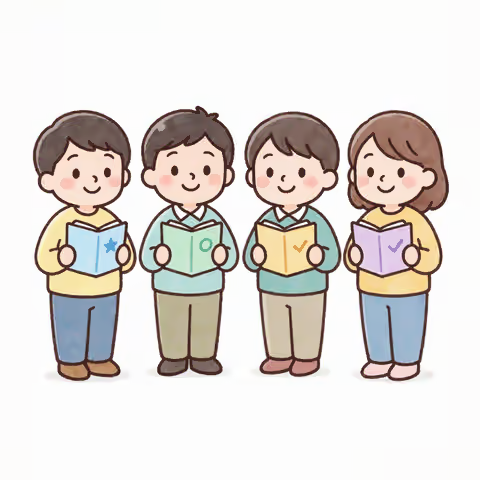
- CJK: 每 = 每 měi. JP 毎(ごと). Mandarin 每. Same 每 as 每天.
- Fun fact: 每個人要守規矩. Everyone. HSK 要是 is “if”; this is “each.” 每個 + classifier.
- Memorize: Whole class holding a rule sheet: 每個人要守規矩.
- Study tip: 每. Don’t answer 都.
10. 老實(lou5 sat6)
honest; frankly · jujur; terus terang
Example: 你要老實講句。 — You have to be honest.

- CJK: 老 = 老. 實 = 实. Mandarin 老实. JP 正直. Traditional 實.
- Fun fact: 老實講句. Tell it straight. Opposite of 大話 later. 老实 in Mandarin can also mean “well-behaved / naive.”
- Memorize: Hand on heart: 老實講句.
- Study tip: 老實. Don’t answer 真.
11. 衝(cung1)
to rush; to charge · menerjang
Example: 有個後生仔突然間衝咗入嚟。 — A young guy suddenly rushed in.
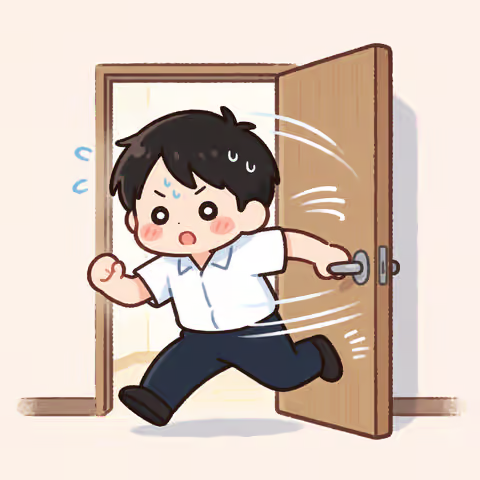
- CJK: 衝 = 冲 chōng. JP 衝(しょう). Mandarin 冲进来. Traditional 衝.
- Fun fact: 衝咗入嚟. Burst through the door. 後生仔 = young guy (cousin of 友). Not 衝涼 (shower) unless that’s a later card.
- Memorize: Door flying open, kid rushing in: 衝咗入嚟.
- Study tip: 衝. Don’t answer 走 or 入.
12. 態度(taai3 dou6)
attitude; manner · sikap
Example: 佢對客人態度好差。 — His attitude toward customers is terrible.
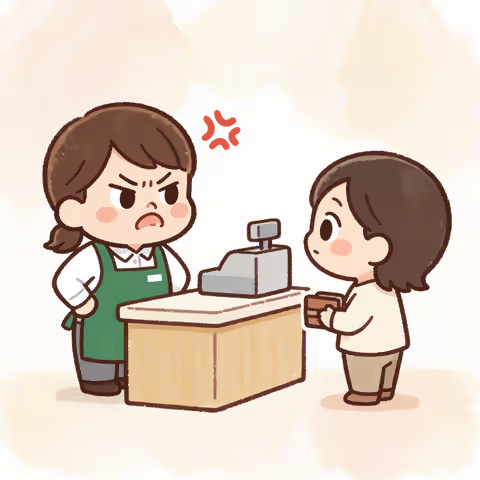
- CJK: 態 = 态. 度 = 度. Mandarin 态度. JP 態度(たいど). Traditional 態.
- Fun fact: 對客人態度好差. Service face. 態度 is how you treat people, not 心情 (mood).
- Memorize: Clerk scowling at a customer: 對客人態度好差.
- Study tip: 態度. Don’t answer 心情.
13. 旁邊(pong4 bin1)
beside; the side · di samping
Example: 佢坐喺我旁邊食飯。 — He sat beside me to eat.
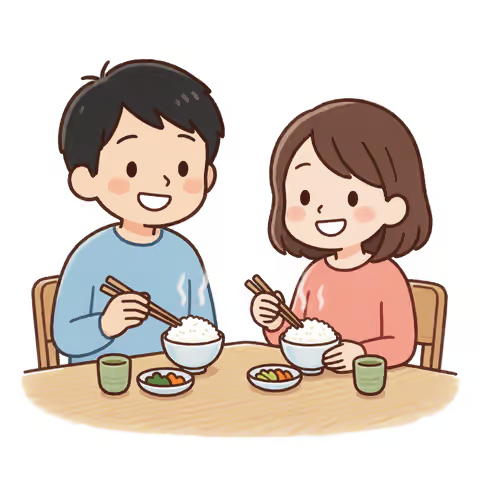
- CJK: 旁 = 旁 páng. 邊 = 边. Mandarin 旁边. JP 横 (today’s JP width card is different). Traditional 邊.
- Fun fact: 坐喺我旁邊食飯. Seat next to you. Japanese 横 today is the 1-meter width; this is “beside me.”
- Memorize: Two bowls, two chairs side by side: 坐喺我旁邊食飯.
- Study tip: 旁邊. Don’t answer 度 or 呢度.
14. 大話(daai6 waa6)
a lie · kebohongan
Example: 佢哋控告話我哋講大話。 — They accused us of telling lies.
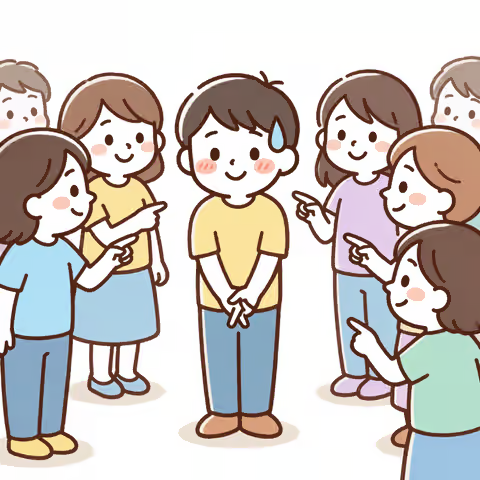
- CJK: 大 = 大. 話 = 话. Mandarin 谎话 / 说大话 (also “brag”). JP 嘘.
- Fun fact: 講大話 = tell a lie. Mandarin 说大话 often means boast. Opposite of 老實講. 控告 = accuse.
- Memorize: Finger pointing, long-nose vibe: 控告話我哋講大話.
- Study tip: 講大話. Don’t answer 故事.
15. 鬼(gwai2)
ghost; sly · hantu; licik
Example: 崩口碗忌崩口鬼,已經天妒英才。 — A chipped bowl fears a chipped ghost; talent is already envied by heaven.

- CJK: 鬼 = 鬼 guǐ. JP 鬼(おに / き). Mandarin 鬼. Same 鬼 as 见鬼.
- Fun fact: The sentence is a proverb (chipped bowl vs chipped ghost). Everyday: 見到鬼 from 轉身. Also 鬼 as “sly.” Today you still need 鬼.
- Memorize: Turning around into a ghost (reuse the 轉身 shot): 見到鬼,嚇到喊.
- Study tip: 鬼. Don’t answer 神.
16. 做人(zou6 jan4)
to conduct yourself; to be decent · bersikap sebagai orang
Example: 做人要講道理,唔好咁自私。 — You should behave reasonably and not be so selfish.
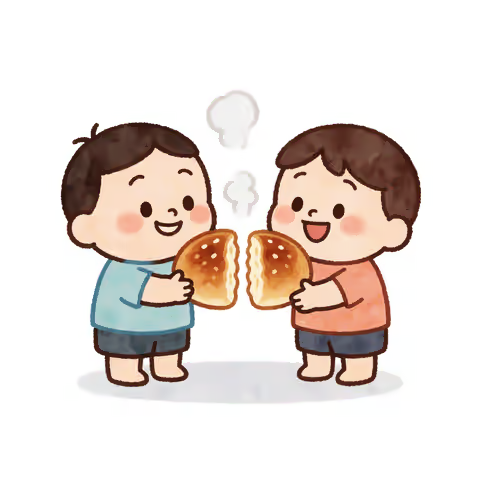
- CJK: 做 = 做. 人 = 人. Mandarin 做人. JP 人として. Not “make a person.”
- Fun fact: 做人要講道理. How you live among people. 唔好咁自私. Pairs with 態度 (how you treat customers) vs this (how you are as a human).
- Memorize: Sharing the last bun, not hogging: 做人要講道理.
- Study tip: 做人. Don’t answer 人 or 做.
17. 家庭(gaa1 ting4)
family (as a household) · keluarga
Example: 我哋家庭有五個人。 — There are five people in my family.
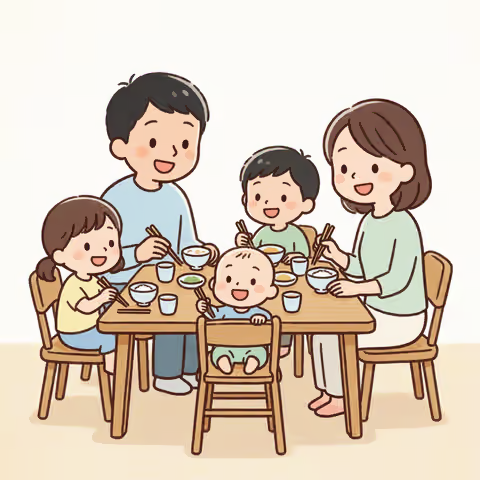
- CJK: 家 = 家. 庭 = 庭. Mandarin 家庭. JP 家庭(かてい). Same 家 as 家人.
- Fun fact: 家庭有五個人. The household unit. 家人 is the people; 屋企 is “home” in Canto. Japanese 次女 is one member of this five.
- Memorize: Dinner table of five: 家庭有五個人.
- Study tip: 家庭. Don’t answer 屋企 unless that’s the card.
18. 曾經(cang4 ging1)
once; previously · pernah
Example: 結果香港幾乎忘記咗呢個曾經重要嘅人物。 — Eventually Hong Kong almost forgot this once important figure.

- CJK: 曾 = 曾. 經 = 经. Mandarin 曾经. JP かつて. Traditional 曾經.
- Fun fact: 曾經重要嘅人物. Past marker: once-but-not-now. 以前 is “before”; 曾經 flags a completed past state.
- Memorize: Fading portrait, HK skyline: 曾經重要嘅人物.
- Study tip: 曾經. Don’t answer 而家.
19. 冇問題(mou5 man6 tai4)
no problem; sure · tidak masalah; oke
Example: 大家咁辛苦都仲喺度聽緊,冇問題嘅。 — You're all working so hard to keep listening, no problem at all.
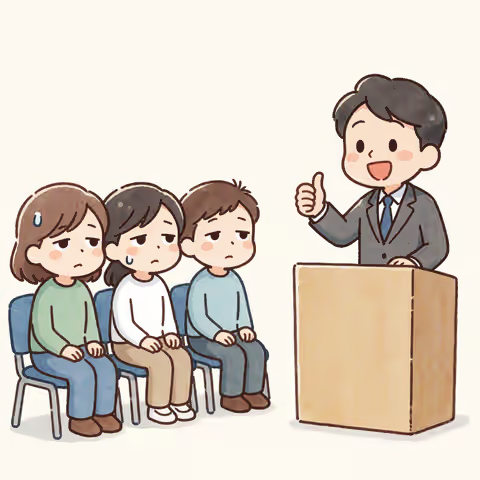
- CJK: 冇 = 没有. 問 = 问. 題 = 题. Mandarin 没问题. JP 問題ない (today’s JP 部分は問題ない).
- Fun fact: 冇問題嘅. Reassurance / “sure.” 冇 is Canto “not have.” Not English “no problem” intonation only — say the three syllables.
- Memorize: Tired audience still listening, thumbs up: 冇問題嘅.
- Study tip: 冇問題. Don’t answer 好 or OK.
20. 喔(ak1)
oh (realization) · oh
Example: 喔,原來你喺度。 — Oh, you're here.
- CJK: 喔. Mandarin 哦. JP あ / おっ. Card reading ak1, not o1.
- Fun fact: 喔,原來你喺度. The “wait, you were here” sound. Different from 吓 / 呵. Keep the card’s ak1.
- Memorize: Turning, spotting a friend already in the room: 喔,原來你喺度.
- Study tip: 喔. Don’t answer 哦 or 啊.