Anki session
Japanese 1
日本語
- New
- 20
- Learn
- 0
- Review
- 95
Session: 20 new remaining of the 20/day cap · 0 learning waiting · 95 reviews due.
Click Japanese::Level1. No learning queue, so new cards interleave with the 95 reviews.
This is a second sheet for today (HSK is 2026-09-10.md). Do not mix the decks in one Anki session.
Session plan
- Nothing in learning. When a new one pops, match it to the number below.
- Question pair: 誰(だれ) / いつ. 会う hangs on 誰.
- 一方 today is 一方通行 (one-way street), not “on the other hand.”
- 空く is すく (empty restaurant), not 開く. 締める is the seatbelt, not 閉める.
- 同じ is on this sheet; Cantonese has 同一 the same morning. Civic pile: 社長 / 政府 / 党.
1. 七つ(ななつ)
seven (things) · tujuh (benda)
Example: この子は今年七つになります。 — Our kid's turning seven this year.
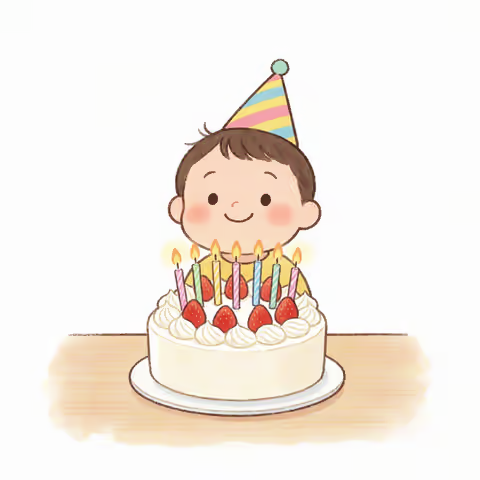
- CJK: 七 = 七 qī. JP ななつ (native counter), not しち. Canto 七 cat1. Age-in-things: 一つ、二つ…七つ.
- Fun fact: Kids’ age often uses つ until 10: 七つ = seven years old. 七歳(ななさい) is the Sino reading. 七 people is 七人(しちにん / ななにん).
- Memorize: Cake with seven candles: 今年七つになります.
- Study tip: 七つ. Don’t answer 七さい or しち unless that’s the card.
2. ご飯(ごはん)
cooked rice; meal · nasi; makan
Example: 私はパンよりご飯が好きだ。 — I prefer rice to bread.
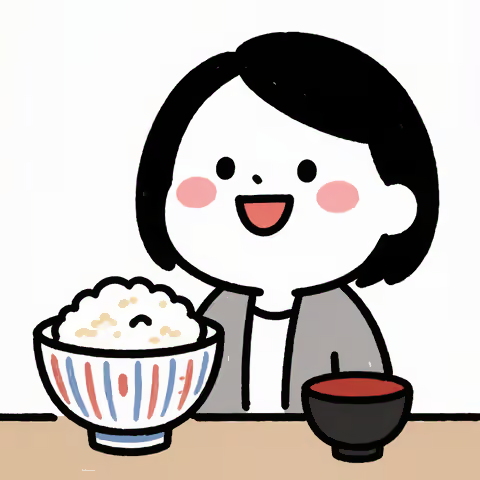
- CJK: 飯 = 飯 fàn. JP ご + 飯. Canto 飯 faan6. ご is honorific prefix, not a kanji.
- Fun fact: ご飯 is both the grain and “a meal” (朝ごはん). Today’s sentence is rice-vs-bread, so the grain. 米飯 is the formal rice.
- Memorize: Bowl of rice winning against a loaf: パンよりご飯.
- Study tip: ご飯. Don’t answer 米 (uncooked) or 食事 unless that’s the card.
3. 誰(だれ)
who; whom · siapa
Example: 誰と会ってみたいですか。 — Who would you like to meet one day?
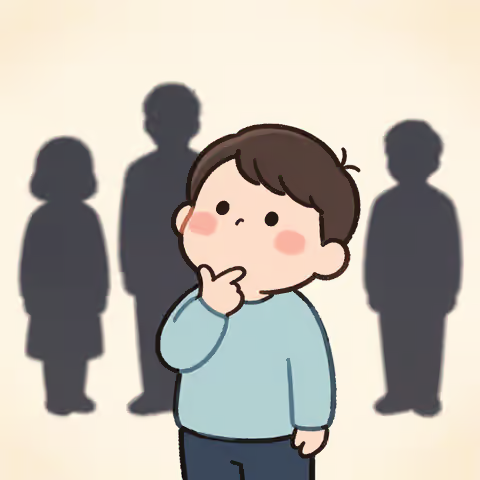
- CJK: 誰 = 誰 shéi. JP だれ (casual). どなた is polite. Canto 邊個.
- Fun fact: 誰と会う. Particle と because 会う takes と. 誰が / 誰を / 誰と are different pictures. Ties to 会う later.
- Memorize: Silhouettes, finger hovering: 誰と会ってみたい.
- Study tip: 誰と. Don’t answer どなた unless the card is that.
4. 一方(いっぽう)
one way · satu arah
Example: ここは一方通行です。 — This is a one-way street.
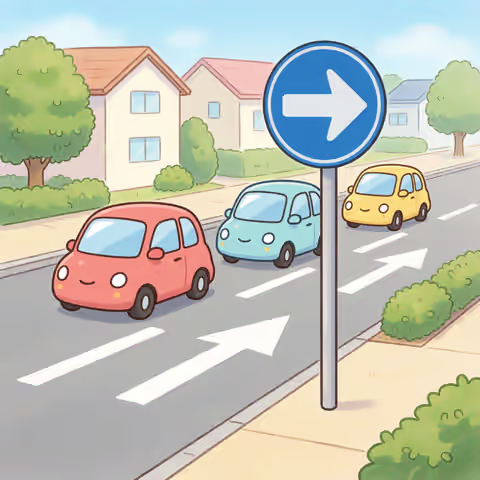
- CJK: 一 = 一. 方 = 方 fāng. JP いっぽう. Canto 一方 jat1 fong1. 通行 = passage.
- Fun fact: 一方通行 = one-way traffic. Textbook also uses 一方で “on the other hand.” Today is the street. 一方的 is “one-sided.”
- Memorize: Arrow street, cars only one way: 一方通行.
- Study tip: 一方通行. Don’t answer 反対 or “however.”
5. ため(ため)
sake; purpose · untuk; kepentingan
Example: これは医者のためのサイトです。 — This is a site for doctors.

- CJK: Usually kana. Kanji 為 exists; this card is ため. Canto 為咗. Mandarin 为了.
- Fun fact: AのためのB = B for the sake of A. 医者のためのサイト. ために + verb is “in order to.”
- Memorize: Stethoscope on a website: 医者のためのサイト.
- Study tip: のための. Don’t answer から or ので.
6. 同じ(おなじ)
same; identical · sama
Example: 彼の日本語のレベルは私と同じ位だ。 — His Japanese level is about the same as mine.
- CJK: 同 = 同 tóng. じ is okurigana. JP おなじ. Canto 同一 is on today’s Canto sheet. Mandarin 一样 / 同样.
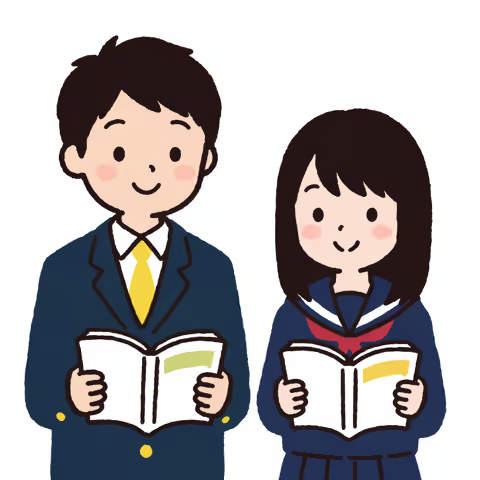
- Fun fact: と同じ. 同じ位(くらい) = about the same. Not 一緒 (together).
- Memorize: Two level bars at the same height: 同じ位.
- Study tip: と同じ. Don’t answer 一緒.
7. 空く(すく)
be empty · kosong
Example: レストランは空いていました。 — The restaurant was empty.

- CJK: 空 = 空 kōng. JP すく here, also あく / から. Canto 空 hung1. Mandarin 空.
- Fun fact: 空いている = not crowded. お腹が空く is a different 空く (hungry). Today is the restaurant. 開く is “open for business.”
- Memorize: Empty tables, lights on, no crowd: 空いていました.
- Study tip: 空く / 空いている. Don’t answer 開く or から.
8. いつ(いつ)
when · kapan
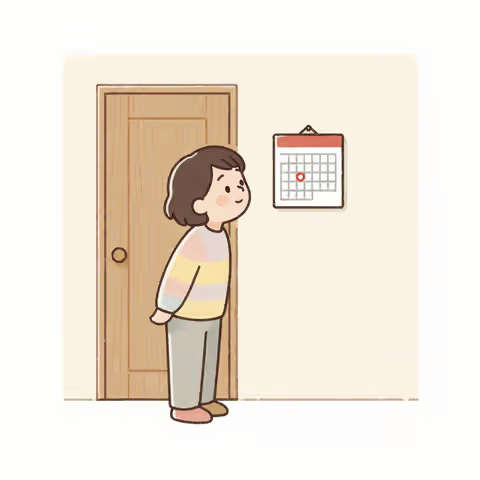
Example: 彼女はいつ来ますか。 — When is she coming?
- CJK: Kana only. Mandarin 什么时候. Canto 幾時 (today’s 几 card is that family).
- Fun fact: いつ来ますか. Pair with 誰. いつか = someday. いつも = always.
- Memorize: Calendar, waiting by the door: いつ来ますか.
- Study tip: いつ. Don’t answer 何時(なんじ) — that’s clock time.
9. 名前(なまえ)
name · nama
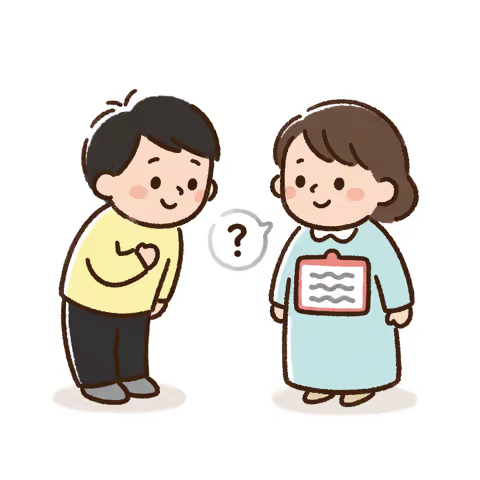
Example: あなたの名前を教えてください。 — Please tell me your name.
- CJK: 名 = 名 míng. 前 = 前. JP なまえ. Canto 名 mei4 / 名 名. Mandarin 名字. 前 is not “in front” here; it’s the lexicalized 名前.
- Fun fact: を教えてください. お名前 is polite. 氏名 is the full legal name.
- Memorize: Name-tag, please-tell-me bow: 名前を教えて.
- Study tip: 名前. Don’t answer な or 名字.
10. 首(くび)
neck · leher
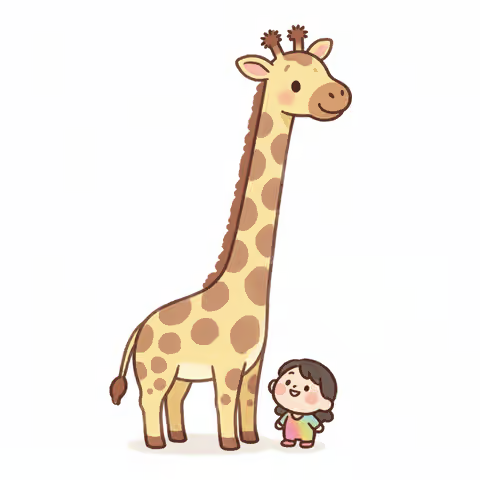
Example: きりんの首は長い。 — Giraffes' necks are long.
- CJK: 首 = 首 shǒu (HSK “head / chief”). JP くび = neck. Canto 頸 geng2 for the body part; 首 sau2 is “head/first.”
- Fun fact: Body-part くび. Slang 首になる = get fired (the head rolls). Today is the giraffe.
- Memorize: Giraffe neck vs human: 首は長い.
- Study tip: 首. Don’t answer 頭 or “fired” unless the sentence is that.
11. 社長(しゃちょう)
company president · direktur; presiden perusahaan
Example: おばは小さな会社の社長です。 — My aunt is the president of a small firm.

- CJK: 社 = 社 shè. 長 = 長. JP しゃちょう. Canto 社長 se5 zoeng2. Mandarin 社长 / 总经理. HSK 长 as chief.
- Fun fact: 社長 is the top of that 会社, even a tiny one. おば = aunt. Not 大統領 (country president).
- Memorize: Aunt at a small-office desk plate: 会社の社長.
- Study tip: 社長. Don’t answer 大統領 or 先生.
12. 見せる(みせる)
show · menunjukkan
Example: その写真を見せてください。 — Please show me those pictures.
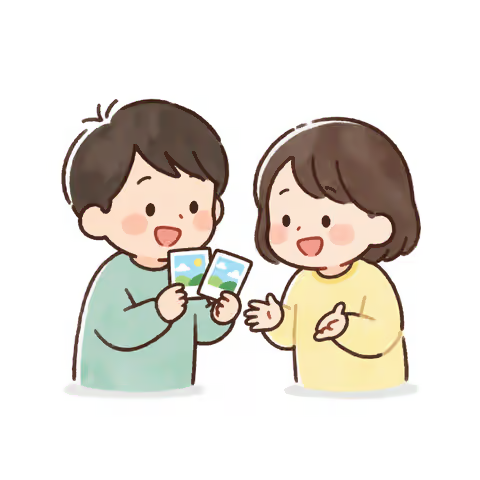
- CJK: 見 = 見 / 见 jiàn. JP みせる is the causative-looking “let see.” Canto 俾…睇. Mandarin 给…看.
- Fun fact: を見せて. 見る is you look; 見せる is you show someone. Te-form 見せてください.
- Memorize: Phone photos held out: 写真を見せて.
- Study tip: を見せる. Don’t answer 見る.
13. 会う(あう)
meet · bertemu
Example: また会いましょう。 — Let's meet again.
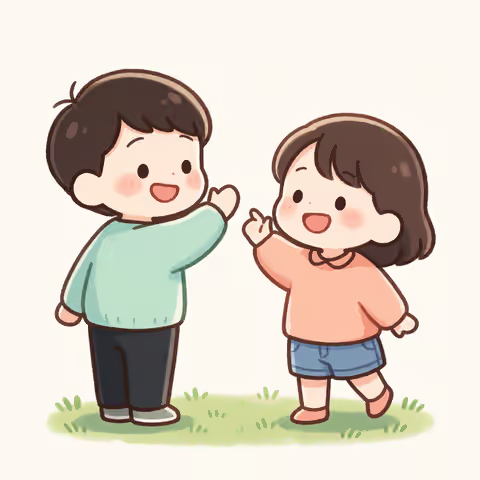
- CJK: 会 = 會 / 会 huì. JP あう. Canto 見面. Mandarin 见面. Same 会 as 会話, here the verb.
- Fun fact: 人と会う / と会う. また会いましょう is the goodbye-meet-again. Ties to 誰と会う.
- Memorize: Two people waving, see-you: また会いましょう.
- Study tip: に/と会う. Don’t answer 見る.
14. 授業(じゅぎょう)
class; lesson · pelajaran
Example: 今日は日本語の授業があります。 — There's going to be a Japanese class today.
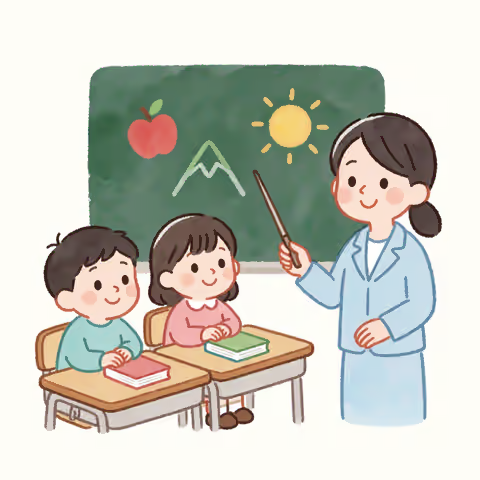
- CJK: 授 = 授 shòu. 業 = 業 yè. JP じゅぎょう. Canto 課堂. Mandarin 课. 授業する = to teach a class.
- Fun fact: 授業があります. 授業中 = during class. 授業 vs 授業員 no — that’s not a word. 授業 vs 課(か) as in 第三課.
- Memorize: Classroom, Japanese on the board: 日本語の授業.
- Study tip: 授業. Don’t answer 学校 or 勉強.
15. 締める(しめる)
tighten; fasten · mengencangkan
Example: 彼はシートベルトを締めた。 — He fastened his seat belt.
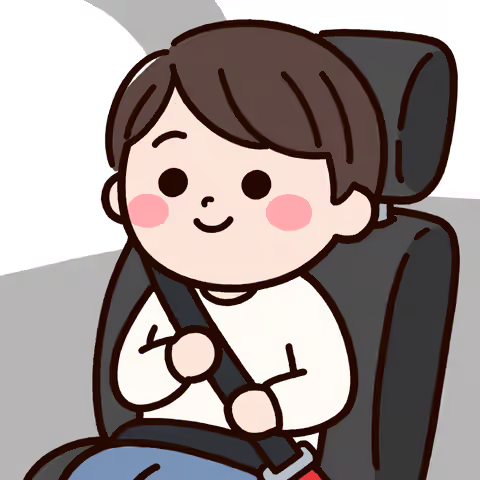
- CJK: 締 = 締 dì. JP しめる. Canto 綁. Mandarin 系 / 系上. Not 閉.
- Fun fact: ベルトを締める. 閉める is close a door. 占める is occupy. Same しめ- sound, three verbs.
- Memorize: Click of a seatbelt: シートベルトを締めた.
- Study tip: 締める. Don’t answer 閉める.
16. 政府(せいふ)
government · pemerintah
Example: そのデモについて政府は何もしなかった。 — The government didn't do anything about the demonstration.
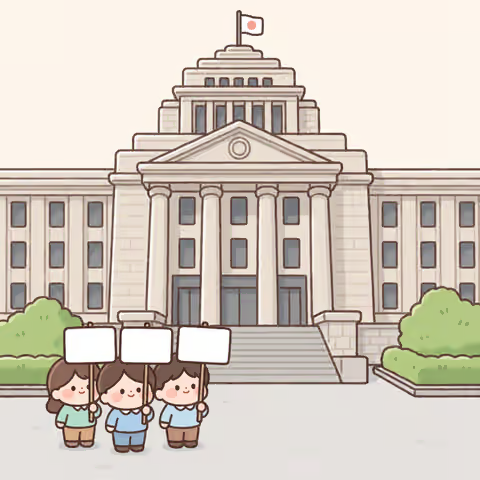
- CJK: 政 = 政 zhèng. 府 = 府 fǔ. JP せいふ. Canto 政府 zing3 fu2. Mandarin 政府. Same 政 as 政治.
- Fun fact: 政府は何もしなかった. Ties to 党 next: government vs party. デモ = demonstration.
- Memorize: Building doing nothing while a march passes: 政府は何もしなかった.
- Study tip: 政府. Don’t answer 国.
17. 利用(りよう)
use; utilization · memakai; memanfaatkan
Example: 私はよく図書館を利用します。 — I often use the library.

- CJK: 利 = 利 lì. 用 = 用 yòng. JP りよう. Canto 利用 lei6 jung6. Mandarin 利用. Same 用 as 用完了 on the HSK toothpaste card.
- Fun fact: を利用する. Slightly more “make use of a service” than 使う. Libraries, trains, サービスを利用.
- Memorize: Library card, regular visit: 図書館を利用します.
- Study tip: を利用する. Don’t answer 使う unless that’s the card.
18. 党(とう)
political party · partai politik
Example: 党の代表が質問に答えました。 — The party spokesman answered the question.
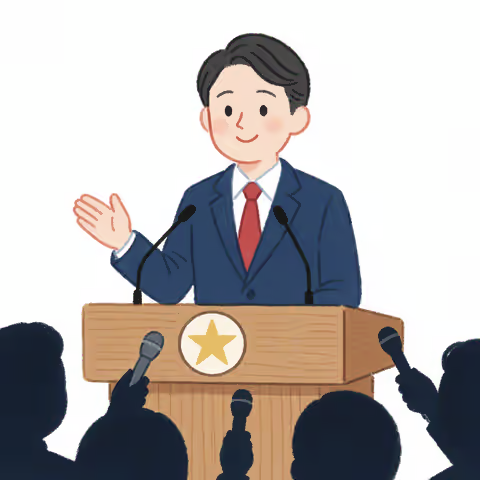
- CJK: 党 = 黨 / 党 dǎng. JP とう. Canto 黨 dong2. Mandarin 党. HSK 党.
- Fun fact: 党の代表. Pair with 政府: 党 talks; 政府 didn’t act (previous card). Not 友達.
- Memorize: Podium, party badge, Q&A: 党の代表.
- Study tip: 党. Don’t answer 政府.
19. お兄さん(おにいさん)
older brother · kakak laki-laki
Example: あなたのお兄さんは何歳? — How old's your big brother?
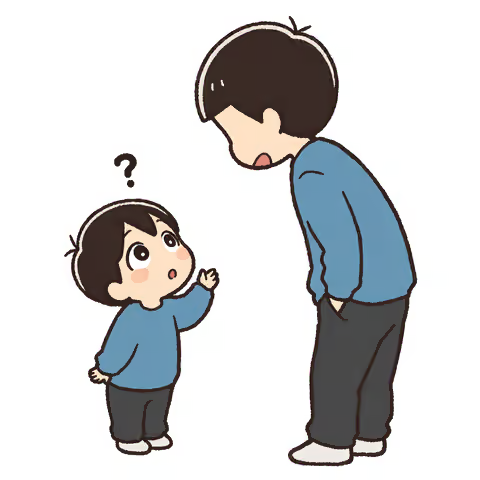
- CJK: 兄 = 兄 xiōng. JP おにいさん (someone else’s / polite). Own brother can be 兄(あに). Canto 大佬 / 哥哥. Mandarin 哥哥.
- Fun fact: お + 兄 + さん. Asking 何歳 of your older brother. お兄さん can also hail a young man.
- Memorize: Pointing at a taller brother: お兄さんは何歳.
- Study tip: お兄さん. Don’t answer 兄 or 弟.
20. ロボット(ロボット)
robot · robot
Example: 彼はロボットの研究をしています。 — He is doing research on robots.

- CJK: Katakana loan. Mandarin 机器人. Canto 機械人 / 機械人. JP stays ロボット.
- Fun fact: の研究をしています. Not 勉強 — 研究 is research. Loan from Czech via English.
- Memorize: Lab coat + a friendly robot: ロボットの研究.
- Study tip: ロボット. Don’t answer 機械 unless that’s the card.