Anki session
Japanese 1
日本語
- New
- 20
- Learn
- 0
- Review
- 84
Session: 20 new remaining of the 20/day cap · 0 learning waiting · 84 reviews due.
Click Japanese::Level1. No learning queue, so new cards interleave with the 84 reviews.
This is a second sheet for today (HSK is 2026-09-09.md). Do not mix the decks in one Anki session.
Session plan
- Nothing in learning. When a new one pops, match it to the number below.
- Time pile: 頃(ころ) / 時(とき) / 日(にち in 11日) / 年(とし in 新しい年). Four “time” cards, four readings.
- Feel cluster: 感じる / 気持ち / 好き / 欲しい — body sense vs emotion vs like vs want.
- どちら is the polite which; そう is “that way.”
- 消す today is lights off, not erase. 負ける is lose a match, not なくす.
1. 実現(じつげん)
implementation, realization · perwujudan; merealisasikan
Example: 夢を実現するには努力が必要です。 — You need to make an effort to make your dreams come true.

- CJK: 実 = 實 / 实 shí. JP 実 is the simplified 実. 現 = 現 xiàn. Mandarin 实现. Canto 實現 sat6 jin6.
- Fun fact: 夢を実現する. を実現, not が. には marks the condition: to realize X, you need Y.
- Memorize: Dream bubble + sweat: 夢を実現する.
- Study tip: を実現する. 実現可能. Don’t answer 現実 (reality).
2. 頃(ころ)
time; around when · masa; kala
Example: 子供の頃、よくその公園で遊んだ。 — I often played in that park when I was a kid.

- CJK: 頃 = 頃 qǐng (rare in HSK). JP ころ. Canto 嗰陣. Mandarin 的时候.
- Fun fact: Noun の頃: 子供の頃, 学生の頃. Softer than 時. “Around that era of life.”
- Memorize: Kid on a swing, faded photo: 子供の頃.
- Study tip: N の頃. Don’t answer 時 if the card is 頃 (and vice versa — both are in this batch).
3. 感じる(かんじる)
feel, sense · merasakan
Example: 膝に痛みを感じます。 — I feel a pain in my knee.
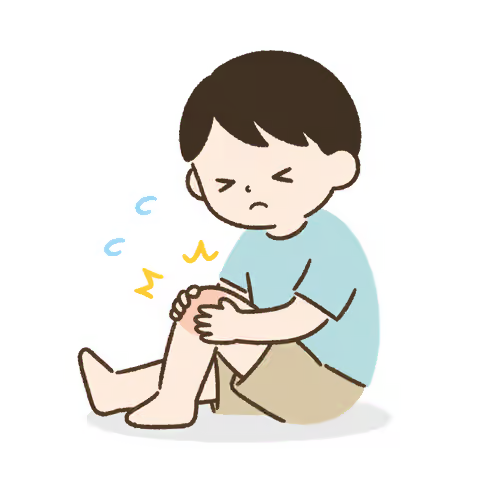
- CJK: 感 = 感 gǎn. JP ichidan 感じる. Mandarin 感觉到. Canto 感覺.
- Fun fact: を感じる. Body: 痛み / 寒さ. Also 感じがする. Pair with 気持ち (#7) — 感じる is the verb of sensing; 気持ち is the noun “feelings.”
- Memorize: Hand on knee, wince: 痛みを感じる.
- Study tip: を感じる. 感じます polite. Don’t answer 思う.
4. 話(はなし)
talk, story · cerita; pembicaraan
Example: あなたの話は面白いね。 — Your story's interesting.

- CJK: 話 = 話 huà. JP noun はなし (not わ). Mandarin 话. Canto 話 waa6.
- Fun fact: 話をする / 話が面白い. はなし vs verb 話す (はなす). Today is the noun. 面白いね is casual.
- Memorize: Someone leaning in, story-hands: 話は面白い.
- Study tip: 話が / の話. Don’t answer 話す unless the card is the verb.
5. 日(にち)
day · hari; tanggal
Example: 私たちは先月11日に結婚しました。 — We got married last month on the 11th.
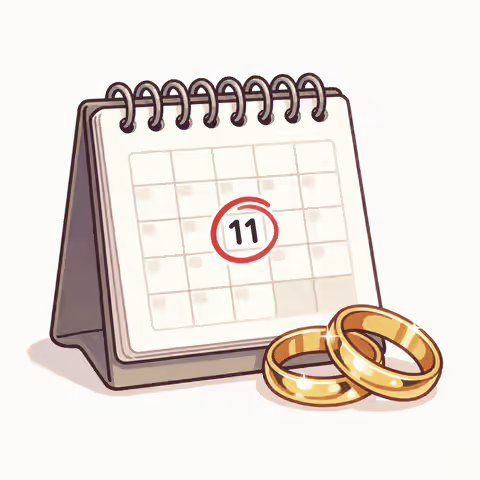
- CJK: 日 = 日 rì. JP にち as the date counter: 11日 = じゅういちにち. Not ひ (sun) and not か (2日 ふつか).
- Fun fact: 11日 is じゅういちにち. 結婚しました last month. The に marks the date.
- Memorize: Calendar box 11 circled, rings: 11日に結婚.
- Study tip: Date + 日 = にち from 11 up (with the usual ついたち/ふつか exceptions not in this sentence). Don’t answer ひ.
6. 使う(つかう)
use · memakai
Example: このパソコンを使ってください。 — Please use this computer.

- CJK: 使 = 使 shǐ. JP 使う. Mandarin 用. Canto 用. 使 in Chinese is “envoy / make someone” — JP 使う is just use.
- Fun fact: を使ってください. 使って is te-form. 使う vs 用いる (stiffer).
- Memorize: Open laptop, please-gesture: パソコンを使ってください.
- Study tip: を使う. Don’t answer 作る.
7. 気持ち(きもち)
feeling, sensation · perasaan
Example: 彼の気持ちが分からない。 — I don't understand his feelings.

- CJK: 気 = 氣 / 气. 持 = 持. JP きもち. Mandarin 心情. Canto 心情 / 感覺.
- Fun fact: 気持ちが分からない is a relationship sentence. 気持ちいい = feels good (body). Two 気持ち.
- Memorize: Heart over the head, shrug: 気持ちが分からない.
- Study tip: 気持ちが. Don’t answer 感じる (verb). Don’t answer 心 alone.
8. 負ける(まける)
lose · kalah
Example: 私たちのチームはその試合で負けた。 — Our team lost the game.
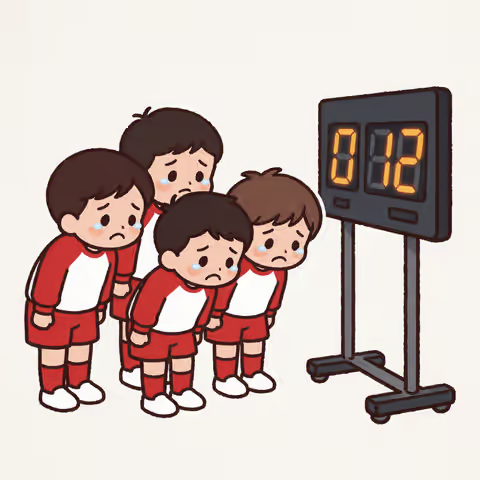
- CJK: 負 = 負 fù (胜负). JP 負ける. Mandarin 输. Canto 輸. Opposite 勝つ.
- Fun fact: 試合で負ける. に負ける can be “lose to someone.” Not なくす (misplace).
- Memorize: Scoreboard, heads down: 試合で負けた.
- Study tip: に負ける / で負ける. Don’t answer 負け (noun) unless that’s the card.
9. どちら(どちら)
which · yang mana
Example: 肉と魚とどちらが好きですか。 — Which do you prefer, meat or fish?
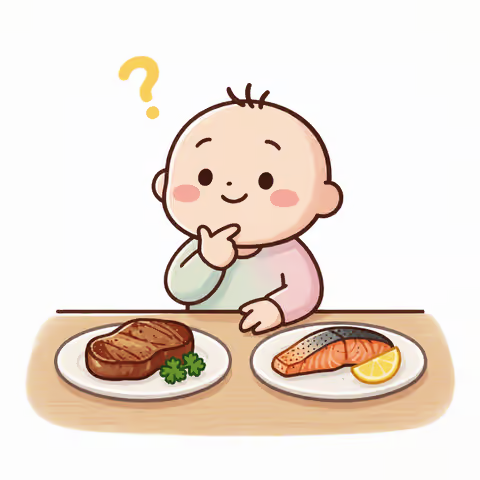
- CJK: Ko-so-a-do: どちら is the polite どれ. Mandarin 哪个. Canto 邊個.
- Fun fact: A と B と どちらが. Two options. どっち is casual. どこ is where.
- Memorize: Meat plate vs fish plate, two hands: どちらが好き.
- Study tip: どちらが. Pair with 好き (#13) in the same sentence pattern. Don’t answer どれ if the card wants どちら (polite).
10. 時(とき)
time · waktu
Example: 時の経つのは早い。 — Time passes by quickly.

- CJK: 時 = 時 shí. JP とき here (not じ o’clock). Mandarin 时间过得真快. Canto 時間.
- Fun fact: 時が経つ. のは nominalizes. 早い is “fast,” not 速い (physical speed) — 早い for time passing is the usual collocation.
- Memorize: Clock blur, hair grey: 時の経つのは早い.
- Study tip: とき vs ころ (#2). とき can be “when ~”; this example is 時 as Time itself. Don’t answer じ.
11. 消す(けす)
switch off, turn off · mematikan
Example: 昼間は電気を消してください。 — Please turn the lights off during the day.
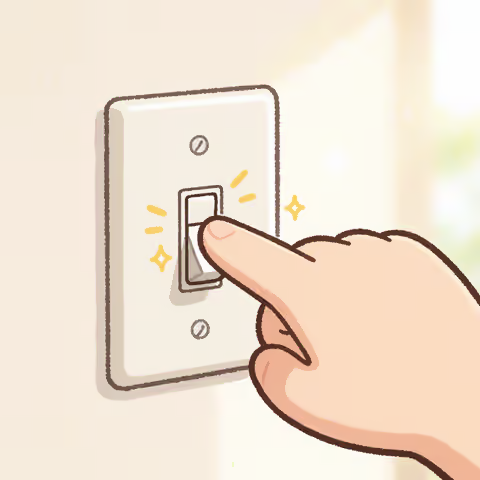
- CJK: 消 = 消 xiāo. JP 消す. Mandarin 关灯. Canto 熄燈. Also “erase” (字を消す) — today is lights.
- Fun fact: 電気を消す. 昼間 = daytime. けす vs 消える (intransitive, light goes out by itself).
- Memorize: Hand on a switch, sun in the window: 電気を消す.
- Study tip: を消す. Don’t answer 消える. Don’t answer 消す-as-eraser unless the object is 字/鉛筆.
12. 食べる(たべる)
eat · makan
Example: 昨日タイカレーを食べました。 — I had Thai curry yesterday.

- CJK: 食 = eat in 食事. JP 食べる is kun. Mandarin 吃. Canto 食.
- Fun fact: を食べました. タイカレー as a loan. Past polite. Core verb you’ll see forever.
- Memorize: Bowl of Thai curry, yesterday calendar: タイカレーを食べた.
- Study tip: を食べる. 食べます. Don’t answer 飲む.
13. 好き(すき)
favorite, liked · suka
Example: 私はワインが好きです。 — I like wine.

- CJK: 好 = like in Chinese 喜欢. JP 好き na-adj. が好き. Canto 鍾意.
- Fun fact: が好き, not を好き. ワイン. Pairs with どちらが好き (#9).
- Memorize: Wine glass, smile: ワインが好き.
- Study tip: が好きです. 好きな N. Don’t use を. 欲しい (#16) is want-to-have, not like.
14. 百(ひゃく)
hundred · seratus
Example: 私の祖母は百才です。 — My grandmother is 100 years old.

- CJK: 百 = 百 bǎi. JP ひゃく. Canto 百 baak3 (also in today’s Canto sheet). Age often さい, written 才 or 歳.
- Fun fact: 百才 = 100 years old. ひゃく, not もも. 三百 is さんびゃく (sound change) — not in this sentence.
- Memorize: Birthday cake with 100: 祖母は百才.
- Study tip: 百 + counter. Don’t answer 千.
15. 声(こえ)
voice, sound · suara
Example: 彼は大きな声で話した。 — He spoke loudly.

- CJK: 声 = 聲 / 声 shēng. JP こえ. Mandarin 声音. Canto 聲.
- Fun fact: 大きな声で + verb. で marks means. 声が大きい. 声をかける = call out to someone.
- Memorize: Hands around mouth, big wave: 大きな声で話した.
- Study tip: 声で話す. Don’t answer 音 (object sound) unless that’s the card.
16. 欲しい(ほしい)
want, desire · ingin; mau
Example: 僕は新しい靴が欲しいです。 — I want new shoes.

- CJK: 欲 = 欲 yù. JP i-adj ほしい. Mandarin 想要. Canto 想要. が欲しい.
- Fun fact: 僕 (male casual). 新しい靴. が欲しい, not を. ~てほしい is want-someone-to-do — not this card.
- Memorize: Point at new sneakers in a shop: 靴が欲しい.
- Study tip: が欲しい. Contrast 好き — you can 好き a wine you already have; 欲しい is the un-owned thing.
17. 紙(かみ)
paper · kertas
Example: 紙と鉛筆はありますか。 — Do you have paper and pencil?

- CJK: 紙 = 紙 zhǐ. JP かみ. Mandarin 纸. Canto 紙.
- Fun fact: 紙と鉛筆. はありますか existence. 紙 vs 髪 (same かみ, hair) — different kanji.
- Memorize: Blank sheet + pencil on a desk: 紙と鉛筆.
- Study tip: 紙. Don’t answer 髪. Classifier 枚 later.
18. そう(そう)
in such manner, that way · begitu; seperti itu
Example: 私もそう思います。 — That's what I think too.
- CJK: Not a kanji. Ko-so-a-do cousin of こう/ああ. Mandarin 这么/那么. Canto 咁.
- Fun fact: そう思う = think so. そうですね. そうです. Today is “that way,” not そう as “monk” 僧.
- Memorize: Nod: 私もそう思います.
- Study tip: そう思う / そうする. Don’t answer こう unless the card is こう.
19. 耳(みみ)
ear, hearing · telinga; pendengaran
Example: 彼女は耳がよく聞こえません。 — Her hearing isn't very good.

- CJK: 耳 = 耳 ěr. JP みみ. Mandarin 耳朵. Canto 耳.
- Fun fact: 耳が聞こえる. よく聞こえません = hearing isn’t good. 耳が遠い = hard of hearing (older).
- Memorize: Hand behind ear: 耳がよく聞こえない.
- Study tip: 耳が聞こえる. Don’t answer 聞く (the verb to listen).
20. 年(とし)
year, age · tahun; usia
Example: 新しい年が始まりました。 — A new year has started.
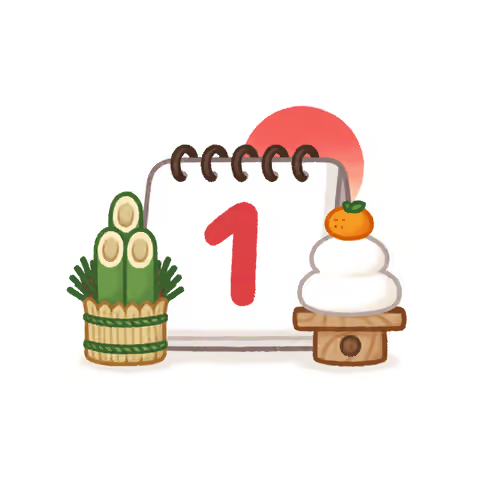
- CJK: 年 = 年 nián. JP とし in 新しい年 (the year as a stretch of life/calendar), not ねん in 2026年.
- Fun fact: 年が始まる. としより = elderly. ねん is the counter reading: 三年. This card’s example is とし.
- Memorize: New calendar, January 1: 新しい年が始まった.
- Study tip: とし vs ねん. If you hear 2026年, that’s ねん. Don’t mix with 日 (#5).