Anki session
Japanese 1
日本語
- New
- 20
- Learn
- 0
- Review
- 114
Session: 20 new remaining of the 20/day cap · 0 learning waiting · 114 reviews due.
Click Japanese::Level1. No learning queue, so new cards interleave with the 114 reviews.
This is a second sheet for today (HSK is 2026-09-08.md). Do not mix the two decks in one Anki session.
Session plan
- Nothing in learning. When a new one pops, match it to the number below.
- Calendar cluster lands on today: 八日 is the 8th, 火曜日 is Tuesday — 2026-09-08 is both. 七 is the leftover number.
- Clusters: time of day / year (昼 / 秋 / 八日 / 火曜日), adjectives (若い / 汚い / 遅い / 難しい), plan lock-in (予定 / 決まる), happen vs take out (起こる / 出す).
- Traps: 起こる is intransitive happen, not yesterday’s 起こす (wake someone). 円 in the example is a circle, not yen. 大丈夫 in Chinese is “real man.” 直ぐ is すぐ, not ちょく. お姉さん needs the お.
1. 起こる(おこる)
happen · terjadi
Example: 町で大事件が起こりました。 — There was a major incident in town.

- CJK: 起 = 起 qǐ. JP intransitive 起こる. Canto 發生. Mandarin 发生. Yesterday’s sheet had 起こす — wake / cause; different verb.
- Fun fact: 事件が起こる, 問題が起こる. おこる also means “get angry” when written 怒る — this card is 起こる. 大事件 is a big incident, town-scale, not a polite 用事.
- Memorize: News cameras in the street: 事件が起こった. Palms up, “it happened,” not shaking someone awake.
- Study tip: が起こる. Potential 起こりうる later. Don’t answer 起こす. 怒る is a homophone trap.
2. 近く(ちかく)
vicinity, nearby · dekat, sekitar
Example: 私の家は駅の近くです。 — My house is near the station.
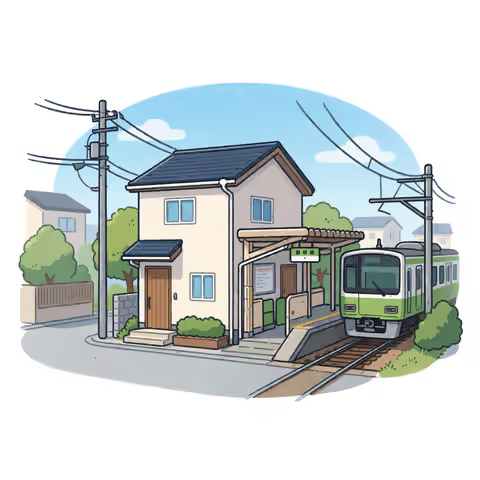
- CJK: 近 = 近 jìn. JP 近く (noun/adverb) vs 近い (i-adj). Canto 近. Mandarin 附近 / 靠近.
- Fun fact: 駅の近く = in the station’s vicinity. 近くに店がある. Not 近いです after の — you need 近く for the “near X” noun slot.
- Memorize: House with a station icon next door: 駅の近く. Point around you.
- Study tip: X の近く. 近くに. 近い is 駅が近い. Don’t write 近かく.
3. 若い(わかい)
young · muda
Example: 彼はまだ若いです。 — He's still young.

- CJK: 若 = 若 ruò (若是, 若干) — Mandarin is not “young.” JP 若い. Canto joek6. Young in CN is 年轻. Same 若 as 若手.
- Fun fact: まだ若い = still young (excuse or compliment). 若く見えます. Antonym 古い for things, 年を取った for people.
- Memorize: Student ID, baby face: まだ若い. Pat a junior’s shoulder.
- Study tip: 若い + 人/頃. Don’t gloss 若 as ruò “if.” 若い vs 幼い (child-small).
4. 八日(ようか)
eight days, 8th of the month · delapan hari, tanggal 8
Example: 八日からイギリスに行きます。 — I go to England on the eighth.
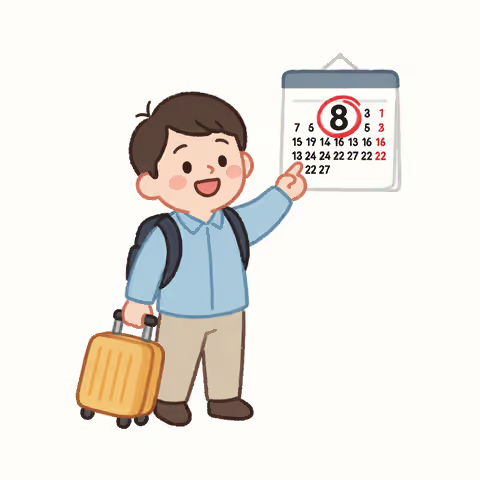
- CJK: 八 = bā. 日 = day. JP irregular ようか, not はちにち. Canto 八號. Mandarin 八号. Today is 2026-09-08.
- Fun fact: Date series with ついたち, ふつか, … ようか. 八日から = starting the 8th. イギリスに行く uses に for arrival day.
- Memorize: Calendar boxed 8, passport: 八日から. Say ようか out loud, never はちにち.
- Study tip: 八日 vs 八時 (hachi-ji). Counter 日 for duration: 八日間. Don’t read ようび (that’s weekday 曜日).
5. 汚い(きたない)
dirty · kotor
Example: 彼の部屋はとても汚い。 — His room is very dirty.

- CJK: 汚 = 污 / 汚 wū. JP 汚い. Canto wu1. Mandarin 脏. 氵 + 亏-ish dirt.
- Fun fact: Room chaos, dishes, 汚い言葉 (vulgar language) as a second life. とても汚い, past 汚かった. Antonym 奇麗 from yesterday.
- Memorize: Clothes-floor room: 部屋が汚い. Pinch nose.
- Study tip: 汚い vs 汚れる (become dirty). Don’t read きたない as きったない extra っ unless casual speech.
6. 昼(ひる)
daytime, midday · siang, tengah hari
Example: 私は昼のドラマを毎日見ます。 — I watch daytime dramas every day.
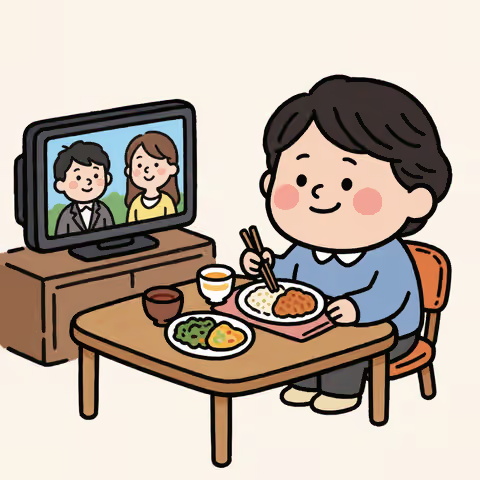
- CJK: 昼 = 晝 zhòu (昼夜). JP kun ひる. Canto zau3. Mandarin 中午 / 白天. Not 夜.
- Fun fact: 昼のドラマ = midday soap (主婦ドラマ). 昼ごはん, 昼休み. 毎日見ます is the habit, not one episode.
- Memorize: Lunch tray + TV soap: 昼のドラマ. Sun overhead.
- Study tip: 昼に会う / お昼. 昼 vs 午後. Don’t read ひる as まひる unless 真昼.
7. どうして(どうして)
why · kenapa
Example: どうして泣いているの。 — Why are you crying?

- CJK: Kana only. Mandarin 为什么. Canto 點解. JP cousins なぜ (stiffer), なんで (casual).
- Fun fact: どうして + verb. 泣いているの is progressive + soft の. どうしてですか / どうして?. どうして also “how come,” not どうやって (how, method).
- Memorize: Tears, palms out: どうして? Tilt head. Not a recipe “how to.”
- Study tip: どうして〜の / 〜か. Don’t answer どうぞ. どうして vs どうやって.
8. 遅い(おそい)
slow, late · lambat; terlambat
Example: 前の車はとても遅い。 — The car in front is very slow.
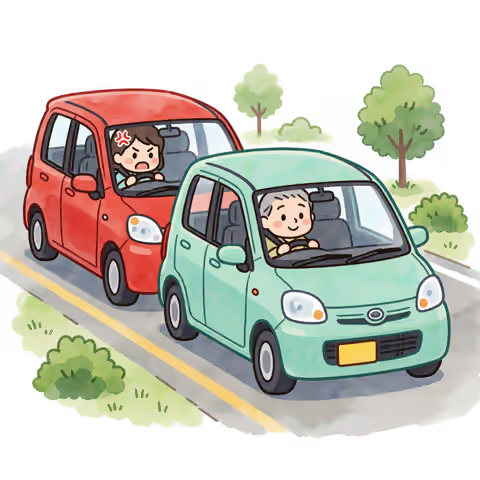
- CJK: 遅 = 遲 迟 chí. JP 遅い. Canto ci4. Mandarin 慢 (slow) / 晚 (late) — Japanese one word both. HSK 车速 was the speed noun.
- Fun fact: Today’s sentence is slow traffic. Same adj: 遅くなる = be late. 遅く起きた. Antonym 速い (speed) / 早い (early) — 速/早 split.
- Memorize: Snail car ahead: 前の車は遅い. Then a clock for the “late” sense.
- Study tip: 遅いに来る. 遅く. Don’t mix 速い and 早い; 遅い covers both opposites.
9. 出す(だす)
take out · mengeluarkan
Example: 彼はかばんから教科書を出した。 — He took the textbook out of his bag.

- CJK: 出 = 出 chū. JP transitive 出す vs intransitive 出る. Canto 拎出嚟. Mandarin 拿出.
- Fun fact: から出す = take out of. Homework 宿題を出す = turn in. 声を出す. Many compounds; the example is physical retrieval.
- Memorize: Textbook sliding out of a bag: から出した. Pull motion.
- Study tip: を出す. から出す. 出る is “come out” by itself. Don’t read だす as しゅつ.
10. お姉さん(おねえさん)
older sister · kakak perempuan
Example: 昨日、あなたのお姉さんに会ったよ。 — I met your older sister yesterday.

- CJK: 姉 = 姐 jiě. JP 姉 / お姉さん. Canto ze2. Mandarin 姐姐. お〜さん is the polite address/reference.
- Fun fact: お姉さん can be “young woman” to a stranger (shop staff calling a customer). Here it’s your older sister. 会ったよ is casual masculine-ish よ.
- Memorize: Wave to someone’s older sister: お姉さんに会った. Don’t drop お on this card.
- Study tip: お姉さん vs 姉 (plain, own sister often 姉). お兄さん parallel. Not 妹.
11. 七(なな)
seven · tujuh
Example: バナナが七本あります。 — There are seven bananas.

- CJK: 七 = 七 qī. JP なな (this card) / しち (clock, 七月). Canto cat1. Classifier 本 for long things.
- Fun fact: Bananas take 本. なな is preferred in counting objects to dodge しち/いち mix-ups. 七日 is なのか, not this card — that’s the date twin of 八日.
- Memorize: Seven bananas in a bunch: 七本. Hold up seven fingers, say なな.
- Study tip: なな + counter. しちじ is 7 o’clock. Don’t say しちほん.
12. 直ぐ(すぐ)
at once, soon · segera; langsung
Example: 直ぐ行きます。 — I'll go right away.

- CJK: 直 = 直 zhí. JP almost always kana すぐ. Canto 即刻. Mandarin 马上. 直ぐ looks like “straight.”
- Fun fact: すぐ行く, すぐそこに (right there). 直ちに is formal twin. まっすぐ is “straight ahead,” different word.
- Memorize: Standing up mid-sentence: すぐ行きます. Finger snap.
- Study tip: すぐ + verb. Don’t on-yomi ちょく. 直す / 正直 are other 直 cards.
13. 火曜日(かようび)
Tuesday · Selasa
Example: 火曜日に会議があります。 — There's a meeting on Tuesday.

- CJK: 火 = 火 huǒ. 曜 = weekday. 日 = day. JP かようび. Canto fo2 joeng6 jat6. Mandarin 星期二. Today is Tuesday.
- Fun fact: Planet/element week: 月火水木金土日. に marks the day of the event. 会議があります = there is a meeting, not します necessarily.
- Memorize: Calendar 火, meeting table: 火曜日に会議. Fire kanji on the square.
- Study tip: 火曜日に. Don’t say ひようび. 火 vs 日ようび (Sunday).
14. 平仮名(ひらがな)
hiragana · hiragana
Example: 私は平仮名を全部読めます。 — I can read all the hiragana.

- CJK: 平 = 平 píng. 仮 = 假 jiǎ. 名 = míng. JP ひらがな. Canto 平假名. Mandarin 平假名. 仮名 = kana; 平 = cursive set vs 片仮名.
- Fun fact: 全部読めます = can read all of them (potential 読める). 仮 is the JP simplified 假. Not 名前’s 名 as “name” in isolation.
- Memorize: あいうえお chart, finger tracing: 平仮名を全部読める.
- Study tip: 平仮名で書く. 片仮名 is the angular twin. Don’t read 平 as たいら here.
15. 円(えん)
circle · lingkaran
Example: そこに大きな円を描いて。 — Draw a big circle there.
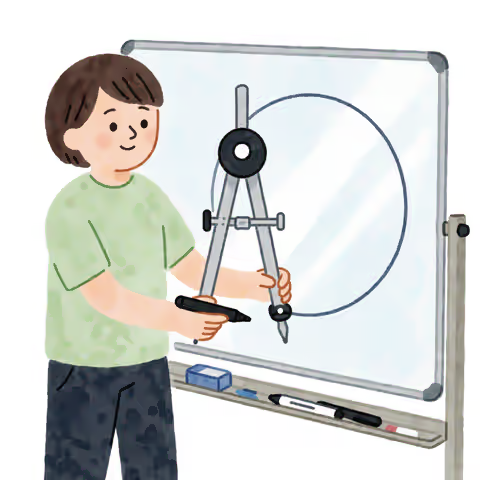
- CJK: 円 = 圓 圆 yuán. JP えん. Canto jyun4. Also the yen kanji — the example is geometry, not 百円.
- Fun fact: 円を描く, 円い (round, often 丸い). Money: 円 is えん as currency. Rank 3 in the deck because yen is everywhere; today they chose the compass.
- Memorize: Compass drawing a circle on the board: 円を描いて. Don’t flash a coin unless the audio is price.
- Study tip: 円を描く vs 円 (yen). 丸 vs 円. Don’t answer 圓’s traditional form if the card is JP 円.
16. 難しい(むずかしい)
difficult · sulit
Example: この本は難しいですね。 — This book is difficult.

- CJK: 難 = 难 nán. JP 難しい. Canto naan4. Mandarin 难. 隹 + 漢-ish — hardship.
- Fun fact: ですね seeks agreement. 難しい can be “it’s complicated / awkward” (難しい話). Antonym 易しい (やさしい, also “kind”).
- Memorize: Thick book, sweat drop: 難しいですね. Push the book away.
- Study tip: 難しい vs 難しさ. Don’t read なん. やさしい is the trap antonym with two meanings.
17. 秋(あき)
autumn, fall · musim gugur
Example: 彼女は秋に結婚します。 — She'll get married this fall.

- CJK: 秋 = 秋 qiū. JP kun あき. Canto cau1. Same glyph as 秋天, 中秋. Grain + fire.
- Fun fact: 秋に結婚 — peak wedding season in JP. 秋です, 秋が来た. Not 春夏冬 on this card. 秋 as a name (あき) exists; here it’s the season.
- Memorize: Red leaves, wedding hall: 秋に結婚. Fan of maple.
- Study tip: 秋に / 秋の. Don’t on-yomi しゅう unless 秋季 / 中秋.
18. 予定(よてい)
schedule, plan · jadwal, rencana
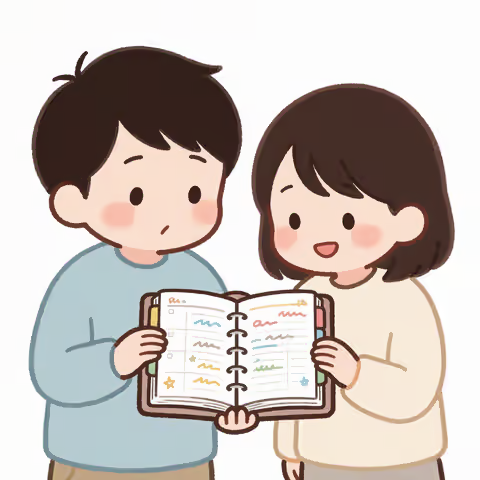
Example: 今日の予定を教えてください。 — Please tell me what your schedule is for today.
- CJK: 予 = 預 yù. 定 = 定 dìng. JP よてい. Canto 預定. Mandarin 预定 / 日程. Pairs with 決まる (#19).
- Fun fact: 予定がある / 予定を教える. 予定日. 教えてください is “tell me,” not 教える as teach a class.
- Memorize: Open planner, finger on today: 今日の予定. Raise eyebrows “what’s the plan.”
- Study tip: 予定です / 予定を立てる. 予約 is a booking, different card.
19. 決まる(きまる)
be decided · diputuskan, ditentukan
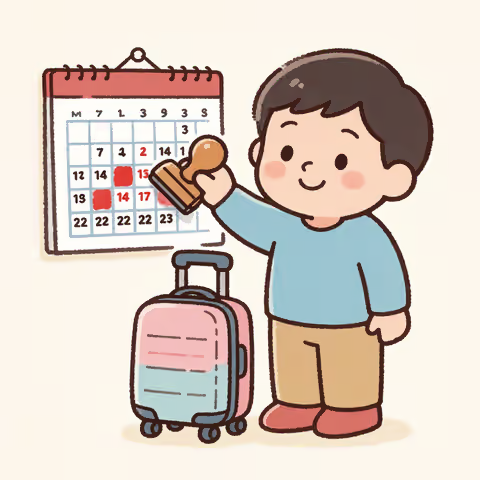
Example: 旅行の日程が決まりました。 — I've decided on my travel schedule.
- CJK: 決 = 决 jué. JP intransitive 決まる vs transitive 決める. Canto 決定. Mandarin 决定. HSK 决定 is the verb you do; JP が決まる is the plan locking in.
- Fun fact: 日程が決まる — the itinerary got decided. English “I’ve decided” hides the intransitive. 決まりました is the polite complete.
- Memorize: Stamp on a travel calendar: 日程が決まった. Palms down, done.
- Study tip: が決まる. を決める is the other verb. Don’t read けつ as kun. Pairs with 予定.
20. 大丈夫(だいじょうぶ)
alright, OK · baik-baik saja; tidak apa-apa
Example: 大丈夫ですか。 — Are you OK?

- CJK: Same three characters as Mandarin 大丈夫 dàzhàngfu = “real man / husband.” Japanese is not that. JP だいじょうぶ. Canto 大丈夫 is the CN reading; HK says 冇事.
- Fun fact: 大丈夫ですか is the concern question. Answer 大丈夫です. Also “it’s fine / I can handle it.” Famous CJK trap; never gloss as 男子汉 on this card.
- Memorize: Trip, thumbs up: 大丈夫? Hands checking a friend, not a flexing 丈夫.
- Study tip: 大丈夫です / ですか. Don’t on-yomi だいじょうふ as a calque of 丈夫. 丈夫 in JP can still mean “sturdy” (adj).