Anki session
Japanese 1
日本語
- New
- 20
- Learn
- 20
- Review
- 176
Session: 20 new remaining of the 20/day cap · 20 learning waiting · 176 reviews due.
Click Japanese::Level1. Learning first (a full 20), then new cards interleave with the 176 reviews. Do not expect a 20-card new block.
Session plan
- Clear learning first. The queue still opens on 調査 ちょうさ and 緑 みどり; there are 20 of them. They will eat the start of the session.
- Then new cards interleave with reviews. When a new one pops, match it to the number below.
- Clusters: one-family (一人 / 一 / 一つ), home & go (帰る / 置く / 飛行機 / 車), like vs can vs hate (本当に / 奇麗 / 出来る / 嫌い), wake & drink (起こす / 飲む).
- 出来る already had a sheet on
2026-09-06— same イタリア語 example. If it feels familiar, it was gathered yesterday but never entered learning. - Traps: 出来る is can, not 出来; 方 is ほう (direction), not かた; 起こす is wake someone; 何 なに vs なん; 一 vs 一つ vs 一人.
1. 本当に(ほんとうに)
really, truly · benar-benar, sungguh
Example: あなたが本当に好きです。 — I really like you.

- CJK: 本 = 本 běn. 当 = 當 = 当 dāng. Japanese ほんとう ≠ Chinese 本当 (not a word) / 真的. HSK today 真正 is the Mandarin cousin. Canto 真係. Often kana ほんとうに.
- Fun fact: Intensifier on 好き, ごめんなさい, 大丈夫. 本当ですか is the doubt question. 本当 is the noun (“truth”); に makes the adverb. Today’s sentence is a confession, not “true fact.”
- Memorize: Both hands on chest: 本当に好き. Don’t bow 本当ですか at the same time — that’s the other button.
- Study tip: 本当に + adj/verb. 本当の + noun (本当の話). Don’t write 本とう. Chinese 真的喜欢 is the gloss, not the card.
2. 一人(ひとり)
one person; alone · satu orang; sendirian
Example: そこには私一人しかいなかった。 — I was the only one there.
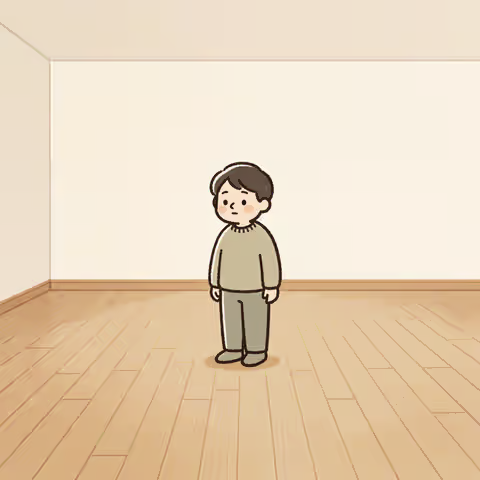
- CJK: 一 + 人. JP ひとり (native), not いちにん except in 一人前 / 一人ひとり. Canto jat1 jan4. Mandarin 一个人. しか〜ない in the example is the “only” clamp.
- Fun fact: Counter-ish person word. 一人で行く = go alone. 一人しかいなかった = nobody else. Pair with 一 (#10) and 一つ (#15): three “one”s, three jobs.
- Memorize: Empty room, one stick figure: 一人しかいない. Hold up a single finger next to your face.
- Study tip: 一人で. 一人しか. Not ひとりの人 redundantly. 独り is a later spelling for “alone.”
3. 飛行機(ひこうき)
airplane · pesawat
Example: 息子は飛行機のおもちゃが好きです。 — My son likes toy airplanes.

- CJK: 飛 = 飞 fēi. 行 = xíng / háng (here on-yomi こう, like 飛行). 機 = 机 jī. JP ひこうき. Canto fei1 hang4 gei1. Mandarin 飞机 — same three, 行 kept in JP.
- Fun fact: Kid + おもちゃ, not a boarding pass. 航空機 is the Sino register. 飛ぶ is the verb; this is the machine. 機 vs 木偏 机 (desk) — JP 飛行機 uses 機.
- Memorize: Child with a toy 747: 飛行機のおもちゃ. Arms out, zoom.
- Study tip: 飛行機で行く. 飛行機の. Don’t read 行 as いく here. 机票 is Chinese; JP 航空券.
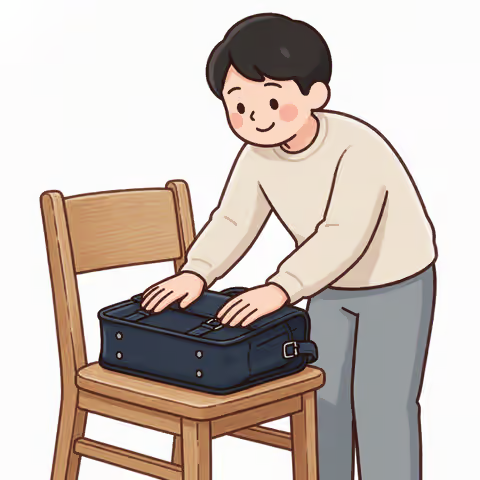
4. 置く(おく)
put, leave (in a place) · meletakkan; menaruh
Example: 彼はかばんをいすの上に置きました。 — He put the bag on the chair.
- CJK: 置 = 置 zhì (位置, 放置). JP kun おく. Canto zi3. 网/直 on 置 — set it down and it stays. Cantonese today 邊度 is “where did you 放.”
- Fun fact: に置く = put on/in a location. 留守に置く / 置いていく = leave behind. Not 置く as “to place a go stone” only — same verb, wider. おく vs 起きる / 起こす (#14) — different お.
- Memorize: Bag onto a chair seat: 上に置く. Palms down, plant it.
- Study tip: を + place に置く. 置いてください. Don’t confuse with 置く’s homophone 送る-adjacent おく in 遅く. Potential 置ける later.
5. 奇麗(きれい)
beautiful; clean · cantik; indah; bersih
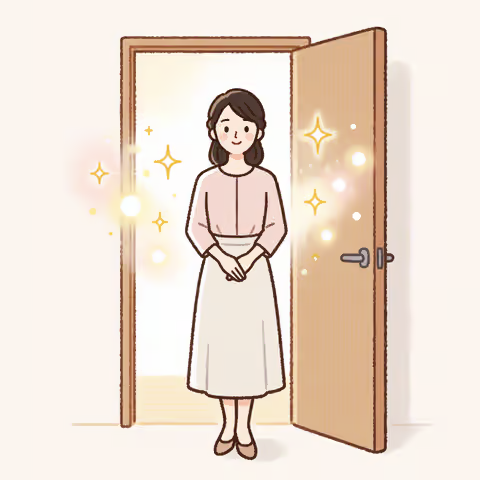
Example: 彼女はとても奇麗だ。 — She's very beautiful.
- CJK: 奇 = 奇 qí. 麗 = 丽 lì. Everyday JP writes きれい in kana; 綺麗 is the other kanji pair (same word). Mandarin 美丽 / 漂亮. Canto 靚 leng3. HSK 美 today is scenery; this example is a person.
- Fun fact: きれい = pretty or tidy (部屋がきれい). Dictionary “beautiful” matches the 彼女 sentence. 美しい is more sunset/art; きれい is the daily word.
- Memorize: Person in a doorway, sparkle: とても奇麗. Then a second flash: wiped table, also きれい.
- Study tip: きれいだ / きれいな + noun. Don’t force-read 奇麗 as きれい without the card — many natives never write these kanji. Not きたない’s antonym only.
6. 帰る(かえる)
return, go back (home) · pulang
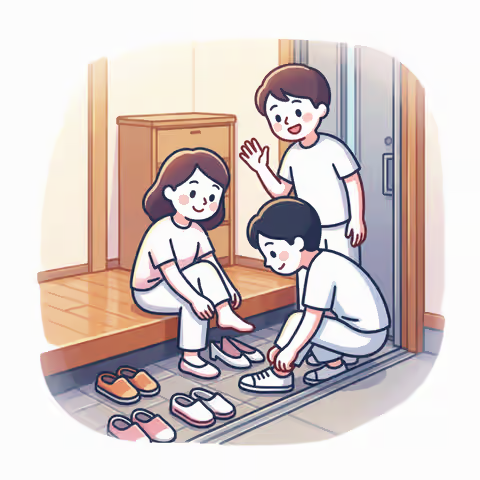
Example: 家に帰ろう。 — Let's go home.
- CJK: 帰 = 歸 → 归 guī. JP かえる intransitive. Canto gwai1. Mandarin 回家. りょう is volitional 帰ろう.
- Fun fact: Default destination is home / where you belong. 会社に帰る is odd; 会社に戻る. 帰る vs 戻る: 戻る is “go back to a point”; 帰る is “head home.” HSK 赶紧回家 is the same scene.
- Memorize: Shoes at the genkan, wave: 帰ろう. Point at 家.
- Study tip: に帰る. 帰ります. Transitive cousin 帰す (send home) is rarer. Don’t use 帰る for “return a book” (返す).
7. 何(なに)
what · apa
Example: 夕食には何を食べたいですか。 — What would you like for supper?
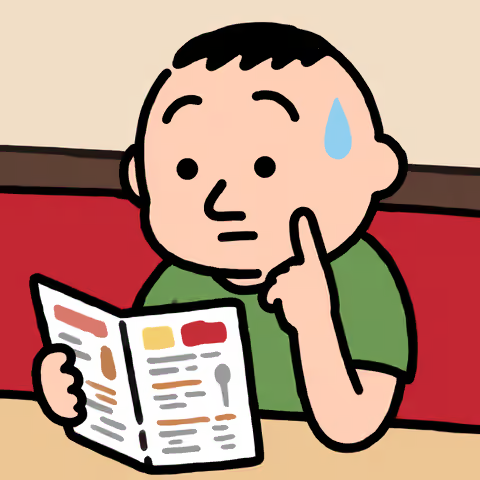
- CJK: 何 = 何 hé. JP なに / なん. Canto ho4 / mat1 (Canto 乜 is today’s spoken “what”). Same character, Japanese wants the kun.
- Fun fact: 何を = nani. 何人 / 何時 / 何分 often なん. 夕食に(は) — に marks the meal slot. 食べたいですか is want-to-eat, polite.
- Memorize: Menu, shrug: 何を食べたい. Tap 何, say なに not なん for 何を.
- Study tip: 何を / 何が / 何の. なんで = why (casual) — different card energy. If you always answer なん, 何を will bite.
8. 目(め)
eye · mata
Example: 彼女は青い目をしています。 — She has blue eyes.

- CJK: 目 = 目 mù (but Mandarin everyday is 眼睛). JP kun め, on もく (注目, 目的). Canto muk6. をしている = “has (a feature).”
- Fun fact: Body 目. 青い目 — Western-eye example, 青い as blue (not only green). 目をする is the idiom for “have … eyes,” not 目がある in this sentence.
- Memorize: Point at your eye, then a blue iris flashcard: 青い目をしています.
- Study tip: 目を閉じる, 目が痛い. 目的 is “purpose” — on-yomi trap. Don’t answer 見る.
9. 出来る(できる)
can do, be good at · bisa
Example: 彼女はイタリア語が出来ます。 — She knows Italian.

- CJK: 出 = 出 chū. 来 = 來 = 来 lái. Chinese 出来 = come out. Japanese できる = can. False friend. Usually kana できる. Canto 出嚟 ≠ this card. Same example as
2026-09-06#19. - Fun fact: が出来る = be able. Languages, sports, 料理が出来る. 出来るだけ = as much as possible. Potential of する is often できる. HSK 出来 in 马上出来 is the Chinese verb — different language.
- Memorize: Slap 出来: not “come out.” Palms open: できる. Italian flag if you need a prop.
- Study tip: ができます, not をできます. If it felt like déjà vu, it is — still new until you answer it.
10. 一(いち)
one · satu
Example: 一から始めましょう。 — Let's start from the beginning.
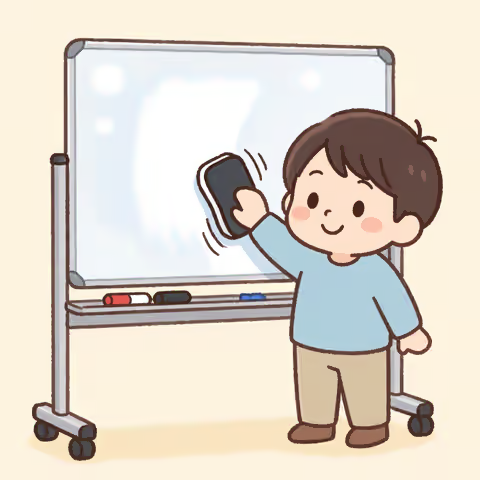
- CJK: 一 = 一 yī. JP いち (on) in isolation; kun ひと in 一つ / 一人. Canto jat1. から = from.
- Fun fact: 一から = from scratch / from the top, not “from the number 1” in math class only. Yesterday 始める; today 始めましょう rides the same 始. 一番 is a different card.
- Memorize: Wipe a whiteboard, write 一: 一から始めましょう.
- Study tip: 一 ichi when counting 一、二、三. Don’t answer ひとつ for this spelling. 一つ (#15) is the thing-counter.
11. もらう(もらう)
receive · menerima; mendapat
Example: 彼女からプレゼントをもらいました。 — I got a present from her.
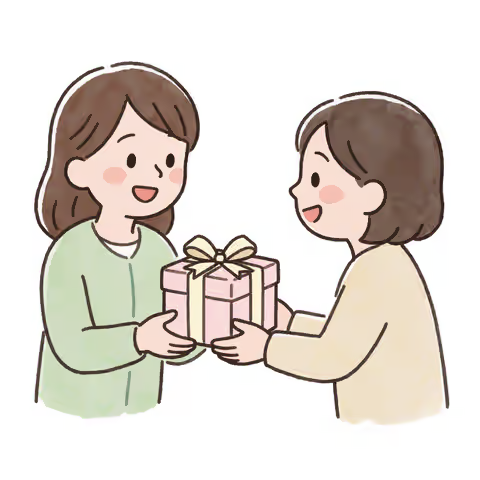
- CJK: Often kana. Kanji 貰う exists (貰 = 贵/貝 family). Mandarin 收 / 得到. Canto 攞. Give-receive: あげる / くれる / もらう.
- Fun fact: Receiver is the subject. から / に + person = source. プレゼントをもらう. Not くれる (giver is subject, nuance “for me”).
- Memorize: Receive a wrapped box toward your chest: もらった. Point at 彼女 as the source から.
- Study tip: に/からもらう. Don’t conjugate as もらえる unless potential. くれる would rewrite the sentence with 彼女 as subject.
12. 多く(おおく)
much, many (adverb/noun-ish) · banyak
Example: 毎年多くの人が海外へ旅行する。 — A lot of people travel abroad every year.
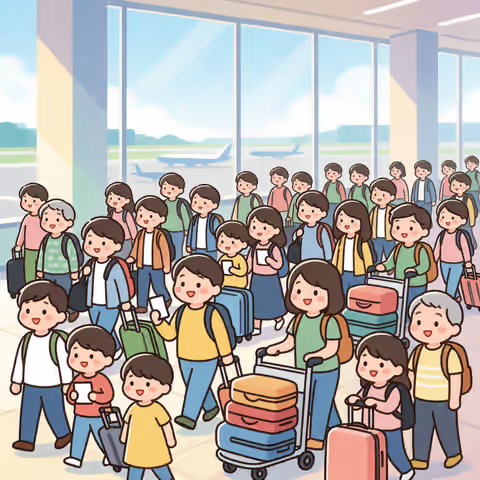
- CJK: 多 = 多 duō. JP おおい adjective, おおく adverb/noun. Canto do1. HSK 少数 is the opposite pile.
- Fun fact: 多くの + noun = many X (連体). 多くは = many of them (noun). 多い is the predicative (人が多い). 毎年…海外へ — へ not に in this textbook sentence.
- Memorize: Airport queue stretching: 多くの人. Stamp 毎年 on a passport.
- Study tip: 多くの人. 多くない is 少ない’s neighbor, but the card is 多く. Don’t say 多いの人.
13. システム(システム)
system · sistem
Example: 全てのシステムが停止した。 — All systems have stopped.

- CJK: Katakana from English. Mandarin 系统 xìtǒng. JP also 体系 / 制度 for other “systems.” Canto 系統. HSK 停 today is the Chinese “stop”; JP 停止 ていし is the Sino verb in the example.
- Fun fact: Computers, org charts, 太陽系 is not this katakana. 全ての = every / all (の connects). 停止した — systems went down, sci-fi or IT helpdesk.
- Memorize: Server rack, red lights, both arms: 停止. Label システム.
- Study tip: システムが / を. Don’t write しすてむ in hiragana on this card. 制度 is laws; システム is machinery/IT/process.
14. 起こす(おこす)
wake (someone) up · membangunkan
Example: 明日、6時に起こしてください。 — Please wake me up tomorrow at six o'clock.
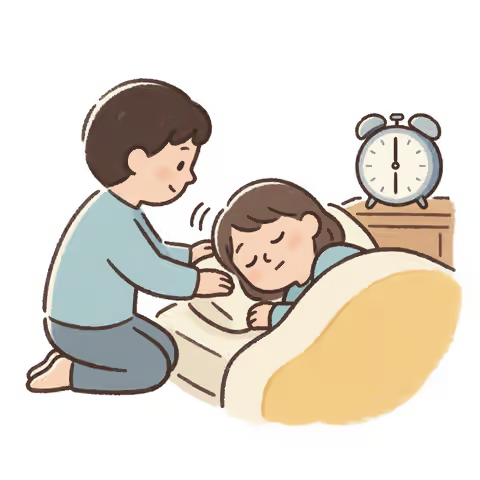
- CJK: 起 = 起 qǐ. JP 起こす transitive vs 起きる intransitive vs 起こる (happen). Canto 起身. HSK 醒 today is “be awake / sober”; this is please wake me.
- Fun fact: 人を起こす. 6時に. Also 事件を起こす / 火を起こす later — same verb, wilder objects. Today is an alarm-clock favor.
- Memorize: Shake a sleeping roommate, clock 6: 起こして. You are the agent; they 起きる.
- Study tip: を起こす. Don’t answer 起きる for this card. 起こる is accidents, not mornings.
15. 一つ(ひとつ)
one (thing) · satu (buah)
Example: それを一つください。 — Please give me one of those.
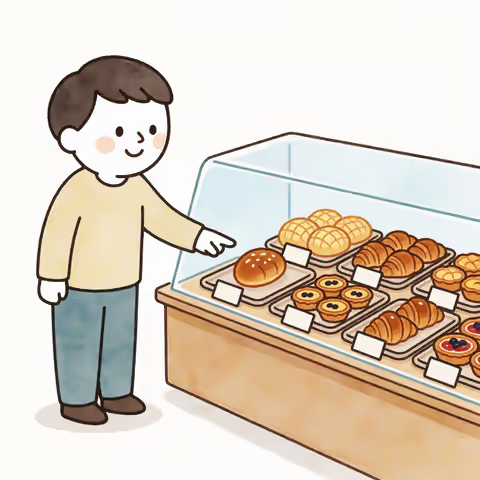
- CJK: 一 + つ. Native counter ひとつ (1–10: ひとつ…とお). Mandarin 一个. Canto 一個. Shop counter voice.
- Fun fact: General counter for objects when the real classifier is unknown or soft. ください = give me (request). Completes the trio: 一人 people, 一 the numeral, 一つ things.
- Memorize: Finger on one pastry in a case: 一つください.
- Study tip: を一つ. Not いち. ひとつめ = the first one. Don’t use 一つ for people (一人).
16. 飲む(のむ)
drink · minum
Example: 友達とお酒を飲んでいます。 — I'm drinking sake with a friend.
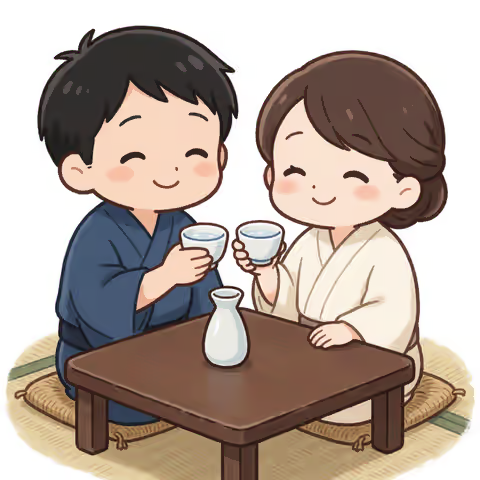
- CJK: 飲 = 饮 yǐn. JP のむ. Canto jam2. Mandarin 喝. お酒 can be sake or “alcohol” broadly. HSK 醒 is the morning after this sentence.
- Fun fact: を飲む. 水 / 薬 / 酒. 飲んでいる progressive. 薬を飲む = take medicine (not 食べる).
- Memorize: Two glasses clink: お酒を飲む. Then a water glass so 飲む isn’t only alcohol.
- Study tip: を飲む. 飲みます. 食べる is solid food. 吸う is smoke/inhale.
17. 嫌い(きらい)
dislike · tidak suka
Example: 私はタバコが嫌いです。 — I hate cigarettes.
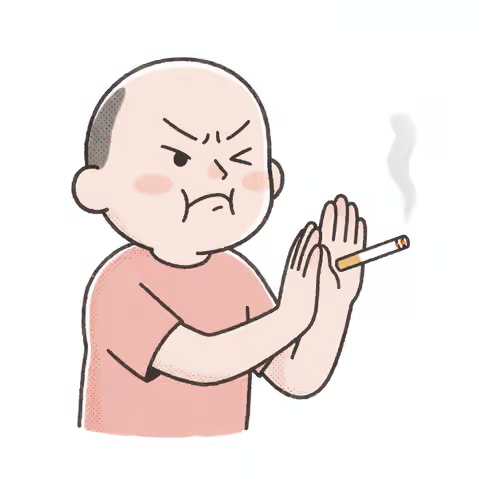
- CJK: 嫌 = 嫌 xián (嫌弃). JP きらい. Canto jim4. Antonym 好き — #1’s sentence used 好き. が嫌い, same particle as 好き.
- Fun fact: 嫌いです can be strong (hate) or polite dislike. タバコが — が marks the disliked thing. 嫌いな + noun. 嫌う is the verb.
- Memorize: Push away a cigarette: が嫌い. Shake head. Contrast 本当に好き.
- Study tip: が嫌い. Not を嫌いです. 嫌い vs きる (to cut) — different word. 大嫌い for volume.
18. 方(ほう)
direction, side · arah; sisi
Example: 彼は私の方を見ました。 — He looked at me (my way).

- CJK: 方 = 方 fāng. JP ほう this card (direction/comparison); かた is “person / way of doing” on a different reading. Canto fong1. の方を見る = look toward.
- Fun fact: 方を見る / こっちの方. Comparison より…の方. If you answer かた, you’ve picked 読み方 / あの方 (polite “that person”).
- Memorize: Turn your face toward someone: の方を見た. Point along a line, not at a polite かた.
- Study tip: の方. こちらの方. Don’t read 方 as かた on this example. 方法 is ほうほう, later.
19. 増える(ふえる)
increase · bertambah, meningkat
Example: この町は人口が増えた。 — The population has increased in this town.
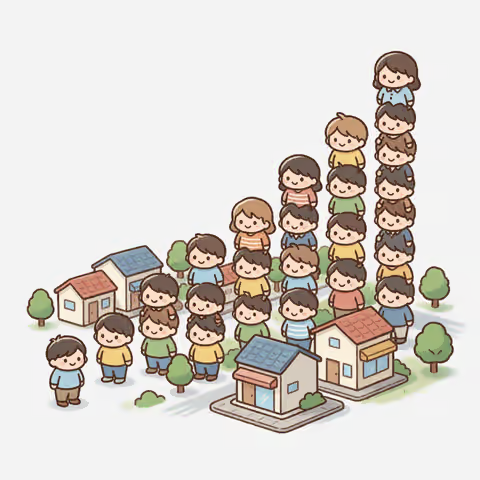
- CJK: 増 = 增 zēng. JP ふえる intransitive / ふやす transitive. Canto zang1. Mandarin 增加. 人口 = 人口 (same), yesterday HSK 人数 was a group count.
- Fun fact: が増える. Town + 人口 — census graph up. 増やす is “increase something” (を). 減る / 減らす is the down pair.
- Memorize: Bar chart of people growing: 人口が増えた. Palms widening.
- Study tip: が増える vs を増やす. Don’t answer ふやす on this intransitive example. 増加 is the noun.
20. 車(くるま)
car, automobile · mobil
Example: 弟が車を買った。 — My younger brother bought a car.

- CJK: 車 = 车 chē. JP kun くるま, on しゃ (電車, 自転車). Canto ce1. HSK 车速 today uses the same 车. Classifier in JP often 台.
- Fun fact: くるま is the default car. 電車 is a train (electric 車). 弟が — little brother as buyer. を買った completed purchase.
- Memorize: Keys tossed, compact car: 車を買った. Honk once.
- Study tip: 車を / 車で. 一台. Last card — don’t answer くるま for 電車. On-yomi しゃ in compounds.