Anki session
Cantonese 1
廣東話
- New
- 20
- Learn
- 0
- Review
- 146
Session: 20 new remaining of the 20/day cap · 0 learning waiting · 146 reviews due.
Click Cantonese::Level1. No learning queue, so new cards interleave with the 146 reviews.
This is a third sheet for today (HSK is 2026-09-07.md, Japanese is 2026-09-07-japanese-level1.md). Do not mix the three decks in one Anki session.
Session plan
- Nothing in learning. When a new one pops, match it to the number below.
- Repeats that sat on earlier sheets and never entered learning: 我係 (
2026-09-05), 而且 / 乜 (2026-09-06), 啫 (2026-09-05) — same examples. - Killer traps: 人哋 in today’s sentence is I, not “other people.” 安 is the start of 安靜, not a lone “peace.” 架 is the classifier for the motorbike. 都 is “either / also,” not 首都.
- Clusters: if / still / then (如果 / 仲 / 就), questions (邊度 / 做乜 / 乜), soft / don’t (啫 / 唔好 / 安), help & look (幫 / 睇下 / 驚).
1. 如果(jyu4 gwo2)
if; in case · jika; kalau
Example: 如果聽日好天,我哋去燒烤。 — If the weather is nice tomorrow, we'll go for a barbecue.

- CJK: Same 如果 rúguǒ. JP もし. Canto jyu4 gwo2. 聽日 = 明天. 好天 = nice weather. 我哋 = 我们. 燒烤 = 烧烤.
- Fun fact: Open-if, no 的话 required. 聽日 not 聽 as “listen.” 好天 is weather, not “good sky class.” Barbecue is the prize clause.
- Memorize: Weather app sun, grill: 如果好天,去燒烤.
- Study tip: 如果 + clause,+ result. 如果唔係. Don’t wait for Mandarin 要是 on this card.
2. 仲(zung6)
still; yet · masih; belum juga
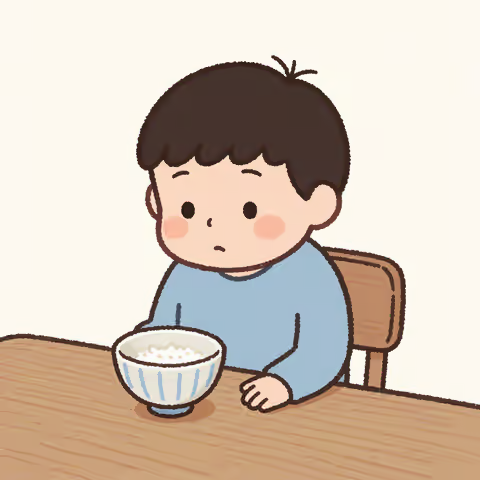
Example: 而家十一點,佢仲未食飯。 — It's eleven o'clock now and he still hasn't eaten.
- CJK: Character 仲 = zhòng (仲夏, 仲裁) in Mandarin — not the Canto adverb. Canto zung6 ≈ Mandarin 还 hái. JP まだ. Yesterday’s sheet already used 仲返緊學.
- Fun fact: 仲未 = still not yet. 而家 = now. 食飯 = eat a meal (not 吃饭’s 吃). 十一點 is late for lunch, hence the 仲.
- Memorize: Clock 11, empty bowl: 仲未食飯. Tap wrist.
- Study tip: 仲 + verb. 仲未. Don’t read 仲 as zhòng. Not 中 zung1 (middle).
3. 我係(ngo5 hai6)
I am · saya adalah
Example: 唔係,我係醫生嚟㗎。 — No, I'm a doctor.

- CJK: 我 = wǒ / ngo5. 係 = hai6 = Mandarin 是. Not 系 xì. Same card as
2026-09-05#6, same 醫生 example. - Fun fact: 唔係 first, then 我係 — correction. 嚟㗎 is frosting; the target is 我係. 醫生 = 医生.
- Memorize: Shake head 唔係, thumb to chest 我係醫生.
- Study tip: 我係 + identity. 唔係. If it feels like 09-05, it is still new until answered.
4. 而且(ji4 ce2)
furthermore; moreover · selain itu; apalagi
Example: 而且必須帶著糖果煙酒等各種禮品去。 — And (you) must bring gifts like candy, cigarettes, and alcohol.

- CJK: Same 而且 érqiě. Canto ji4 ce2. JP しかも. Same written-flavor sentence as
2026-09-06#15 (必須, 各種禮品). - Fun fact: Heavier second fact. 不但…而且…. HSK learning 并且 and HSK new 再说 are the Mandarin linker cousins today.
- Memorize: Plus-sign, then a bag of 糖 / 煙 / 酒: 而且.
- Study tip: 而且 vs 同埋 (spoken “and”). Don’t skip it because yesterday’s sheet already had it.
5. 夠(gau3)
enough; sufficient · cukup
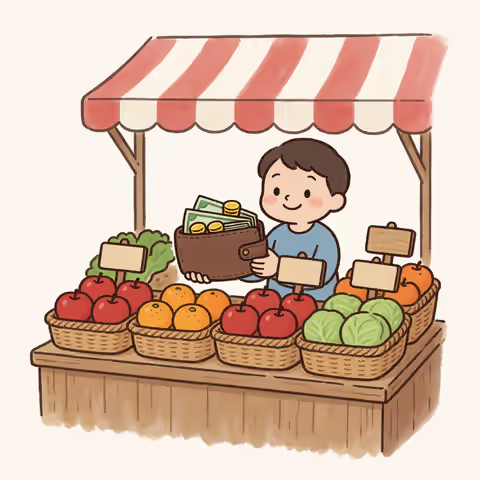
Example: 我帶夠錢去買嘢。 — I brought enough money to buy things.
- CJK: 夠 = 够 gòu. Canto gau3. JP 足りる. 買嘢 = 买东西 (嘢 = 东西). 帶 = 带.
- Fun fact: Result complement-ish: 帶夠錢 = bring enough money. 夠未? = enough yet? 唔夠 is the no.
- Memorize: Wallet stuffed, shopping bags: 帶夠錢買嘢.
- Study tip: 夠 + noun. Verb + 夠. 夠唔夠. Don’t write simplified 够 on a Canto-traditional card if the card shows 夠.
6. 架(gaa3)
classifier for vehicles; frame · kata bilangan kendaraan; rangka
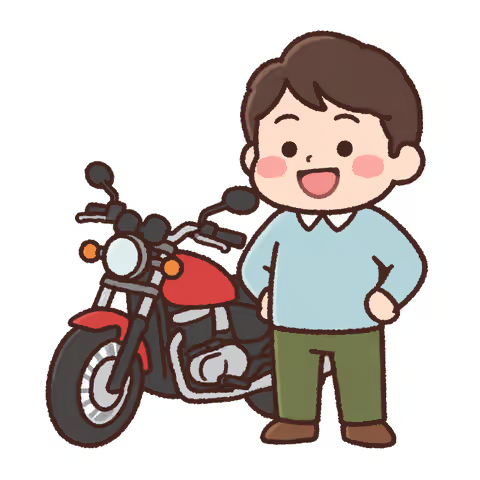
Example: 佢買咗一架新電單車。 — He bought a new motorbike.
- CJK: 架 = jià (架子, 打架). Canto gaa3. JP 台 for cars. Mandarin vehicles often 辆; Canto bikes/cars 架. 電單車 = motorcycle.
- Fun fact: Dictionary lists “frame / rack.” The example is the classifier. 一架電單車. Japanese today 車を買った is the same shopping scene.
- Memorize: One motorbike, chop 一架. Don’t hang a picture frame unless the audio is furniture.
- Study tip: 架 + vehicle. 呢架 / 嗰架. If you answer “rack,” you read CEDICT and ignored 電單車.
7. 都(dou1)
also; all; even; already · juga; semua; bahkan; sudah
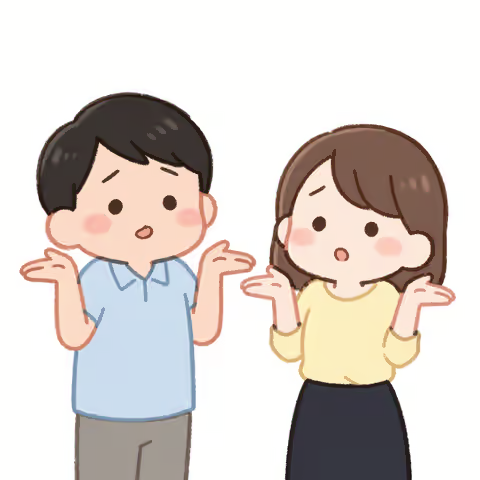
Example: 我都唔知。 — I don't know either.
- CJK: Same 都 as dōu (都是, 都好). Canto dou1 (not Mandarin dū “capital” in this card). JP も / みな. 首都 is the other 都.
- Fun fact: Today = “also / even I.” 我都唔知 = I don’t know either (me too don’t). Other lives: 都係, 已經…都. Not 都 as Tokyo-style みやこ.
- Memorize: Two people shrug together: 我都唔知. Elbow the person next to you — me too.
- Study tip: 都 after the subject. 連…都. Don’t answer 首都. Tone dou1.
8. 今日(gam1 jat6)
today · hari ini
Example: 今日做嘢好攰,想早啲瞓。 — Work was really tiring today; I want to sleep early.

- CJK: 今 + 日. Mandarin 今天. JP 今日 きょう (not こんじつ in speech). Canto gam1 jat6. 做嘢 = work / do stuff. 攰 = tired. 瞓 = sleep.
- Fun fact: Full Canto weather of a day: 攰, 早啲, 瞓. 今日 vs 聽日 (#1). Japanese 今日 exists; reading is not 今日 gam1.
- Memorize: Desk, yawn, pillow: 今日好攰,早啲瞓.
- Study tip: 今日 vs 尋日 / 聽日. Don’t say 今天 on this card. 瞓覺 is the verb pair.
9. 邊度(bin1 dou6)
where · di mana
Example: 你把鎖匙放咗喺邊度呀? — Where did you put your key?
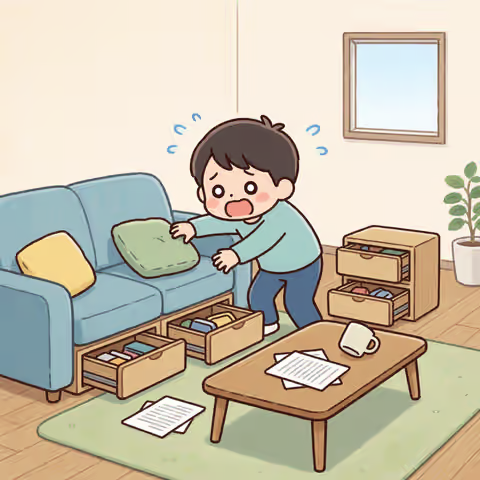
- CJK: 邊 = 边. 度 = degree/place. Mandarin 哪里 / 在哪儿. Canto bin1 dou6. 鎖匙 = keys. 喺 = 在. Japanese 置く is the put-verb cousin.
- Fun fact: 邊度 = where (location). 邊個 = who. 放咗 = put (perfect 咗). 呀 softens the question.
- Memorize: Jingle keys, spin: 喺邊度? Empty hook by the door.
- Study tip: 喺邊度 / 去邊度. Not 點樣 (how). 邊度 vs 呢度 / 嗰度.
10. 做乜(zou6 mat1)
why; doing what · kenapa; sedang apa
Example: 你食完晚飯通常做乜嘢? — What do you usually do after dinner?
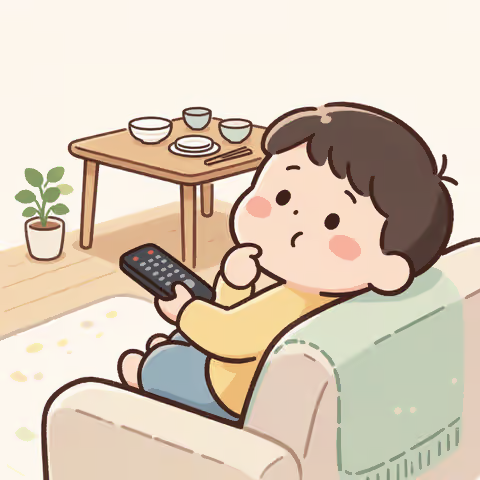
- CJK: 做 = zuò. 乜 = Canto mat1 (Mandarin 什么). 做乜嘢 = 做什么. Not always “why” — today’s sentence is what do you do.
- Fun fact: Dictionary lists why and doing what. After 晚飯, 通常, this is a habit question, not 點解 accusation. 做乜嘢 with 嘢 is the full object.
- Memorize: Evening table cleared, shrug: 做乜嘢? TV / walk / 瞓.
- Study tip: 做乜 / 做乜嘢. 點解 is the calm why. #20 乜 is the surprise-why face.
11. 幫(bong1)
to help · membantu
Example: 唔緊要,我幫你手吖! — It's okay, I'll give you a hand!
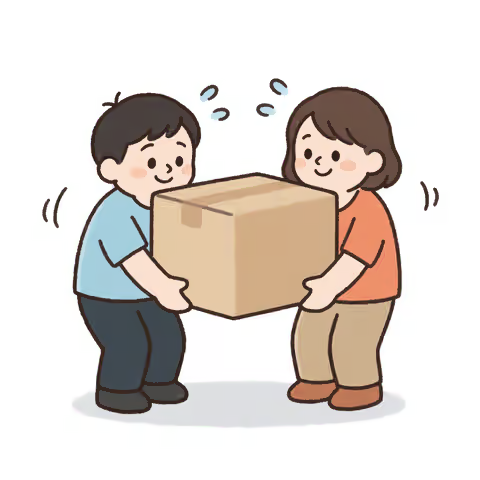
- CJK: 幫 = 帮 bāng. Canto bong1. JP 助ける. 幫手 = help out (hand). 唔緊要 = 不要紧. 吖 = particle “come on.”
- Fun fact: 幫你手 is “lend a hand,” not 幫手 as a noun only. Dictionary also “gang / party” (黑幫) — not today. 唔緊要 dumps the apology.
- Memorize: Two people lifting a box: 幫你手. Wave 唔緊要.
- Study tip: 幫 + person + verb. 幫手. Don’t answer 帮派. 幫忙 is Mandarin; Canto likes 幫 / 幫手.
12. 睇下(tai2 haa5)
take a look · lihat dulu; cek
Example: 你睇下呢張相有冇問題。 — Take a look at this photo and see if there's any problem.
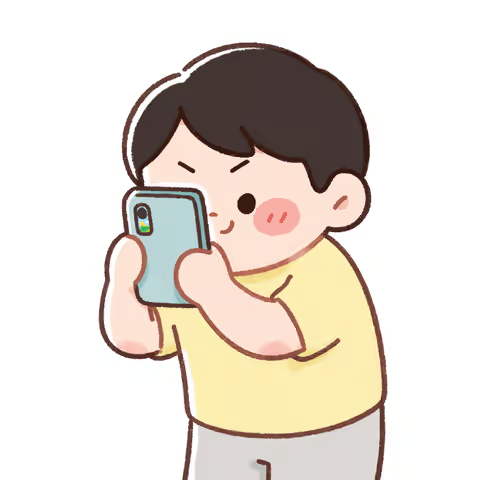
- CJK: 睇 = Canto tai2 ≈ Mandarin 看. 下 = 一下. JP 見て. 呢張相 = this photo (張 classifier, 相 = 相片). 有冇 = 有没有.
- Fun fact: 睇下 = have a quick look / check. 睇戲, 睇醫生. Not 看下 in Canto clothing. 有冇問題 is the yes-no after looking.
- Memorize: Phone photo, squint: 睇下有冇問題.
- Study tip: 睇下 + noun/clause. 睇 vs 看 on the card. 下 is the “a bit” suffix, not “downstairs.”
13. 驚(geng1)
to fear; scared · takut
Example: 我細個好驚黑。 — I was really scared of the dark when I was little.
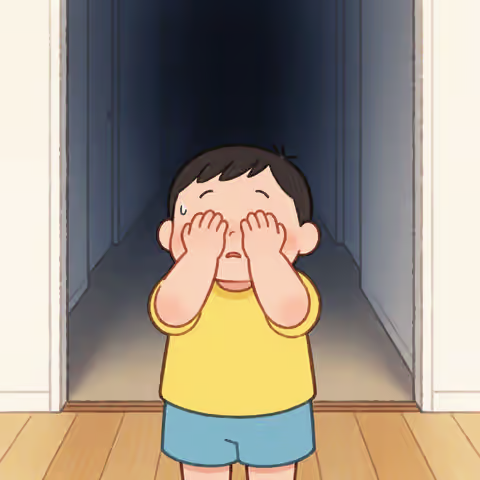
- CJK: 驚 = 惊 jīng (吃惊, 惊恐). Canto geng1. JP 驚く is “be surprised”; fear is 怖い. 細個 = when small. 黑 = dark.
- Fun fact: 驚 + thing. 好驚. 驚死 is “scared to death” later. 細個 sets childhood. Not 竟然 (unexpected) from yesterday’s sheet.
- Memorize: Kid, dark hallway, hands over eyes: 驚黑.
- Study tip: 驚 + noun. 唔使驚. Don’t read jīng Mandarin on the audio. 怕 is Mandarin; card wants 驚.
14. 人哋(jan4 dei6)
other people; I (young women) · orang lain; aku (perempuan muda)
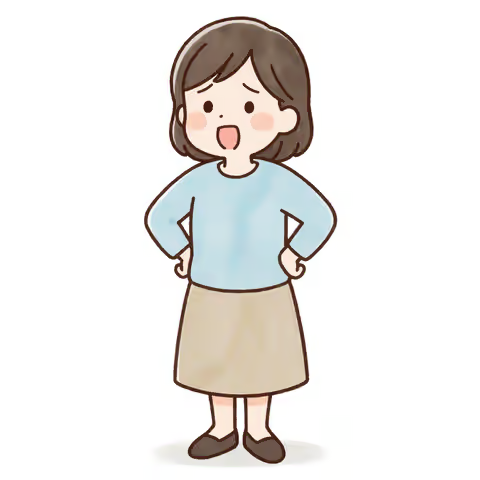
Example: 人哋又唔係唔努力,點解要咁對我? — I'm not lazy, why treat me like this?
- CJK: 人 = person. 哋 = plural/people suffix (我哋, 佢哋). Mandarin 人家. JP ひと. Canto jan4 dei6.
- Fun fact: Two lives. (1) other people. (2) 人家-style “I” — often feminine, slightly pouty. Today is (2): 人哋又唔係唔努力 = it’s not that I don’t try. 點解要咁對我 — why treat me like that (switches to 我 at the end).
- Memorize: Hands on hips, mock-offended: 人哋唔係唔努力. If you gloss “others,” the 對我 at the end won’t fit.
- Study tip: Check who is speaking. 人哋 vs 我哋 (we). Don’t default to “they.”
15. 兒(ji4)
child; diminutive suffix · anak; akhiran diminutif
Example: 安兒:「見客點解拎住咁多嘢?」 — An'er: 'Why are you carrying so much when seeing guests?'

- CJK: 兒 = 儿 ér. Canto ji4 (not Mandarin erhua). JP 児 / 子. Here 安兒 is a name (An’er), 兒 as the cute suffix. Pairs with #18 安.
- Fun fact: The example is dialogue tagged with a name, not “child” as 小孩. 見客 = receive guests. 拎住 = holding. 咁多嘢 = so much stuff. Dictionary “child” is the root; the audio is the nickname.
- Memorize: Name tag 安兒, arms full of bags, guests at the door.
- Study tip: Don’t answer 孩子. 兒 as suffix on names. Mandarin erhua 那儿 is a different machine.
16. 就(zau6)
then; just; exactly · lalu; langsung; persis
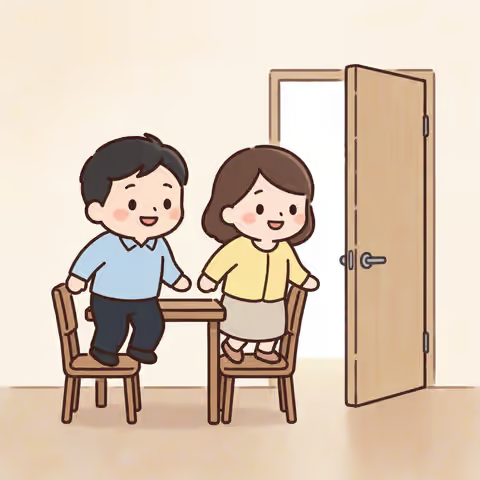
Example: 我哋就走啦。 — Let's go then.
- CJK: Same 就 as jiù. Canto zau6. JP すぐ / すなわち. 09-05 had 就係; this is bare 就.
- Fun fact: 就走 = then let’s leave / so we go. 啦 is the hortative. Many 就 jobs (exactly, only, as soon as); today is the “so / then” tap after a decision.
- Memorize: Stand up together, door: 就走啦.
- Study tip: 就 + verb. 就係 was identity-emphasis; 就走 is motion. Don’t park on 就是 Mandarin spelling.
17. 唔好(m4 hou2)
don't (imperative); not good · jangan; tidak bagus
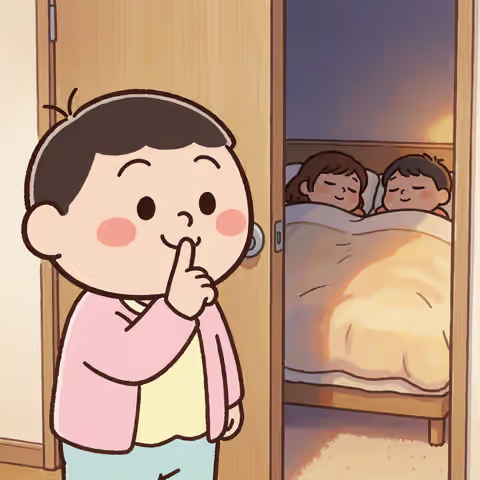
Example: 唔好嘈,人哋瞓緊覺。 — Don't be noisy, people are sleeping.
- CJK: 唔 = not. 好 = good. Mandarin 不要 / 别. Canto m4 hou2. JP しないで. 嘈 = noisy. 瞓緊覺 = 睡着/在睡觉.
- Fun fact: Negative imperative. 唔好 + verb. Second clause uses 人哋 as other people (sleeping) — contrast #14’s “I.” 緊 ≈ progressive 着.
- Memorize: Finger to lips: 唔好嘈. Point at a closed bedroom.
- Study tip: 唔好 + verb. 唔好意思 is “sorry” (another life). Don’t write 不好 as the whole card.
18. 安(on1)
calm; still · tenang; diam
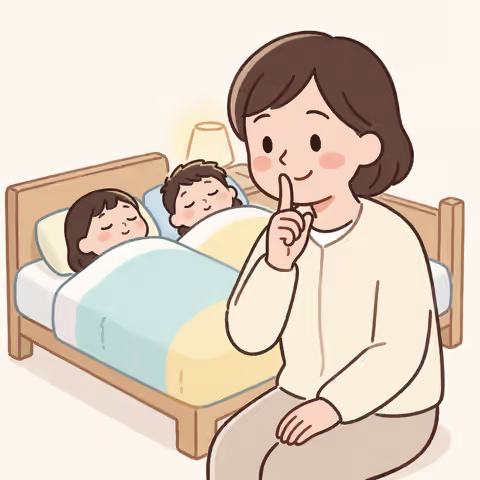
Example: 你安靜啲啦,啲細路瞓著咗。 — Be quieter, the kids are asleep.
- CJK: 安 = ān (安静, 安全, 安排). Canto on1. JP 安い is cheap — false friend; peace is 安 あん (安心). Today the card is the first syllable of 安靜.
- Fun fact: Dictionary “calm; content.” The sentence is 安靜啲 = a bit quieter. 細路 = kids. 瞓著咗 = already asleep. Same quiet-house scene as 唔好嘈.
- Memorize: Both palms down, nursery door: 安靜啲. Link to 安兒 only as a lookalike, not the meaning.
- Study tip: 安靜. 唔好嘈 is the don’t; 安靜啲 is the do. Don’t answer Japanese やすい.
19. 啫(ze1)
particle: merely, that's all · cuma; begitu saja
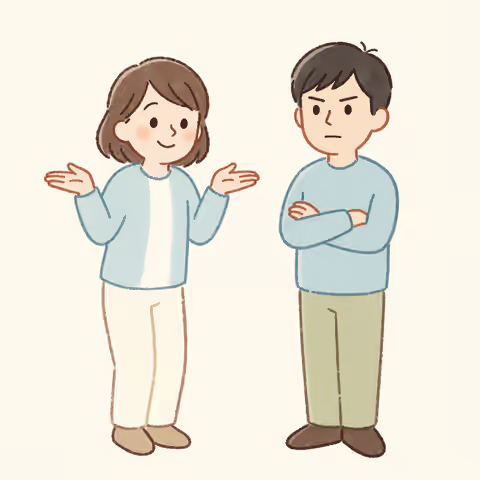
Example: 我講笑啫,唔好咁認真啦。 — I was only joking; don't take it so seriously.
- CJK: Canto-only 口 + 者. ze1. Same sentence as
2026-09-05#4. Not 着, not 堵. - Fun fact: Downplays: 講笑啫 = I’m only kidding. Pairs with 唔好 in the same line. Drop 啫 and 講笑 can sound like a claim.
- Memorize: Shrug, palms: 啫. Then 唔好認真.
- Study tip: Sentence-final. Cluster 啫 / 啊 / 吖. If 09-05 already taught it, still answer it when it pops.
20. 乜(mat1)
what?; why (surprise) · apa?; kenapa (kaget)
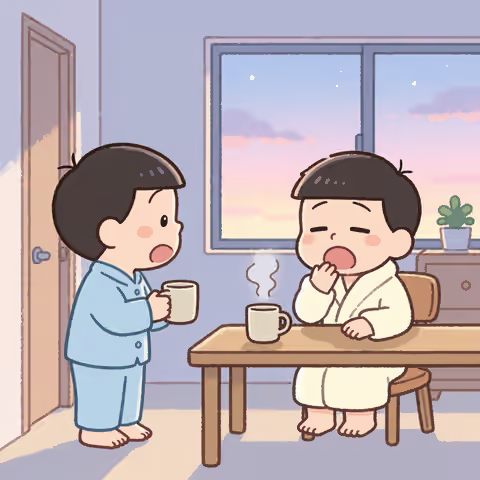
Example: 乜你今日咁早起身呀? — Why are you up so early today?
- CJK: Canto-only everyday. mat1. Mandarin 什么 / 怎么. Same surprise sentence as
2026-09-06#20. 起身 = get up. 今日 ties to #8. - Fun fact: 乜你…呀 = “what, you…?!” — eyebrow why, not 點解. 做乜 (#10) was the after-dinner what do you do. This is the 5 a.m. squint (character also means squint).
- Memorize: Squint + 乜?! at someone awake too early.
- Study tip: Last card. 乜嘢 / 乜你 / 做乜 are three shapes. 點解 is the essay why.