Anki session
Japanese 1
日本語
- New
- 20
- Learn
- 20
- Review
- 160
Session: 20 new remaining of the 20/day cap · 20 learning waiting · 160 reviews due.
Click Japanese::Level1. Learning first (a full 20), then new cards interleave with the 160 reviews. Do not expect a 20-card new block.
Session plan
- Clear learning first. The queue opens on 調査 ちょうさ and 緑 みどり; there are 20 of them. They will eat the start of the session.
- Then new cards interleave with reviews. When a new one pops, match it to the number below.
- Clusters: 始-family (始める / 初めて), weather & time (夏 / 晴れる / 午後), 1–10 dates (二日 / 九日 / 九), size (小さい / 高い).
- 九日 and 九 already had a sheet on
2026-09-04— same examples. If they feel familiar, they were gathered that day but never entered learning. - JP/HSK traps: 出来る is can, not Chinese 出来. 病気 is not 生气. 午後 is 下午, not 午后 as your default.
1. 始める(はじめる)
begin, start · mulai
Example: テストを始めてください。 — Please start the test.
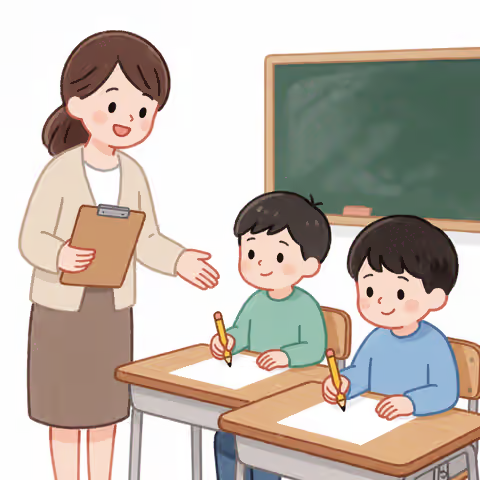
- CJK: 始 = 开始 kāishǐ 的 始. JP kun はじめる / はじまる. On シ (開始 かいし = 开始). Canto ci2. 始 vs 始’s twin 台 — 始 has 女. Pair with 初めて (#7): same 始, different job.
- Fun fact: 始める is transitive (you start the test). 始まる is intransitive (the test starts). Teacher voice: 始めてください. 開始 is the Sino-Japanese noun/verb for ceremonies and broadcasts.
- Memorize: Pencil down on a test booklet, teacher chops the air: 始めて. 女 on the left of 始 = the word that gives birth to the action.
- Study tip: を始める. If the event itself is the subject, が始まる. Don’t write 初めてください — that’s the other card.
2. 夏(なつ)
summer · musim panas
Example: 私は夏が大好き。 — I just love summer.

- CJK: 夏 = 夏 xià. JP kun なつ, on カ (夏季 かき). Canto haa6. Same character as 夏天, 立夏. Not 冬, not 春.
- Fun fact: Seasons in kun: 春 はる, 夏 なつ, 秋 あき, 冬 ふゆ. なつやすみ = summer break. Today’s weather pair is 晴れる next.
- Memorize: Sweat + sunflower: なつ. If you say か you’ve put on-yomi on a season word that wants kun.
- Study tip: 夏が好き, 夏に海へ行く. 夏休み. 夏天 is Chinese; Japanese just 夏.
3. 晴れる(はれる)
be sunny, clear up · cerah
Example: 明日は晴れるといいですね。 — I hope it'll be sunny tomorrow.

- CJK: 晴 = 晴 qíng (晴天). JP 晴れる はれる, 晴れ はれ. Canto cing4. 日 + 青 — the sun went blue-sky. Antonym 曇る / 雨.
- Fun fact: Weather 晴れる and mood 気持ちが晴れる (the gloom clears). 天気予報: 晴れ. いい天気 is the bland twin.
- Memorize: Clouds peeling off a sun: はれる. The 青 in 晴 is the same 青 as 青い空.
- Study tip: 空が晴れる. 晴れた日. Don’t use 明るい for the forecast (that’s brightness, not “no rain”).
4. 午後(ごご)
afternoon, p.m. · siang; sore (p.m.)
Example: 明日の午後、お客様が来る。 — A guest is coming to visit tomorrow afternoon.

- CJK: 午 = 午 wǔ (中午, 正午, 午后). 後 = 后. JP 午後 ごご, 午前 ごぜん. Mandarin everyday is 下午, not 午后 (午后 exists, sounds translated). Canto ng5 hau6.
- Fun fact: Clock split at 12. 午後1時 = 1 p.m. 午前中 = during the morning. 午 is the horse hour in the old clock — same 午 as 端午节’s 午 only by character, not by meaning here.
- Memorize: Clock hands in the right half, labeled ごご. Morning half is ごぜん. Don’t say かご; that’s かご a basket.
- Study tip: 午後から / 午後に. お客様 in the example is a guest/customer, polite 来る.
5. 二日(ふつか)
two days; 2nd of the month · dua hari; tanggal 2
Example: 私は二日待った。 — I waited two days.
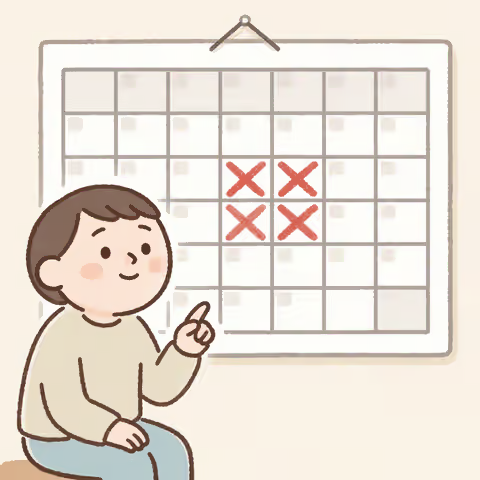
- CJK: You’d say 二日 èr rì. Japanese dates 1–10 are native: ついたち, ふつか, みっか, よっか… ここのか (#11), とおか. Same trap family as 09-04’s 九日.
- Fun fact: ふつ is old Japanese “two” (二つ ふたつ). 二日間 = for two days. 二月 にがつ is the month — different reading, don’t import ふつか into February.
- Memorize: Two sleeps on a calendar square labeled 2. Knock twice: ふつか. If you answer ににち, Chinese autopilot.
- Study tip: Example is duration (waited two days). Same word on a schedule = the 2nd. Recite 1–10 before you rate #5, #11, #13.
6. お手洗い(おてあらい)
toilet, bathroom · toilet; kamar kecil
Example: お手洗いはどこですか。 — Where's the bathroom?
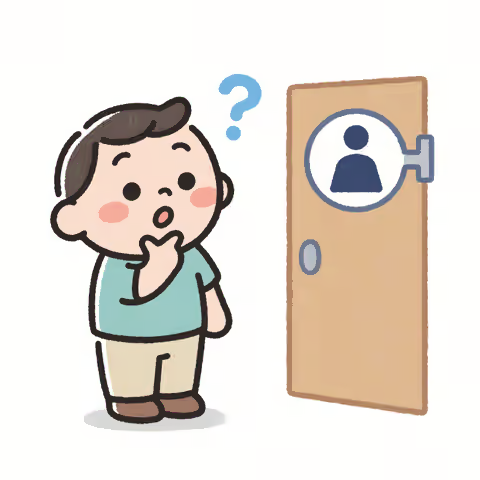
- CJK: 手 + 洗 + い. 洗 = 洗 xǐ / 洗手. Honorific お + 手洗い “hand-washing (place).” JP also トイレ, 化粧室. Canto 洗手間 sai2 sau2 gaan1. Not 風呂 (bath).
- Fun fact: The polite restaurant question is this exact sentence. 男/女 on the door. 手洗い without お still works; お is the default in public.
- Memorize: Hands under a tap, then a door with a silhouette. Ask どこですか.
- Study tip: お手洗いを借りてもいいですか. Don’t say お風呂ですか unless you mean a bath.
7. 初めて(はじめて)
for the first time · pertama kali
Example: 東京に来るのは初めてです。 — It's the first time I've been to Tokyo.

- CJK: Same 始 as 始める (#1). This is the adverb 初めて, not the verb. Chinese 第一次 / 初次. Canto 第一次.
- Fun fact: 始める = start it. 初めて = this is my first time doing it. はじめまして is the greeting (written 初めまして). 最初 is “the beginning / first of a series.”
- Memorize: Stamp a passport: 初めて. Then contrast with #1’s test: you can 始める a test you’ve taken twenty times.
- Study tip: のは初めてです is the grammar of the example. 初めての + noun (初めての海外). Don’t conjugate 初めて like a verb.
8. 病気(びょうき)
illness · penyakit
Example: 祖父が病気になった。 — My grandfather got sick.

- CJK: 病 = 病 bìng. 気 = 气. Japanese glued 气 onto 病 to mean the condition of being ill. Chinese says 生病 / 病了 / 疾病, not 病气 (that isn’t the word). JP 病気 びょうき, 病む. Canto beng6.
- Fun fact: 病気になる / 病気をする. 病気の人. 元気 is the antonym vibe (same 気). 生气 is Chinese “angry” — do not import it.
- Memorize: Grandfather in bed + a thermometer. Caption びょうき, not 生气.
- Study tip: 病気です / 病気になった. 風邪 is a cold, a subtype. 病 as on-yomi shows up in 病院 びょういん = 医院.
9. 自分(じぶん)
self, oneself · diri sendiri
Example: 宿題は自分でやりなさい。 — Do your homework by yourself.
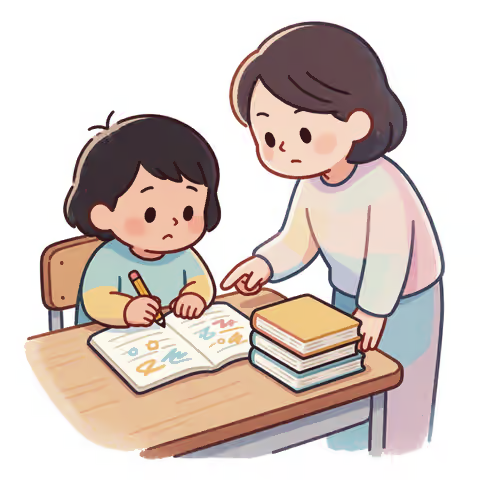
- CJK: 自 = 自己 zìjǐ 的 自. 分 = fēn. Japanese 自分 じぶん = 自己. Chinese 自分 is not a word; you want 自己. Canto zi6 gei2. 自 vs 目.
- Fun fact: 自分で = by yourself (no help). 自分の + noun. 自分勝手 = selfish. 私 is “I”; 自分 can be I/you/they depending on who is in focus — here it’s the kid.
- Memorize: Push the homework back to the child’s chest: 自分で.
- Study tip: 自分で + verb. 自分の部屋. Don’t write 自己で on this card.
10. 小さい(ちいさい)
small · kecil
Example: 小さい花が咲いています。 — Small flowers are blooming.

- CJK: 小 = 小 xiǎo. JP 小さい ちいさい, 小さな. On ショウ (小学校). Canto siu2. Pair with 高い (#14): size vs height/price.
- Fun fact: 小さい is the い-adjective. 小さな is the な-ish prenominal twin (小さな花). 少ない is few, not small. 小学 is 小学校, reading しょう.
- Memorize: Pinch fingers around a tiny blossom: ちいさい. Stretch up for 高い later.
- Study tip: 小さい + noun. 小さく切る. Antonym 大きい, not 高い (that’s tall/expensive).
11. 九日(ここのか)
nine days; 9th of the month · sembilan hari; tanggal 9
Example: 九日に荷物が届きます。 — The package will arrive on the ninth.
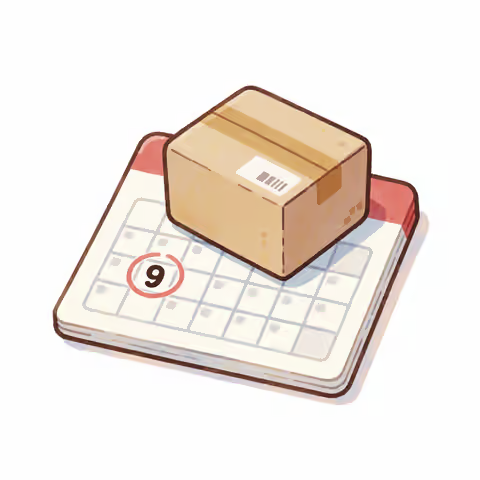
- CJK: Same card as
2026-09-04#15. Native series, not きゅうにち. ここの is old “nine” (九つ ここのつ). Chinese 九号 / 九天. - Fun fact: ついたち … ふつか (#5) … ここのか … とおか. Duration or date, context decides. Example is the date (に荷物が届く).
- Memorize: Calendar square 9, nine knocks: ここのか. If you said this on 09-04, same movie.
- Study tip: Cluster with 二日 and 九. Clerk will understand きゅうにち and you’ll still be wrong.
12. 友達(ともだち)
friend · teman
Example: 私には友達がたくさんいます。 — I have a lot of friends.
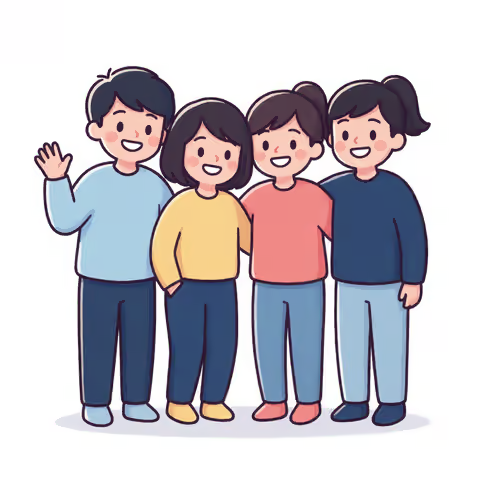
- CJK: 友 = 朋友 péngyou 的 友. 達 = 达 (到達, 达). JP 友達 ともだち; the 達 is a plural/collective suffix (子供たち). Chinese word is 朋友, not 友達. Canto pang4 jau5.
- Fun fact: 友だち often hiragana だ. 友人 ゆうじん is stiffer. 親友 a close friend. たち on people is “group of.”
- Memorize: A cluster of stick figures, one 友 banner: ともだち. Don’t say ペング; that’s not Japanese.
- Study tip: 友達がいる. 友達になる. 友達はいますか. は vs が in the example: には…がたくさんいます.
13. 九(きゅう)
nine · sembilan
Example: 野球は九人で1チームです。 — In baseball there are nine people on one team.
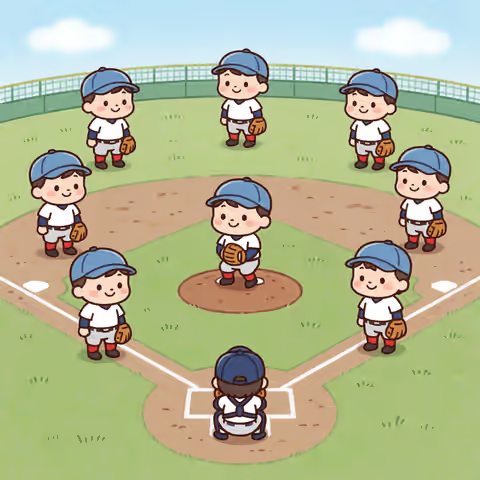
- CJK: Same card as
2026-09-04#6. 九 = 九 jiǔ. On きゅう / く. 九月 くがつ (avoid 急ぐ). Canto gau2. - Fun fact: Baseball 9 players × 9 innings. Same kanji as 九日, different jacket (on vs kun date).
- Memorize: Nine stick figures on a diamond: きゅう. Then point at #11: ここのか.
- Study tip: 九人 きゅうにん. 九時 くじ (o’clock often く). Don’t answer ここの for this card.
14. 高い(たかい)
high, tall; expensive · tinggi; mahal
Example: これがこの町で一番高いビルです。 — This is the tallest building in town.
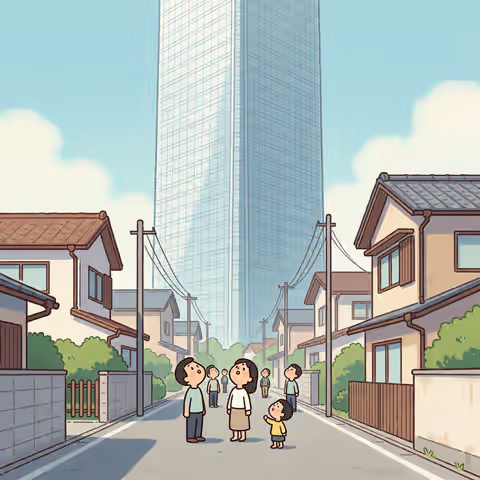
- CJK: 高 = 高 gāo. JP 高い たかい. Canto gou1. Same 高 as 高兴’s 高 only by character; this card is height/price, not mood.
- Fun fact: Buildings 高い, prices 高い, status 高い. Example is the tower. 一番高い = the most. Antonym 低い (yesterday-ish 低 dī). 小さい (#10) is small, not short (低い / 短い).
- Memorize: Neck crane at a skyscraper: たかい. Rub fingers for the price reading.
- Study tip: 背が高い (tall person — 高い not 大きい). 高いお金 is odd; 値段が高い.
15. 飛行機(ひこうき)
airplane · pesawat
Example: 息子は飛行機のおもちゃが好きです。 — My son likes toy airplanes.
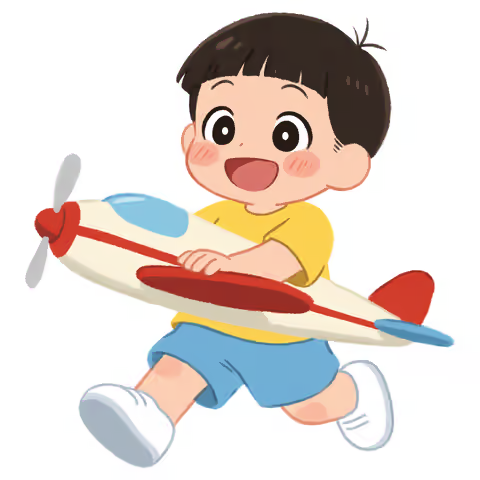
- CJK: 飛 = 飞 fēi. 行 = xíng. 機 = 机 jī. Chinese everyday is 飞机 fēijī (2 chars). Japanese kept 飛行機 (fly-go-machine). JP ひこうき. Canto fei1 gei1.
- Fun fact: 飛ぶ とぶ is the kun verb. 飛行 ひこう = aviation. 機 as “machine” (機械, 機会’s 機 is the other 机/机-family). Toy おもちゃ in the example — the word is still the real 飛行機.
- Memorize: Kid lifting a toy plane: ひこうき. Three characters, two in Chinese (飞+机), Japan stuffed 行 in the middle.
- Study tip: 飛行機で行く. 飛行機に乗る. Not 飞机 on this card.
16. 奇麗(きれい)
beautiful; clean · cantik; bersih
Example: 彼女はとても奇麗だ。 — She's very beautiful.

- CJK: Ateji. 奇 = 奇 qí (strange). 麗 = 丽 lì (美丽). The word is native きれい, usually written in ひらがな. Chinese 美丽 / 漂亮 / 干净; 奇丽 is rare and literary. Canto 靚 leng3.
- Fun fact: きれい covers pretty and tidy (部屋がきれい). 美しい is more “aesthetic.” かっこいい is cool/handsome. Don’t read きれい as きり or きれい’s kanji sounds きれい on-yomi — nobody does.
- Memorize: Cross out 奇麗, write きれい. Pretty face or a sparkling sink — both count.
- Study tip: きれいな + noun (な-adjective). きれいにして. If the card shows kanji, still answer きれい.
17. 必要(ひつよう)
need, necessity · perlu
Example: 私にはたくさんのお金が必要だ。 — I need a lot of money.
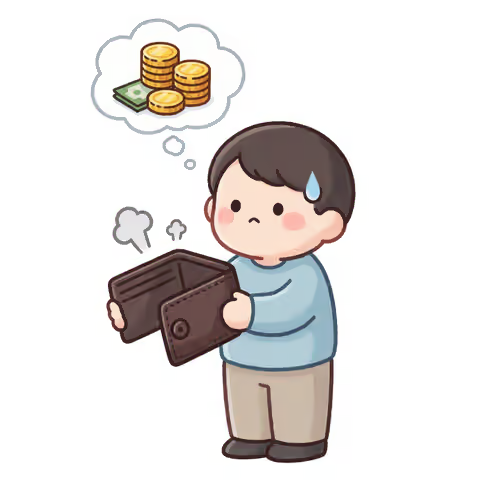
- CJK: Exact twin of 必要 bìyào. 必 = must. 要 = 要. JP ひつよう. Canto bit1 jiu3. Same as 必须’s 必 + 需要’s 要, glued the Japanese/Chinese way.
- Fun fact: 必要だ / 必要がある / 必要な + noun. 不必要. 要る いる is the plain verb “need”; 必要 is the noun/na-adj HSK cognate.
- Memorize: Empty wallet, caption ひつよう. HSK voice: 必要 → ひつよう, not bìyào on the front.
- Study tip: に(は)…が必要だ — the に marks the person who needs. 必要なもの. Don’t conjugate 必要 like 要る.
18. 集める(あつめる)
collect, gather · mengumpulkan
Example: 弟は切手を集めています。 — My little brother collects stamps.
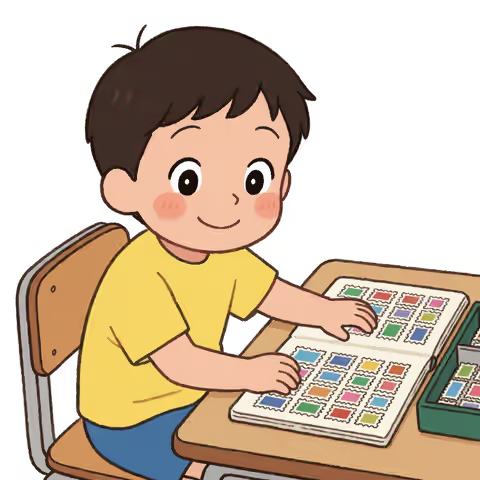
- CJK: 集 = 集 jí (收集, 集中). JP 集める あつめる (transitive), 集まる あつまる (intransitive). Canto zaap6. 隹 (bird) + 木 — birds in a tree.
- Fun fact: Stamps, people, information: を集める. A crowd が集まる. 収集 しゅうしゅう is the Sino-Japanese “collecting” hobby word.
- Memorize: Kid with a stamp album, birds landing on a tree (集). Pull things IN: あつめる.
- Study tip: を集める vs が集まる, same logic as 始める/始まる. 集中 is “concentrate,” different card.
19. 出来る(できる)
can do; be completed · bisa
Example: 彼女はイタリア語が出来ます。 — She knows Italian.
- CJK: 出 = 出 chū. 来 = 來 = 来 lái. Chinese 出来 chūlái = come out / emerge. Japanese できる = can / be possible / be made. False friend. Usually written できる in kana. Canto 出嚟 ≠ this card.
- Fun fact: が出来る = be able (language, sport). 料理が出来る = can cook or the dish is ready. 出来るだけ = as much as possible. Potential form of する is often replaced by できる.
- Memorize: Slap 出来: this is not “come out.” Palms open: できる. If you think 出来了, you’ve left the language.
- Study tip: ができます, not をできます. 日本語が少しできます. Last grammar landmine of the day — rate it slowly.
20. 右(みぎ)
right (direction) · kanan
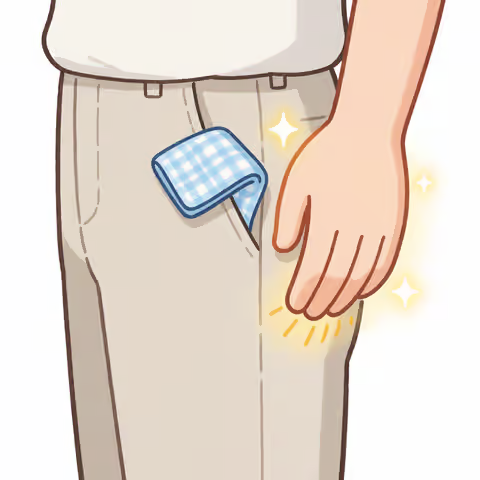
Example: 右のポケットにハンカチが入っています。 — There's a handkerchief in my right pocket.
- CJK: 右 = 右 yòu. JP kun みぎ, on ウ / ユウ (左右 さゆう, 右折 うせつ). Canto jau6. Mouth 口 + 又 (right hand). 左 ひだり is the pair.
- Fun fact: 右手, 右側, 右に曲がる. Politics 右 is a different lecture. Example is a pocket — body-relative 右, not east.
- Memorize: Raise your right hand (the 口 is on the right of 又 in 右). Drop a handkerchief in that pocket.
- Study tip: 右の + noun. 右に / 右へ. 左右. Don’t answer みぎ for 左. Close with 左 contraster even though 左 isn’t in today’s new 20.