Anki session
Cantonese 2
廣東話
- New
- 20
- Learn
- 0
- Review
- 155
Session: 20 new remaining of the 20/day cap · 0 learning waiting · 155 reviews due.
Click Cantonese::Level2, not Level1. Level1 is review-only now. No learning queue today, so new cards mix into the 155 reviews.
This is a second sheet for today (HSK is 2026-09-27.md). Japanese is skipped (new cap already used).
Session plan
- One hundred and fifty-five reviews. When a new one pops, match it to the number below.
- Clock stack: 尋日 when I called, 鐘頭 two hours before the flight, 半年 six months of graft, 點鐘 view the flat at 8. Yesterday 八 / 六 / 打電話 sit next to these.
- Family: 仔女 be patient, 太太 Mrs Li moved.
- Wear / point / change: 戴 mum’s glasses, 指 don’t point, 變咗 the bread sagged, 冇咁 not that hot.
- Soft vs sharp: 好意 I know you meant well, 明明 the rally numbers.
- Trap pair: 是 the printed word — the example is spoken 係. 哈哈 after yesterday’s 哈.
- Stuff: 架車 never washed, 一套 new furniture, 機 easy machine, 上前 police step in, 周 安排不周, 代表 they don’t speak for us.
- Sense traps: 是 is literary; spoken copula is 係 hai6; 周 today is 不周 “sloppy arrangement,” not 周圍 and not the surname; 架車 has the classifier baked in; 機 is the machine (classifier 部), not 機會; 戴 is glasses/hats, not 着 clothes; 點鐘 is o’clock, 鐘頭 is duration; 尋日 is yesterday, not 尋找.
1. 尋日(cam4 jat6)
yesterday · kemarin
Example: 尋日我打電話嚟嗰陣,你喺度做緊啲咩呀? — What were you doing when I called yesterday?
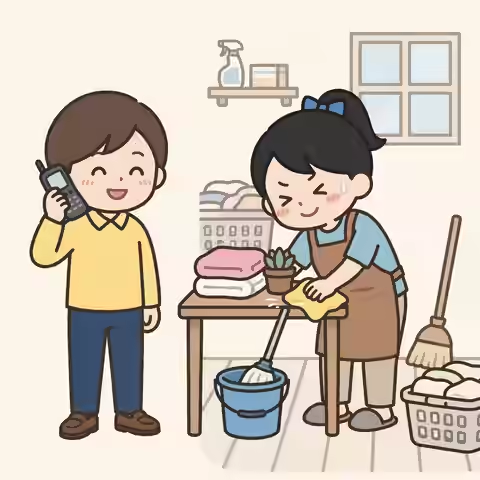
- CJK: 尋 = 寻. 日 = 日. Mandarin 昨天. JP 昨日. Canto-only 尋日. Same-day HSK doesn’t have 昨天; yesterday’s Canto 打電話 is inside this sentence.
- Fun fact: 打電話嚟嗰陣. Missed-call energy. 今日 / 聽日 / 尋日 are the three-day set. 尋找 is “to search” — different 尋.
- Memorize: Phone to ear, “yesterday, what were you doing?”: 尋日我打電話嚟嗰陣.
- Study tip: 尋日. Reading cam4 jat6. Don’t answer 昨天 unless you mean Mandarin.
2. 仔女(zai2 neoi2)
children; sons and daughters · anak-anak; putra dan putri
Example: 教仔女要耐心啲。 — Be patient when raising children.

- CJK: 仔 = 仔. 女 = 女. Mandarin 子女. JP 子供. Canto 仔 zai2 is the kid/son; 女 takes changed tone neoi2. Not 兒子女兒 spelled out.
- Fun fact: 要耐心啲. Parent voice, not a census form. 帶仔女 is “bring the kids”; 仔女大咗 is “the kids have grown up.”
- Memorize: Parent kneeling, “patience”: 教仔女要耐心啲.
- Study tip: 仔女. Readings zai2 neoi2 (changed tone). Don’t answer 小朋友. Pair 太太.
3. 冇咁(mou5 gam3)
not so · tidak begitu
Example: 今日冇咁熱喇,舒服啲。 — It's not so hot today, more comfortable.

- CJK: 冇 = Canto-only “not have.” 咁 ≈ Mandarin 这么 / 那么. JP そんなに〜ない. Pattern 冇咁 + adjective.
- Fun fact: 冇咁熱喇. Fan can go off. 冇咁快 is “not so fast”; 冇咁簡單 is “not that simple.”
- Memorize: Open window, not-boiling day: 今日冇咁熱喇,舒服啲.
- Study tip: 冇咁. Don’t answer 唔係好 unless printed. Whole phrase.
4. 戴(daai3)
to put on; to wear (accessories) · memakai (aksesoris)
Example: 我媽媽戴眼鏡,但係我爸爸就冇。 — My mom wears glasses, but my dad doesn't.

- CJK: 戴 = 戴. Mandarin 戴 (hat, glasses, medal). JP かける / かぶる. Canto 着 zoek3 is clothes; 戴 is specs, hats, watches, masks.
- Fun fact: 戴眼鏡. Mum’s frames, dad’s bare face. 戴口罩 / 戴錶 / 戴帽 are the same verb.
- Memorize: Mum with glasses, dad without: 我媽媽戴眼鏡,但係我爸爸就冇.
- Study tip: 戴. Reading daai3. Don’t answer 着. Accessories only.
5. 變咗(bin3 zo2)
changed; became different · sudah berubah
Example: 啲麵包變咗形。 — The bread has changed shape.
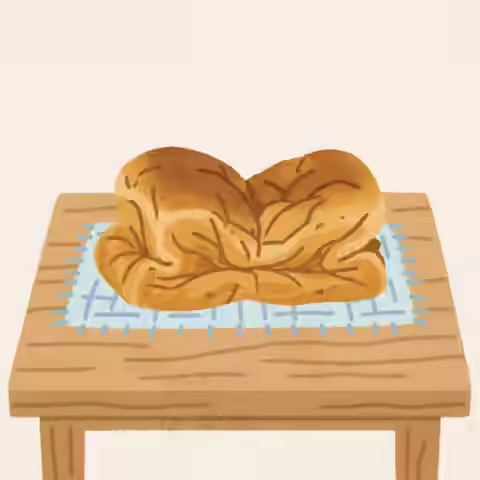
- CJK: 變 = 变. 咗 = Canto perfective. Mandarin 变了. JP 変わった. Whole phrase on one card: verb + 咗.
- Fun fact: 變咗形. Squashed loaf, not a personality arc. 變咗質 is “gone off”; 變形 is “change shape.”
- Memorize: Crushed sandwich bread: 啲麵包變咗形.
- Study tip: 變咗. Don’t answer 改. Keep 咗.
6. 指(zi2)
finger; to point · jari; menunjuk
Example: 唔好用手指住人,好無禮貌。 — Don't point at people; it's rude.
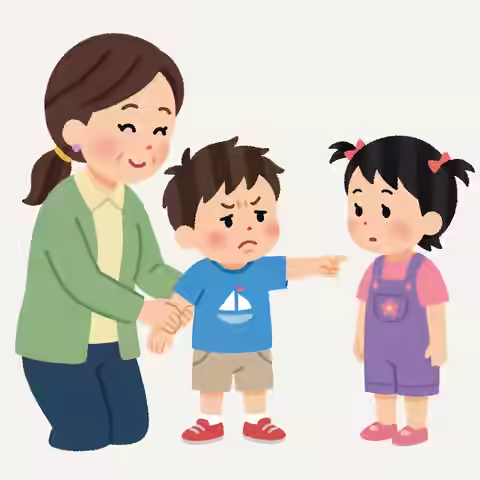
- CJK: 指 = 指. Mandarin 指. JP 指(ゆび) / 指す. Noun and verb. This sentence is the pointing verb + 手指 the body part.
- Fun fact: 手指住人. Street, rude jab. 指住 is “pointing at”; 無名指 is the ring finger.
- Memorize: Adult folding a pointing finger down: 唔好用手指住人.
- Study tip: 指. Reading zi2. Today is point-at-people. Same-day HSK 粗 is the Mandarin cousin of rude.
7. 好意(hou2 ji3)
good intention; kindness · niat baik; kebaikan
Example: 我知你係出於好意先講呢句。 — I know you said that out of good intention.

- CJK: 好 = 好. 意 = 意. Mandarin 好意. JP 好意(こうい). Pattern 出於好意. Soft landing after a blunt line — pair 明明.
- Fun fact: 出於好意先講呢句. “I know you meant well.” 一片好意 is “pure kindness”; 唔領情 is “not taking the kindness.”
- Memorize: Hand on a friend’s arm: 我知你係出於好意先講呢句.
- Study tip: 好意. Reading hou2 ji3. Don’t answer 善意 unless printed.
8. 明明(ming4 ming4)
clearly; obviously · jelas; padahal jelas
Example: 明明七一集會都係兩三萬人,佢哋可以籌到幾廿萬。 — Clearly the July 1st rally only had tens of thousands, yet they raised hundreds of thousands.

- CJK: 明 = 明. Mandarin 明明. JP 明明 / 明らかに. “Clearly and yet…” — contrast particle energy. Same-day 代表.
- Fun fact: 七一集會…籌到幾廿萬. Crowd size vs money raised. 明明係 is “it’s obviously…”
- Memorize: Small crowd, huge donation board: 明明七一集會都係兩三萬人.
- Study tip: 明明. Don’t answer 當然. The 明明…(但) frame.
9. 是(si6)
to be; yes · adalah; ya
Example: 你係咪覺得呢件事係啱嘅? — Do you think this matter is right?

- CJK: 是 = 是. Mandarin 是. JP である. Canto spoken copula is 係 hai6. This card prints 是; the example is 係咪…係啱 — two 係, zero 是.
- Fun fact: 係咪覺得…係啱. Yes/no 係咪, then 係啱 “is right.” Written 是否 / 是 but you will hear 係.
- Memorize: Two people arguing “is it right?”: 你係咪覺得呢件事係啱嘅?
- Study tip: 是. Reading si6. Answer the printed 是; say 係. Don’t answer 係 on the card unless printed.
10. 架車(gaa3 ce1)
car; vehicle · mobil; kendaraan
Example: 佢架車成日都好污糟。佢從來都唔洗車㗎。 — His car is always very dirty. He never washes it.
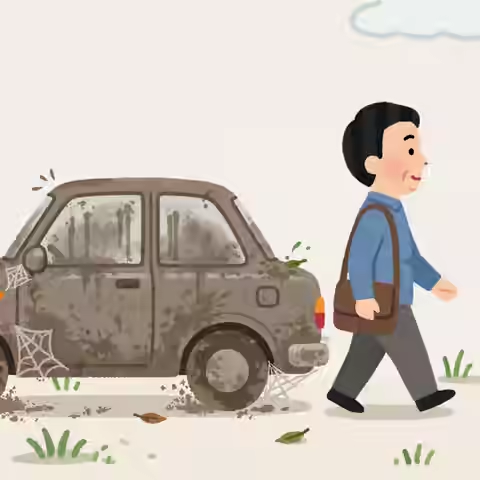
- CJK: 架 = classifier. 車 = 车. Mandarin 那辆车. JP 車. 架 is baked into the noun: 架車 = “the car.” 洗車 is the wash.
- Fun fact: 成日都好污糟. Dusty doors, never at the garage. 開車 is drive; 搭車 is take a ride.
- Memorize: Filthy car, owner walking past: 佢架車成日都好污糟.
- Study tip: 架車. Reading gaa3 ce1. Don’t answer 汽車. Classifier already inside.
11. 上前(soeng5 cin4)
to go forward · maju; maju ke depan
Example: 警察上前制止打鬥。 — The police moved forward to stop the fight.

- CJK: 上 = 上. 前 = 前. Mandarin 上前. JP 前に出る. Motion forward into the scene. Yesterday 面前 was standing in front of the boss; this card is stepping in.
- Fun fact: 制止打鬥. Two people swinging, cop steps between. 走上前 is the same move with 走.
- Memorize: Uniform stepping between two fists: 警察上前制止打鬥.
- Study tip: 上前. Don’t answer 前面. Pair yesterday 面前.
12. 一套(jat1 tou3)
a set; a suit · satu set; satu stel
Example: 我買咗一套新家具。 — I bought a set of new furniture.

- CJK: 一 = 一. 套 = 套. Mandarin 一套. JP セット. Classifier for matching sets: furniture, suits, textbooks. Not 一件 for one chair.
- Fun fact: 一套新家具. Sofa + table arriving together. 一套西裝 is a suit; 呢一套 is “this whole approach.”
- Memorize: New sofa set at the door: 我買咗一套新家具.
- Study tip: 一套. Reading jat1 tou3. Don’t answer 一張. Pair 架車 — classifier cards.
13. 周(zau1)
thorough; to revolve; (不周) incomplete · lengkap; (kurang lengkap)
Example: 今次活動安排不周,唔好意思。 — Sorry for the poor arrangement of this event.

- CJK: 周 = 周. Mandarin 周 / 不周. JP 周. Today is the written set phrase 安排不周 — sloppy planning — not 周圍, not 周末, not the surname 周.
- Fun fact: 安排不周. Mic dead, chairs missing. 不 uses 不, not 唔, because this is a set written chunk. Yesterday 對唔住 was the spoken sorry; this is the event-organizer sorry.
- Memorize: Messy venue, bowing host: 今次活動安排不周,唔好意思.
- Study tip: 周. Reading zau1. Today is 不周. Don’t answer 周圍.
14. 鐘頭(zung1 tau4)
hour · jam
Example: 我班機起飛之前兩個鐘頭我父母就送咗我去機場嘞。 — My parents took me to the airport two hours before my flight.

- CJK: 鐘 = 钟. 頭 = 头. Mandarin 钟头 (spoken). JP 時間. Duration. Yesterday 個鐘 was also “an hour”; 點鐘 next is o’clock.
- Fun fact: 兩個鐘頭…去機場. Parents, early, always. 半個鐘頭 is half an hour; 成個鐘頭 is “a whole hour.”
- Memorize: Airport drop-off, two hours early: 起飛之前兩個鐘頭…送咗我去機場.
- Study tip: 鐘頭. Duration. Don’t answer 點鐘. Pair 半年.
15. 半年(bun3 nin4)
half a year; six months · setengah tahun; enam bulan
Example: 我哋一齊努力咗半年,終於見到成果。 — We've worked hard for six months and finally seen results.

- CJK: 半 = 半. 年 = 年. Mandarin 半年. JP 半年(はんとし). Yesterday Canto 六 was six months in Canada; this card is the six-month stretch.
- Fun fact: 努力咗半年,終於見到成果. Team photo, first win. 一年 / 個幾月 sit on the same timeline.
- Memorize: Calendar, six months crossed off, cheer: 我哋一齊努力咗半年,終於見到成果.
- Study tip: 半年. Reading bun3 nin4. Don’t answer 六個月 unless printed.
16. 點鐘(dim2 zung1)
o’clock · pukul
Example: 我八點鐘就去咗睇屋。 — I went to view the flat at eight o'clock.
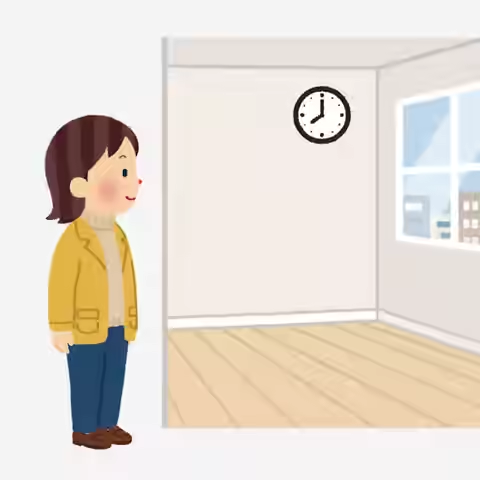
- CJK: 點 = 点. 鐘 = 钟. Mandarin 点钟. JP 〜時. Clock time, not duration. Yesterday 八 was “gather at 8”; this card prints 八點鐘. Pair 鐘頭.
- Fun fact: 八點鐘就去咗睇屋. Estate-agent morning. 幾點鐘 is “what time?”; 準八點 is “on the stroke of 8.”
- Memorize: Clock at 8, flat viewing: 我八點鐘就去咗睇屋.
- Study tip: 點鐘. O’clock. Don’t answer 鐘頭. Reading dim2 zung1.
17. 哈哈(haa1 haa1)
ha ha · ha ha
Example: 哈哈哈。 — Haha.

- CJK: 哈 = 哈. Mandarin 哈哈. JP ハハハ. Yesterday’s card was 哈; today is the doubled laugh. Onomatopoeia, not a Pekingese 哈巴狗.
- Fun fact: 哈哈哈. Chat bubbles, not a vocabulary test. 哈哈大笑 is the full burst.
- Memorize: Two people cracking up: 哈哈哈.
- Study tip: 哈哈. Don’t answer 笑. Pair yesterday 哈.
18. 代表(doi6 biu2)
represent; representative · mewakili; wakil
Example: 佢哋話代表我哋發言,但其實唔代表我哋心聲。 — They claim to represent us, but they don't speak our true feelings.

- CJK: 代 = 代. 表 = 表. Mandarin 代表. JP 代表(だいひょう). Claim vs reality. Pair 明明 — same rally-politics air.
- Fun fact: 話代表…唔代表心聲. Mic, not our voice. 代表作 is a representative work; 全國人大代表 is a deputy.
- Memorize: Speaker at a mic, crowd shaking heads: 佢哋話代表我哋發言,但其實唔代表我哋心聲.
- Study tip: 代表. Reading doi6 biu2. Don’t answer 代替.
19. 太太(taai3 taai2)
Mrs; married woman · Nyonya; wanita yang sudah menikah
Example: 李太話佢哋一家搬咗去加拿大。 — Mrs. Li said her family has moved to Canada.

- CJK: 太 = 太. Mandarin 太太. JP 奥さん. Changed tone on the second 太: taai2. The example shortens to 李太.
- Fun fact: 搬咗去加拿大. Neighbourhood news. 王太 / 陳太 are the same pattern; 做太太 is old-fashioned “be a housewife.”
- Memorize: Neighbour chatting, “the Lis moved”: 李太話佢哋一家搬咗去加拿大.
- Study tip: 太太. Reading taai3 taai2. The sentence may print 李太. Pair 仔女.
20. 機(gei1)
machine; opportunity · mesin; kesempatan
Example: 呢部機好易用。 — This machine is easy to use.
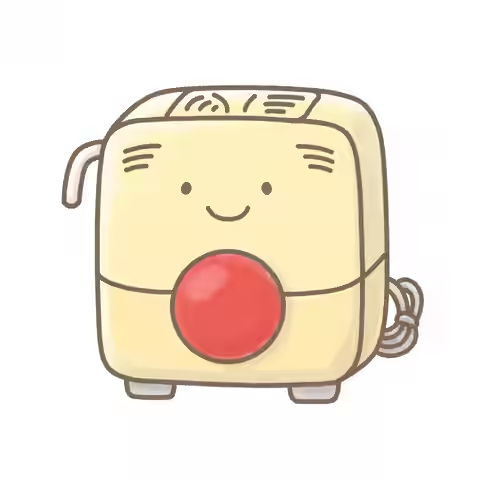
- CJK: 機 = 机. Mandarin 机. JP 機. Classifier 部. Today is the machine, not 機會. 手機 / 相機 / 洗衣機 are compounds; the card is bare 機.
- Fun fact: 呢部機好易用. Big buttons, no manual. 生機 is “opportunity/vitality”; 機場 is the airport from 鐘頭.
- Memorize: Simple machine, one big button: 呢部機好易用.
- Study tip: 機. Classifier 部. Don’t answer 機會. Reading gei1.