Anki session
HSK 4
汉语
- New
- 20
- Learn
- 7
- Review
- 343
Session: 20 new remaining of the 20/day cap · 7 learning waiting · 343 reviews due.
Click HSK::Level 4, not the parent HSK. Clear the seven learning cards first; then new cards mix into the 343 reviews.
Japanese is skipped today (new cap already used; Level 2 still has unseen cards). Cantonese is a second sheet: 2026-09-27-cantonese-level2.md.
Session plan
- Three hundred and forty-three reviews plus seven learning. When a new one pops, match it to the number below.
- Money pair: 收入 the till this month, 价钱 a bit steep. Rules/people: 规定 the new rules, 考虑 let me think, 态度 the clerk, 粗 how he talks.
- On-hand vs empty: 现有 use what’s here, 无 empty room, light on.
- Culture trio: 首 one song, 琴 evening practice, 话剧 spoken play.
- Daily objects: 密码 locked out, 袜子 cold morning, 管 one tube of toothpaste, 图片 send yesterday’s shot.
- Drive stack: 信心 this exam, 教练 my trainer, 目标 learn Chinese.
- Map: 西部 this summer. Same 部 as yesterday’s 北部.
- Sense traps: 管 today is 一管牙膏, not 管理; 首 is the song classifier, not 首先 or 首都; 粗 is rude talk, not a thick rope; 无 is written 无人, not 没有; 现有 is stock on hand, not 现在; 价钱 is the spoken tag, not 价格; 图片 is a file/shot, not 照片 unless printed; 收入 in this sentence took in cash, not a salary line.
1. 现有(xiànyǒu)
currently existing; currently available · yang ada sekarang
Example: 我们先用现有的材料把这个做完。 — Let's first use the materials we already have to finish this.

- CJK: 现 = 現. 有 = 有. JP 現有. Canto 現有 jin6 jau5. “On hand now,” not 现在 the clock time. Yesterday’s 不够 was “not enough”; this card is “use what we’ve got.”
- Fun fact: 现有的材料. Workshop leftovers, finish the job without a hardware-store run. 现有技术 is “existing tech.”
- Memorize: Pile of leftover wood, “use this first”: 我们先用现有的材料把这个做完.
- Study tip: 现有. Don’t answer 现在. Adjective before the noun: 现有的…
2. 规定(guīdìng)
regulations; to stipulate · peraturan; menetapkan
Example: 这是新的规定。 — These are the new rules.
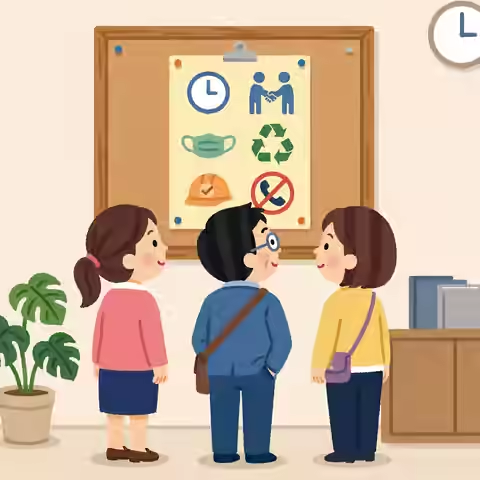
- CJK: 规 = 規. 定 = 定. JP 規定(きてい). Canto 規定 kwai1 ding6. Noun and verb. This sentence is the noun on the noticeboard.
- Fun fact: 新的规定. Printout by the punch clock, not a law-school lecture. 按规定 is “according to the rules”; 规定八点上班 is the verb sense — not today’s print.
- Memorize: New-rules poster, finger on the paper: 这是新的规定.
- Study tip: 规定. Today is the rules. Don’t answer 规则. Pair 考虑.
3. 收入(shōurù)
to take in; income; revenue · penghasilan; menerima uang
Example: 这个月店里收入了不少钱,老板很高兴。 — The shop took in quite a bit of money this month, and the boss is happy.

- CJK: 收 = 收. 入 = 入. JP 収入(しゅうにゅう). Canto 收入 sau1 jap6. Classifier 笔 / 个. Today the verb 收入了不少钱 — cash across the counter — not 工资 on a payslip.
- Fun fact: 店里收入了不少钱. Till, boss grinning. 高收入 is “high income”; 财政收入 is government revenue.
- Memorize: Shop till, boss thumbs-up: 这个月店里收入了不少钱.
- Study tip: 收入. Verb today. Don’t answer 工资. Pair 价钱.
4. 密码(mìmǎ)
password; PIN; secret code · kata sandi
Example: 我把电脑的密码忘了,进不去。 — I forgot my computer password, so I can't get in.

- CJK: 密 = 密. 码 = 碼. JP パスワード / 暗証番号. Canto 密碼 mat6 maa5. 密 = secret; 码 = code digits. Not 秘密 the secret itself.
- Fun fact: 进不去. Login box, wrong dots, locked out. 密码箱 is a code lock; 验证码 is the SMS code.
- Memorize: Laptop, forgot-the-dots face: 我把电脑的密码忘了,进不去.
- Study tip: 密码. Don’t answer 口令. Reading mìmǎ (fourth + third).
5. 考虑(kǎolǜ)
to think over; to consider · mempertimbangkan
Example: 让我考虑一下。 — Let me think it over.

- CJK: 考 = 考. 虑 = 慮. JP 考慮(こうりょ). Canto 考慮 haau2 leoi6. 考 here is “weigh,” not 考试. Pair 规定 — new rules, then “let me think.”
- Fun fact: 考虑一下. Pause before yes. 不考虑 is a hard no; 从长计议 is even slower.
- Memorize: Chin in hand, “give me a minute”: 让我考虑一下.
- Study tip: 考虑. Pattern 考虑一下. Don’t answer 想 unless printed.
6. 态度(tàidù)
manner; attitude; approach · sikap
Example: 他对客人的态度不太好,经理已经说了他。 — His attitude toward customers isn't very good, and the manager already spoke to him about it.
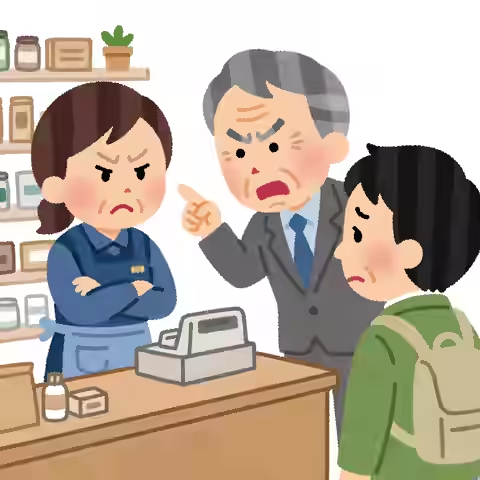
- CJK: 态 = 態. 度 = 度. JP 態度(たいど). Canto 態度 taai3 dou6. Classifier 个. 态度 = how you treat people, not 看法 an opinion.
- Fun fact: 对客人的态度. Shop floor, manager already had “the talk.” 工作态度 is work ethic; 态度不好 is the complaint.
- Memorize: Clerk scowling, manager pointing: 他对客人的态度不太好.
- Study tip: 态度. Don’t answer 看法. Pair 粗 — same rude-clerk energy.
7. 价钱(jiàqián)
price · harga
Example: 价钱有点儿贵。 — The price is a bit expensive.

- CJK: 价 = 價. 钱 = 錢. JP 値段. Canto 價錢 gaa3 cin2. Spoken sticker price. 价格 is the written/economic twin; this card prints 价钱. Pair 收入.
- Fun fact: 有点儿贵. Market stall, not a CPI chart. 价钱公道 is “a fair price”; 讲价钱 is haggling.
- Memorize: Price tag, wince: 价钱有点儿贵.
- Study tip: 价钱. Don’t answer 价格 unless printed. Reading jiàqián.
8. 袜子(wàzi)
socks; stockings · kaus kaki
Example: 今天有点儿冷,你出门前记得把袜子穿上。 — It's a bit cold today; remember to put on your socks before you go out.

- CJK: 袜 = 襪. 子 = 子. JP 靴下 / ソックス. Canto 襪子 mat6 zi2. Classifier 只 / 双. Neutral 子: wàzi.
- Fun fact: 出门前记得把袜子穿上. Cold hallway, shoes by the door. 丝袜 is stockings; 短袜 is ankle socks.
- Memorize: Cold morning, pulling socks on: 出门前记得把袜子穿上.
- Study tip: 袜子. Classifier 双. Don’t answer 鞋.
9. 粗(cū)
rough; crude; rude; thick; coarse · kasar (sikap)
Example: 他说话太粗了。 — He speaks too roughly.
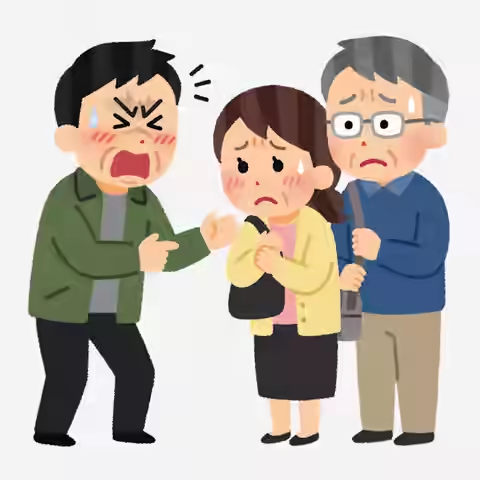
- CJK: 粗 = 粗. JP 粗い / 太い. Canto 粗 cou1. Many English tracks on one character. This sentence is rude talk, not a thick rope (绳子很粗) and not coarse salt.
- Fun fact: 说话太粗了. Volume + word choice. 粗心 is careless; 粗粮 is whole grains — different 粗.
- Memorize: Loud, blunt mouth, others flinch: 他说话太粗了.
- Study tip: 粗. Today is manner, not thickness. Don’t answer 大声. Pair 态度.
10. 首(shǒu)
classifier for poems, songs; head; first · penggolong lagu
Example: 他最喜欢的那首歌,我也会唱一点儿。 — I can sing a bit of that song he likes most too.

- CJK: 首 = 首. JP 首(くび) the neck, vs classifier しゅ. Canto 首 sau2. Today is 一首歌, not 首都 and not 首先.
- Fun fact: 那首歌. Karaoke, not a head of state. 一首诗 is a poem; 首页 is a homepage — different 首.
- Memorize: Karaoke mic, “that song”: 他最喜欢的那首歌.
- Study tip: 首. Classifier. Don’t answer 个 with 歌. Pair 琴 / 话剧.
11. 无(wú)
not to have; none; without · tidak ada; tanpa
Example: 我去看的时候房间里无人,灯却还开着。 — When I went to look, there was no one in the room, but the light was still on.

- CJK: 无 = 無. JP 無. Canto 無 mou4. Written/literary twin of 没有. This card prints 无人, not 没有人.
- Fun fact: 房间里无人,灯却还开着. Empty room, waste of electricity. 无关 is “irrelevant”; 无穷 is “endless.”
- Memorize: Empty room, lamp still on: 房间里无人,灯却还开着.
- Study tip: 无. Don’t answer 没有 unless printed. Pair 现有 — something vs nothing.
12. 管(guǎn)
tube (classifier); to manage; pipe · tabung; (penggolong pasta)
Example: 他买了一管牙膏。 — He bought a tube of toothpaste.

- CJK: 管 = 管. JP 管. Canto 管 gun2. Huge card. Today is the classifier 一管牙膏, not 管理 and not “I don’t care” (不管).
- Fun fact: 一管牙膏. Convenience-store tube, not a manager. 水管 is a water pipe; 管弦乐 is orchestra — different 管.
- Memorize: Checkout, one toothpaste tube: 他买了一管牙膏.
- Study tip: 管. Classifier today. Don’t answer 管理 or 条.
13. 相比(xiāngbǐ)
to compare · dibanding
Example: 和去年相比,今年的工作轻松多了。 — Compared with last year, work this year is much easier.

- CJK: 相 = 相. 比 = 比. JP 比べる. Canto 相比 soeng1 bei2. Pattern 和 A 相比,B…. 比较 is the everyday verb; 相比 likes the 和…相比 frame.
- Fun fact: 今年的工作轻松多了. Two calendars, smaller pile this year. 相比之下 is “by comparison.”
- Memorize: Last year’s stack vs this year’s thin folder: 和去年相比,今年的工作轻松多了.
- Study tip: 相比. Pattern 和…相比. Don’t answer 比较 unless printed.
14. 琴(qín)
stringed instrument; instrument in general · alat musik
Example: 她每天晚上都会练一会儿琴。 — She practices her instrument for a while every evening.
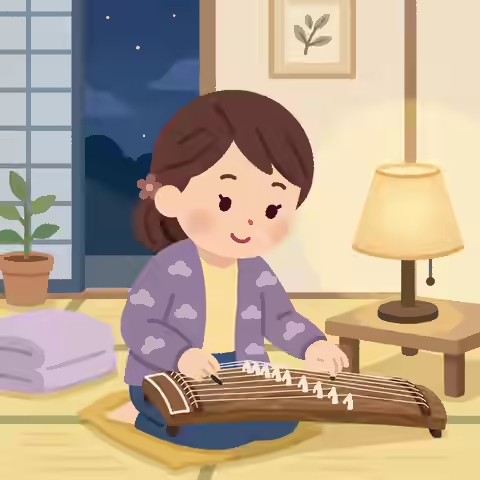
- CJK: 琴 = 琴. JP 琴(こと) / ピアノ. Canto 琴 kam4. 古琴 is the zither; 练琴 is “practice an instrument” — piano, violin, whatever is in the house.
- Fun fact: 练一会儿琴. Evening, lamp, twenty minutes. 钢琴 / 小提琴 are the specific names; the card prints 琴.
- Memorize: Evening lamp, practicing: 她每天晚上都会练一会儿琴.
- Study tip: 琴. Don’t answer 钢琴 unless printed. Pair 首 / 话剧.
15. 话剧(huàjù)
stage play; modern drama · drama teater
Example: 我们去看话剧。 — We're going to see a play.
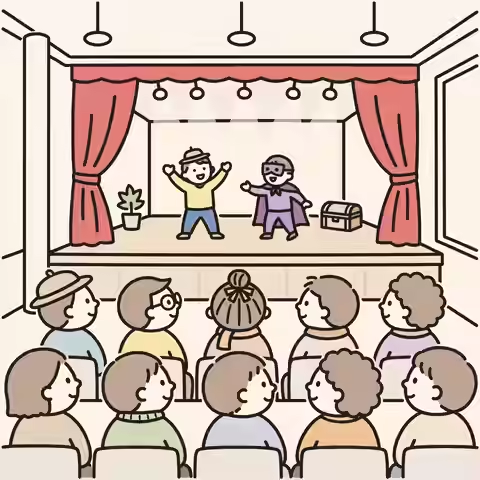
- CJK: 话 = 話. 剧 = 劇. JP 話劇 / 演劇. Canto 話劇 waa6 kek6. Classifier 台 / 部. Spoken modern play, not 京剧 and not 电视剧.
- Fun fact: 去看话剧. Theatre seats, live voices. 戏剧 is the broader “drama”; this card is the spoken-stage kind.
- Memorize: Theatre doors, “we’re going”: 我们去看话剧.
- Study tip: 话剧. Don’t answer 电影 or 京剧. Pair 琴.
16. 信心(xìnxīn)
confidence; faith (in sb or sth) · keyakinan
Example: 这次考试我很有信心,因为准备了很久。 — I'm very confident about this exam because I've been preparing for a long time.

- CJK: 信 = 信. 心 = 心. JP 自信. Canto 信心 seon3 sam1. Classifier 个. Pattern 有信心. Same-day 目标 / 教练.
- Fun fact: 很有信心,因为准备了很久. Stack of notes, not blind hope. 失去信心 is “lose confidence”; 自信心 is self-confidence.
- Memorize: Exam door, thick notes, nod: 这次考试我很有信心.
- Study tip: 信心. Pattern 有信心. Don’t answer 相信.
17. 图片(túpiàn)
picture; photograph · gambar; foto
Example: 你把昨天拍的那张图片发给我看看,好吗? — Could you send me that picture you took yesterday so I can take a look?

- CJK: 图 = 圖. 片 = 片. JP 画像 / 写真. Canto 圖片 tou4 pin3. Classifier 张. File/image; 照片 is the photo-as-photo twin. This sentence is “send the shot.”
- Fun fact: 发给我看看. Chat bubble, thumbnail. 图片处理 is image editing; 插图 is an illustration.
- Memorize: Phone, “send me that shot”: 把昨天拍的那张图片发给我看看.
- Study tip: 图片. Classifier 张. Don’t answer 照片 unless printed.
18. 教练(jiàoliàn)
coach; trainer; to coach · pelatih
Example: 他是我的教练。 — He is my coach.
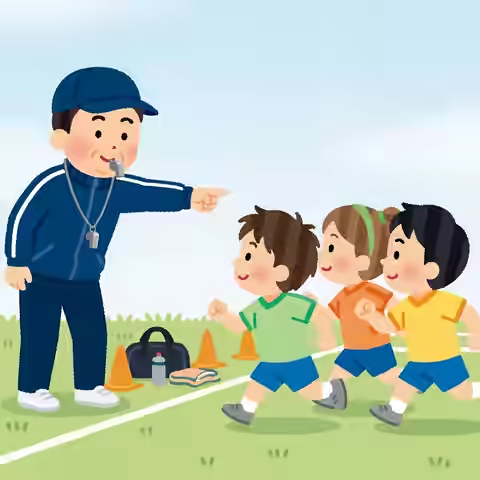
- CJK: 教 = 教. 练 = 練. JP コーチ / 監督. Canto 教練 gaau3 lin6. Classifier 位 / 名. Sports coach, not 老师 in a classroom. Pair 目标 / 信心.
- Fun fact: 他是我的教练. Whistle, sideline. 教练员 is the full job title; 私人教练 is a personal trainer.
- Memorize: Whistle, pointing at you: 他是我的教练.
- Study tip: 教练. Don’t answer 老师. Reading jiàoliàn (fourth + fourth).
19. 目标(mùbiāo)
target; goal; objective · tujuan; target
Example: 我的目标是学好中文。 — My goal is to learn Chinese well.

- CJK: 目 = 目. 标 = 標. JP 目標(もくひょう). Canto 目標 muk6 biu1. Classifier 个. Life goal here, not an archery bullseye — though that’s the picture that sticks.
- Fun fact: 学好中文. This deck’s own punchline. 达到目标 is “hit the goal”; 目标明确 is “clear objective.”
- Memorize: Target on the wall, “learn Chinese”: 我的目标是学好中文.
- Study tip: 目标. Don’t answer 目的 unless printed. Pair 信心.
20. 西部(xībù)
western part · bagian barat
Example: 我计划今年夏天去西部看看那里的风景。 — I plan to go to the west this summer to see the scenery there.

- CJK: 西 = 西. 部 = 部. JP 西部(せいぶ). Canto 西部 sai1 bou6. Same 部 as yesterday’s 北部 — a region, not a ministry and not 一部电影.
- Fun fact: 去西部看看那里的风景. Summer trip, mountains, not “Western movies.” 东部 / 南部 / 北部 are the siblings; 西部片 is a cowboy film.
- Memorize: Map pin in the west, suitcase: 我计划今年夏天去西部看看那里的风景.
- Study tip: 西部. Don’t answer 西边. Pair yesterday 北部.