Anki session
HSK 4
汉语
- New
- 20
- Learn
- 1
- Review
- 222
Session: 20 new remaining of the 20/day cap · 1 learning waiting · 222 reviews due.
Click HSK::Level 4, not the parent HSK. Clear the one learning card first; then new cards mix into the 222 reviews.
Japanese is skipped today (new cap already used; 15 learning still waiting). Cantonese is a second sheet: 2026-09-26-cantonese-level2.md.
Session plan
- Two hundred and twenty-two reviews plus one learning. When a new one pops, match it to the number below.
- 表 pile: 表 the wall meter, 表格 fill the form, 表示 the numbers, 表现 how you did.
- 部 pile: 北部 the north of town, 部 one film, 部分 this section.
- 不 pile: 不便 parking, 不断 keep improving, 不够 not enough for a ticket, 不得不 have to leave. Cousin 便于 — put it here so it’s easy to grab. Same-day Canto 唯有 is the same bind.
- Exam pair: 笔试 tomorrow, 毕业生 this year’s graduate.
- Body/bag: 背包 too heavy, 鼻子 dry weather, 笨 clumsy hands.
- Leftovers: 标准 pronunciation, 并 two classes into one, 步 the next step.
- Sense traps: 表 today is the electricity meter, not 手表 and not 表格; 部 is 一部电影, not 部门; 并 is merge the classes, not 并且; 表现 is performance at work, not 表演 on stage; 笨 in this sentence is clumsy hands, not IQ; 便于 is “convenient for doing X,” not 方便 as a one-word “handy”; 步 and 部 are both bù.
1. 背包(bēibāo)
knapsack; rucksack · ransel; tas punggung
Example: 这个背包很重。 — This backpack is heavy.

- CJK: 背 = 背. 包 = 包. JP リュック / 背負う. Canto 背囊 bui3 nong4. 背 is “on the back”; a hand bag is just 包.
- Fun fact: 这个背包很重. Hiking pack, straps on both shoulders. Classifier 个. 背包客 is a backpacker.
- Memorize: Both straps, sagging shoulders: 这个背包很重.
- Study tip: 背包. Don’t answer 包. Reading bēibāo (first + first).
2. 北部(běibù)
northern part · bagian utara
Example: 他住在城市的北部。 — He lives in the northern part of the city.

- CJK: 北 = 北. 部 = 部. JP 北部(ほくぶ). Canto 北部 bak1 bou6. Same 部 as 部 / 部分 later — here it is a region, not a ministry and not a film.
- Fun fact: 城市的北部. Map quadrant, not 北京 the city name. 南部 / 东部 / 西部 are the siblings.
- Memorize: City map, pin in the north: 他住在城市的北部.
- Study tip: 北部. Don’t answer 北京. Pair 部 / 部分.
3. 笨(bèn)
stupid; clumsy · bodoh; kaku
Example: 我手有点笨,这么精细的活我干不好。 — I’m a bit clumsy with my hands, so I can’t do such detailed work well.

- CJK: 笨 = 笨. JP 不器用. Canto 笨 ban6. Two English tracks on one character: IQ-stupid, and clumsy. This sentence is hands.
- Fun fact: 手有点笨. Threading a needle, not an insult. 笨重 is bulky; 愚笨 is the IQ reading.
- Memorize: Thick fingers vs tiny screws: 我手有点笨,这么精细的活我干不好.
- Study tip: 笨. Today is clumsy, not “you’re stupid.” Don’t answer 傻.
4. 鼻子(bízi)
nose · hidung
Example: 天气太干了,我这两天鼻子一直不舒服。 — The weather is so dry that my nose has been uncomfortable these past two days.

- CJK: 鼻 = 鼻. 子 = 子. JP 鼻(はな). Canto 鼻子 bei6 zi2. Classifier 个. 鼻音 is a nasal sound; the card is the body part.
- Fun fact: 鼻子一直不舒服. Heater air, tissues, not 感冒 as the printed word. Neutral 子: bízi.
- Memorize: Dry air, rubbing the nose: 天气太干了,我这两天鼻子一直不舒服.
- Study tip: 鼻子. Don’t answer 鼻 without 子 unless printed.
5. 笔试(bǐshì)
written examination · ujian tertulis
Example: 我们明天有笔试。 — We have a written exam tomorrow.

- CJK: 笔 = 筆. 试 = 試. JP 筆記試験. Canto 筆試 bat1 si5. Opposite of 面试 the interview. Pair 毕业生 — sit the paper, then graduate.
- Fun fact: 明天有笔试. Desk, paper, no talking. 口试 is the spoken exam.
- Memorize: Exam hall, pens out, “tomorrow”: 我们明天有笔试.
- Study tip: 笔试. Don’t answer 考试. Pair 毕业生.
6. 毕业生(bìyèshēng)
graduate · lulusan
Example: 她是今年的毕业生。 — She is this year's graduate.

- CJK: 毕 = 畢. 业 = 業. 生 = 生. JP 卒業生. Canto 畢業生 bat1 jip6 saang1. The person. 毕业 is the verb; 毕业典礼 is the ceremony.
- Fun fact: 今年的毕业生. Cap and gown this year, not “she already graduated years ago” as a résumé line.
- Memorize: Cap, this year’s class photo: 她是今年的毕业生.
- Study tip: 毕业生. Don’t answer 学生. Pair 笔试.
7. 便于(biànyú)
easy to; convenient for · mudah untuk
Example: 放在这儿便于拿。 — Put it here so it's easy to grab.
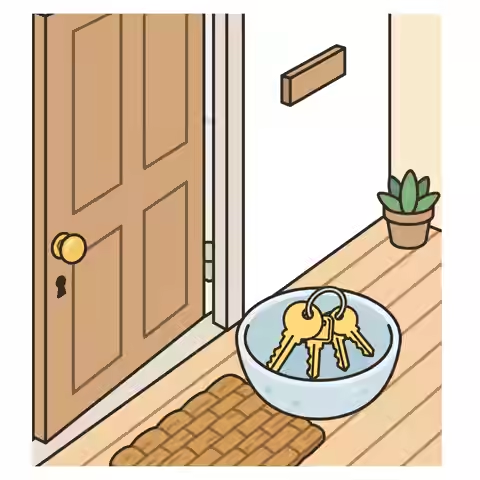
- CJK: 便 = 便. 于 = 於. JP 〜しやすい. Canto 便於 bin6 jyu1. Written “convenient for VERB.” Pair 不便 — same 便, opposite polarity.
- Fun fact: 便于拿. Shelf at hand height. 方便 is the spoken adjective; 便于 wants a verb after it.
- Memorize: Keys in the bowl by the door: 放在这儿便于拿.
- Study tip: 便于. Pattern 便于 + verb. Don’t answer 方便. Pair 不便.
8. 标准(biāozhǔn)
standard; (adj.) standard · standar; baku
Example: 你的发音很标准。 — Your pronunciation is very standard.

- CJK: 标 = 標. 准 = 準. JP 標準(ひょうじゅん). Canto 標準 biu1 zeon2. Noun (国家标准) and adjective (标准口音). This sentence is the accent compliment.
- Fun fact: 发音很标准. Teacher praise, not ISO paperwork. 不标准 is the insult; 标准间 is a hotel twin room — different 标准.
- Memorize: Teacher nodding at a clean 声调: 你的发音很标准.
- Study tip: 标准. Don’t answer 对. Reading biāozhǔn.
9. 表(biǎo)
meter; gauge; form; watch; to show · meteran; arloji; tabel
Example: 墙上的那个表是看家里用了多少电的。 — That meter on the wall shows how much electricity we use at home.
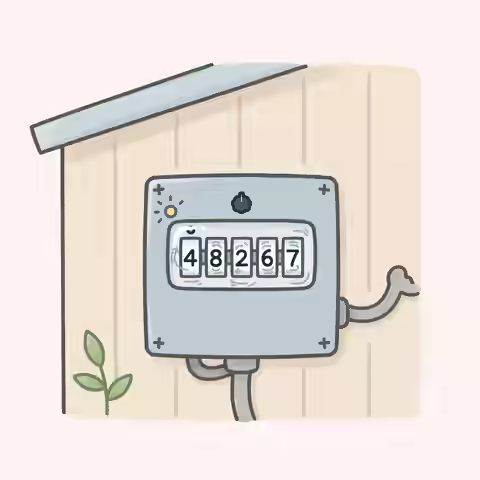
- CJK: 表 = 表. JP メーター / 表. Canto 錶 often for watch/meter, 表 for forms. This card’s sentence is the electricity meter (电表), not 手表.
- Fun fact: 墙上的那个表. Wall box, spinning digits, kWh. 手表 is the wrist; 表格 is the paper grid next.
- Memorize: Wall meter, “how much electricity”: 墙上的那个表是看家里用了多少电的.
- Study tip: 表. Today is the meter. Don’t answer 手表 or 表格.
10. 表格(biǎogé)
form; table · formulir; tabel
Example: 请填一下这张表格。 — Please fill in this form.

- CJK: 表 = 表. 格 = 格. JP 用紙 / フォーム. Canto 表格 biu2 gaak3. Classifier 张 / 份. Pair 表 — wall meter vs paper grid.
- Fun fact: 填一下这张表格. Immigration / HR clipboard. 填表 is the short verb; 图表 is a chart.
- Memorize: Clipboard, “please fill this in”: 请填一下这张表格.
- Study tip: 表格. Classifier 张. Don’t answer 表. Pair 表示.
11. 表示(biǎoshì)
to express; to indicate · menyatakan; menunjukkan
Example: 这些数字表示我们的计划有问题。 — These numbers show that there is a problem with our plan.
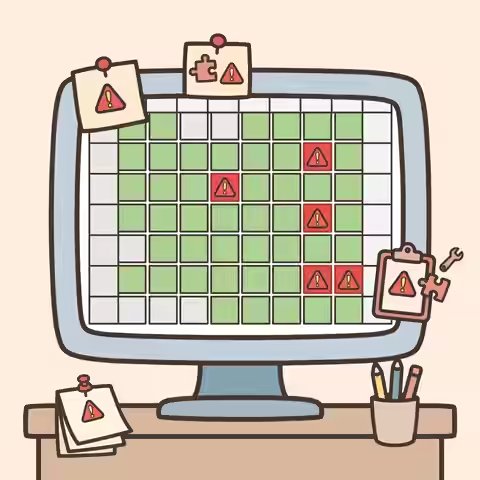
- CJK: 表 = 表. 示 = 示. JP 示す / 表す. Canto 表示 biu2 si6. Of things: data 表示. Of people: 表示同意. Pair 表现 — numbers indicate vs you perform.
- Fun fact: 这些数字表示. Spreadsheet red, plan in trouble. Not 表演. 表示感谢 is “express thanks.”
- Memorize: Spreadsheet, red cells, “the numbers say”: 这些数字表示我们的计划有问题.
- Study tip: 表示. Things indicate; people express. Don’t answer 说. Pair 表现.
12. 表现(biǎoxiàn)
to show; performance; behavior · penampilan; menunjukkan
Example: 你的表现很好。 — Your performance was very good.

- CJK: 表 = 表. 现 = 現. JP 表現 / 成績. Canto 表現 biu2 jin6. Work/school performance, not 表演 a stage show. Last of the 表 pile.
- Fun fact: 你的表现很好. Boss after a shift, or teacher after a test. 表现自己 can be “show off.”
- Memorize: Boss thumbs-up after a meeting: 你的表现很好.
- Study tip: 表现. Don’t answer 表演. Pair 表示.
13. 并(bìng)
to combine; and; (not) at all · menggabungkan; dan
Example: 老师把两个班并在一起上课。 — The teacher combined the two classes for the lesson.
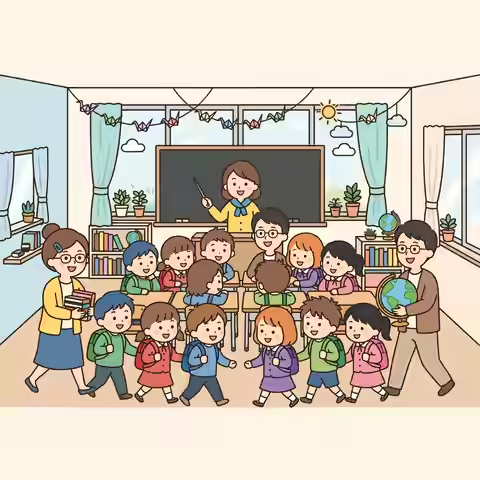
- CJK: 并 = 並 / 併. JP 合わせる. Canto 併 bing6. Three HSK lives: merge (this sentence), 并且 “and,” 并不 “not at all.” Today is merge.
- Fun fact: 两个班并在一起. One classroom, two class lists. 合并 is the two-character verb; the card prints 并.
- Memorize: Two class doors, one lesson: 老师把两个班并在一起上课.
- Study tip: 并. Today is combine. Don’t answer 并且.
14. 不便(búbiàn)
inconvenient · tidak nyaman; merepotkan
Example: 在这儿停车很不便。 — Parking here is inconvenient.
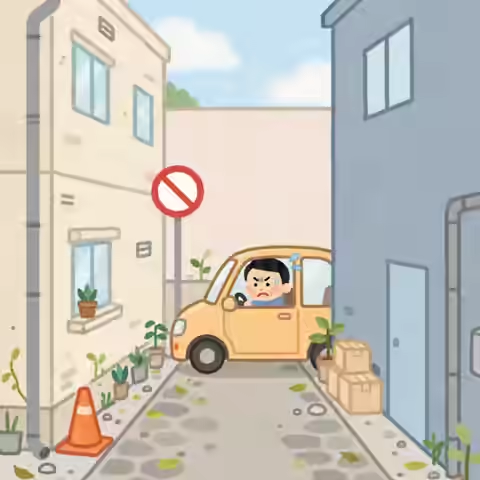
- CJK: 不 = 不. 便 = 便. JP 不便(ふべん). Canto 不便 bat1 bin6. Tone sandhi: bú before 4th-tone 便. Pair 便于 — same 便.
- Fun fact: 停车很不便. No bay, tow-away, not “I am short of cash” (another 不便). 方便 is the yes; this is the no.
- Memorize: Tiny alley, no parking sign: 在这儿停车很不便.
- Study tip: 不便. Reading búbiàn. Don’t answer 麻烦. Pair 便于.
15. 不断(búduàn)
unceasing; continuous · terus-menerus
Example: 他在不断地进步。 — He is constantly making progress.

- CJK: 不 = 不. 断 = 斷. JP 絶えず. Canto 不斷 bat1 dyun6. Adverb, often 不断地 + verb. Sandhi bú before 4th-tone 断.
- Fun fact: 不断地进步. Slow climb, every week, not one lucky test. 断 is “cut”; 不+断 = never cut the line.
- Memorize: Graph ticking up, week after week: 他在不断地进步.
- Study tip: 不断. Pattern 不断地 + verb. Don’t answer 一直 unless printed.
16. 不够(búgòu)
not enough · tidak cukup
Example: 这些钱还不够买一张回家的票。 — This money still isn't enough to buy a ticket home.

- CJK: 不 = 不. 够 = 夠. JP 足りない. Canto 唔夠 m4 gau3. Sandhi bú before 4th-tone 够. 够 is “enough”; flip it. Same-day Canto 有錢 is the other money card.
- Fun fact: 还不够买一张回家的票. Counting cash at the window, still short. 不够好 is “not good enough.”
- Memorize: Palm of coins, ticket counter: 这些钱还不够买一张回家的票.
- Study tip: 不够. Reading búgòu. Don’t answer 少.
17. 步(bù)
a step; a pace; a stage · langkah
Example: 下一步是什么? — What's the next step?
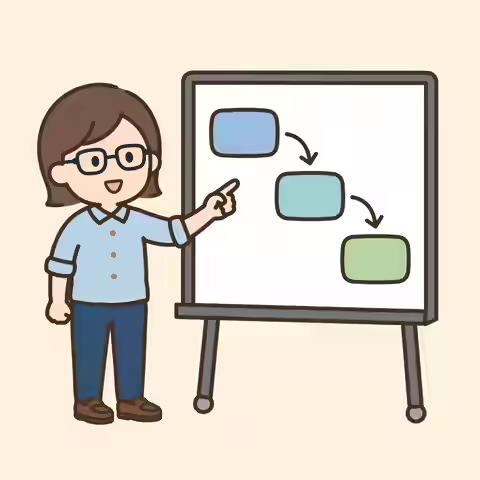
- CJK: 步 = 步. JP ステップ / 歩. Canto 步 bou6. Walking 走一步, and process 下一步 (this card). Not 走路 the verb. Same pinyin as 部 next — different character.
- Fun fact: 下一步是什么. Whiteboard, project plan. 跑步 is jogging; 步 is the noun.
- Memorize: Whiteboard, “next step?”: 下一步是什么?
- Study tip: 步. Today is the process step. Don’t answer 走. Pair 部 (same bù).
18. 部(bù)
section; ministry; classifier for films · bagian; kementerian; buah (film)
Example: 这部电影我已经和朋友看过两遍了。 — I've already watched this movie twice with a friend.

- CJK: 部 = 部. JP 部 / 本 (JP counts films with 本). Canto 部 bou6. Classifier 部 for 电影 / 小说 / some machines. Pair 北部 / 部分 — region / classifier / portion.
- Fun fact: 这部电影…看过两遍了. Same film, two watches, a friend. Not 外交部.
- Memorize: Sofa, replay, “this film twice”: 这部电影我已经和朋友看过两遍了.
- Study tip: 部. Today is the film classifier. Don’t answer 个. Pair 北部 / 部分. Same bù as 步.
19. 不得不(bùdébù)
have no choice but to · terpaksa; tidak punya pilihan selain
Example: 我不得不走了。 — I have no choice but to leave.
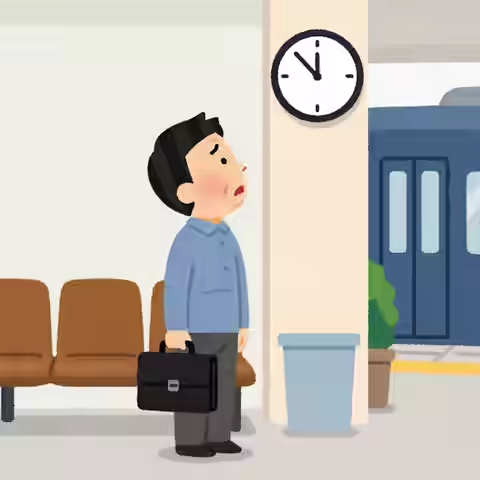
- CJK: 不 = 不. 得 = 得. 不 = 不. JP ざるを得ない. Canto 唯有 / 不得不. Double 不: cannot not. 得 here is dé (2nd), so first 不 stays bù. Same-day Canto 唯有 — rent or sleep on the street.
- Fun fact: 我不得不走了. Last train, not 我想走. 不必 is the opposite (“no need”).
- Memorize: Clock, last train, standing up: 我不得不走了.
- Study tip: 不得不. Reading bùdébù. Don’t answer 必须. Pattern 不得不 + verb.
20. 部分(bùfen)
part; portion · bagian
Example: 这个部分很重要。 — This part is very important.

- CJK: 部 = 部. 分 = 分. JP 部分(ぶぶん). Canto 部分 bou6 fan6. Last of the 部 pile. Taiwan often bùfèn (4th on 分); the card is bùfen.
- Fun fact: 这个部分很重要. Chapter / body part / budget line — a piece of a whole. 全部 is the whole.
- Memorize: Highlighted paragraph, “this part”: 这个部分很重要.
- Study tip: 部分. Don’t answer 部. Pair 北部 / 部.