Anki session
Cantonese 2
廣東話
- New
- 20
- Learn
- 0
- Review
- 78
Session: 20 new remaining of the 20/day cap · 0 learning waiting · 78 reviews due.
Click Cantonese::Level2, not Level1. Level1 is review-only now. No learning queue today, so new cards mix into the 78 reviews.
This is a second sheet for today (HSK is 2026-09-25.md). Japanese is skipped (new cap already used).
Session plan
- Seventy-eight reviews. Clear those as they come; the new twenty mix in.
- People stack: 你自己 check it yourself, 個個 everyone bailed, 其他人 don’t rely on them, 面前 talk back in front of the boss.
- Agree stack: 好呀 hi / sure, 啱 you’re right, ok no need to explain.
- Time stack: 十 home at 10 p.m., 個鐘 waited an hour.
- Teach pair: 教 who taught you to drive, 學生 now a hardworking student.
- Money/work: 水 new drinks / cashing in, 生意 business used to be okay, 拉 arrested, 支 prop the system up.
- Daily: 瞓 can’t sleep, 少 eats too little, 中國 been three times, 重要 health first, 輝 the name on the podium.
- Sense traps: 拉 today is arrest, not yesterday’s HSK violin; 瞓 is Canto sleep (Mandarin 睡), not 困; 水 in this sentence is drinks + “cashing in,” not drinking water; 個鐘 is one hour, not a wall clock; 好呀 and ok are both “fine” — 好呀 is the Canto particle, ok is the Latin letters; 少 is siu2 “little,” not siu3 “young.”
1. 中國(zung1 gwok3)
China · Tiongkok
Example: 我去過中國三次。 — I've been to China three times.

- CJK: 中 = 中. 國 = 国. Mandarin 中国. JP 中国(ちゅうごく). Traditional 國 on this deck. Same-day HSK 北部 is a region inside a country; this card is the country.
- Fun fact: 去過三次. Travel count, not politics class. 中國人 is the person; 國內 is “domestic.”
- Memorize: Passport stamps, three trips: 我去過中國三次.
- Study tip: 中國. Reading zung1 gwok3. Don’t answer 國內.
2. 重要(zung6 jiu3)
important; significant · penting
Example: 健康係最重要嘅。 — Health is the most important thing.

- CJK: 重 = 重. 要 = 要. Mandarin 重要 zhòngyào. JP 重要(じゅうよう). 重 is zung6 “important,” not cung5 “heavy.” Same-day HSK 部分 “this part is 重要.”
- Fun fact: 健康係最重要嘅. Health > work. 嚴重 is “serious”; the card is 重要.
- Memorize: Hospital poster, “health first”: 健康係最重要嘅.
- Study tip: 重要. Reading zung6 (not cung5). Don’t answer 嚴重.
3. 面前(min6 cin4)
directly in front · di hadapan
Example: 佢好大膽,喺老闆面前頂嘴。 — He's bold enough to talk back in front of the boss.

- CJK: 面 = 面. 前 = 前. Mandarin 面前. JP 目の前. Physical in front of someone, not 將來. Pair 你自己 / 其他人.
- Fun fact: 喺老闆面前頂嘴. Open-plan office, everyone hears it. 面前 can also be “in the face of” a problem.
- Memorize: Desk, boss, talking back: 喺老闆面前頂嘴.
- Study tip: 面前. Don’t answer 前面 unless printed. Pair 個個.
4. 輝(fai1)
bright; radiant · cerah; bercahaya
Example: 周浩輝係香港民族黨發言人。 — Chow Ho-fai is the spokesperson of the Hong Kong National Party.

- CJK: 輝 = 辉. Mandarin 辉 huī. JP 輝(かがや・き). On this card it is a name 周浩輝, not 光輝 the glow. Still the “radiance” character.
- Fun fact: 周浩輝…發言人. Podium, mic, nameplate. 輝煌 is “glorious”; the deck prints 輝.
- Memorize: Press podium, name 輝 on the plate: 周浩輝係香港民族黨發言人.
- Study tip: 輝. Reading fai1. Today is the name. Don’t answer 光.
5. 十(sap6)
ten; 10 · sepuluh
Example: 每日除咗返工,我仲搵緊樓,成日十點先返到屋企。 — Every day besides working, I’m flat hunting, always getting home at ten p.m.
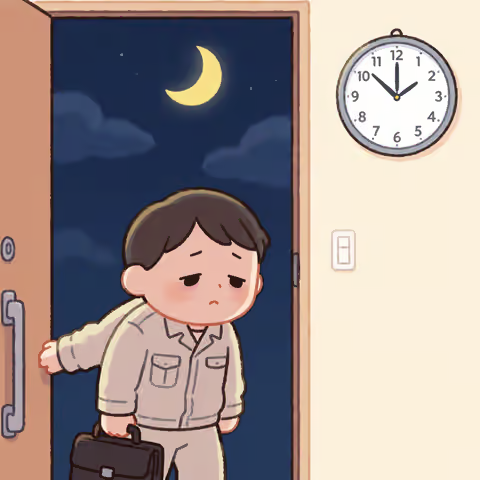
- CJK: 十 = 十. Mandarin 十 shí. JP 十(じゅう). Canto sap6, not a Mandarin-style shi. Pair 個鐘 — o’clock vs duration.
- Fun fact: 十點先返到屋企. After work and viewing flats. 十 is the number; 十月 is October.
- Memorize: Dark street, 10:00, keys: 成日十點先返到屋企.
- Study tip: 十. Reading sap6. Don’t answer 拾 unless printed. Pair 個鐘.
6. 好呀(hou2 aa3)
OK; fine; hey · oke; baik
Example: 你好呀,今日過成點呀? — Hi there, how’s your day going?

- CJK: 好 = 好. 呀 = sentence particle (no Mandarin twin). Mandarin 你好啊 / 好啊. JP ねえ / いいよ. Two lives: greeting 你好呀, and agreement 好呀 “sure.” This example is the greeting.
- Fun fact: 你好呀. Street hello, not a contract. Pair ok later — Latin letters vs 呀.
- Memorize: Wave, casual hello: 你好呀,今日過成點呀?
- Study tip: 好呀. Don’t answer ok unless the card prints Latin letters. Pair 啱 / ok.
7. 少(siu2)
few; little; lack · sedikit; kurang
Example: 奧馬好瘦,佢一定食得好少。 — Omar is very thin, he must eat very little.
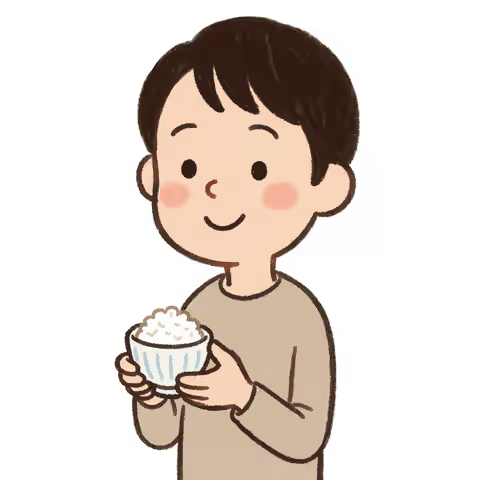
- CJK: 少 = 少. Mandarin 少 shǎo. JP 少ない. Reading siu2 “little,” not siu3 “young” (少年). Same-day HSK 不够 is “not enough money”; this is “eats little.”
- Fun fact: 食得好少. Empty plate, skinny friend. 少少 is “a tiny bit.”
- Memorize: Thin friend, tiny rice bowl: 奧馬好瘦,佢一定食得好少.
- Study tip: 少. Reading siu2. Don’t answer 細.
8. 教(gaau3)
teach; religion; instruction · mengajar; agama; ajaran
Example: 邊個教你揸車㗎? — Who taught you how to drive?
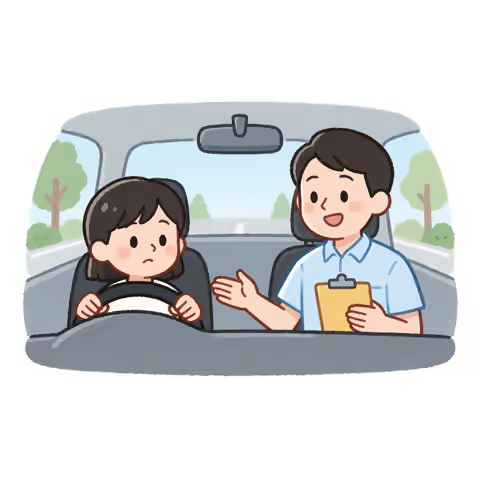
- CJK: 教 = 教. Mandarin 教 jiāo (teach) / jiào (religion). JP 教える. Canto gaau3 covers both. Pair 學生.
- Fun fact: 教你揸車. Passenger seat, not a church. 宗教 is religion; this sentence is the verb.
- Memorize: Dual controls, “who taught you?”: 邊個教你揸車㗎?
- Study tip: 教. Today is teach. Don’t answer 學. Pair 學生.
9. 你自己(nei5 zi6 gei2)
yourself · dirimu sendiri
Example: 清柔叫你自己檢查。 — Ching Yau told you to check it yourself.

- CJK: 你 = 你. 自己 = 自己. Mandarin 你自己. JP 自分で. Reflexive. Pair 其他人 — yourself vs other people.
- Fun fact: 叫你自己檢查. Nobody else is going to QA it. 自己人 is “one of us”; the card is 你自己.
- Memorize: Finger pointing back at you, checklist: 清柔叫你自己檢查.
- Study tip: 你自己. Don’t answer 自己 without 你 unless printed. Pair 其他人.
10. 個個(go3 go3)
each and every one · setiap orang; semua orang
Example: 個個都話撐我,最後冇人嚟。 — Everyone said they’d support me, but in the end no one showed up.

- CJK: 個 = 个. Reduplicated classifier = “every (person).” Mandarin 个个 / 人人. JP みんな. Pair 面前 — the crowd that didn’t come.
- Fun fact: 個個都話撐我. Group chat yeses, empty chairs. 每個 is “each”; 個個 is the punchy reduplication.
- Memorize: Empty seats, “everyone promised”: 個個都話撐我,最後冇人嚟.
- Study tip: 個個. Don’t answer 所有人 unless printed. Pair 其他人.
11. 水(seoi2)
water; money; drinks; income · air; uang; minuman
Example: 呢間餐廳趁住潮流,出咗好多新水。 — This restaurant is cashing in, launching many new drinks.

- CJK: 水 = 水. Mandarin 水. JP 水. Canto extras: 水 = money, 抽水 = take a cut, and drinks on a menu. This sentence is the drinks launch (and the cashing-in).
- Fun fact: 出咗好多新水. New latte names on the board, trend-chasing. Not 飲水 “drink water.”
- Memorize: Café board, six new drink names: 呢間餐廳趁住潮流,出咗好多新水.
- Study tip: 水. Today is drinks / cashing in. Don’t answer 茶.
12. 瞓(fan3)
sleep; go to bed; lie down · tidur; berbaring
Example: 啲聲搞到我瞓唔到。 — Those noises kept me from sleeping.
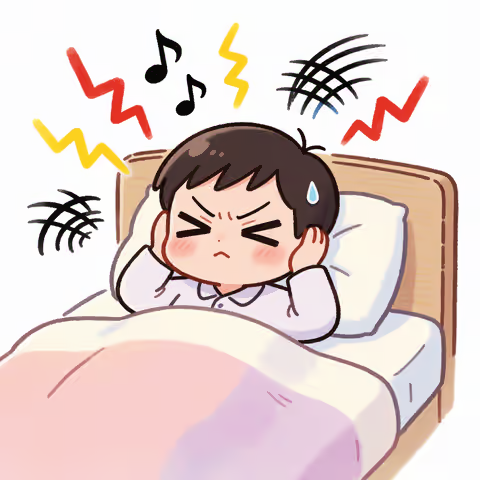
- CJK: 瞓 is Canto-only. Mandarin 睡. JP 寝る. Character has 目 + 軍. Yesterday 多數瞓得好夜; today you can’t 瞓.
- Fun fact: 瞓唔到. Neighbours, pipes, 3 a.m. 瞓覺 is “sleep”; 瞓街 is sleep on the street.
- Memorize: Hands over ears in bed: 啲聲搞到我瞓唔到.
- Study tip: 瞓. Don’t answer 睡 unless printed. Not 困.
13. 其他人(kei4 taa1 jan4)
other people · orang lain
Example: 我哋唔可以再靠其他人,要靠自己。 — We can’t rely on other people anymore, we must rely on ourselves.
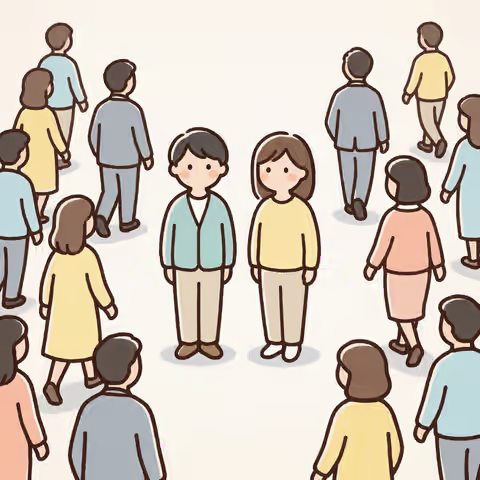
- CJK: 其 = 其. 他 = 他. 人 = 人. Mandarin 其他人. JP 他の人. Pair 你自己 — the same moral, two cards.
- Fun fact: 唔可以再靠其他人. After 個個 no-showed. 他人 is more written; this deck prints 其他人.
- Memorize: Two people standing alone: 要靠自己,唔好再靠其他人.
- Study tip: 其他人. Don’t answer 別人 unless printed. Pair 你自己 / 個個.
14. 啱(ngaam1)
correct; suitable; by chance · benar; cocok; kebetulan
Example: 你講得啱,就係咁。 — You're right, that's exactly how it is.

- CJK: 啱 is Canto-only (口 + 岩). Mandarin 对 / 合适. JP 正しい / ちょうど. Three lives: right, it fits, coincidentally (啱啱). This sentence is “you’re right.”
- Fun fact: 你講得啱. Nod. 啱心水 is “to one’s taste”; 唔啱 is wrong / doesn’t fit.
- Memorize: Nod, “you’re right”: 你講得啱,就係咁.
- Study tip: 啱. Don’t answer 對 unless printed. Pair 好呀 / ok.
15. 拉(laai1)
pull; drag; arrest · menarik; menyeret; menangkap
Example: 可唔可以解釋下點解你突然被拉? — Can you explain why you were suddenly arrested?
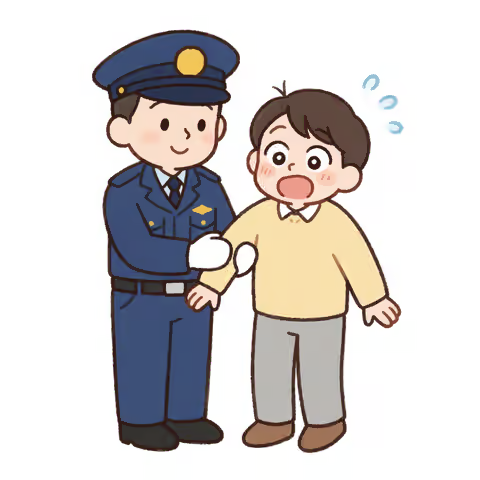
- CJK: 拉 = 拉. Mandarin 拉 is pull (yesterday HSK 拉小提琴). Canto 拉 in this sentence is arrest (Mandarin 抓). JP 逮捕する.
- Fun fact: 突然被拉. Van, not a violin bow. 拉人 is “bust someone”; 拉閘 is pull the shutters.
- Memorize: Hands cuffed, “why arrested?”: 點解你突然被拉?
- Study tip: 拉. Today is arrest. Don’t answer 拉小提琴.
16. 支(zi1)
to support; to sustain; to erect · menopang; mendukung; mendirikan
Example: 我哋要先支住呢個制度,先至可以改。 — We must prop up this system before we can change it.
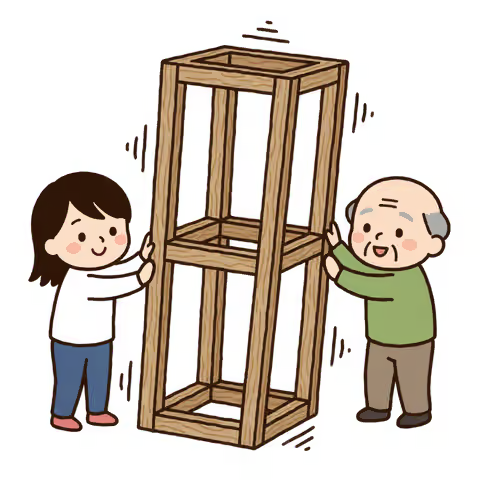
- CJK: 支 = 支. Mandarin 支撑 / 支. JP 支える. Verb “prop up” on this card. Also the classifier 一支筆 — not today.
- Fun fact: 先支住呢個制度. Hold the beam, then renovate. 支持 is “support a person/idea”; 支住 is physical/system bracing.
- Memorize: Hands bracing a wobbly frame: 我哋要先支住呢個制度.
- Study tip: 支. Today is prop up. Don’t answer 支持 unless printed.
17. 生意(saang1 ji3)
business; trade · bisnis; dagang
Example: 以前呢度生意仲可以,而家唔得喇。 — Business used to be okay here, but now it’s not.
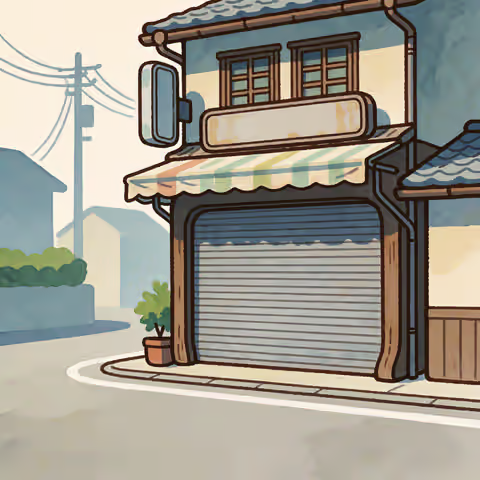
- CJK: 生 = 生. 意 = 意. Mandarin 生意 shēngyi. JP 商売. Canto saang1 ji3. Pair 水 — the café chasing drinks, the shop that’s dying.
- Fun fact: 生意仲可以,而家唔得. Empty shop, old neighbourhood. 做生意 is “do business.”
- Memorize: Shuttered shop, “used to be okay”: 以前呢度生意仲可以,而家唔得喇.
- Study tip: 生意. Reading saang1 ji3. Don’t answer 公司.
18. 學生(hok6 saang1)
student; pupil · siswa; pelajar
Example: 以前我係個廢青,而家我係個勤力嘅學生。 — I used to be a loser, now I’m an active student.
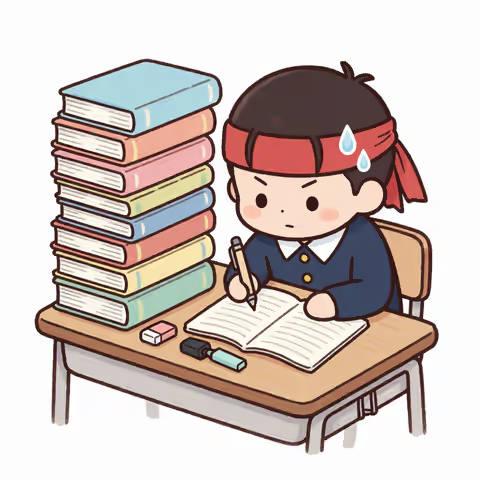
- CJK: 學 = 学. 生 = 生. Mandarin 学生. JP 学生. Pair 教 — who teaches, who studies. Same-day HSK 毕业生 is the one who finished.
- Fun fact: 而家我係個勤力嘅學生. Glow-up. 廢青 is the old self; 大學生 is the uni one.
- Memorize: Uniform, books, “now a student”: 而家我係個勤力嘅學生.
- Study tip: 學生. Don’t answer 畢業生. Pair 教.
19. ok(ok)
okay; alright · oke; baiklah
Example: OK,我明喇,唔使再解釋。 — OK, I get it, no need to explain further.
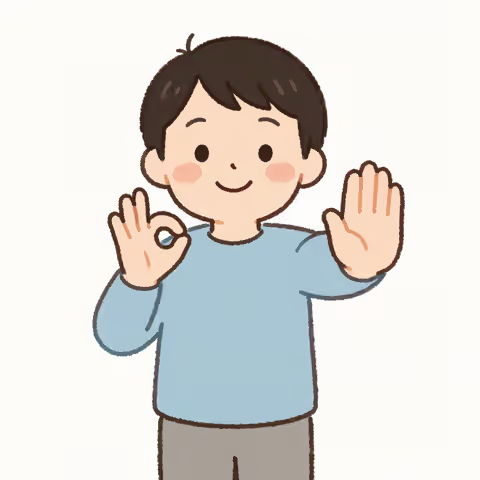
- CJK: Latin ok / OK. Mandarin 好的. JP オーケー. Written in English letters in Canto chats. Pair 好呀 — particle vs loanword.
- Fun fact: 唔使再解釋. Hand up, conversation over. Lowercase ok is how the deck prints it.
- Memorize: Palm stop, “OK I get it”: OK,我明喇,唔使再解釋.
- Study tip: ok. Answer the Latin letters. Don’t answer 好呀 unless that’s what’s printed.
20. 個鐘(go3 zung1)
one hour; the clock · satu jam; jam
Example: 我等咗一個鐘,都仲未見到佢。 — I waited for an hour and still didn’t see him.
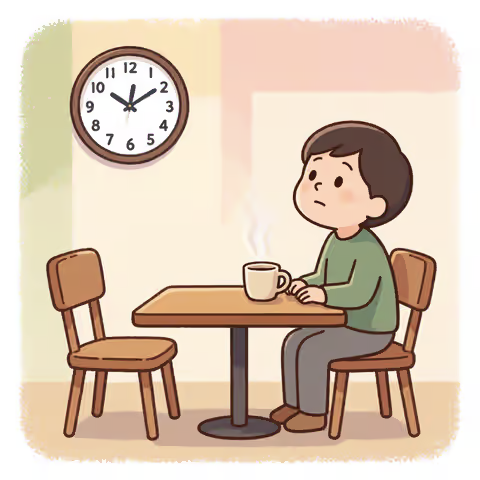
- CJK: 個 = 个. 鐘 = 钟. Mandarin 一个小时. JP 一時間. Canto duration is 一個鐘, not 小時. Pair 十 — 十點 is o’clock; 個鐘 is length.
- Fun fact: 等咗一個鐘. Platform / café, no-show (same energy as 個個). 鬧鐘 is an alarm clock; this card is the hour.
- Memorize: Watch, 60 minutes, empty chair: 我等咗一個鐘,都仲未見到佢.
- Study tip: 個鐘. Today is one hour. Don’t answer 小時. Pair 十.