Anki session
Cantonese 2
廣東話
- New
- 20
- Learn
- 0
- Review
- 276
Session: 20 new remaining of the 20/day cap · 0 learning waiting · 276 reviews due.
Click Cantonese::Level2, not Level1. Level1 is review-only now. No learning queue today, so new cards mix into the 276 reviews.
HSK and Japanese are skipped today (new cap already used; both still have unseen cards). This is the only sheet.
Session plan
- Two hundred and seventy-six reviews. When a new one pops, match it to the number below.
- Clock stack: 暫時 this setup, 原本 the cancelled trip, leftover 半年 still in the new queue, 多時 long time no see, 同時 two things at once.
- Space pair: 前面 you’re blocking the view, 近 five minutes to the MTR.
- Don’t-know pile: 乜野 what’s her job, 我唔知 who is Eason.
- Soft vs sharp permission: 不可 the written “cannot ignore,” 都得 anyone is fine once the bridge works.
- People: 人地 I haven’t even spoken, 呢位 this new colleague.
- Pressure / motion: 壓力 can’t cope, 慘 this morning’s jam, 跳 the cat, 派 two factions, 認 won’t admit it, 留低 leave the number, 做法 how you cook it.
- Sense traps: 乜野 prints 野, not 嘢; 不可 is written 不, spoken 唔可以; 人地 today is the complaint “I,” not “other people”; 呢位 is the polite classifier, not 呢個; 都得 is “that’s fine,” not 得到; 派 is factions, not 派發; 認 is 認錯; 多時 ≠ 同時; 前面 is the view ahead, yesterday 上前 was stepping in; 半年 is yesterday’s leftover new card.
1. 暫時(zaam6 si4)
temporary; provisional · sementara
Example: 呢個安排只係暫時,之後會再調整。 — This arrangement is only temporary, we'll adjust later.
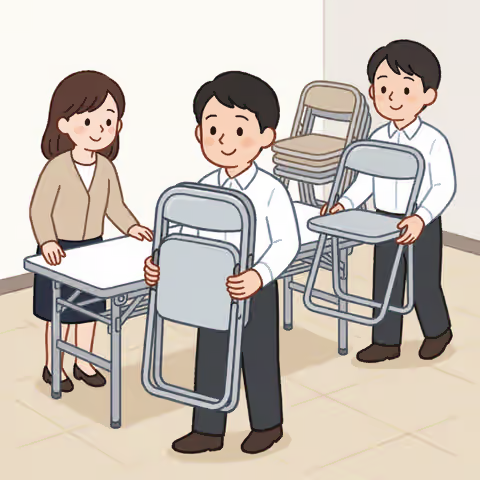
- CJK: 暫 = 暂. 時 = 时. Mandarin 暂时. JP 暫時 / とりあえず. Adverb and adjective: 暫時用緊. Not 臨時 the ad-hoc post, not 時間 the clock.
- Fun fact: 只係暫時,之後會再調整. Folding chairs, we’ll swap the layout after lunch. 暫時唔好郁 is “don’t move for now.”
- Memorize: Temporary setup, “we’ll fix it later”: 呢個安排只係暫時.
- Study tip: 暫時. Reading zaam6 si4. Don’t answer 臨時. Pair 原本.
2. 壓力(aat3 lik6)
pressure · tekanan
Example: 工作壓力好大,頂唔順。 — Work pressure is huge, can't cope.

- CJK: 壓 = 压. 力 = 力. Mandarin 压力. JP 圧力(あつりょく). Entering-tone aat3. Classifier 個 / 種. 壓力大 is the set phrase; 頂唔順 is “can’t take it.”
- Fun fact: 頂唔順. Inbox, boss, no air. 減壓 is “decompress”; 壓力煲 is a pressure cooker — same 壓.
- Memorize: Desk buried in paper, hands on temples: 工作壓力好大,頂唔順.
- Study tip: 壓力. Reading aat3 lik6. Don’t answer 緊張. Pair 慘.
3. 原本(jyun4 bun2)
originally; formerly · semula; aslinya
Example: 原本我哋計劃去旅行,但係下雨。 — We originally planned to travel, but it rained.

- CJK: 原 = 原. 本 = 本. Mandarin 原本. JP もともと. “The plan was…” — rain cancelled it. 原來 is “so it turns out”; 本來 is close but this card prints 原本.
- Fun fact: 計劃去旅行,但係下雨. Packed bags, window streaked. 原本想 is “I originally wanted…”
- Memorize: Suitcases, rain, trip off: 原本我哋計劃去旅行,但係下雨.
- Study tip: 原本. Reading jyun4 bun2. Don’t answer 原來. Pair 暫時.
4. 前面(cin4 min6)
in front · di depan
Example: 咪郁啦!你擋住我睇唔到前面呀。 — Don't move! You're blocking my view of the front.

- CJK: 前 = 前. 面 = 面. Mandarin 前面. JP 前. Location, not motion. Yesterday 上前 was the cop stepping into the fight; this card is the view ahead that someone is blocking.
- Fun fact: 擋住我睇唔到前面. Concert, tall backpack, “don’t move.” 前面條街 is “the street ahead.”
- Memorize: Someone blocking a window: 咪郁啦!你擋住我睇唔到前面呀.
- Study tip: 前面. Don’t answer 上前. Pair 近.
5. 乜野(mat1 je5)
what · apa
Example: 你家姐做乜野㗎?-佢係牙醫㗎喇。 — What does your older sister do? — She's a dentist.

- CJK: 乜 = Canto-only “what.” 野 on this card, not the usual 嘢. Mandarin 什么. JP 何. Whole phrase 做乜野 = “do what / what’s her job.”
- Fun fact: 做乜野㗎?牙醫. Gossip, not a philosophy seminar. 乜野嚟㗎 is “what’s this?”; 冇乜野 is “nothing much.”
- Memorize: Chat, “your sister does what?” dentist: 你家姐做乜野㗎?
- Study tip: 乜野. Prints 野. Don’t answer 什麼. Pair 我唔知.
6. 不可(bat1 ho2)
cannot; not allowed · tidak boleh; tidak dapat
Example: 呢件事不可忽視。 — This matter cannot be ignored.
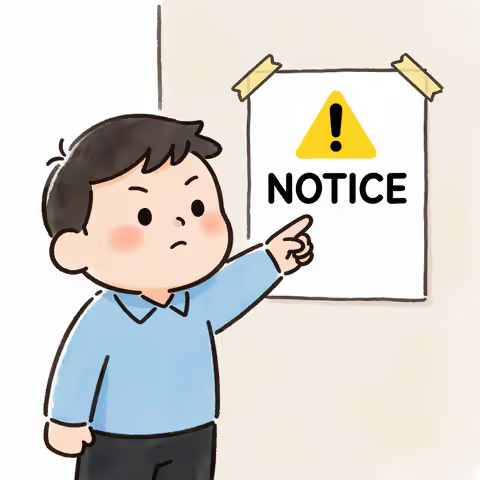
- CJK: 不 = 不. 可 = 可. Mandarin 不可. JP 不可. Written/set-phrase 不, not spoken 唔. 忽視 is “ignore.” Spoken “you may not” is 唔可以.
- Fun fact: 不可忽視. Notice on the wall, not a parent saying 唔好. 不可或缺 is “indispensable”; 不可一世 is “arrogant.”
- Memorize: Finger on a notice: 呢件事不可忽視.
- Study tip: 不可. Reading bat1 ho2. Don’t answer 唔可以 unless printed. Pair 都得.
7. 近(gan6)
near; close to · dekat
Example: 我屋企好近地鐵站,行五分鐘就到。 — My home is very close to the MTR station; it's just a five-minute walk.
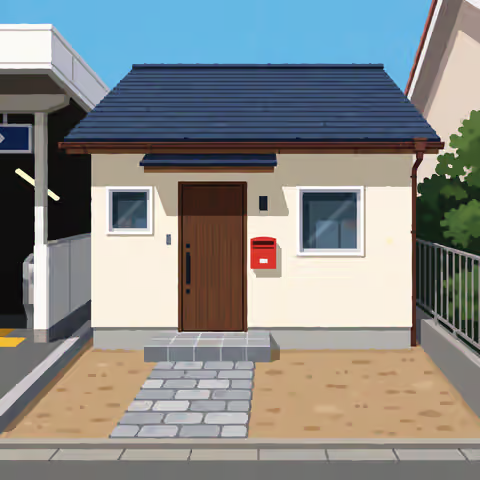
- CJK: 近 = 近. Mandarin 近. JP 近い(ちかい). Tone gan6, not gan1. Antonym 遠. 好近 + place.
- Fun fact: 行五分鐘就到. Estate-agent brag. 近日 is “recently”; 接近 is “approach.”
- Memorize: Front door, MTR entrance in sight: 我屋企好近地鐵站.
- Study tip: 近. Reading gan6. Don’t answer 遠. Pair 前面.
8. 留低(lau4 dai1)
to leave behind; to remain · meninggalkan; tetap tinggal
Example: 我哋走之前記得留低電話號碼。 — Remember to leave your phone number before we leave.
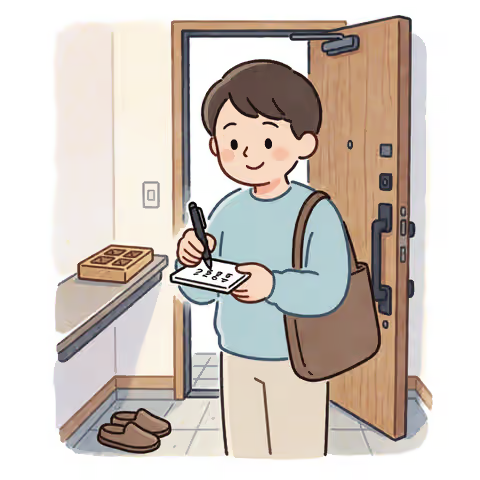
- CJK: 留 = 留. 低 = 低 used as “down / behind.” Mandarin 留下. JP 残す / 置いていく. Canto resultative 留低, not 留下 on this card.
- Fun fact: 記得留低電話號碼. Doorway, scribble the digits. 留低翻屋企 is “stay home”; 唔好留低 is “don’t leave it.”
- Memorize: Writing a number before walking out: 走之前記得留低電話號碼.
- Study tip: 留低. Reading lau4 dai1. Don’t answer 留下 unless printed.
9. 做法(zou6 faat3)
way of doing things; practice · cara; praktik
Example: 呢種菜有好多不同做法。 — This dish has many different ways of preparation.
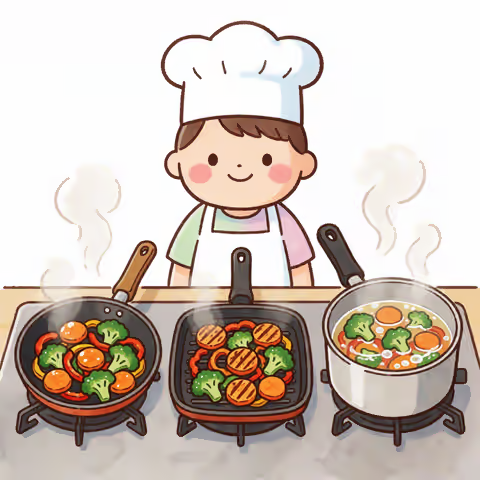
- CJK: 做 = 做. 法 = 法. Mandarin 做法. JP やり方 / 作法. Classifier 種. Today is how you cook it; 做法 can also be “the way an office does things.”
- Fun fact: 好多不同做法. Same veg, wok vs steam vs soup. 呢種做法唔得 is “that approach won’t work.”
- Memorize: One ingredient, three pans: 呢種菜有好多不同做法.
- Study tip: 做法. Reading zou6 faat3. Don’t answer 方法 unless printed.
10. 我唔知(ngo5 m4 zi1)
I don't know · saya tidak tahu
Example: 實不相瞞,我唔知邊個係陳奕迅。 — To be honest, I don't know who Eason Chan is.

- CJK: 我 = 我. 唔 = Canto-only negative. 知 = 知. Mandarin 我不知道. JP 知らない. Whole phrase on one card. 實不相瞞 is written “to be honest.”
- Fun fact: 邊個係陳奕迅. Blank face at a concert poster. 唔知呀 is the shrug; 我點知 is “how would I know?”
- Memorize: Shrug at a singer poster: 我唔知邊個係陳奕迅.
- Study tip: 我唔知. Whole line. Don’t answer 不知道. Pair 乜野.
11. 半年(bun3 nin4)
half a year; six months · setengah tahun; enam bulan
Example: 我哋一齊努力咗半年,終於見到成果。 — We've worked hard for six months and finally seen results.

- CJK: 半 = 半. 年 = 年. Mandarin 半年. JP 半年(はんとし). Same card as yesterday’s #15 — still in today’s new queue.
- Fun fact: 努力咗半年,終於見到成果. Team photo, first win. 一年 / 個幾月 sit on the same timeline.
- Memorize: Calendar, six months crossed off, cheer: 我哋一齊努力咗半年,終於見到成果.
- Study tip: 半年. Reading bun3 nin4. Leftover new. Don’t answer 六個月 unless printed. Pair 多時.
12. 慘(caam2)
miserable; wretched · parah; menyedihkan
Example: 今朝塞車塞得好慘,遲到半個鐘。 — The traffic this morning was terrible; I was half an hour late.
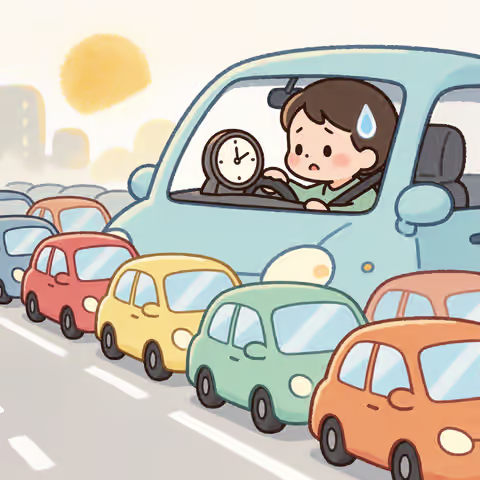
- CJK: 慘 = 惨. Mandarin 惨. JP 惨い(むごい). Adverb 好慘 after a verb: 塞得好慘. Not 悲慘 the literary tragedy unless printed.
- Fun fact: 塞車塞得好慘. Clock, still in the tunnel. 慘過 is “worse than”; 慘啦 is the groan.
- Memorize: Gridlock, watching the clock: 今朝塞車塞得好慘,遲到半個鐘.
- Study tip: 慘. Reading caam2. Don’t answer 辛苦. Pair 壓力.
13. 派(paai3)
faction; send; style · faksi; mengirim; aliran
Example: 佢哋分成兩派,意見好唔同。 — They split into two factions with very different opinions.

- CJK: 派 = 派. Mandarin 派. JP 派. Today is the faction noun: 兩派. Not 派發 “hand out,” not 派去 “send someone.”
- Fun fact: 分成兩派. Two tables, two arguments. 學派 is a school of thought; 派餅 is “hand out cakes” — different 派.
- Memorize: Room split down the middle: 佢哋分成兩派,意見好唔同.
- Study tip: 派. Reading paai3. Today is factions. Don’t answer 分組.
14. 跳(tiu3)
jump; hop · melompat
Example: 貓本來就可以跳好高。 — Cats can naturally jump very high.

- CJK: 跳 = 跳. Mandarin 跳. JP 跳ぶ(とぶ). Tone tiu3. 跳高 is the jump; 跳舞 is dance — not today’s print.
- Fun fact: 貓…跳好高. Sofa to fridge, no run-up. 心跳 is heartbeat; 跳掣 is a tripped breaker.
- Memorize: Cat mid-air over a sofa: 貓本來就可以跳好高.
- Study tip: 跳. Reading tiu3. Don’t answer 飛.
15. 人地(jan4 dei6)
I, myself (used by young women in complaints) · aku (keluhan, biasanya perempuan muda)
Example: 人地都未出聲,你點解咁嘈? — I haven't even said anything, why are you so noisy?
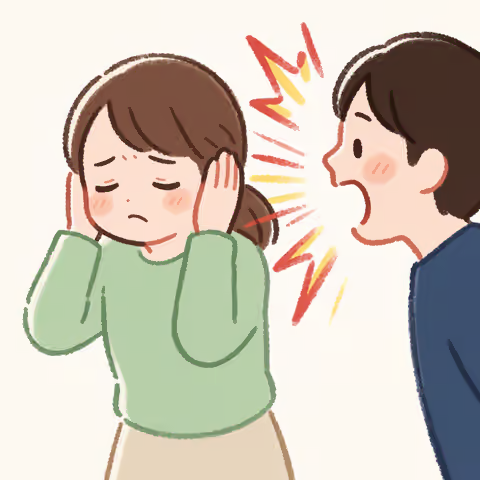
- CJK: 人 = 人. 地 on this card for 哋. Mandarin 人家 (the “I” of a complaint). JP あたし. Also means “other people” in other sentences; today it is “I haven’t even spoken.”
- Fun fact: 都未出聲,你點解咁嘈. Hands over ears. 人地話 is “people say”; this example is the 人家-style 人地.
- Memorize: Young woman, hasn’t opened her mouth, other person shouting: 人地都未出聲.
- Study tip: 人地. Reading jan4 dei6. Today is “I.” Don’t answer 我 unless printed. Pair 呢位.
16. 都得(dou1 dak1)
anything goes; is acceptable · apa saja boleh; tidak masalah
Example: 如果我哋今次條橋可以做得成,到時候你想教邊個系都得啦! — If we can make this bridge work, then you can teach anyone later!

- CJK: 都 = 都. 得 = 得. Canto 都得 = “that’s fine / anyone is ok.” Mandarin 都行 / 都可以. JP 誰でもいい. Not 得到 “obtain.”
- Fun fact: 教邊個系都得. Bridge stands, pick any student. 咁都得 is “even that is acceptable”; 唔得 is the shut door.
- Memorize: Finished model bridge, shrug “anyone’s fine”: 你想教邊個系都得啦.
- Study tip: 都得. Reading dou1 dak1. Don’t answer 可以 alone. Pair 不可.
17. 認(jing6)
to admit; to recognise · mengakui; mengenali
Example: 佢唔肯認錯。 — He refuses to admit he's wrong.

- CJK: 認 = 认. Mandarin 认. JP 認める. Today is 認錯. 認識 is “be acquainted”; 認真 is “serious” — not this card.
- Fun fact: 唔肯認錯. Arms folded. 認人 is “recognise someone”; 否認 is “deny.”
- Memorize: Folded arms, won’t say sorry: 佢唔肯認錯.
- Study tip: 認. Reading jing6. Today is admit. Don’t answer 承認 unless printed.
18. 呢位(ni1 wai2)
this person · orang ini
Example: 呢位係我新同事。 — This is my new colleague.

- CJK: 呢 = Canto “this.” 位 = 位 the polite classifier. Mandarin 这位. JP こちら. Changed tone wai2 (from wai6). Not 呢個.
- Fun fact: 係我新同事. Office doorway intro. 邊位 is “who (polite)?”; 各位 is “everyone.”
- Memorize: Introducing someone at the door: 呢位係我新同事.
- Study tip: 呢位. Reading ni1 wai2. Don’t answer 呢個. Pair 人地.
19. 多時(do1 si4)
for a long time · sudah lama
Example: 我哋多時冇見啦,你好嗎? — Long time no see, how are you?

- CJK: 多 = 多. 時 = 时. Mandarin 好久 / 多时. JP 久しぶり. Greeting 多時冇見. Not 同時.
- Fun fact: 多時冇見啦,你好嗎. Street bump-into. 好多時 is “often”; this card is the gap since last meeting.
- Memorize: Two friends waving, “long time”: 我哋多時冇見啦.
- Study tip: 多時. Reading do1 si4. Don’t answer 同時. Pair 半年.
20. 同時(tung4 si4)
at the same time; simultaneously · pada saat yang sama; secara bersamaan
Example: 同時間,相信勇武抗爭嘅人一樣都要繼續做。 — At the same time, those who believe in militant resistance must continue too.

- CJK: 同 = 同. 時 = 时. Mandarin 同时. JP 同時(どうじ). Connector: while A, B also. Written 同時間 in this sentence. Not 多時.
- Fun fact: 一樣都要繼續做. Two tracks, neither stops. 同時發生 is “happen at once.”
- Memorize: Two people working side by side, neither pausing: 同時…一樣都要繼續做.
- Study tip: 同時. Reading tung4 si4. Don’t answer 多時. Pair 暫時.