Anki session
Japanese 1
日本語
- New
- 19
- Learn
- 19
- Review
- 92
Session: 19 new remaining of the 20/day cap (十日 とおか already entered learning) · 19 learning waiting · 92 reviews due.
New cards are mixed into reviews after the learning queue. Do not expect a 20-card new block.
Session plan
- Clear the 19 overdue learning cards first. They are due from this morning; they will eat the start of the session.
- Then new cards interleave with reviews. When a new one pops, glance at its number below before answering.
- Today's batch has three clusters worth drilling as sets: ko-so-a-do (これ / こっち / あそこ), give–receive (あげる / もらう), numbers & dates (九 / 九日 / 百).
- News-y leftovers (政権, 分野, 期待, 価格) are newspaper Japanese — and they are basically Chinese. If HSK is loaded, read them as 政权 / 分野 / 期待 / 价格 first, then glue on the Japanese sound.
1. 政権(せいけん)
political power · pemerintahan
Example: 政権が交代した。 — There was a regime change.
-
CJK: 政 = 政府 zhèngfǔ 的 政. 権 = 权限 quánxiàn 的 权 (Japanese still writes 権). Stack: 政府的政 + 权限的权 = 政权 zhèngquán = 政権 せいけん.
-
Japanese has 政府 and 权限 too:
Chinese Japanese Meaning 政府 zhèngfǔ 政府 せいふ government (the institution) 政权 zhèngquán 政権 せいけん regime / who is in power 权限 quánxiàn 権限 けんげん permission, scope of authority 权利 quánlì 権利 けんり a right (human rights, etc.) 日本政府, 政府機関. アクセス権限, 権限を与える. 政権 is which group holds the 権; 政府 is the government as an institution; 権限 is how far your 権 goes.
-
Fun fact: Same 権 as 権利 けんり = 权利. Not 备 from 准备 — 権 has 木 on the left.
-
Memorize: HSK voice: 政府的政、权限的权 → せいけん. Don't mix せいふ (政府) with せいけん (政権).
-
Study tip: 政治を勉強する is 政治 (the subject). 政権が変わる is 政权. If it can fall or take office, it's this card.
2. 駄目(だめ)
no good · tidak berguna; tidak boleh
Example: 彼は駄目な男だ。 — He's a loser.
- CJK / JP: 駄 is 無駄 むだ's 駄. 無 + 駄 = "no + junk" → waste. 駄 + 目 = "junk + point" → no good. Same 駄: old "packhorse load / cheap goods" → worthless.
- Fun fact: From 囲碁: a 駄目 is a dead point that doesn't score. Slang "useless / don't!" leaked off the board. Often written ダメ in katakana.
- Memorize: 無駄 = the whole thing is junk. 駄目 = this move/person is junk. Hear むだ and だめ as siblings sharing だ=駄.
- Study tip: 無駄だ (it's a waste) vs だめだ (no / hopeless). As a prohibition ダメだよ is "nope, stop"; いけません is a rule on a sign.
3. 分野(ぶんや)
field, sphere · bidang
Example: 音楽は彼の得意な分野です。 — Music is his field of specialty.

- CJK: 分 = fēn. 野 = yě (wild / field). Same 野 as 野菜 やさい (野 + 菜 = field greens) and 上野 うえの (kun の). In 分野 it is on-yomi や → ぶんや, not ぶんの and not やさい's word, just the same kanji/sound jacket as 野菜's や.
- Fun fact: 野 = open field, hence "wild": 野生 やせい (wild-grown), 野獣, Chinese 野生的野. 野菜 is the polite everyday word for vegetables — they are farmed now, but the kanji still says "field veg." 分野 = a field that got divided (分) into a specialty plot.
- Memorize: 野菜's や (the plant) vs 分野's や (the plot) vs 上野's の (the park). Same 野, three jackets. Fence the vegetable field into plots: each plot is a 分野.
- Study tip: Expertise domains only, not grass and not carrots. 専門分野, この分野で働く. If you hear の, it's a name (上野, 野口).
4. 期待(きたい)
expectation, anticipation · harapan
Example: みんな私たちに期待しています。 — Everyone has high expectations of us.
- CJK: Exact same word as 期待 qīdài. 期 is your 星期 xīngqī 期. 待 is 待 dài (wait), not 特 tè. 特別 とくべつ is 特 — extra stroke/tree on the left (牛 vs 彳). Squinting 待≈特 is fine as a warning; at review time force "wait, not special."
- Fun fact: 期 = a set period, 待 = wait. You wait for a date that was supposed to arrive — that's why 期待 can feel heavy. 期待に応える / 期待を裏切る.
- Memorize: 星期's 期 on a calendar, someone 待-ing in a chair (the 彳 is a person standing on the left). Not 特別.
- Study tip: 希望 = your own hope. 期待 = someone expecting something of you. に期待する — に marks the person carrying the burden.
5. こっち(こっち)
here · sini
Example: こっちに来て下さい。 — Please come here.

- Fun fact: Casual contraction of こちら. The ko-so-a-do family: これ/それ/あれ, ここ/そこ/あそこ, こっち/そっち/あっち. Pointing with your whole body, not a tiny object.
- Memorize: KO-cchi = "close to ME." Tap your own chest when you say it.
- Study tip: Pair with これ (this thing) and あそこ (way over there) from this same batch. こちら is the polite twin; こっち is what you actually yell across a room.
6. 九(きゅう)
nine · sembilan
Example: 野球は九人で1チームです。 — In baseball there are nine people on one team.
- Fun fact: Two common on-yomi: きゅう and く. Months use く (九月 くがつ) because きゅうがつ sounds like 急ぐ. Baseball really is 9 innings × 9 players — the example is not random.
- Memorize: A baseball diamond with nine stick figures. Count them out loud: いち, に, … きゅう.
- Study tip: Same kanji, different reading in 九日 ここのか later in this list. If you answer きゅうにち you've fallen into Chinese-number autopilot.
7. 授業(じゅぎょう)
class, lesson · pelajaran
Example: 今日は日本語の授業があります。 — There's going to be a Japanese class today.

- CJK: 授 is Mandarin shòu — 授课, 授予, 教授 jiàoshòu = 教授 きょうじゅ. Trap: 受 is also shòu, but receive. 授業 uses 授 (hand out). 業 is 企业 きぎょう's 業 = 业 yè (企业, 事业, 作业, 行业) — work / enterprise. 授業 = confer (授) the work (業).
- Fun fact: A 授業 is work the teacher hands down. 講義 = university lecture; 授業 = school class; レッスン = often private/paid.
- Memorize: 教授's 授 + 企業's 業. Teacher lifts 授 a stack of 业 onto the desks. 受業 would flip the direction.
- Study tip: 授業がある / 授業に出る / 授業を休む. Teachers 授業をする or 教える, not 授業する.
8. 払う(はらう)
pay · membayar
Example: 私が払いましょう。 — Let me pay for that.
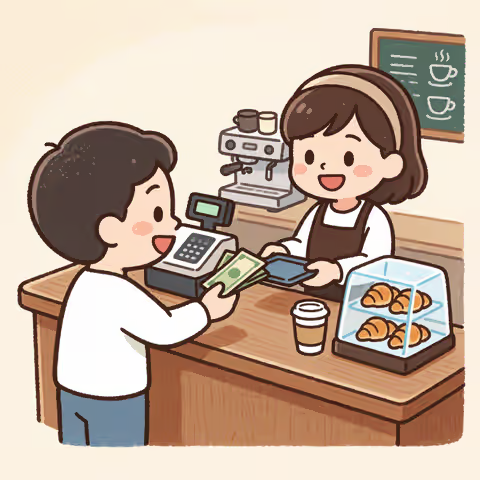
- CJK: Totally new is fair — 払 is the Japanese short form of 拂 fú (brush / whisk: 拂尘, 拂晓). China kept 拂; Japan chopped the 弗 phonetic into that little ム. It is not 付 fù (付款). 付 = 亻+寸, give to a person. 払 = 扌 hand, sweep.
- Fun fact: Japanese loaded "pay" onto the old brush-away verb: 埃を払う, 邪気を払う, お金を払う. Money gets swept across the counter. Shinto お払い = ritual sweep-clean.
- Memorize: Hand (扌) brushing dust, then the same motion sliding a bill. Don't search HSK for 払 — look up 拂, then remember Japan also uses it for 付款.
- Study tip: を払う takes the fee (お金, 代金, 家賃). 価格 is the number on the sign; 払う is you handing money. 払いましょう = let me get this.
9. これ(これ)
this, this one · ini
Example: これをください。 — I'll have this please.
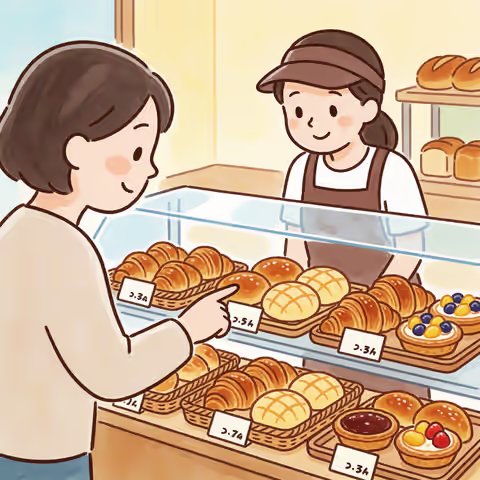
- Fun fact: Rank 6 in this deck — one of the highest-frequency words you still hadn't seen. Shop Japanese in three syllables: これをください.
- Memorize: KO-re = the thing in my KO-zone (hand). SO-re is in your zone, A-re is over there.
- Study tip: これ is a thing. こっち (this batch) is a direction/area. これ来て is wrong; こっち来て is right.
10. あげる(あげる)
give · memberi
Example: この本、あなたにあげます。 — I'll give you this book.
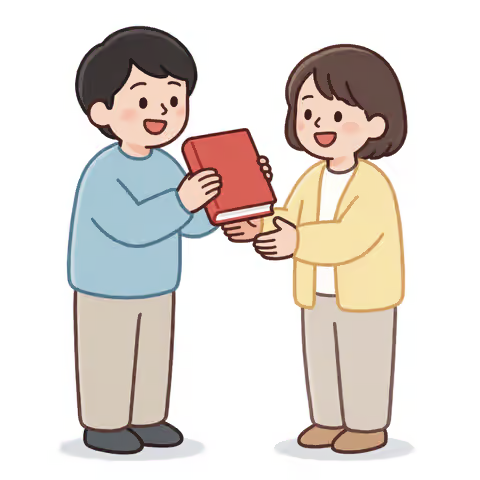
- Fun fact: From 上げる "raise / lift up." You lift the gift out of your world toward someone else (or someone of equal/lower status). Humble opposite is 差し上げる; receiving-toward-you is くれる.
- Memorize: Both palms lift a box UP (上げる) and push it away from you.
- Study tip: Drill as a pair with もらう (#19). Subject of あげる = giver. Subject of もらう = receiver. 私は彼に本をあげる vs 私は彼に本をもらう.
11. 痛い(いたい)
painful · sakit
Example: 今日は頭が痛いです。 — I have a headache today.
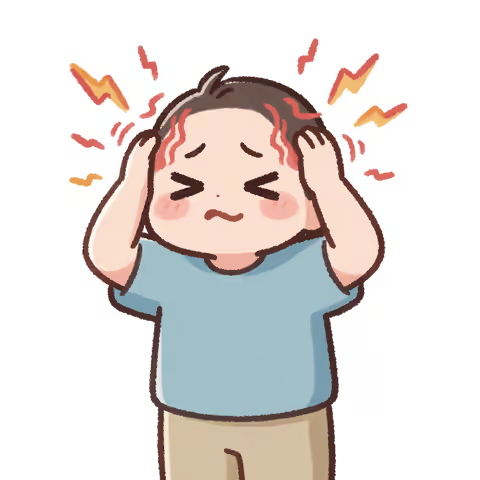
- CJK: 痛 is Mandarin tòng (头痛, 痛苦, 痛快). 疼 téng is the close cousin (疼痛 together). Japanese kun いたい, on ツウ (頭痛 ずつう = 头痛 tóutòng). Body part が + 痛い.
- Fun fact: Internet イタい = second-hand embarrassment so sharp it hurts to watch.
- Memorize: 头痛's 痛 → 頭が痛い. Say イタッ! on a toe, stretch to いたい. téng/tòng family, this card is 痛 not 疼.
- Study tip: 頭が痛い / お腹が痛い / 歯が痛い. No を on the body part.
12. 大人(おとな)
adult · orang dewasa
Example: お酒は大人になってから。 — You can drink alcohol when you're an adult.
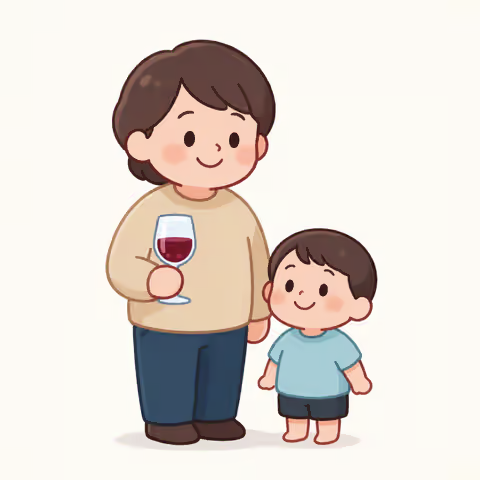
- Fun fact: You'd expect だいじん or たいにん. Nope — special reading おとな. 大 + 人 visually "big person," but the word is native Japanese, not on-yomi.
- Memorize: A kid standing on a stool to look big (大きい人) — the stool is labeled おとな so you don't say だいじん (that's 大臣, minister).
- Study tip: 子供 → 大人. 大人の人 is redundant. 大人びた = grown-up-ish (behavior).
13. 多く(おおく)
much, largely · banyak
Example: 毎年多くの人が海外へ旅行する。 — A lot of people travel abroad every year.
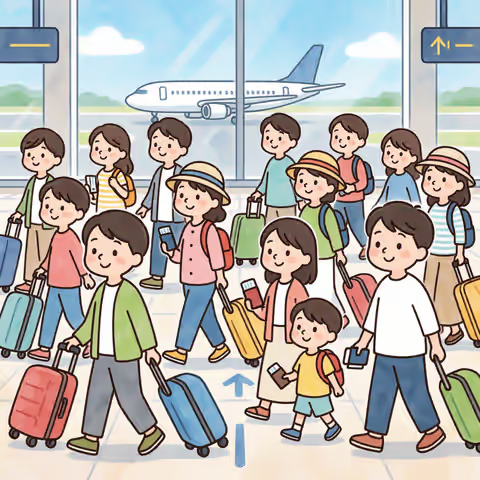
- Fun fact: Adverbial / noun form of 多い. く here is the same く that turns い-adjectives into adverbs (早く), but 多い → 多く, not 多いく.
- Memorize: 多い is the pile. Chop the い into く and the pile spreads: 多くの人.
- Study tip: Pattern 多くの + noun. 多くは ("most of them") as a noun. Don't say 多い人 without が/は in a full sentence — 人が多い is the predicate form.
14. あそこ(あそこ)
over there · di sana
Example: あそこにバス停があります。 — There's a bus stop over there.
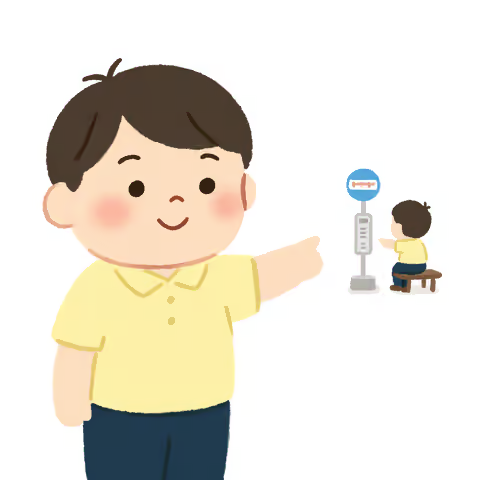
- Fun fact: A-row of ko-so-a-do: far from both speaker and listener. Also a polite way to avoid naming a place (or, in adult conversation, a euphemism for "down there") — context decides.
- Memorize: Point past your friend, not at them. If you can both see it but neither is holding it → あそこ.
- Study tip: Triangle with これ (in my hand) and こっち (toward me). あそこで待って vs こっち来て.
15. 九日(ここのか)
nine days, 9th of the month · sembilan hari; tanggal 9
Example: 九日に荷物が届きます。 — The package will arrive on the ninth.

- Fun fact: Native Japanese day-of-month series: ついたち, ふつか, みっか, よっか, いつか, むいか, なのか, ようか, ここのか, とおか. ここの is old Japanese "nine" (cf. 九つ ここのつ).
- Memorize: ここの + か. Knock nine times on a calendar square. If you say きゅうにち, a clerk will still understand and you'll still be wrong on this card.
- Study tip: Same 九 as #6, different reading family (kun, not on). Dates 1–10 are the trap week of Japanese numbers — worth a 30-second recitation before you rate the card.
16. 浴びる(あびる)
take (a shower) · mandi (shower)
Example: 私は朝、シャワーを浴びます。 — I take a shower in the morning.

- CJK: You spotted the 谷. 浴 = 氵 (water) + 谷 (valley / たに). 谷 is Chinese gǔ (山谷, 幽谷 — Psalm 23 死荫的幽谷 / 死の陰の谷). 浴 is a different word: Chinese yù (浴室 yùshì, 沐浴). Japanese on-yomi ヨク (浴室 よくしつ, 入浴 にゅうよく). あびる is the kun reading of 浴, not of 谷.
- Fun fact: Not "wash." 浴びる = be drenched: シャワー, 日光, スポットライト, 非難. Water pouring down into a 谷. Bathtub sitting is お風呂に入る.
- Memorize: Hololive-brain 谷 = たに. Add a water drop: たに + 氵 → 浴 → あびる. Don't say グー; that's 谷 gǔ. Shower-voice: よく / あびる.
- Study tip: シャワーを浴びる (を marks the shower). お風呂を浴びる is odd. 浴室 = 浴室 yùshì, reading よくしつ — same 浴, Chinese yù, not gǔ. Onsen's ゆ is 湯, not 浴. 温泉のお湯 / 湯船 = hot water. 浴 = the act (入浴, 浴びる). Same bathroom family, two kanji.
17. 百(ひゃく)
hundred · seratus
Example: 私の祖母は百才です。 — My grandmother is 100 years old.
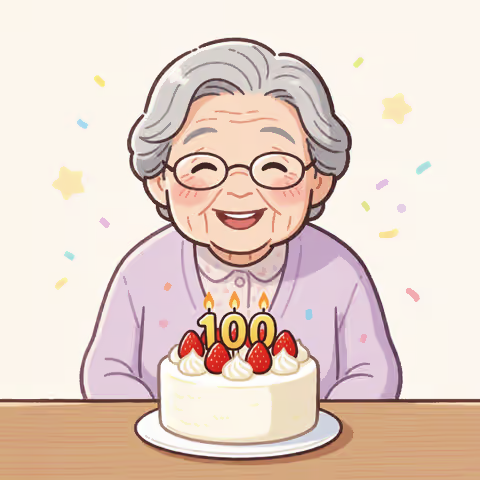
- Fun fact: Sound changes: 三百 さんびゃく, 六百 ろっぴゃく, 八百 はっぴゃく. 百人一首 is the 100-poem anthology. 百才 in the example is the same idea as 百歳.
- Memorize: A 100-year-old grandma holding a cake with too many candles — ひゃく.
- Study tip: Don't invent ひゃくにん for "100 people" without the counter (百人 ひゃくにん is fine; 百才 needs さい). Watch びゃく / ぴゃく when a number prefixes it.
18. 価格(かかく)
price, cost · harga
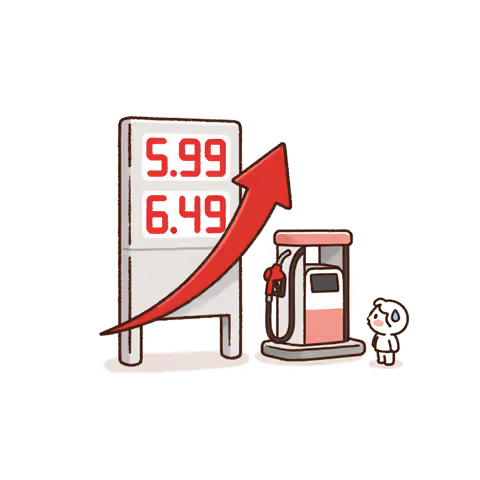
Example: ガソリンの価格がどんどん上がっている。 — The price of gasoline keeps going up fast.
- CJK / Canto / Teochew: 価格 = 價格 gaa3 gaak3 = 价格 jiàgé. 価 = 價 = 價錢嘅價 gaa3. 格 = Teochew/Canto gêh / gaak3 (格子, 合格) — the cell that became “rank / standard.” NOT 四角の 角 (gok / かく = corner). Japanese reads both 格 and 角 as かく.
- 格 in Japanese: almost always in compounds, meaning rank, standing, the class something belongs in. 価格 = the listed price-class. Also 合格 ごうかく (meet the standard / pass), 資格 しかく (qualification), 性格 せいかく (personality), 格差 かくさ (gap in standing), 格安 かくやす (below-standard cheap). Not a physical box.
- Memorize: 價錢嘅 gaa + 格子嘅 gaak → かかく. If you reach for しかく, that's 四角 (corners), wrong かく. 資格 しかく is the other 格-しかく (qualification).
- Study tip: Cluster with 払う: 価格 is the number on the board; 払う is handing money. 価格が高い = headline; 高いよ = a person.
19. もらう(もらう)
receive · menerima; mendapat
Example: 彼女からプレゼントをもらいました。 — I got a present from her.
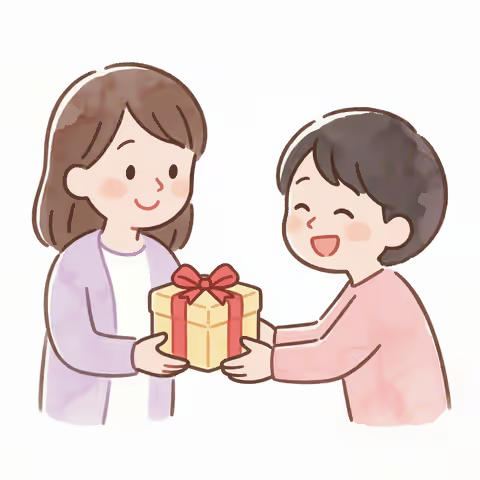
- Fun fact: Receiver is the subject. から / に marks the giver. 〜てもらう = get someone to do something for you (favor grammar unlocks later from this one verb).
- Memorize: Palms up, pulling a present IN. Opposite movie of あげる (#10).
- Study tip: Last card of the day — finish by saying both sentences: あげます / もらいました. If you mix the subjects, the whole give–receive system stays foggy for weeks.